

Do Hornets Do Anything Good? 5 Powerful Benefits in 2025
Why These Misunderstood Insects Are Nature’s Unsung Heroes
Do hornets do anything good? The answer might surprise you. While most people see hornets as dangerous pests to avoid, these powerful insects actually serve as nature’s pest control specialists, accidental pollinators, and environmental cleanup crew.
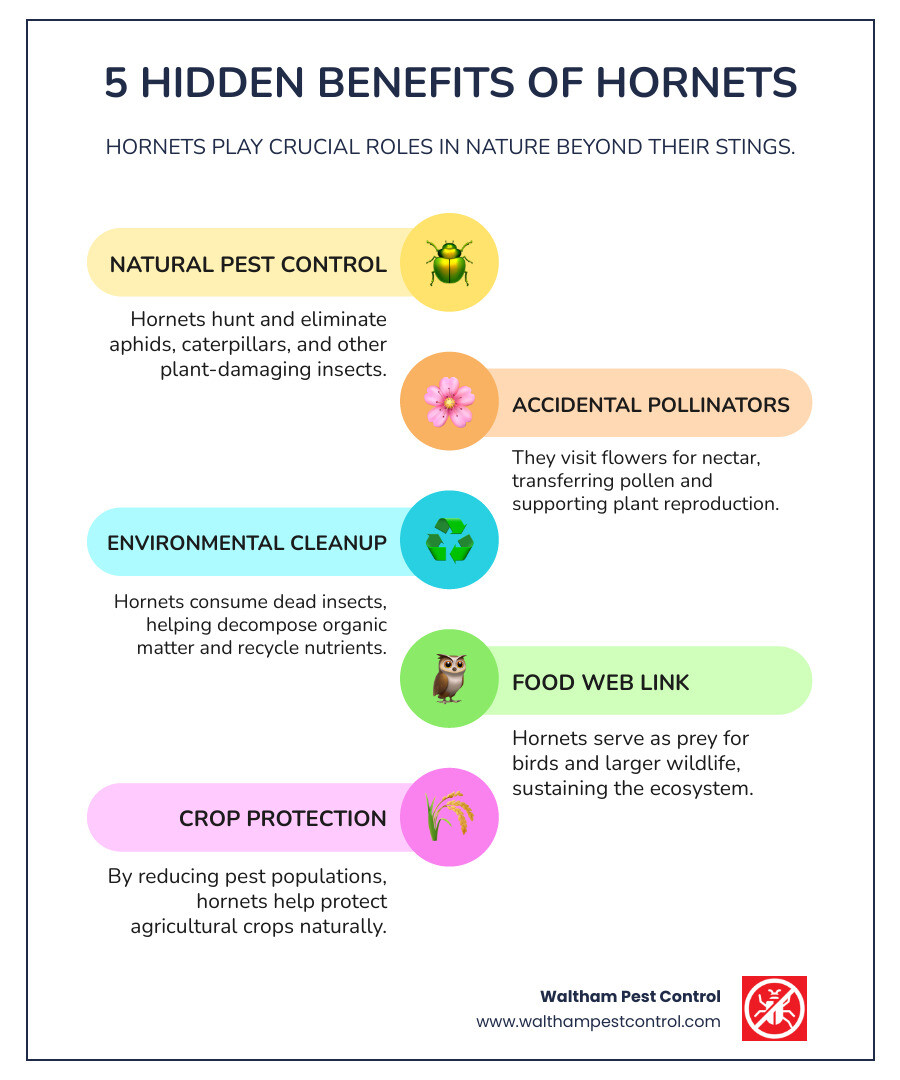
Yes, hornets do many good things:
- Natural pest control – Hunt aphids, caterpillars, flies, and other garden pests
- Pollination support – Visit flowers for nectar and accidentally transfer pollen
- Environmental cleanup – Consume dead insects and recycle nutrients back to soil
- Food web balance – Serve as prey for birds and other wildlife
- Agricultural benefits – Help protect crops from damaging insect populations
Despite their fearsome reputation, hornets play vital roles in keeping ecosystems healthy and balanced. A single hornet colony can eliminate thousands of pest insects throughout the season, providing free biological control services worth hundreds of dollars to homeowners and farmers.
The challenge isn’t whether hornets are beneficial – it’s learning when to appreciate their ecological services and when their nests pose genuine safety risks that require professional intervention.
As Waltham Pest Control, President & CEO of Waltham Pest Control with over 40 years of experience in Eastern Massachusetts, I’ve seen how understanding do hornets do anything good helps homeowners make smarter decisions about pest management. My approach focuses on balancing the ecological benefits of beneficial insects with the safety needs of families and businesses.
Quick do hornets do anything good definitions:
The Ecological Engine: How Hornets Keep Nature in Balance
Think of hornets as nature’s hardworking maintenance crew – they’re constantly patrolling, cleaning up, and keeping the insect world in check. Do hornets do anything good? Absolutely, and their ecological contributions are worth hundreds of billions of dollars in pest control services worldwide.
Here in Eastern Massachusetts, we’re primarily dealing with the European hornet (Vespa crabro), impressive insects that can grow up to 1.5 inches long. These “flying war machines” might look intimidating, but they’re actually sophisticated biological control agents that have been perfecting their craft for millions of years.
From May through November, hornets operate like a well-oiled pest management company, working around the clock to maintain the delicate balance between predator and prey. Their colonies function as both individual hunters and coordinated teams, creating a multi-layered system that prevents pest insects from overwhelming our gardens and natural areas.
Scientific research on wasps’ garden roles shows that social wasps like hornets are particularly valuable because their large colonies can process enormous quantities of pest insects daily – no chemicals required, no human intervention needed.
Predatory Power: Free Pest Management for Plants
Hornets are the ultimate protein hunters, and they’re absolutely relentless about it. Adult hornets need to constantly hunt soft-bodied insects to feed their developing larvae back at the colony. This creates a natural pest control system that would make any organic gardener smile.
Their hunting prowess is impressive – a single hornet can eliminate more than 30 honey bees per minute when actively hunting. While this bee predation might sound concerning, hornets typically target weaker or diseased bees, potentially helping maintain healthier bee colonies overall.
The real garden heroes emerge when hornets go after aphids – those plant-sucking pests that can devastate crops and ornamental plants. They’re equally efficient at controlling caterpillars like cabbage worms and tomato hornworms, flies that carry diseases, mosquitoes that make outdoor living miserable, and even spiders that might be getting out of hand.
For organic gardeners who avoid chemical pesticides, hornets provide exactly the kind of biological control that keeps plants healthy naturally.
Accidental Pollinators With a Punch
While hornets will never win awards for being the world’s best pollinators, they do contribute to plant reproduction in their own unique way. Adult hornets have a serious sweet tooth – they’re constantly seeking out nectar, honeydew, and plant juices to fuel their high-energy lifestyle.
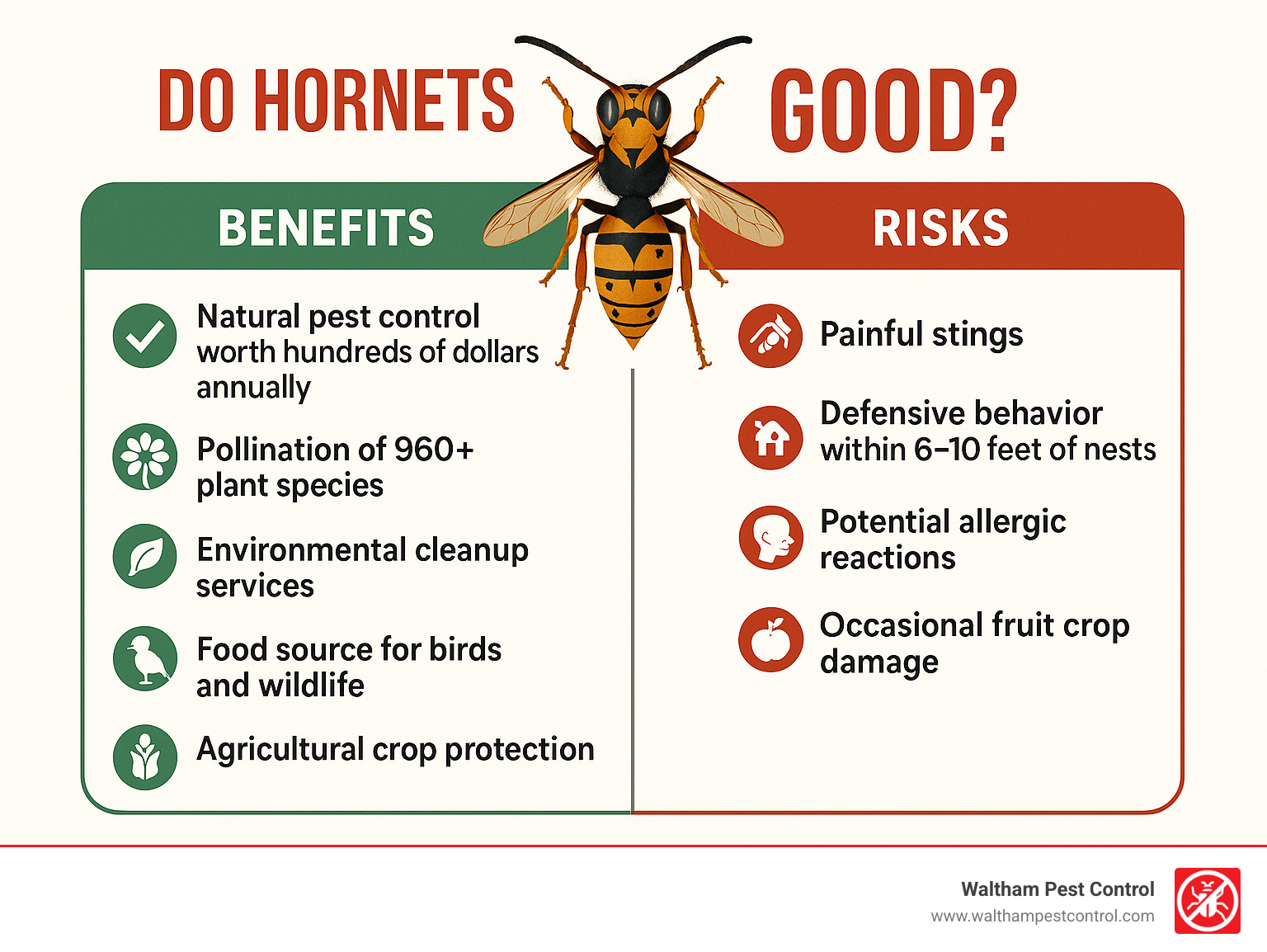
As they move from flower to flower, they inadvertently pick up and transfer pollen. Their bodies aren’t as fuzzy as bees, so they don’t carry as much pollen, but research shows that hornets and other wasps actually pollinate 960 plant species worldwide. Some 164 species depend entirely on wasp pollination.
Hornets are particularly valuable for native wildflowers, fruit trees (especially late-season varieties), shrubs and bushes, and certain agricultural crops.
The Recycling Crew of the Insect World
Hornets are constantly scavenging dead and decaying insects, breaking down organic matter and returning valuable nutrients to the soil ecosystem. This cleanup work prevents the accumulation of dead insects that could harbor diseases or attract other unwanted pests.
The recycling doesn’t stop there – hornet larvae produce a sweet syrup that adult hornets consume, creating an efficient nutrient recycling system within the colony itself. It’s nature’s version of a circular economy, where nothing goes to waste.
Do Hornets Do Anything Good? Separating Myth From Fact
Let’s address the elephant in the room – or should I say, the hornet in the garden? When people ask “do hornets do anything good,” they’re usually standing at their kitchen window, watching these intimidating insects buzz around their yard with a mix of fear and frustration.
The truth is, hornets are like that gruff neighbor who looks scary but actually keeps the neighborhood safe. These misunderstood insects work tirelessly to maintain the delicate balance that keeps our gardens thriving and our ecosystems healthy.
The biggest myth about hornets is that they’re mindless aggressors looking for trouble. In reality, hornets are focused professionals with important jobs to do. They only become defensive when you get too close to their nests – typically within 6 to 10 feet. Think of it as their personal workspace where they don’t appreciate uninvited visitors.
Another common misconception is that all hornets are dangerous “murder hornets.” The truth is, the Asian giant hornet that earned this dramatic nickname isn’t established in Massachusetts. Our local European hornets are much more manageable neighbors, despite their impressive size.
Many homeowners assume that any hornet nest needs immediate elimination, but this isn’t always the case. Hornets provide valuable environmental services that often outweigh the risks, especially when nests are located away from high-traffic areas.
Do Hornets Do Anything Good for Gardens?
Do hornets do anything good for your backyard paradise? Absolutely! These insects are like having a free, round-the-clock security team protecting your plants from harmful pests.
A single hornet colony can eliminate thousands of garden pests throughout the growing season. They’re particularly valuable for organic gardeners who want to avoid chemical pesticides. Hornets naturally hunt the same troublemakers that would otherwise destroy your carefully tended vegetables and flowers.
Your roses covered in aphids? Hornets will take care of that problem. Caterpillars munching on your tomatoes? Consider them handled. Those annoying flies buzzing around your compost bin? Hornets view them as a tasty snack.
The beauty of hornet pest control is that it’s completely natural and sustainable. Unlike chemical treatments that can harm beneficial insects, hornets selectively target pests while leaving helpful pollinators like native bees largely alone.
The key to maximizing garden benefits while staying safe is understanding hornet behavior and maintaining respectful distances from their nests. More info about bee and wasp safety provides detailed guidance on how to coexist peacefully with these beneficial predators.
Do Hornets Do Anything Good for Agriculture?
When farmers ask “do hornets do anything good” for their operations, the answer comes with impressive numbers. Research shows that predatory wasps like hornets provide billions of dollars in agricultural pest control services annually worldwide.
Large-scale farming operations have documented the use of thousands of hunting wasp species for biological control of crop pests. Hornets excel at managing fall army worms in corn, controlling borer moths across various crops, and suppressing aphid populations on fruit trees.
Livestock farmers also benefit from hornet activity, as these predators help control fly populations around barns and pastures. This natural pest management reduces the need for chemical interventions that can be expensive and potentially harmful to the environment.
Integrated pest management systems increasingly recognize hornets as valuable allies rather than enemies. Scientific research on insect population services highlights how important predatory insects like hornets are for maintaining agricultural productivity without relying solely on chemical pesticides.
The agricultural benefits of hornets extend beyond direct pest control. By maintaining balanced insect populations, hornets help preserve the complex ecological relationships that support healthy crop production and sustainable farming practices.
Benefits vs. Stings: Managing Risks Around the Home
While do hornets do anything good has a clear answer of yes, we can’t ignore the elephant in the room – or should I say, the hornet in the eaves. These beneficial insects pack a serious punch when they feel threatened, and their stings are nothing to laugh about.
Hornets deliver more venom per sting than most other stinging insects, and unlike bees, they can sting repeatedly without dying. Their venom potency makes encounters particularly painful, and for some people, potentially dangerous. The defensive radius around their nests typically extends 6-10 feet, which means accidentally getting too close while trimming hedges or cleaning gutters can quickly turn into a very bad day.
Allergy concerns add another layer of complexity to hornet management. While most people experience only localized pain and swelling from hornet stings, those with sensitivities can face serious or even life-threatening reactions.
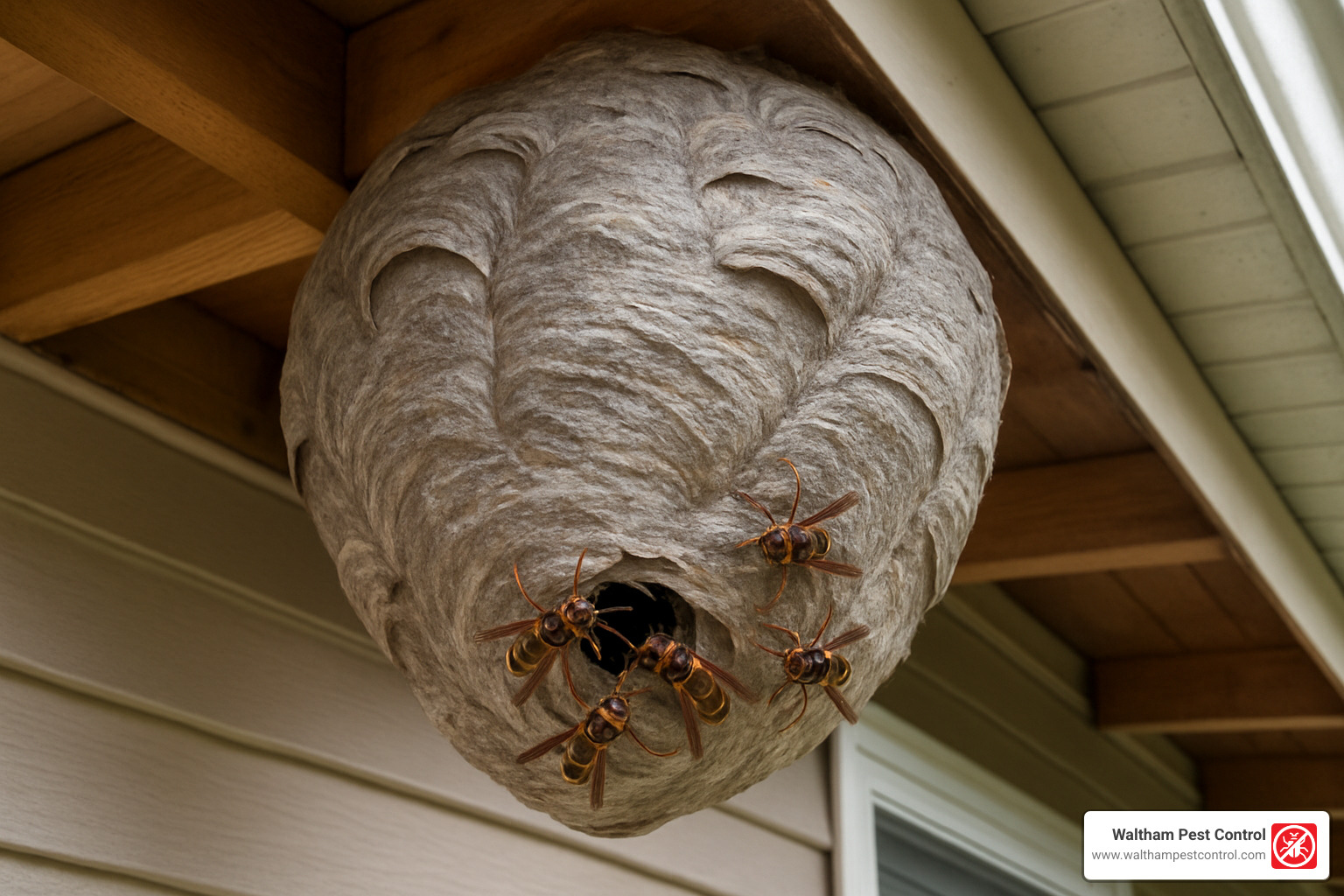
The trickiest situations arise when hornets choose nest locations that put them in direct conflict with human activities. That paper nest tucked under your roof overhang might house beneficial pest controllers, but it also creates a hazard every time you walk to your front door.
Understanding hornet behavior helps reduce these risks significantly. These insects are generally calm when foraging away from their nests, focused on hunting prey rather than bothering humans. More info about The Dangers of Removing Hornet and Wasp Nests Without Professional Help explains why approaching these situations with caution is essential.
When to Observe, When to Act
The key to living with hornets lies in making smart decisions about when their benefits outweigh their risks. Seasonal die-off naturally solves many hornet problems, as colonies collapse after the first hard frost, leaving only empty paper nests behind.
Winter removal timing offers the safest approach for dealing with problematic nests. Once the colony dies off, you can safely remove the abandoned nest without any risk of stings. The empty structures pose no threat and won’t be reused the following year.
Risk assessment becomes crucial when nests are found during active seasons. Remote nests high in trees or tucked away from human activity can often be safely tolerated. However, nests near doorways, play areas, or high-traffic zones require immediate attention.
Small colonies found late in the season may not warrant intervention, particularly if family members aren’t allergic to stings. These nests will naturally disappear within weeks.
Safe Solutions, Not Swat Teams
Professional hornet nest removal makes sense for most homeowners facing active colonies in problematic locations. The specialized protective gear required for safe removal isn’t something most people have lying around the garage, and hornets can quickly turn a DIY project into a medical emergency.
Professional removal costs vary dramatically based on nest accessibility, size, and location complexity. Based on internet research, homeowners might pay anywhere from $100 to $800 for professional hornet nest removal, with particularly challenging situations potentially costing even more. These are average costs based on internet data and not actual costs for Waltham Pest Control.
The liability considerations alone often justify professional intervention. Attempting to remove hornet nests without proper equipment and experience can result in serious injuries, property damage, or incomplete removal that leads to recurring problems.
Professional services bring more than just protective suits and long-reach tools. They understand hornet behavior, can identify the safest removal methods, and provide follow-up services to prevent re-nesting. More info about When to Call a Professional outlines specific situations where professional expertise becomes essential for both safety and effectiveness.
The goal isn’t to wage war against hornets, but to find practical solutions that protect families while acknowledging these insects’ ecological value.
Living Side-by-Side: Practical Tips for Coexistence
Learning to live peacefully with hornets isn’t about becoming best friends with these buzzing neighbors – it’s about creating smart boundaries that let both species thrive. Do hornets do anything good enough to justify sharing our yards? Absolutely – but only when we set up the relationship for success.
Sugary attractants are like hornet magnets, especially during late summer when colonies are at their peak. Covering food and drinks during outdoor barbecues, cleaning up thoroughly after picnics, and securing garbage cans with tight-fitting lids can dramatically reduce unwanted hornet visits.
Fallen fruit creates another major attraction point. Those overripe apples and pears that drop from trees become fermented hornet treats, drawing them closer to areas where families gather. Picking up fallen fruit promptly removes this powerful lure.
Night lighting affects hornet behavior more than most people realize. Reducing unnecessary porch lights and switching to yellow or sodium vapor bulbs makes outdoor spaces less attractive to insects that hornets hunt.
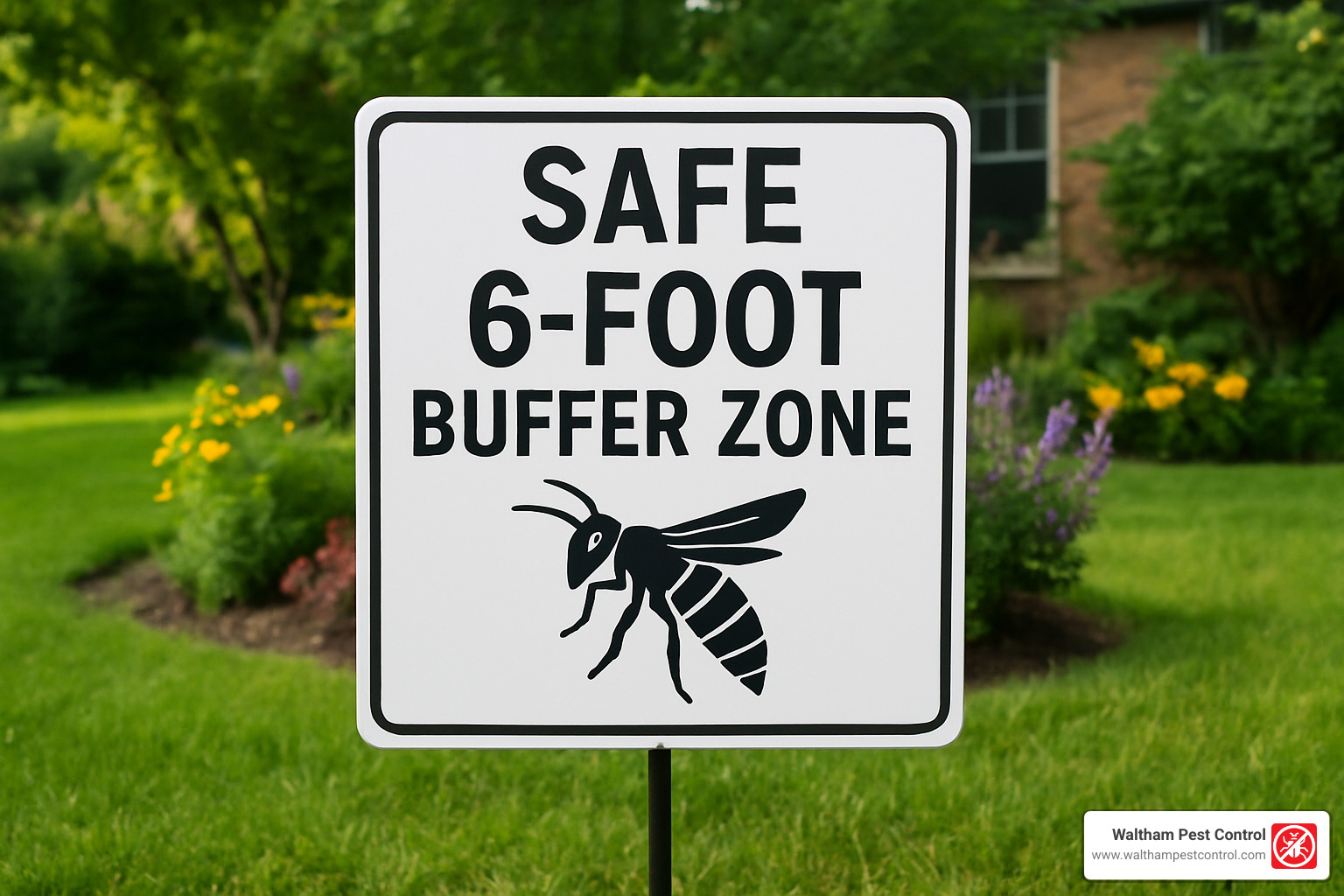
Creating a 6-foot buffer zone around known nest locations allows hornets to go about their beneficial pest control work while keeping human activity at a safe distance. This isn’t about living in fear – it’s about respecting their space the same way you’d avoid bothering a neighbor’s guard dog.
More info about Are Ground Hornets Aggressive? explains why ground-nesting species require special consideration and different management approaches.
Encouraging the Good, Deterring the Bad
The smartest approach to hornet management involves becoming a selective host – welcoming the benefits while discouraging the problems. It’s like inviting a helpful but slightly prickly relative to family gatherings: you appreciate what they bring to the table, but you set clear boundaries.
Native flowering strips planted away from high-traffic areas give hornets nectar sources while directing their activity to less problematic locations. These plants also support other beneficial insects, creating a diverse ecosystem that hornets can hunt without interfering with human activities.
Bird boxes might seem unrelated, but they attract insect-eating birds that help balance hornet populations naturally. This creates a layered approach to pest management where different species work together to maintain healthy insect populations.
Selective nest tolerance becomes easier when you understand hornet behavior patterns. That nest tucked high in a back corner of your property might be providing hundreds of dollars worth of pest control services. Meanwhile, the nest forming near your front door clearly needs professional attention.
Rather than reaching for broad-spectrum pesticides that eliminate hornet prey and force them to search for food closer to human activity, targeted management focuses on specific problem areas while preserving beneficial insect populations elsewhere on the property.
This balanced approach acknowledges that do hornets do anything good isn’t just an academic question – it’s a practical consideration that affects how we manage our outdoor spaces.
Frequently Asked Questions about Hornet Benefits
What do hornets eat, and why does it matter?
Understanding what hornets eat helps explain why the answer to “do hornets do anything good” is such a resounding yes. These fascinating insects have what scientists call a “dual diet” that changes as they grow and as seasons shift.
Adult hornets are essentially living on a sugar rush most of the time. They sip nectar from flowers, lick sweet honeydew from aphids, slurp tree sap, and nibble on overripe fruit. This high-energy diet fuels their constant hunting missions, because hornets are also dedicated protein providers for their colonies.
Here’s where it gets interesting – while adult hornets prefer sweets, they’re relentless hunters of protein-rich prey to feed their growing larvae back at the nest. They’ll snatch up aphids munching on your roses, caterpillars demolishing your tomatoes, flies buzzing around your compost, and spiders lurking in garden corners.
This dietary diversity makes hornets incredibly valuable to gardeners and farmers. When they’re hunting for protein, they’re essentially working as unpaid pest control specialists. When they’re seeking nectar, they accidentally brush pollen from flower to flower, helping plants reproduce.
The seasonal diet shift also explains why hornets seem more interested in your picnic in late summer. As their colonies wind down reproduction, adult hornets focus more on their own survival, leading to increased scavenging around outdoor dining areas. They’re not trying to ruin your barbecue – they’re just following their natural instincts!
Are hornets more useful as pollinators or predators?
When people ask “do hornets do anything good,” the answer lies primarily in their incredible skills as predators, though their pollination work deserves recognition too.
As predators, hornets are absolutely phenomenal. They hunt continuously from dawn to dusk throughout their active season, targeting exactly the pest species that cause gardeners and farmers the most headaches. A single colony operates like a well-organized army, with individual hornets capable of processing enormous quantities of prey insects daily.
The economic impact is substantial – hornets provide biological control services worth hundreds of dollars per colony annually. They’re particularly valuable because they work as coordinated teams, unlike solitary predators that might miss population explosions of pest insects.
As pollinators, hornets play more of a supporting role. They visit flowers less frequently than bees and carry less pollen due to their relatively smooth bodies. However, they still contribute to the pollination of nearly 1,000 plant species worldwide, often visiting flowers that other pollinators find challenging to access.
Think of hornets as the heavy-duty pest control specialists of the insect world, with pollination as a valuable bonus service. While bees deserve the crown for pollination, hornets earn their keep by keeping pest populations in check.
What should I do if I find a hornet nest near my house?
Finding a hornet nest near your home can be alarming, but the right response depends on several factors. The key is making an informed decision rather than panicking.
First, take a deep breath and assess the situation safely. Observe the nest from a distance – note its size, location, and how much hornet traffic you’re seeing. Mark the area so family members and visitors know to avoid it, but don’t attempt to get close for a better look.
Consider the risk factors honestly. Nests high in trees or tucked away in remote corners of your property often pose minimal risk and may provide valuable pest control benefits for your garden. Small nests finded late in the season (September or October) will naturally die off after the first hard frost.
However, some situations clearly require professional intervention. Nests near doors, windows, or high-traffic areas create unavoidable safety risks. Ground nests in lawn areas are particularly dangerous because they’re easily disturbed during routine yard work. Any situation involving family members with known allergies to insect stings requires immediate professional attention.
Never attempt DIY removal of active hornet nests. The specialized protective equipment and experience required make this a job for professionals. The risk of multiple stings and serious injury far outweighs any potential cost savings.
At Waltham Pest Control, we regularly help Eastern Massachusetts homeowners steer these decisions. Our approach focuses on balancing safety needs with ecological benefits, ensuring you can enjoy your outdoor spaces without unnecessary risks.
Conclusion
So, do hornets do anything good? After exploring their roles as pest hunters, accidental pollinators, and environmental cleanup crews, the answer is absolutely yes. These often-feared insects are actually hardworking members of our ecosystem, providing services that would cost homeowners hundreds of dollars if we had to replace them with other pest control methods.
But here’s the thing – appreciating hornets doesn’t mean we should ignore the very real safety concerns they can pose. It’s about finding that sweet spot between recognizing their value and protecting our families. Some hornet nests tucked away in a corner of your property might be worth keeping around for their pest control benefits. Others, especially those near your front door or kids’ play area, definitely need professional attention.
The secret to living peacefully with hornets is understanding what makes them tick. They’re not out to get us – they’re just trying to do their job in nature’s complex web. When we know how they behave and what attracts them, we can make smarter decisions about when to call in the experts and when to simply give them space to work.
Here in Eastern Massachusetts, we’ve been helping families steer these decisions for over four decades. At Waltham Pest Control, we’ve seen how a little knowledge goes a long way in turning scary encounters into manageable situations. Whether you’re in Burlington dealing with a ground nest or in Cambridge wondering about that papery structure under your eaves, understanding hornet behavior helps everyone stay safe while respecting these beneficial insects when possible.
The bottom line? Hornets are nature’s pest control team, working around the clock to keep harmful insects in check. With the right approach – and professional help when needed – we can appreciate their hard work while keeping our outdoor spaces safe and enjoyable for the whole family.
Next time you spot a hornet hunting in your garden, it’s probably eliminating dozens of pests that would otherwise be munching on your plants. That’s pretty good work for an insect that most people just want to swat away.
More info about inspections & service options
