

Are Ground Hornets Aggressive? 5 Shocking Truths
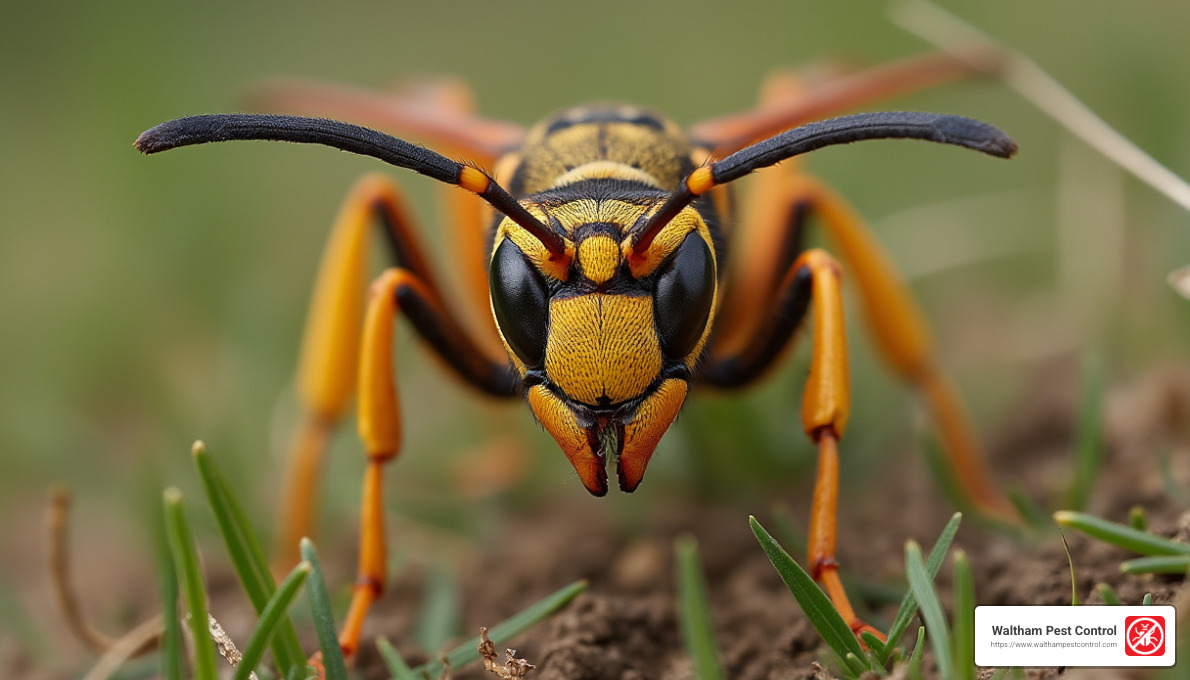
Are ground hornets aggressive? The short answer is yes, but their aggression largely depends on how their nests are disturbed. While ground hornets, also known as ground yellow jackets, are generally more aggressive than other stinging insects, they typically attack only when they feel threatened. Keeping at a safe distance from their nesting sites is vital as they are quick to defend their colony.
- Aggressive Defense: Ground hornets will protect their nests aggressively if they sense a threat.
- Painful Stings: Known for their painful stings, they can sting multiple times without dying.
- Cautious Approach: Avoiding disturbance of their habitats is crucial for safety.
These pests are vital ecologically as both pollinators and predators of other insects. Hence, managing their presence with expert help rather than DIY efforts is advisable.
Hello! I’m Waltham Pest Control, president and CEO of Waltham Pest Control. With over 40 years of experience in pest management, I’ve seen are ground hornets aggressive and the significance of understanding their behavior for effective pest control.
Understanding Ground Hornets
Ground hornets, also known as ground yellow jackets, belong to the Vespidae family. This diverse family of wasps includes both eusocial and solitary species.
Vespidae: The Family of Wasps
The Vespidae family is large, with nearly 5,000 species spread across the globe. It includes some of the most well-known wasps, like the ground hornets, which are part of the eusocial group. Eusocial wasps live in colonies with a structured social system, typically consisting of a queen and numerous female workers.
Eusocial Wasps: Community Living
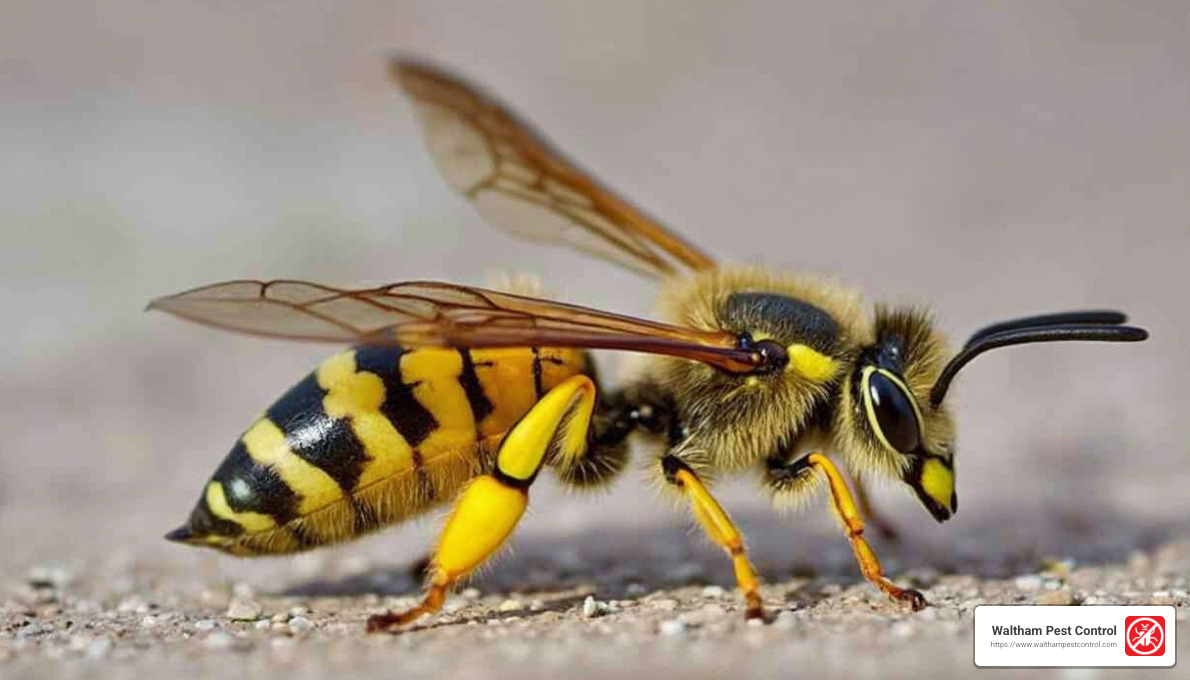
Eusocial wasps, such as ground hornets, are known for their communal lifestyle. These wasps build nests that can house thousands of individuals. Each colony has a queen and sterile female workers. The workers are responsible for foraging, caring for the young, and defending the nest. This social structure allows them to thrive and respond aggressively to any perceived threats to their colony.
- Queen: The sole egg-layer in the colony.
- Workers: Perform various tasks, including defending the nest.
- Seasonal Colonies: Colonies typically last one year, with new queens hibernating over winter.
Solitary Wasps: Lone Rangers
In contrast, solitary wasps do not form large colonies. Each female builds her own nest and raises her young independently. These wasps are generally less aggressive than their eusocial counterparts because they do not have a colony to defend. They focus on hunting and providing for their offspring.
- Independent Living: No large colonies or social structure.
- Less Aggressive: Without a colony to protect, they rarely attack unless provoked.
Understanding the difference between eusocial and solitary wasps is crucial for identifying their behavior and determining the best pest control approach. For ground hornets, their eusocial nature means they can be particularly aggressive, especially when their nest is disturbed. This makes professional pest control a safer and more effective option for managing these insects.
Are Ground Hornets Aggressive?
Ground hornets, or ground yellow jackets, can indeed be aggressive, but their level of aggression depends on several factors. Understanding these can help you avoid unwanted encounters and know when it’s time to call in professional help.
Aggressive Behavior in Ground Hornets
Ground hornets are part of the stinging insects group, known for their painful stings. Unlike bees, hornets can sting multiple times without losing their stinger. When they feel threatened, they do not hesitate to defend their nest aggressively. This is especially true for the female workers, who are the primary defenders of the colony.
Male Hornets: Less of a Threat
Interestingly, male hornets are not capable of stinging. Their primary role is to mate with the queen. So, while they might look intimidating, they pose less of a threat in terms of stinging.
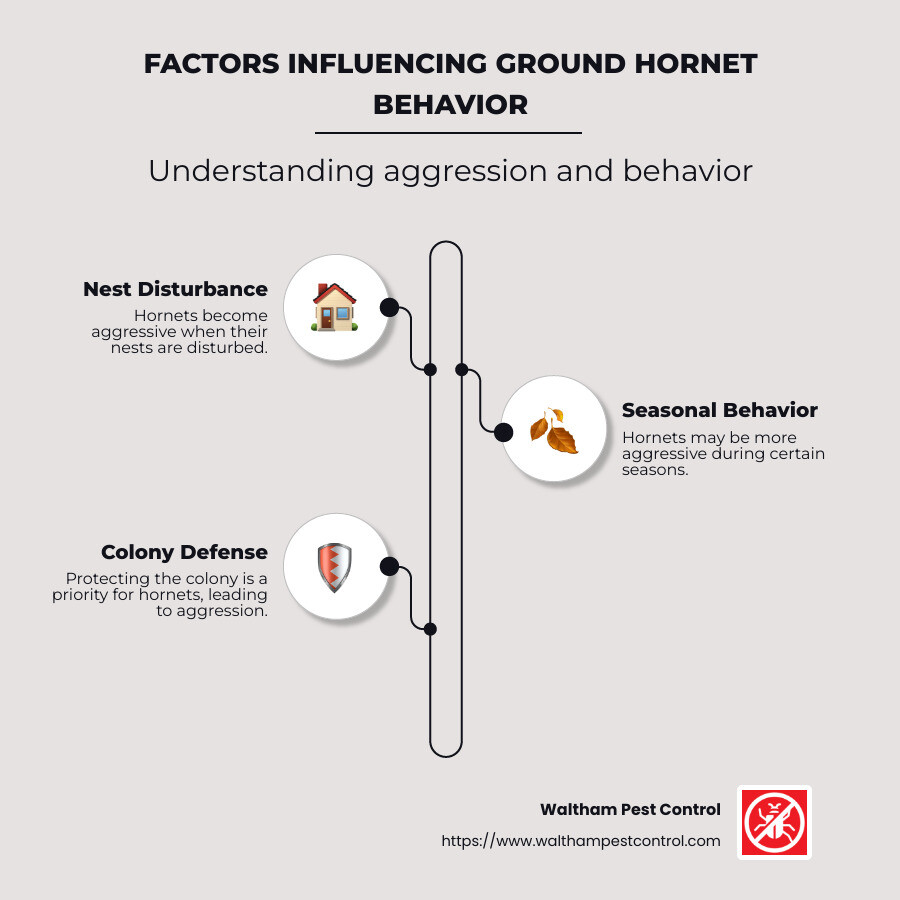
Factors Influencing Aggression
- Nest Disturbance:
- Hornets are most aggressive when their nest is disturbed. This can include accidentally bumping into their nest or even loud noises nearby.
- If a nest is knocked down, the hornets will likely swarm to defend it. As one source notes, “getting too close to them or disturbing them is a pretty good way to get stung.”
- Seasonal Behavior:
- Ground hornets tend to be more aggressive during the late summer and early fall. This is when their colonies are at their largest, and they are busy foraging for food to support their growing numbers.
- As colonies reach their peak size, they become more protective, increasing the likelihood of aggressive behavior.
Understanding these behaviors can help you avoid dangerous situations with ground hornets. If you suspect a nest is nearby, it’s best to keep your distance and contact a pest control professional. They have the tools and expertise to handle these aggressive insects safely.
Identifying Ground Hornet Nests
Ground hornets, also known as ground yellow jackets, often build their nests in places that can be tricky to spot. Recognizing these nests early can help you avoid unexpected encounters and potential stings.
Nest Location
Ground hornets typically nest in hidden spaces. They prefer areas that provide some shelter and concealment. Here are the common locations for their nests:
- Ground Nests:
- These nests are usually found underground. Hornets will often choose abandoned rodent burrows or other natural cavities in the soil.
- The entrance to a ground nest is often just a small hole, making it easy to overlook. However, you might notice increased hornet activity around the area, especially as they come and go from the nest.
- Wall Voids:
- Ground hornets can also establish nests in wall voids of buildings. This is more common in urban or suburban settings where natural ground cavities are less available.
- You might hear buzzing within the walls or see hornets entering and exiting through small cracks or openings in the building’s exterior.
How to Spot a Nest
Identifying a ground hornet nest requires keen observation. Here are some signs to look for:
- Increased Hornet Activity:
- If you see hornets flying low to the ground or frequently visiting a particular spot, it could indicate a nearby nest.
- Noise:
- In the case of wall void nests, listen for a faint buzzing sound, especially during the day when hornets are most active.
- Nest Openings:
- Look for small holes in the ground or gaps in walls where hornets are entering and exiting.
Remember: Disturbing a hornet nest can provoke aggressive behavior. If you suspect a nest is present, it’s best to maintain a safe distance and contact a professional pest control service for assistance. They have the expertise to safely and effectively address hornet infestations.
Safe Removal of Ground Hornets
Dealing with ground hornets can be daunting. These stinging insects can be aggressive, especially if their nest is disturbed. That’s why professional help is often recommended for safe and effective removal.
Why Professional Help is Recommended
Expertise and Experience
Professional pest control companies have the expertise and experience needed to handle ground hornets safely. They know the behavior of these insects and can identify the best treatment method for each situation. This expertise minimizes the risk of stings and ensures the hornets are removed efficiently.
Safety Measures
Handling hornets requires specific safety measures to prevent injuries. Professionals have the right protective gear and equipment to approach and treat hornet nests without endangering themselves or others. They also know how to manage any unexpected hornet aggression, reducing the risk of stings.
Effective Treatment Methods
Pest control companies use a variety of treatment techniques to eliminate hornet nests. These methods are often more effective than DIY solutions. Here’s how they typically approach the problem:
- Assessment and Planning:
- Technicians first assess the nest location and size to determine the best treatment strategy.
- Chemical Treatments:
- They may use approved insecticides that are effective against hornets but safe for the environment. These chemicals are applied directly to the nest to ensure all hornets are affected.
- Physical Removal:
- In some cases, physical removal of the nest is necessary. This is done carefully to avoid provoking the hornets and is typically followed by treatment to prevent re-infestation.
Peace of Mind
Hiring professionals gives you peace of mind. You know the job is done right without the stress and danger of handling it yourself. Plus, many pest control services offer guarantees, so if the hornets return, they will treat the area again.
Conclusion
If you suspect ground hornets on your property, it’s wise to contact a pest control service. They have the tools and knowledge to handle the situation safely and effectively, protecting you and your family from potential harm.
Frequently Asked Questions about Ground Hornets
Are ground hornets aggressive to humans?
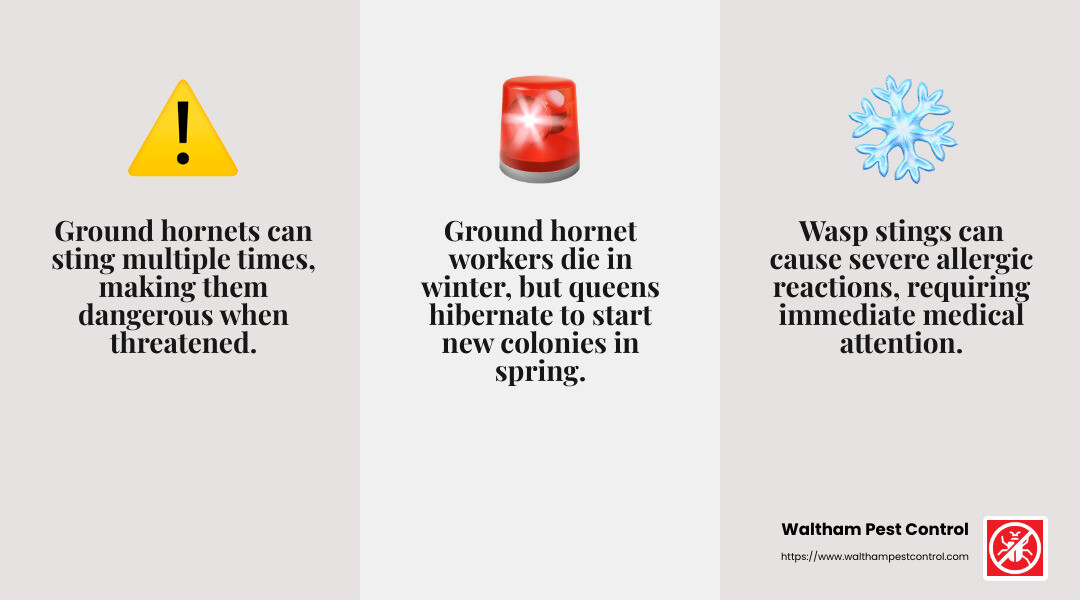
Yes, ground hornets can be aggressive, especially when their nests are disturbed. These stinging insects, part of the Vespidae family, are known to defend their colonies vigorously. Unlike bees, hornets can sting multiple times without dying, making them particularly formidable when they feel threatened.
A wasp sting can be very painful and, in some cases, can lead to severe allergic reactions. In Canada, about eight deaths per year are attributed to reactions following wasp stings. If you are allergic or experience multiple stings, it’s crucial to seek medical attention immediately.
Do ground hornets die in the winter?
Ground hornets, like many wasp species, do not survive the winter. As the cold sets in, the workers and drones die off, leaving only the queens to hibernate. These queens seek shelter in protected areas, such as attics, to survive the winter months. In the spring, they emerge to start new colonies.
Best time to kill ground hornets?
The best time to deal with ground hornets is during the late evening or early morning when they are less active. This is when most hornets are inside the nest, making treatments more effective. Additionally, cooler temperatures during these times can make hornets less aggressive and easier to manage.
For those considering DIY solutions, professional pest control services have the expertise to handle these situations safely. They can assess the nest and apply treatments that are both effective and environmentally friendly, minimizing the risk to you and your family.
Conclusion
When it comes to managing pests like ground hornets, Waltham Pest Control stands out as a reliable choice for residents and businesses in Eastern Massachusetts. With over 40 years of experience, we offer comprehensive pest management solutions custom to your specific needs.
Ground hornets can be aggressive and their nests challenging to remove safely. Our team is equipped with the knowledge and tools necessary to handle these situations effectively, ensuring the safety of your family and property. We understand the importance of addressing pest issues promptly and efficiently, which is why we provide licensed, insured, and cost-effective services.
If you’re dealing with a ground hornet problem or any other pest issue, we recommend seeking professional help to avoid the risks associated with DIY methods. Our experts are here to provide the support and solutions you need.
For more information on our services or to schedule a consultation, visit our Hornet Nest Removal page. Let us help you maintain a safe and pest-free environment in your home or business.
