
Ant spray indoor: Top 3 Safe Solutions 2025
Why Finding the Right Ant Spray Indoor Solution Matters
Ant spray indoor solutions are essential for Massachusetts homeowners facing persistent ant problems, but choosing the right product can make the difference between temporary relief and lasting control. Here’s what you need to know about indoor ant sprays:
Top Indoor Ant Spray Options:
- Natural peppermint oil sprays – Safe for kids and pets, effective repellent
- Commercial ready-to-use sprays – Convenient, scientifically formulated
- DIY vinegar-based solutions – Budget-friendly, non-toxic option
- Professional-grade treatments – Most effective for severe infestations
When you see ants marching across your kitchen counter or trailing along your baseboards, your first instinct might be to grab any spray and start attacking. But not all ant sprays work the same way – some only kill on contact while others create protective barriers. Understanding the difference is crucial for getting rid of ants for good.
The challenge with most ant spray indoor products is that they often only address the symptoms, not the source. As one pest control expert noted, “Even if your home is clean, you may unwittingly be providing ants with everything they need to subsist.” This is why many homeowners find themselves repeatedly spraying the same areas without achieving lasting results.
Natural sprays like peppermint oil-based products have gained popularity, with products like Mighty Mint earning 4.1 out of 5 stars from over 3,600 customers. These plant-based solutions offer a safer alternative for homes with children and pets, though they typically work as repellents rather than eliminators.
I’m Waltham Pest Control, President & CEO of Waltham Pest Control, and over my 40 years in the pest control industry, I’ve seen countless homeowners struggle with choosing the right ant spray indoor solution for their specific situation. The key is understanding that effective ant control requires more than just spraying – it demands a strategic approach that addresses the entire colony, not just the workers you see.
Understanding Your Ant Problem Before You Spray
Here’s something that might surprise you: grabbing the first ant spray indoor product you see could actually make your ant problem worse. I know it sounds counterintuitive, but hear me out.
When you spot those tiny invaders marching across your kitchen counter, your natural instinct is to eliminate them immediately. But those worker ants you’re seeing? They’re just the tip of the iceberg. Behind every ant you spot, there’s an entire colony with thousands more ants, including the queen who’s busy laying eggs to replace the workers you just eliminated.
The smart approach starts with a little detective work. Those ants aren’t wandering around randomly – they’re following invisible highways called pheromone trails. Think of these trails as their GPS system, leading them from food sources back to their nest. By following these trails, you can identify where they’re coming from and where they’re going.
Common entry points include cracks in foundations, gaps around windows and doors, areas near water pipes, and spaces behind appliances. From our experience with Pest: House Ants service calls, finding these access points is often more important than the spray itself.

Why Simple Spraying Isn’t Always Enough
Let me share something that might frustrate you: most ant spray indoor products only kill the ants you can see. That’s roughly 10-20% of the actual problem. The queen, her developing brood, and the majority of the colony remain safely tucked away in their nest, completely unaffected by your spray.
Contact killers work exactly as advertised – they eliminate ants on contact. But here’s the catch: when you disrupt those pheromone trails through spraying, you can actually cause the colony to panic and split into multiple smaller colonies. This process, called “budding,” can spread the problem throughout your home rather than solving it.
Many homeowners tell us they see more ants after their initial spray treatments, and this is exactly why. The colony scatters, creates new nests, and suddenly you’re dealing with multiple ant problems instead of one.
The most effective approach combines contact elimination with strategic baiting. Unlike sprays, baits are carried back to the colony where they eliminate the queen and the entire nest. This is why our Ant Bait Station Indoor service often proves more effective than spray-only treatments.
Identifying the Ant Type
Not all ants are created equal, and your ant spray indoor treatment needs to match the species you’re dealing with. Here’s what we commonly encounter in Massachusetts homes:
Common House Ants (also called Odorous House Ants) are the usual suspects. These small, dark brown ants emit a distinctly unpleasant smell when crushed – think rotten coconut. They’re attracted to sweets and moisture, and they typically respond well to both sprays and baits.
Carpenter Ants are the ones that should really get your attention. These large, black ants don’t just invade your home – they can cause serious structural damage by hollowing out wood for their nests. Simple sprays rarely work on carpenter ants because they require specialized treatment targeting their wood-boring behavior. Our How To Exterminate Carpenter Ants In House approach addresses this unique challenge.
Pavement Ants are those dark brown to black ants you commonly see on sidewalks and driveways. They’re not picky eaters and will go after various foods, often entering homes through foundation cracks.
Pharaoh Ants are tiny troublemakers with a yellow-brown color. These are particularly problematic because they can spread bacteria and have developed resistance to many common treatments.
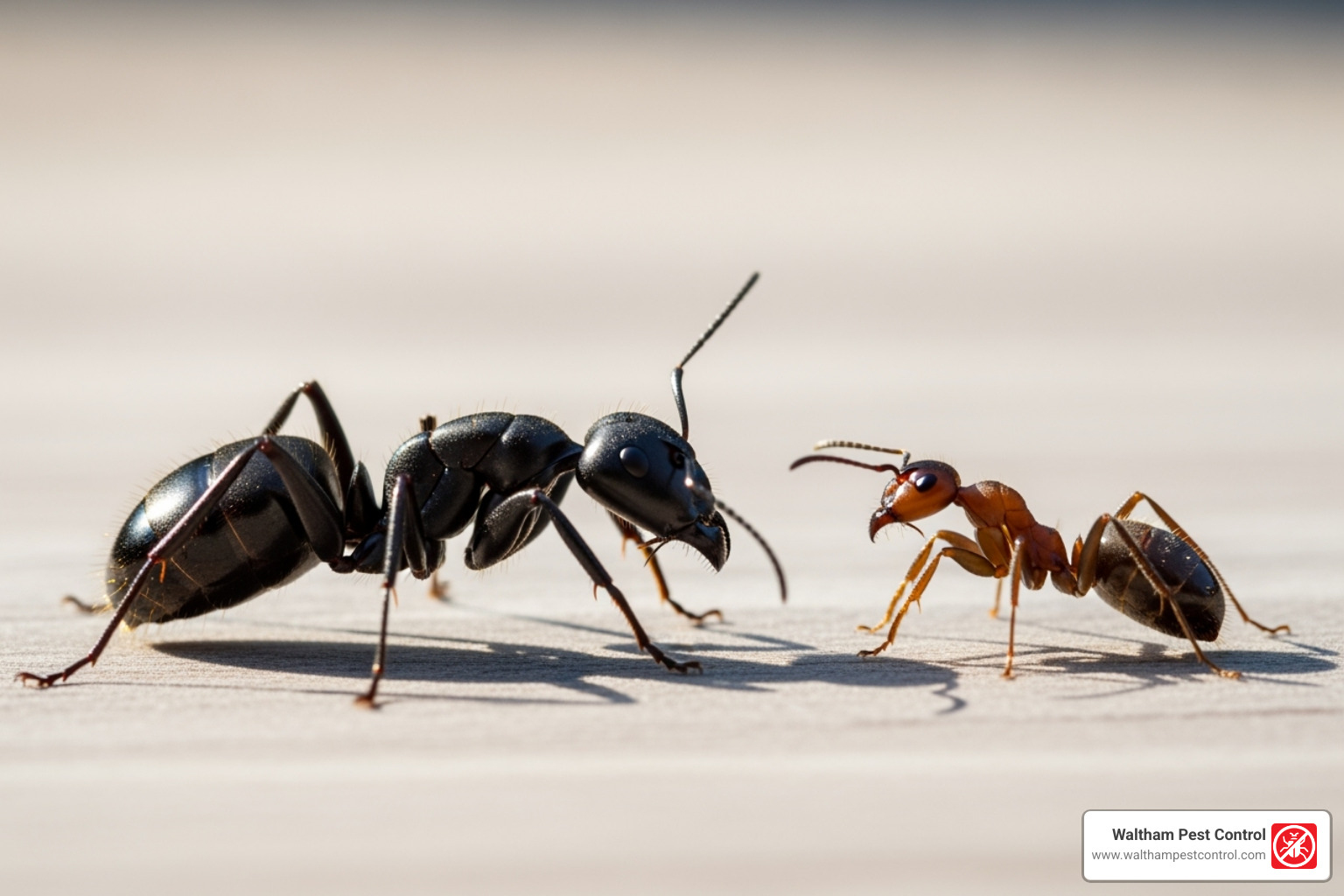
Why does identification matter so much? Because what works for common house ants might be completely ineffective against carpenter ants, and what eliminates pavement ants could actually make pharaoh ants scatter and multiply. Getting the identification right from the start saves you time, money, and frustration.
Choosing a Natural Ant Spray Indoor Solution
When you’re dealing with ants in your home, the thought of spraying harsh chemicals where your kids play and your pets sleep can be unsettling. That’s where natural ant spray indoor solutions shine – they offer peace of mind without sacrificing effectiveness for smaller ant problems.
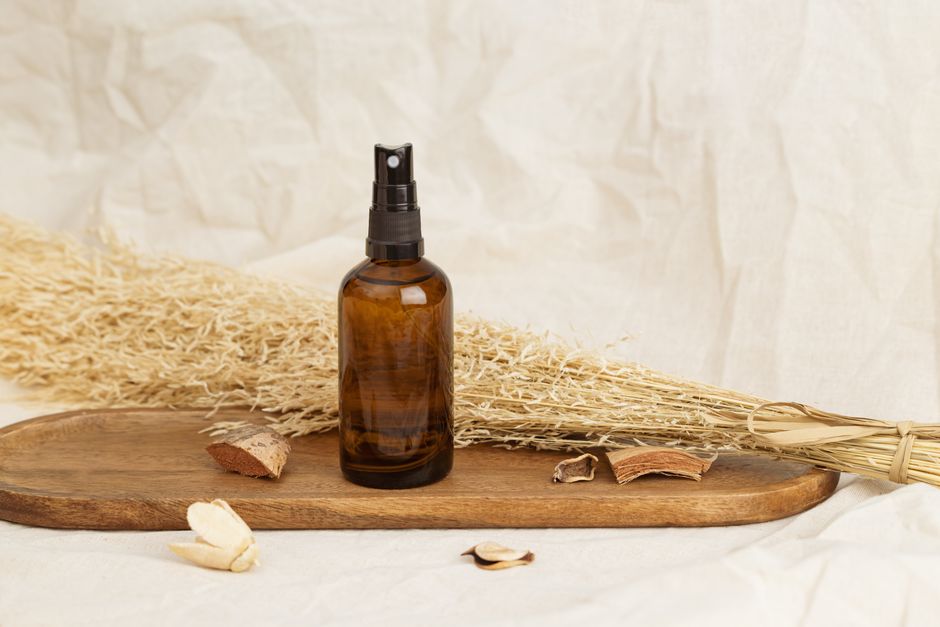
Plant-based insecticides have come a long way from the days of mixing soap and water in a spray bottle. Today’s natural formulas harness the power of essential oils like peppermint, which has been scientifically proven to disrupt ants’ ability to follow scent trails. It’s like scrambling their GPS system – they simply can’t steer to their favorite spots in your kitchen.
Peppermint oil stands out as the star ingredient in most effective natural sprays. The oil doesn’t just smell fresh to us humans; it’s actually overwhelming to ants’ sensitive antennae. Northwest peppermint essential oil, in particular, has shown remarkable results in disrupting ant behavior and deterring them from treated areas.
The safety factor is where natural sprays really win hearts. These non-toxic formulas mean you don’t have to worry about your curious toddler touching a treated surface or your dog walking through a sprayed area. The pet-safe options use ingredients like soybean oil and vegetable oils combined with essential oils – things you might already have in your kitchen.
Customer satisfaction tells the real story here. Natural peppermint-based sprays consistently earn high ratings, with thousands of homeowners choosing these products monthly. They’re ranking in the top tier of indoor pest control products, proving that you don’t always need harsh chemicals to get results.
How to Use a Natural Ant Spray Indoor
Getting the most out of your natural ant spray indoor product isn’t just about pointing and shooting. There’s a method to the madness that can make the difference between temporary relief and lasting control.
Direct application is your first line of defense when you spot ants. Spray them directly – natural sprays work as contact killers, so you’ll see immediate results. But remember, these are just the workers you can see. The real party is happening back at the colony where hundreds more ants are waiting their turn.
The magic happens with spraying baseboards and entry points. Think of it as creating an invisible fence around your home’s vulnerable spots. Apply the spray along baseboards, around door frames, near window sills, and anywhere you’ve noticed ant activity. Create a 4-inch band along these areas – you want it slightly wet but not soaking.
Here’s a pro tip from our decades of experience: clean first, then spray. Wiping down surfaces before application removes the food crumbs and sticky residues that attracted ants in the first place. It’s like removing the “Welcome” mat from your kitchen counter.
Reapplication frequency is crucial with natural products. Unlike their chemical cousins that can protect for weeks, natural sprays need refreshing every 2-3 days during active infestations, or weekly for maintenance. Think of it as watering your garden – consistency beats intensity.
Don’t forget about cleaning up to remove pheromone trails. Those invisible scent highways that ants use to steer need to be erased. A thorough cleaning with soap and water, followed by your natural spray, helps break the cycle of returning ants. For more comprehensive strategies, check out our Best Ant Control In House service.
Limitations of a Natural Ant Spray Indoor
Let’s be honest about what natural ant spray indoor products can and can’t do. While they’re fantastic for certain situations, they’re not magic bullets that solve every ant problem.
The biggest limitation is that natural sprays work primarily as repellents rather than eliminators. They’re excellent at telling ants “you’re not welcome here,” but they don’t necessarily wipe out entire colonies. It’s like putting up a “No Trespassing” sign – it works for respectful visitors but doesn’t stop determined intruders.
Natural sprays excel as contact killers – they’ll eliminate ants on the spot when you spray them directly. But here’s the catch: they only kill on contact. Once the spray dries, its killing power diminishes significantly. This means you need to be more vigilant and proactive with your applications.
The harsh reality is that natural sprays do not affect the main colony. While you’re eliminating the workers exploring your kitchen, the queen and her thousands of offspring remain safely tucked away in their nest. It’s like catching shoplifters at the store entrance while the mastermind plans the next heist from headquarters.
This is why natural sprays are best for small, localized issues. If you’re dealing with a few scout ants checking out your pet’s food bowl, natural sprays can be perfect. But if you’re seeing multiple trails of ants throughout your home, or if they keep coming back despite repeated treatments, you’re probably dealing with an established colony that needs a different approach.
Natural sprays are definitely not a solution for large infestations. When you’re seeing hundreds of ants or multiple entry points, it’s time to consider more comprehensive strategies that target the source, not just the symptoms.
The Debate: DIY vs. Commercial Sprays
Reaching for a homemade ant spray indoor recipe or buying a commercial bottle both have pros and cons. The best choice really depends on how large your infestation is and how much time you want to spend re-treating.
Kid- and Pet-Safe Homemade Ant Spray
Many Eastern Massachusetts families like the idea of mixing their own spray because they control every ingredient. The classic recipe—white vinegar, a drop of dish soap, and water—costs very little per batch and is generally safe around kids and pets. A few drops of peppermint or tea-tree oil make it smell better to you and worse to ants.
That said, DIY sprays are moderate repellents at best. They break up pheromone trails but stop working once they dry, so you’ll need to re-apply almost daily. If your goal is simply to chase away a scout or two near the dog bowl, a quick homemade mix can be enough.
Why Commercial Sprays Are Often More Effective
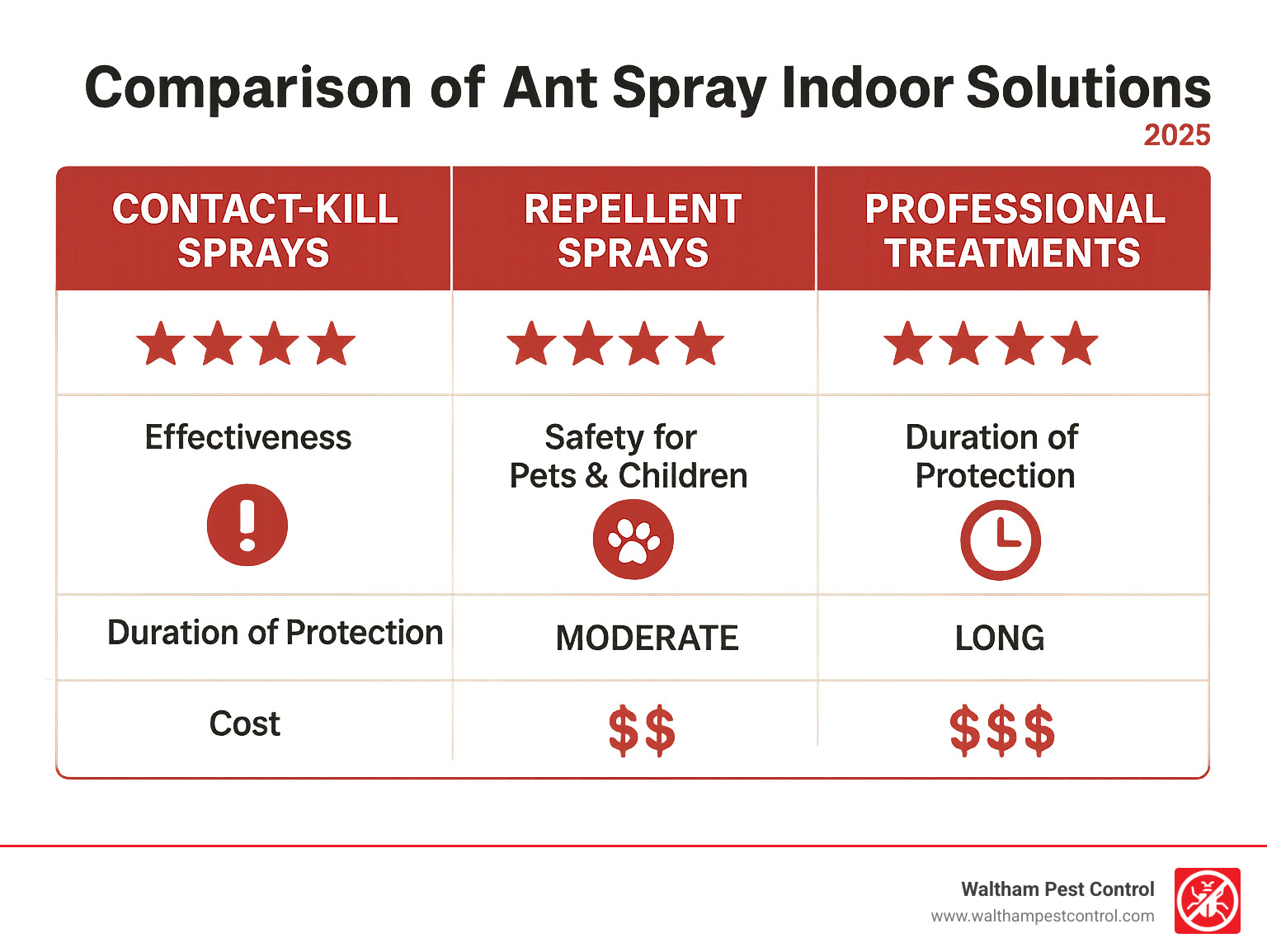
Store-bought ant spray indoor products are the result of years of laboratory testing. Balanced active ingredients—sometimes wrapped in micro-capsules—keep working for 10–30 days on average, dramatically reducing the time you spend spraying. Many formulas also contain synergists that make the main ingredient more potent.
Because commercial sprays are labelled for specific ant species, you know exactly what you’re getting. This matters: what annoys odorous house ants might merely scatter pharaoh ants. For homeowners who are curious about the science behind these products, our article on What Chemical Do Pest Control Companies Use? takes a deeper dive.
Bottom Line
• DIY: Great for light, isolated problems, very low cost, but requires frequent re-application.
• Commercial: Higher upfront cost (online sources show prices ranging from $15–$75 per bottle), but far longer residual control and species-specific labeling.
If you find yourself spraying every day and still seeing ants, sprays—homemade or commercial—only treat what you can see. A professional inspection is the quickest way to locate and eliminate the hidden colony. For a primer on ant biology and why colonies are so resilient, see the external resource on Ant behavior.
When to Call a Professional for Ant Control
There comes a point when even the best ant spray indoor products just aren’t enough. I’ve seen countless homeowners spend weeks battling the same ant trails, spraying daily only to watch new ones appear the next morning. It’s frustrating, and honestly, it’s often a sign that the problem has grown beyond what DIY solutions can handle.
The most telling sign you need professional help is when ants keep coming back to the same spots despite repeated treatments. This usually means there’s a large, established colony nearby that your sprays simply can’t reach. Persistent infestations like this require a different approach entirely – one that targets the source, not just the symptoms.
Carpenter ant sightings should trigger an immediate call to professionals. These aren’t just annoying kitchen invaders – they’re potential home wreckers. Carpenter ants hollow out wood to build their nests, and I’ve seen them cause thousands of dollars in structural damage to beautiful New England homes. When you spot these large, black ants, your ant spray indoor products won’t cut it.
Multiple ant trails throughout your home signal another red flag. When you’re dealing with ants in the kitchen, bathroom, and basement simultaneously, you’re likely facing multiple colonies or one very large infestation. At this point, the problem has moved beyond surface-level treatment.
Professional pest control offers something ant spray indoor products simply cannot: species-specific treatment strategies. Different ants require different approaches, and after 40 years in this business, I can tell you that misidentifying the species leads to failed treatments every time. Our licensed technicians know exactly which carpenter ants need gel baits versus which house ants respond better to liquid treatments.
The real advantage of professional service lies in colony elimination. While your spray might kill the workers you see, we focus on reaching the queen and destroying the entire nest. This comprehensive approach prevents the colony splitting and scattering that often happens when homeowners try to handle large infestations themselves.
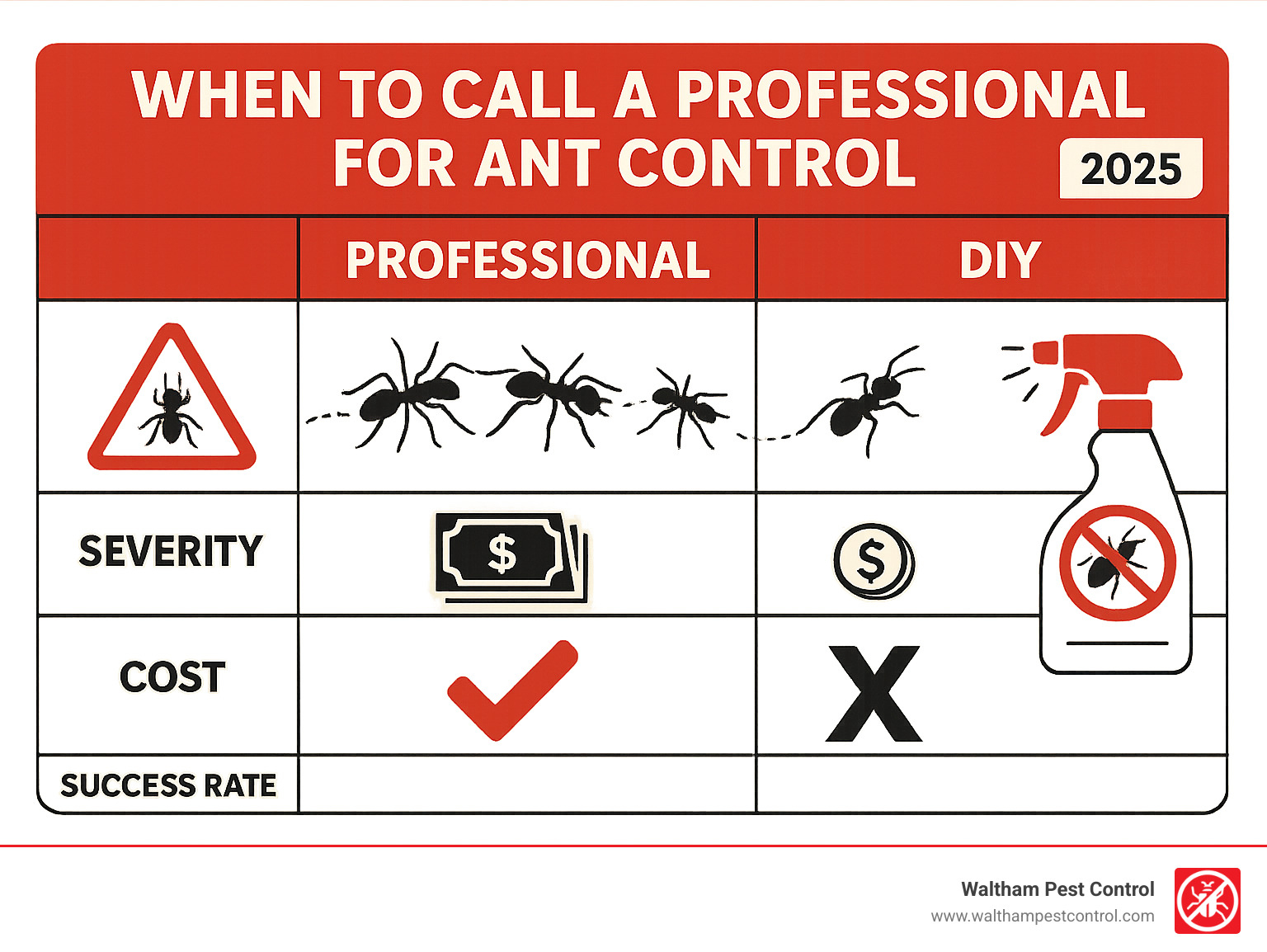
We use Integrated Pest Management techniques that combine multiple treatment methods – not just sprays, but strategic baiting, exclusion work, and habitat modification. This layered approach addresses both the immediate problem and long-term prevention, something no single ant spray indoor product can accomplish.
Here in Eastern Massachusetts, we understand the unique challenges our region presents. From the historic homes in Lexington with their settling foundations to the newer developments in Woburn, each property requires a custom approach. Our team knows exactly where ants like to hide in New England homes and how our seasonal changes affect their behavior.
The bottom line? If you’ve been spraying the same areas repeatedly without lasting results, it’s time to call in the professionals. Our Home Pest Control Solutions provide comprehensive strategies that go far beyond what any store-bought spray can offer, giving you the peace of mind that comes with truly effective ant control.
Frequently Asked Questions about Indoor Ant Sprays
When it comes to ant spray indoor products, homeowners often have similar questions about effectiveness, safety, and proper application. After four decades in the pest control industry, I’ve heard these concerns countless times, and the answers can help you make better decisions about your ant control strategy.
How long does indoor ant spray last?
The lifespan of your ant spray indoor treatment depends heavily on what type of product you’re using and where you live. Here in Eastern Massachusetts, our humid summers and frequent cleaning routines can significantly impact how long sprays remain effective.
Natural sprays containing peppermint oil or vinegar typically need refreshing every 2-3 days during active ant problems. These plant-based ingredients are wonderful for safety, but they’re also more volatile – meaning they evaporate and lose their punch relatively quickly. Think of it like the difference between fresh herbs and dried ones; the potency just doesn’t last as long.
Commercial chemical sprays offer more staying power, often maintaining effectiveness for 2-4 weeks under normal conditions. However, several factors can shorten this timeframe significantly. High humidity levels break down spray residues faster, which is why we see reduced effectiveness during our muggy July and August weather. Surface type matters too – porous surfaces like unsealed wood absorb sprays, reducing their longevity compared to sealed surfaces.
Your cleaning habits also play a role. Regular mopping and wiping naturally remove spray residues, so areas that get cleaned frequently will need more frequent reapplication. Even UV exposure from sunny windows can degrade many active ingredients over time.
Is it safe to spray ant killer in the kitchen?
Kitchen safety is absolutely the top priority when using any ant spray indoor product around food preparation areas. The good news is that many modern formulations are designed with food safety in mind, but proper application technique makes all the difference.
Reading product labels isn’t just a suggestion – it’s essential for kitchen use. Food-safe products will clearly state their suitability for use around food areas, while others may require more careful application. Natural sprays containing peppermint oil, vinegar, or other food-grade ingredients generally offer the safest option for kitchen environments.
Before applying any spray, remove or cover all food, dishes, and utensils. Focus your application on cracks, crevices, and areas where ants travel but food preparation doesn’t occur. The key is targeting ant highways rather than broad surface spraying. Think baseboards, cabinet edges, and spaces behind appliances where ants sneak through but you don’t chop vegetables.
After treatment, allow sprayed surfaces to dry completely before any food contact occurs. Wiping down counters and food preparation surfaces provides an extra layer of safety, even when using food-safe products. This simple step removes any residue while maintaining the protective barrier in areas where ants actually travel.
Why do I see more ants after spraying?
Don’t panic if you notice increased ant activity after applying ant spray indoor products – this is actually more common than you might think. In my experience, this phenomenon often indicates that your treatment has disrupted the colony’s normal operations, which can temporarily increase visible activity.
Disrupted pheromone trails are usually the primary culprit. When you spray ant trails, you’re essentially erasing their invisible highways. Imagine if someone suddenly removed all the street signs in your neighborhood – you’d probably drive around more, trying different routes to reach your destination. Ants do the same thing when their chemical navigation system gets disrupted.
Sometimes spraying can cause colony scattering, where improper treatment splits one colony into multiple smaller ones. This is particularly problematic because instead of one centralized problem, you now have several distributed throughout your home. It’s like trying to solve a puzzle by shaking the box – the pieces just spread out more.
Increased foraging behavior often occurs when colonies feel stressed or threatened. The remaining workers may intensify their search for food and new nesting sites, making them more visible during the day when you’re most likely to notice them.
If you continue seeing more ants 3-4 days after treatment, it’s a strong indication that your current approach isn’t addressing the root problem. This is when the limitations of surface spraying become apparent – you’re treating the symptoms rather than eliminating the source. Professional intervention becomes valuable at this point because we can identify and eliminate entire colonies rather than just the workers you see marching across your counter.
Conclusion
Finding the right ant spray indoor solution is just the beginning of effective ant control. After helping thousands of Massachusetts homeowners over the past four decades, I’ve learned that the most successful approach isn’t about finding one perfect product – it’s about understanding that lasting ant control requires a comprehensive strategy.
The reality is that ant spray indoor products work best as part of what we call Integrated Pest Management (IPM). This means combining your chosen spray with other tactics like strategic baiting to eliminate entire colonies, habitat modification to remove what attracts ants, and exclusion techniques to seal entry points. Think of it like treating a cold – you might take medicine for symptoms, but you also rest, drink fluids, and avoid spreading germs.
What makes ant control particularly challenging in Eastern Massachusetts is our unique combination of factors. Our historic homes often have countless tiny entry points that ants love to exploit. Our seasonal weather changes drive ants indoors when it gets too hot, cold, or wet outside. And we have several ant species that each respond differently to treatments – what works perfectly for odorous house ants might be completely ineffective against carpenter ants.
The key to long-term success is patience and consistency. Whether you choose natural peppermint oil sprays for their family-friendly safety or commercial formulations for their lasting power, you’ll need to stick with your treatment plan for weeks, not days. Ant colonies are incredibly resilient, and it takes time to break their established patterns and eliminate their populations.
I’ve seen too many homeowners get frustrated after a few days of treatment, thinking their chosen ant spray indoor product isn’t working. But ant control is more like tending a garden than flipping a light switch – it requires ongoing attention and the right combination of approaches for your specific situation.
For homeowners dealing with persistent problems, some situations simply require professional expertise. When you’re facing carpenter ants that could damage your home’s structure, or when multiple DIY attempts haven’t solved the problem, calling in licensed professionals isn’t giving up – it’s making a smart investment in your home’s protection.
At Waltham Pest Control, we’ve spent over 40 years learning the specific challenges that Eastern Massachusetts homeowners face. From the sandy soils of Burlington that pavement ants love, to the older homes in Concord with their multiple entry points, we understand what works in our region. Our approach combines the latest pest control technology with decades of local experience to deliver results that actually last.
Don’t let ants turn your home into their playground. Whether you’re just starting to see a few scouts or you’re dealing with established trails throughout your house, the right strategy can restore your peace of mind and protect your investment. Contact us for a professional pest inspection and reclaim your home from ants!
