

I have a raccoon in my yard: 5 Steps 2025
When a Masked Bandit Visits Your Property
I have a raccoon in my yard – this findy can quickly turn a peaceful evening into a moment of concern. Here’s what you need to know right away:
Immediate Steps:
- Don’t approach the raccoon directly
- Keep pets and children inside until the situation is assessed
- Remove food sources like pet food, bird feeders, and unsecured garbage
- Observe from a distance to determine if it’s just passing through or has settled in
- Look for signs of illness like stumbling, aggression, or disorientation
When to Call Professionals:
- Multiple raccoons present
- Signs of denning (consistent presence, babies, or damage)
- Raccoon appears sick or aggressive
- Property damage is occurring
Finding a raccoon in your yard doesn’t always mean you have a serious problem. These intelligent, adaptable animals often wander through suburban neighborhoods searching for food and shelter. However, distinguishing between a passing visitor and a raccoon that’s decided to make your property home is crucial for your family’s safety and your property’s protection.
Raccoons are carriers of diseases like rabies and raccoon roundworm, and they can cause significant property damage if they gain access to your home. They’re also surprisingly strong – ranging from 11 to 57 pounds – and can become aggressive when cornered or protecting their young.
As Waltham Pest Control, President & CEO of Waltham Pest Control with over 40 years of experience in Eastern Massachusetts, I’ve helped countless homeowners who say “I have a raccoon in my yard” safely resolve their wildlife concerns. My team and I understand that each raccoon situation requires a careful, professional approach to ensure both human safety and humane treatment of these remarkable animals.
Handy i have a raccoon in my yard terms:
Is It Just a Visitor or a Real Problem?
Raccoons thrive anywhere they can grab an easy meal or locate a snug hideout. A single sighting at night usually isn’t cause for alarm, but a pattern of activity means it’s time to act.
Fast checklist – is it moving on or moving in?
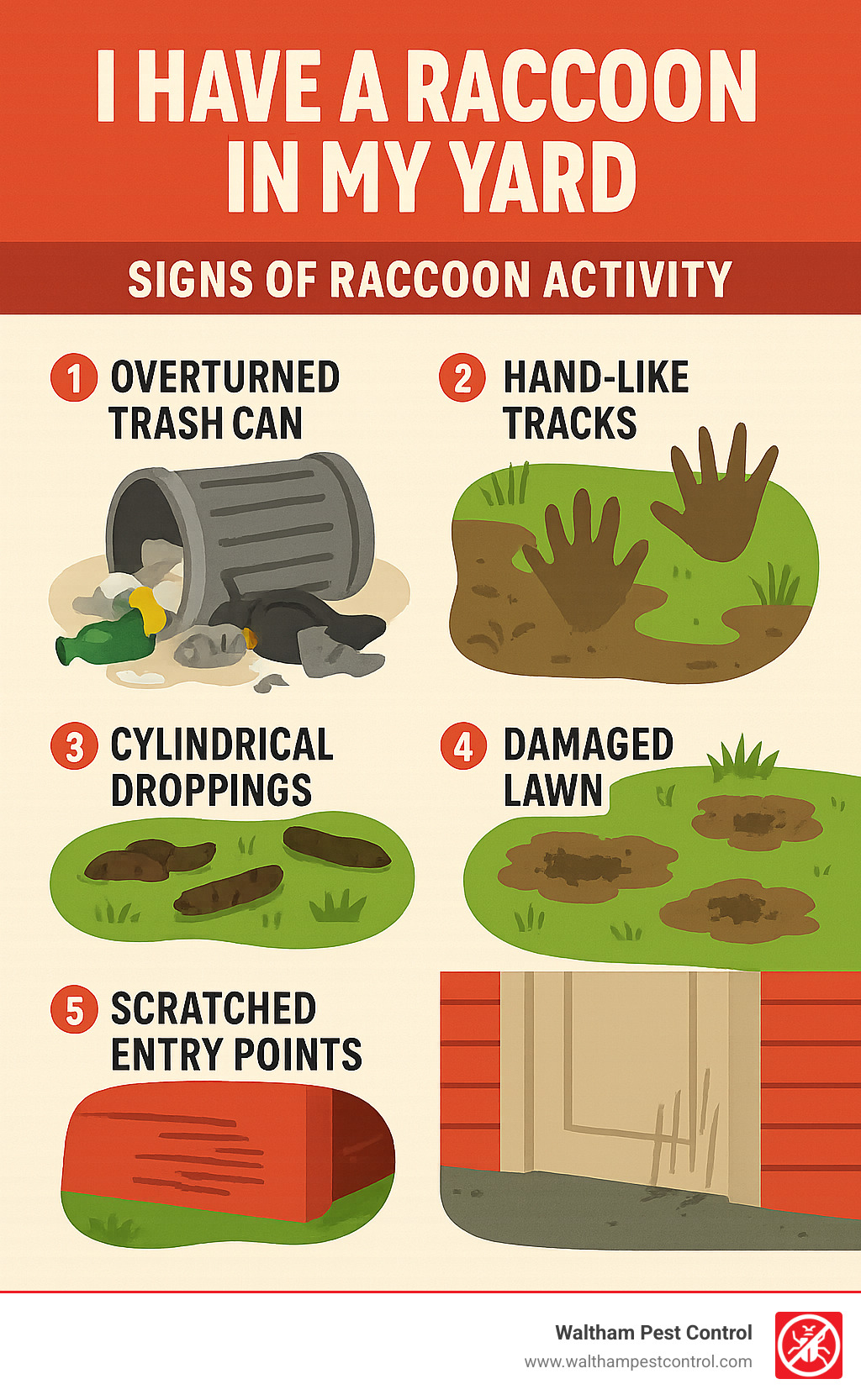
- Tracks & toppled trash: Hand-shaped prints in mud and garbage strewn about two or more nights in a row.
- Latrines: Repeated piles of 3/4-inch wide droppings in the same spot.
- Property damage: Rolled sod, torn soffits, or holes along the roofline.
- Noise: Scratching or chattering from the attic or chimney at dawn or dusk.
- Sightings of a mother with kits: Virtually guarantees a den on-site.
If two or more boxes are checked, you likely have a resident rather than a tourist.
What’s drawing them to you?
Unsecured trash, pet food left out overnight, fallen fruit, spilled bird seed, koi ponds, and accessible shelter (decks, sheds, attics) are the big six. Removing even one of these temptations often sends wandering raccoons elsewhere.
For more detail on common warning signs, see Pest: Raccoons and our guide on Raccoons Tearing Up Yard.
Understanding the Risks: Damage and Disease
When “I have a raccoon in my yard” turns into “I have a raccoon in my house,” the stakes rise quickly. These animals combine strength, dexterity, and smarts, allowing them to create outsized damage in a short time.
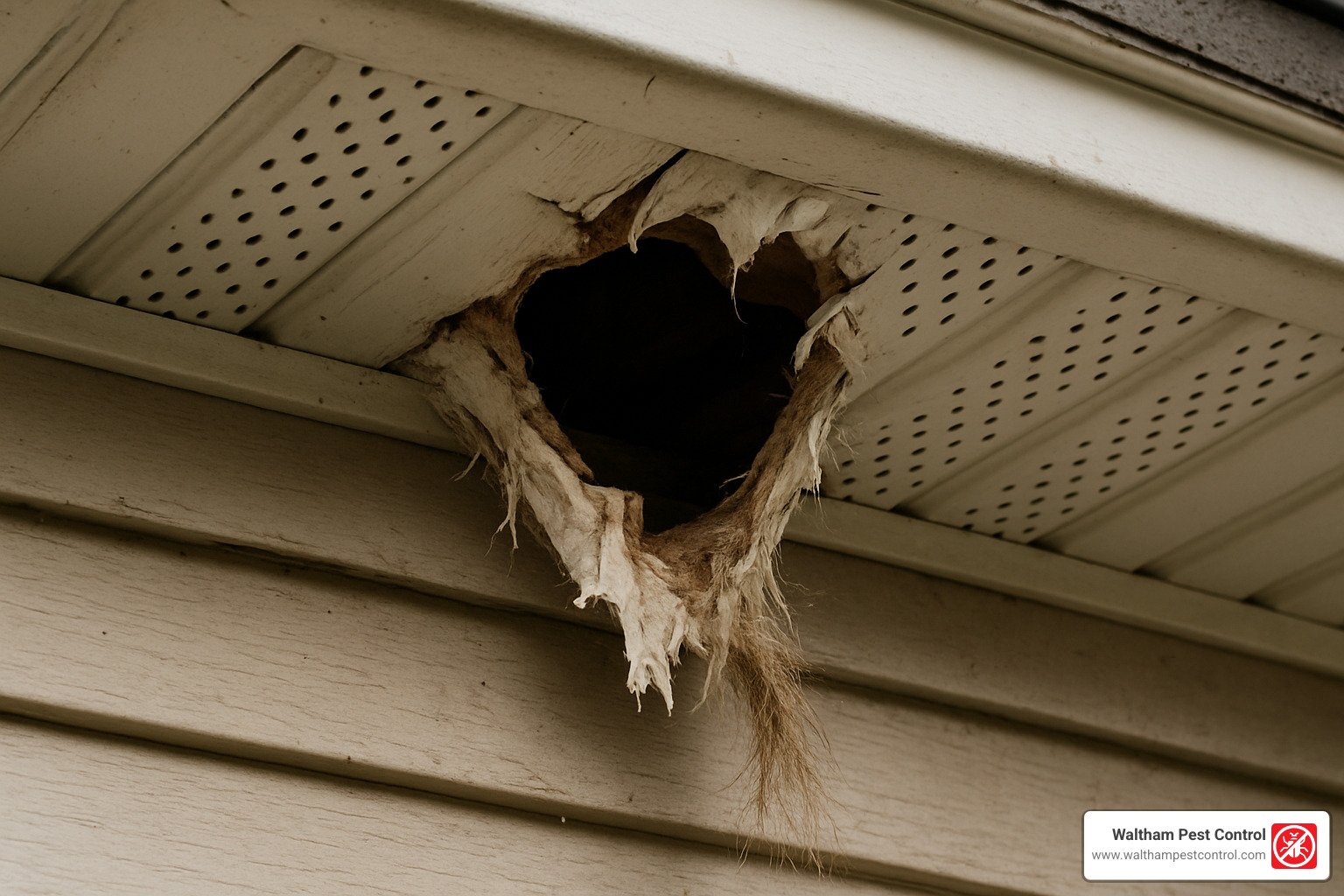
Property damage-at-a-glance
- Roof shingles torn up, soffits ripped open (entry holes can start at 3.5 inches and grow fast)
- Attic insulation saturated with urine and feces, requiring costly replacement
- Chewed wiring and damaged HVAC ductwork – both genuine fire and air-quality hazards
- Lawns rolled back like carpet while digging for grubs; vegetable beds raided
- Poultry coops breached and outdoor furniture scratched or toppled
Health hazards you shouldn’t ignore
- Rabies: Raccoons represent nearly 30 % of reported wild rabies cases in the U.S.
- Baylisascaris (raccoon roundworm): Microscopic eggs in feces can survive for years and cause severe neurological illness if ingested.
- Leptospirosis: Bacteria shed in urine; infection can lead to kidney or liver damage.
- Pet threats: Unvaccinated dogs risk distemper and rabies; cats can pick up parasites.
Cleaning raccoon latrines safely requires respirators, disposable suits, and adherence to CDC guidelines. Professional Raccoon Latrine Removal is usually the only practical option.
I Have a Raccoon in My Yard: What Are My Next Steps?
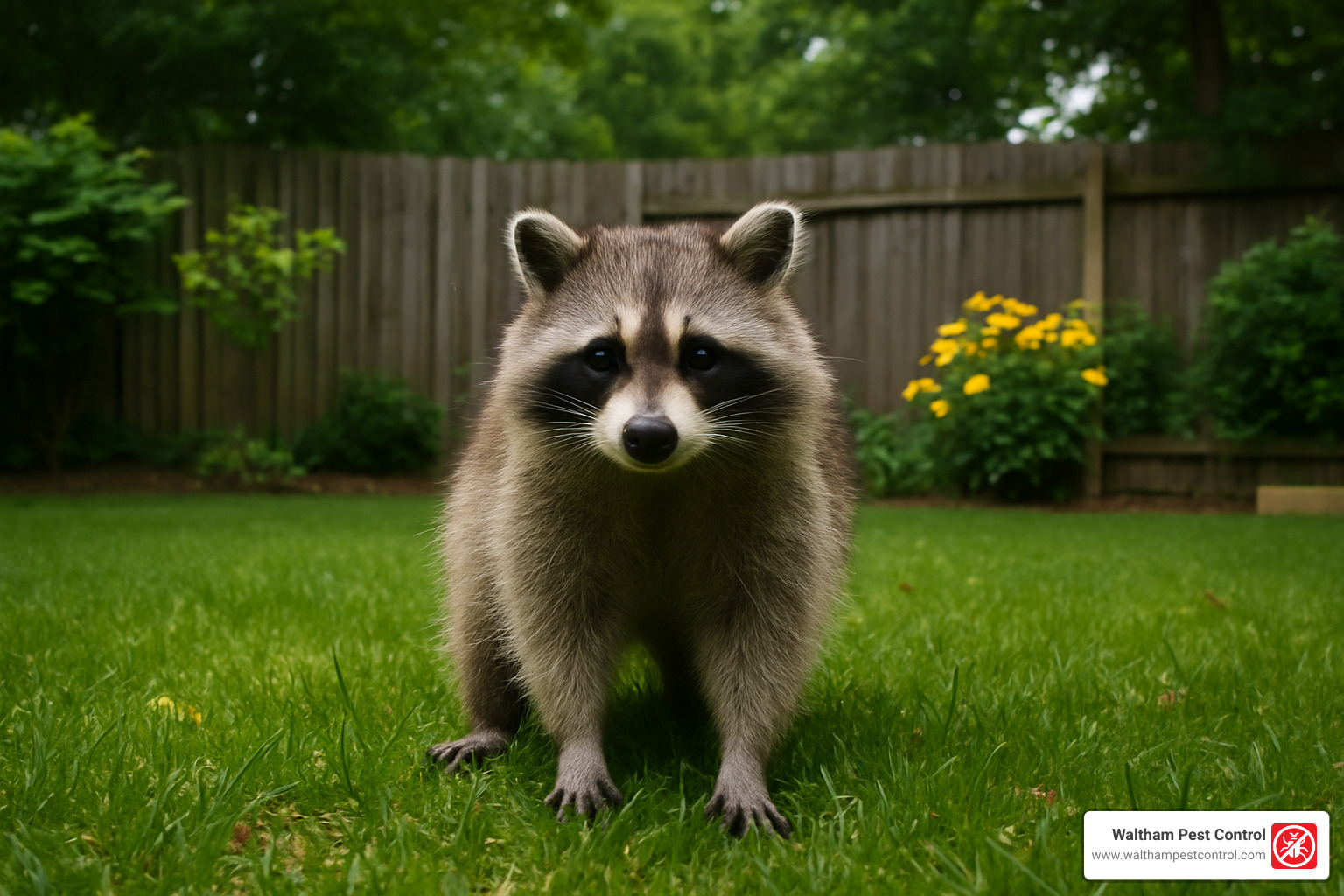
Stay calm, keep your distance, and run through this three-part plan.
1. Remove the welcome mat
- Lock garbage lids with bungees or weights.
- Bring pet food and water indoors every night.
- Clean bird-seed spills; pick up fallen fruit.
- Add motion-activated lights or sprinklers.
(Skip mothballs, ammonia, and “predator scents” – raccoons ignore them.)
2. Know when it’s an emergency
Call animal control immediately if a raccoon is stumbling, circling, unusually aggressive, or active in bright daylight while showing any of those symptoms. Keep kids and pets inside and observe only from a safe distance.
3. Bring in licensed help for anything beyond a fleeting visitor
DIY trapping is risky, frequently illegal in Massachusetts, and often separates mothers from kits. Professionals:
- Use humane, state-approved traps and handle nursing families correctly
- Carry vaccination and protective gear that reduce disease exposure
- Seal entry points so the problem doesn’t return
Our Raccoon Trapping Services and broader Wildlife Control Services cover removal, cleanup, and exclusion.
Average cost snapshot
Note: Prices below are averages pulled from public internet sources – they are not quotes from Waltham Pest Control.
| Situation | Typical Range |
|---|---|
| One raccoon, easy access | $200 – $350 |
| Attic family with cleanup | $500 – $1,200 |
| Extensive structural repairs | $1,500 – $3,000+ |
High-end projects run at least three times the basic trapping fee because they include insulation replacement, wiring repair, and full decontamination.
Long-Term Prevention: How to Keep Raccoons Away
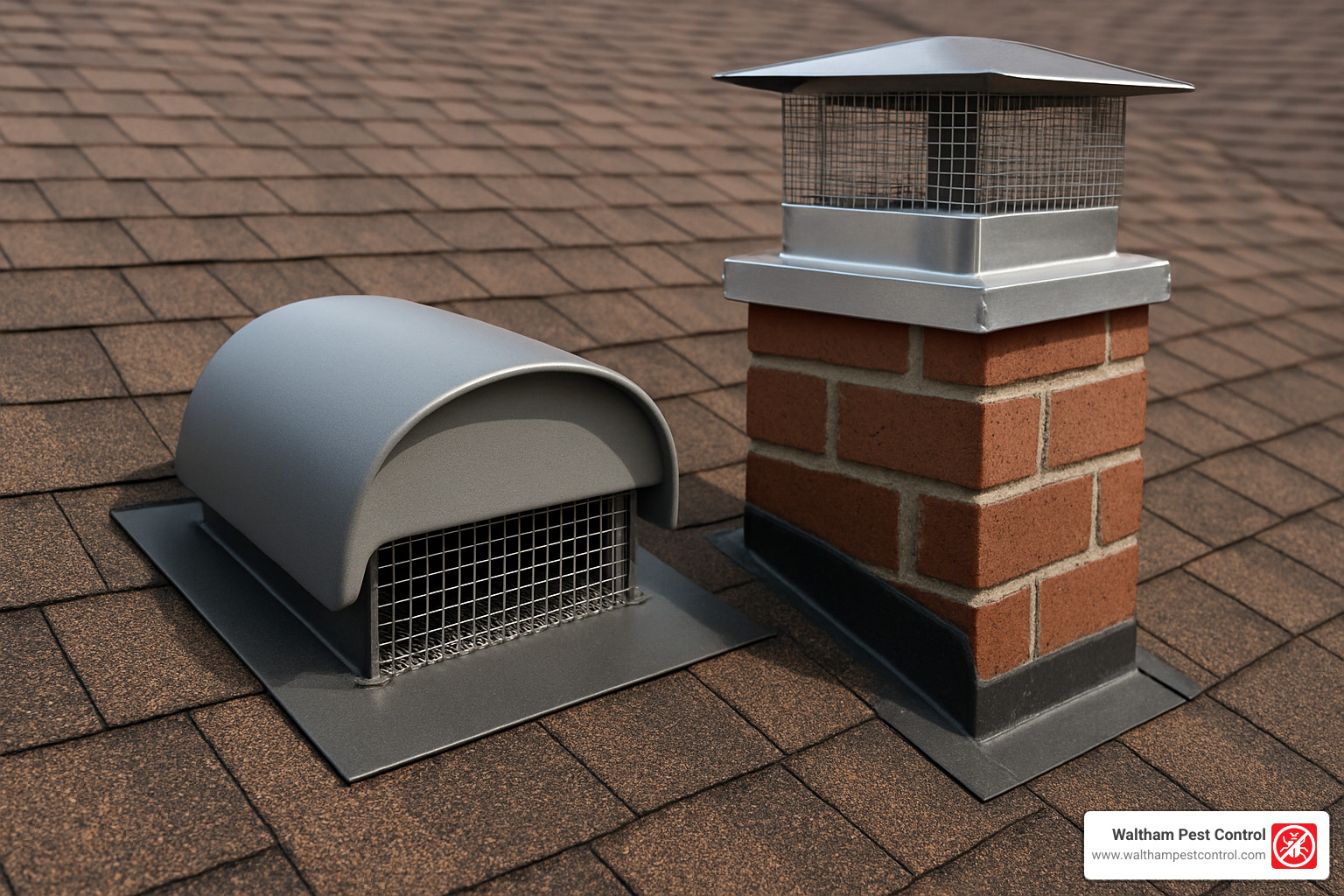
A few weekend projects now will save costly repairs later.
Button up the house
- Repair or screen soffits, fascia gaps, roof and attic vents.
- Install a chimney cap and reinforce areas under decks or sheds with ¼-inch hardware cloth.
- Trim tree limbs at least 6 ft from the roof.
Make the yard boring
- Store trash inside a garage or with wildlife-proof lids.
- Remove ripe or fallen fruit and secure compost with locking tops.
- Control lawn grubs – fewer bugs, fewer raccoons.
- Fence vegetable beds with sturdy wire; harvest produce promptly.
- Drain standing water and bring in pet bowls at night.
For a customized exclusion plan, explore our Get Rid of Raccoons in Yard service.
Frequently Asked Questions about Raccoons in the Yard
When you find yourself saying, “I have a raccoon in my yard,” it’s natural to have a lot of questions. Let’s address some of the most common concerns homeowners have about these clever creatures.
Is it normal to see a raccoon during the day?
It’s a common misconception that seeing a raccoon during the day always means it’s sick or rabid. While sick animals can be active at unusual times, it’s actually quite normal to spot a raccoon during daylight hours for several innocent reasons.
For instance, nursing mothers often forage during the day. They need extra food to support their young and might be more active when their usual nocturnal hunting grounds are less competitive. If a raccoon’s den has been disturbed, it might be forced to seek new shelter during the day. Also, raccoons, especially those living in urban and suburban areas, are highly adaptable and sometimes adjust their routines to find food when it’s most available.
However, it’s wise to be cautious if you see a raccoon exhibiting unusual behavior. Keep a safe distance and observe if it shows any signs of illness like stumbling, appearing disoriented, circling, unusual vocalizations, or aggression (such as a lack of fear toward humans). If you notice these symptoms, it’s best to contact your local animal control.
Will a raccoon in my yard attack my dog or cat?
Raccoons generally prefer to avoid confrontation, especially with larger animals like dogs or cats. They’re usually quite timid and will try to flee rather than fight. However, there are specific situations where a raccoon might become aggressive:
A raccoon that feels cornered or trapped will defend itself vigorously, using its sharp claws and teeth. Similarly, a mother protecting her young can be incredibly fierce. If a raccoon is sick or rabid, its behavior can be unpredictable and aggressive. Lastly, competition for food can sometimes lead to conflicts if your pet tries to access a food source the raccoon considers its own.
To protect your beloved pets, it’s always best to be proactive. Supervise your pets when they are outdoors, especially during dawn and dusk when raccoons are most active. We recommend keeping cats indoors at night. Always bring pet food inside after feeding times, and ensure your pets are vaccinated against rabies and other diseases. If you know raccoons are active in your area, using a leash for your dog during walks can prevent unexpected encounters.
Can I trap a raccoon myself and relocate it?
While your first instinct might be to trap a raccoon and move it away, we strongly advise against attempting to trap or relocate raccoons yourself. There are several critical reasons why this is not a safe or effective solution:
Firstly, legal considerations are a major factor. Wildlife trapping and relocation are often subject to strict state and local laws. In many areas, it’s simply not legal for unlicensed individuals to trap and relocate raccoons due to concerns about disease transmission and animal welfare.
Beyond the legal aspect, there are significant practical problems and ethical concerns. Relocated raccoons often have low survival rates in unfamiliar territory, as they struggle to find food, water, and shelter, or they might face competition from existing wildlife populations. Raccoons also have strong territorial behavior and will often try to return to their original home, sometimes traveling surprising distances. If you trap a mother raccoon and move her, you risk separating her from her young, leaving the babies to die slowly in your attic or walls, which can lead to even bigger problems. Lastly, there’s a considerable injury risk to both yourself and the animal during trapping and handling.
For these reasons, it is always safer and more humane to hire a licensed professional. Experts like our [Animal Trapper Near Me](https://walthampestcontrol.com/animal-trapper-near-me/) services have the proper training, equipment, and legal authority to handle raccoon situations safely and effectively, ensuring a humane outcome for the animal and peace of mind for you.
Conclusion
When you find yourself thinking “I have a raccoon in my yard,” remember that you’re not facing an impossible problem. With the right knowledge and approach, most raccoon situations can be resolved safely and effectively.
The journey starts with careful assessment from a safe distance. Is this a passing visitor attracted by easily accessible food, or have you finded signs of a more permanent resident? Understanding this difference shapes your entire response strategy.
Quick action makes all the difference. Removing attractants like unsecured garbage, pet food, and bird feeders immediately signals to raccoons that your property isn’t the easy meal ticket they hoped for. Sometimes, this simple step is enough to send a casual visitor on their way.
However, if you’ve identified signs of established residence – consistent sightings, property damage, or sounds from your attic – professional intervention becomes essential. Trying to handle an entrenched raccoon family, especially mothers with young, requires expertise that goes far beyond what most homeowners possess.
Health and safety concerns cannot be overlooked. Raccoons carry serious diseases like rabies and raccoon roundworm, and their strength and intelligence make them formidable opponents when cornered. What might seem like a simple wildlife encounter can quickly become a dangerous situation requiring immediate professional attention.
Throughout Eastern Massachusetts, from the suburbs of Burlington to the neighborhoods of Boston, our team at Waltham Pest Control has helped countless families steer these exact challenges. Over four decades of experience has taught us that every raccoon situation is unique – what works for a single raccoon in a backyard might be completely inappropriate for a family that’s moved into your chimney.
Prevention remains your best long-term strategy. Securing entry points, maintaining your property, and eliminating attractants creates an environment where raccoons simply don’t want to stay. It’s far easier and more cost-effective to prevent problems than to solve them after they’ve become established.
The peace of mind that comes from professional resolution cannot be overstated. When you’re dealing with the safety of your family, pets, and property, trusting licensed and insured experts ensures that the job is done right the first time. Our humane approach respects both your needs and the welfare of the animals involved.
For lasting peace of mind and a guaranteed solution to your raccoon problem in Eastern Massachusetts, trust the licensed and insured experts at Waltham Pest Control. We understand that when you say “I have a raccoon in my yard,” you need solutions that work – not temporary fixes that leave you dealing with the same problem weeks later.
Contact us for humane raccoon control services and let our four decades of wildlife management experience work for you. Your family’s safety and your property’s protection are too important to leave to chance.
