
Top rated termite companies near me: Smart 2025 Guide
Why Finding the Right Termite Company Matters More Than You Think
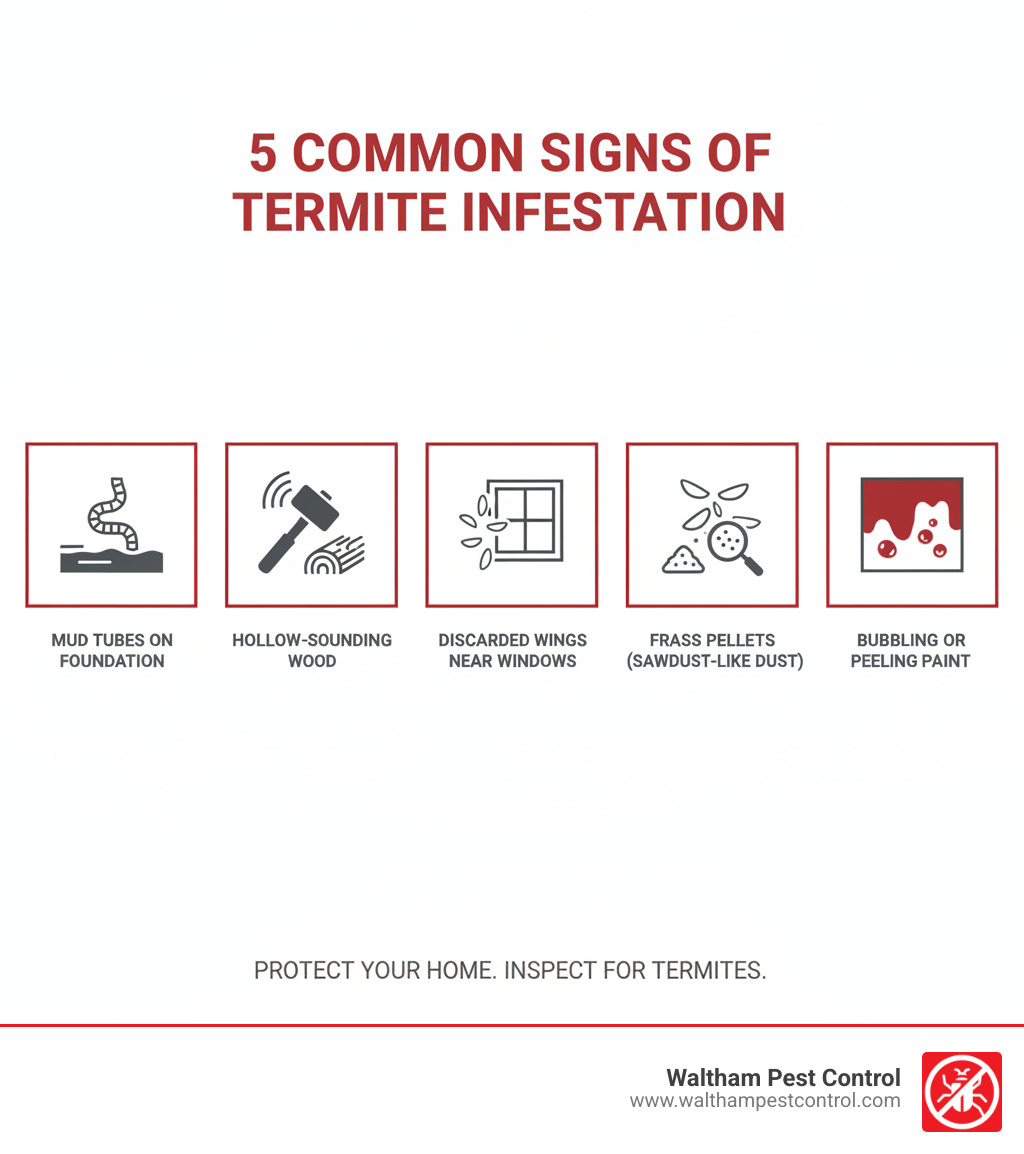
Searching for top rated termite companies near me can be the difference between catching an infestation early and facing thousands in structural repairs. Termites are silent destroyers, causing billions of dollars in property damage across the U.S. each year. Over 600,000 homes are affected annually, and damage often happens behind the scenes, long before homeowners spot the signs—like mud tubes, hollow-sounding wood, or discarded wings.
Key Factors When Choosing a Termite Company:
- Licensed and Insured – Verify state certifications and liability coverage
- Experience – Look for companies with 10+ years serving your local area
- Treatment Options – Quality companies offer multiple methods (liquid treatments, baiting systems, fumigation)
- Guarantees – Top-rated providers offer warranties and re-treatment guarantees
- Customer Reviews – Check multiple sources beyond just Yelp ratings
- Inspection Services – Free or low-cost initial inspections ($75-$150 average)
The good news is that the right professional termite company can stop these pests and protect your biggest investment. This isn’t just about finding any pest control company; it’s about finding one with the expertise, tools, and commitment to do the job right the first time.
I’m Waltham Pest Control, President & CEO of Waltham Pest Control. For over 40 years, I’ve helped thousands of Massachusetts homeowners find top rated termite companies near me and protect their properties. Let me walk you through what to look for.
Know your top rated termite companies near me terms:
- how to choose a termite control company
- how do pest control companies treat for termites
- best termite treatment
Is Your Home a Termite Buffet? Spotting the Telltale Signs
Termites are sneaky and can damage your home’s structure for years without you noticing. However, they do leave clues. Learning to spot these warning signs early can save you thousands and help you find top rated termite companies near me before the damage gets out of hand.
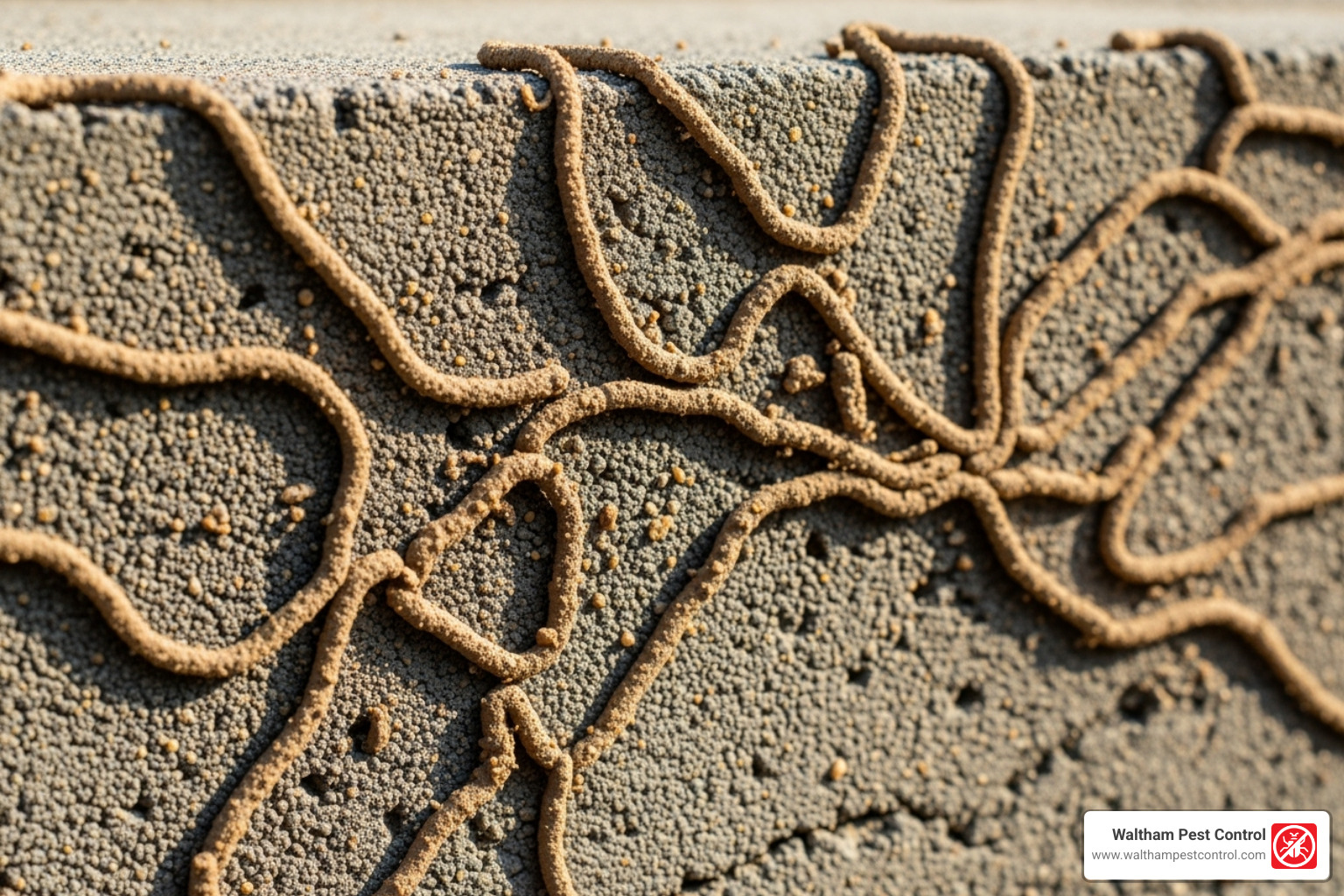
- Mud Tubes: Subterranean termites build pencil-thin tunnels on foundations or walls to travel from their underground colony to your home’s wood. Spotting these is a sure sign of an active infestation.
- Hollow-Sounding Wood: Tap on your baseboards and door frames. If the wood sounds hollow or dull, termites may have eaten it from the inside out, leaving just a thin outer shell.
- Discarded Wings: Piles of small, translucent wings near windows or lights mean termites have recently swarmed to start new colonies. This is a clear sign they have moved in.
- Frass Pellets: Drywood termites, which live inside wood, leave behind tiny droppings called frass. These pellets look like sawdust or coffee grounds and pile up near infested areas.
- Bubbling or Peeling Paint: This is often mistaken for water damage, but moisture from termites tunneling beneath the surface can cause paint to blister and peel.
- Warped Doors and Windows: When termites compromise structural wood, it can warp or sag. Doors that suddenly stick or floors that feel springy can indicate a long-term infestation.
If you notice even one of these signs, don’t wait. A professional inspection is your best bet, as trained technicians can spot problems homeowners often miss. For more information, check out our guide on pest inspections.
Your Termite Battle Plan: Understanding Treatment Options
Once termites are confirmed, it’s time for action. Modern termite control offers several effective options, but there’s no one-size-fits-all solution. The right treatment depends on the termite species, infestation size, and your property’s layout. Let’s review the main approaches top rated termite companies near me might recommend.
Liquid Treatments vs. Termite Baiting Systems
These are the two primary methods for fighting subterranean termites, the most common type in our Massachusetts service area.
Liquid treatments create an invisible chemical barrier in the soil around your foundation. We apply a non-repellent termiticide that termites can’t detect. As they tunnel through it, they carry the product back to the colony, transferring it to others and leading to total elimination. Professional liquid treatments typically provide protection for 5 to 7 years. Borate wood treatments can also be applied directly to wood for preventative protection.
Baiting systems use strategically placed stations containing a slow-acting bait that termites find irresistible. They consume the bait and share it with their nest-mates, eliminating the colony over time. Baiting systems require ongoing attention, with stations needing regular monitoring and replenishment, typically on an annual basis.
Here’s a quick comparison:
| Feature | Liquid Treatments | Baiting Systems |
|---|---|---|
| Method | Creates a treated soil barrier | Termites feed on and share bait |
| Termiticide | Applied directly to soil | Contained within bait stations |
| Colony Impact | Termites pick up and transfer chemical to colony | Termites consume and share bait, eliminating colony |
| Longevity | 5-7 years (with professional application) | 1 year (with ongoing monitoring and replenishment) |
| Invasiveness | Requires trenching/drilling around foundation | Less invasive, stations placed in ground |
Both methods are highly effective when applied by licensed professionals. Liquid treatments offer longer-lasting protection, while baiting systems minimize chemical use and provide continuous monitoring.
Fumigation (Tenting) vs. Local “Spot” Treatments
Drywood termites, which live entirely inside wood, require different tactics.
Whole-structure fumigation (tenting) is the solution for severe, widespread drywood termite infestations. The home is covered with a tent and a fumigant gas is introduced, penetrating every piece of wood. This is incredibly thorough but requires you and your pets to vacate the property for several days.
Local “spot” treatments are a less invasive option for smaller, contained infestations. We can inject termiticides directly into affected wood or apply other targeted solutions. These treatments are effective when we can pinpoint the active areas and allow you to stay in your home.
Are Termite Treatments Safe for Pets and Children?
Your family’s safety is a top concern. While the products used are powerful, professional application follows strict protocols to ensure safety.
Our licensed technicians use professional-grade safety equipment and apply treatments according to manufacturer and state regulations. The most important concept is re-entry time—a specific waiting period before it’s safe for people and pets to return to treated areas. We provide clear, specific instructions for your situation.
We also offer low-toxicity options for homeowners who prefer more environmentally conscious solutions. To learn more, check out our Eco-friendly pest solutions. The bottom line is that professional termite treatment, when done correctly, poses minimal risk to your family and pets.
The Bottom Line: What to Expect for Termite Treatment Costs

Understanding potential costs helps you budget and avoid surprises. The costs shared here are average estimates based on internet data, not actual pricing for Waltham Pest Control. Prices vary based on location, infestation severity, home size, and treatment method.
When searching for top rated termite companies near me, here’s a general idea of the investment:
- A professional termite inspection usually runs between $75 and $150. Many companies offer free inspections with a service quote.
- A basic exterior treatment can range from $330 to $1,000 or more, depending on the linear footage and complexity of your home’s perimeter.
- For severe infestations requiring fumigation (tenting), costs typically start around $3,000 and can climb to $10,000 or higher for larger homes.
- Annual termite protection plans generally range from $400 to $1,600 per year and include regular inspections and treatments as needed.
What drives costs? The size of the infestation is a big factor. A small, localized colony is far less expensive to treat than a widespread subterranean termite problem. Your home’s size also matters, as a larger home requires more product and labor. The type of termite and the treatment method needed will also affect pricing, as will complex foundations or hard-to-reach crawl spaces.
My advice: get detailed estimates from several top rated termite companies near me. Ensure each estimate breaks down what’s included—the inspection, treatment, follow-ups, and warranties. The cheapest option isn’t always the best value when protecting your biggest investment.
How to Find Top Rated Termite Companies Near Me
Finding a trustworthy professional is about protecting your biggest investment. Research shows that while 71,148 people recently sourced companies in termite control, not all providers are created equal. Some have decades of experience, while others may cut corners. That’s why getting multiple estimates isn’t just smart—it’s essential.

Vetting Checklist for Top Rated Termite Companies Near Me
Use this checklist to vet potential companies:
- Licensed and Insured: This is non-negotiable. It ensures the company meets state requirements for pesticide application and protects you from liability. Waltham Pest Control is fully licensed and insured throughout Eastern Massachusetts.
- Years of Experience: Look for companies with a long track record. With over 40 years protecting Massachusetts homes, we’ve seen and handled nearly every termite situation imaginable.
- Positive Reviews and Reputation: Check multiple platforms. Pay attention to how a company responds to negative feedback, as it reveals its commitment to customer service.
- Guarantees and Warranties: A reputable company will offer a warranty or re-treatment guarantee. Always ask what’s covered and for how long.
- Range of Services: Companies that offer integrated solutions often provide better long-term value. See our comprehensive residential pest control services for an example of a full-service approach.
Key Questions to Ask Top Rated Termite Companies Near Me
Before signing a contract, ask these questions:
- What specific treatment methods do you recommend for my situation, and why? A good technician will justify their recommendation based on your home and termite type.
- What safety procedures do you follow to protect my family and pets? Get specifics on re-entry times and precautions. If you’re concerned about chemical exposure, ask about eco-friendly pest solutions.
- How long will the entire job take? A small treatment might take 30-45 minutes, while larger jobs could take one to three days.
- Are there any potential hidden costs? Request a detailed, itemized quote to avoid surprises.
- What is your policy if termites return after treatment? Quality companies back their work with solid warranties.
- Do you offer or recommend services for repairing property damage? Some companies work with trusted contractors. Understanding the restoration process is helpful.
If a company rushes you or can’t provide clear answers, keep looking. Your home deserves the best protection.
Aftermath and Prevention: From Repair to Future-Proofing
Once the termites are gone, the work isn’t over. Homeowners need to address two things: repairing the damage and preventing a future infestation.
Can Termite Damage Be Repaired?
Yes, most termite damage can be repaired. The extent and cost depend on the severity of the infestation. Termites can do devastating damage in under two years, so early detection is crucial.
The first step is a structural assessment by a qualified professional, like a structural engineer or experienced contractor, to evaluate your home’s integrity. For minor issues, wood repair might involve epoxy fillers. For severe cases, complete wood replacement of studs, floorboards, or beams may be necessary.
You’ll likely be working with contractors who specialize in the needed repairs. Some pest control companies offer in-house wood repair, which can streamline the process.
Your Home’s Defense: Long-Term Prevention
- Reduce Moisture: Termites are drawn to dampness. Keep gutters clean, fix leaky pipes, and ensure good ventilation in crawl spaces and attics.
- Eliminate Wood-to-Soil Contact: Create at least an 18-inch gap between soil and any wooden parts of your home.
- Manage Firewood: Store firewood at least 20 feet from your house and lift it off the ground.
- Seal Cracks: Seal any cracks in your foundation with concrete or caulk to block entry points.
- Schedule Annual Inspections: This is the most important step. Regular checkups by a professional can catch new activity before it becomes a major problem. Our Integrated Pest Management (IPM) programs focus on long-term, preventative solutions.
Frequently Asked Questions
After 40+ years in the business, I’ve heard nearly every termite question. Here are the most common ones from homeowners searching for top rated termite companies near me.
How long does a professional termite treatment last?
This depends on the method used.
- Liquid treatments, when professionally applied, create a protective barrier that typically lasts for 5 to 7 years.
- Bait stations work differently. The bait itself is active for about 1 year, which is why these systems require ongoing professional monitoring and replenishment to remain effective.
Professional application is what ensures these timelines, delivering results that DIY solutions can’t match.
How long does it take to treat a termite infestation?
The timeline varies with the situation.
- A small, localized treatment can often be completed in 30 to 45 minutes.
- Larger infestations that require a full liquid barrier or fumigation may take 1 to 3 days from start to finish.
Once treatment is applied, termites typically start dying within 5 days. However, complete colony elimination can take longer, especially with baiting systems designed to work gradually.
Does homeowners insurance cover termite treatment or damage?
The honest answer is almost always no. Insurance companies view termite infestations as a preventable maintenance issue, making the homeowner responsible for prevention and repair costs.
This reality makes professional prevention and regular inspections a critical investment. When vetting top rated termite companies near me, ask about their inspection and prevention programs to protect your home and avoid thousands in uninsured repair costs.
Conclusion
Your home is your biggest investment, and protecting it from termites isn’t something to leave to chance. Finding top rated termite companies near me means partnering with professionals who understand the importance of getting the job done right the first time.
We’ve covered the warning signs of an infestation, the different treatment options, and what to expect for costs. Most importantly, we’ve discussed how to properly vet a company to ensure you’re choosing a true professional.
Early detection matters. The sooner you catch an infestation, the less damage termites can do. Vetting professionals thoroughly is equally critical. Look for licensing, insurance, experience, and solid guarantees. A quality company will welcome your questions and provide clear answers.
At Waltham Pest Control, we’ve spent over 40 years earning the trust of homeowners throughout Eastern Massachusetts. We’ve built our reputation on quality work and genuine commitment to protecting what matters most. We are fully licensed, insured, and stand behind every treatment we perform.
If you’ve spotted any warning signs or want the peace of mind that comes with an inspection, now is the time to act.
Protect your home from termites today and know your property is in experienced, capable hands.
Like us on Facebook!
