

Tick Treatment for Yards: Ultimate Pest-Free 2025
Why Professional Tick Treatment for Yards Is Essential for Massachusetts Families
Tick treatment for yards has become a critical concern for homeowners across Massachusetts, where tick populations continue to rise each year. The alarming reality is that an estimated 75% of tick bites occur from ticks picked up during normal home activities – not wilderness adventures.
Most Effective Tick Treatment Methods for Yards:
- Professional Chemical Treatments – EPA-registered products applied by trained technicians
- Granular Applications – Long-lasting barrier treatments around yard perimeters
- Natural Oil-Based Solutions – Cedar oil and botanical repellents safe for families
- Integrated Pest Management – Combining treatment with habitat modification
Key Facts About Yard Tick Control:
- More than 80% of ticks stay within the outer 9 feet of your lawn
- Black-legged ticks can lay 3,000+ eggs in a single batch
- Professional treatments typically last 4-6 weeks
- Spring and fall applications are most critical for control
The stakes couldn’t be higher. With Lyme disease affecting an estimated 300,000 Americans annually and other tick-borne diseases like anaplasmosis and Rocky Mountain spotted fever on the rise, protecting your family starts in your own backyard. Whether you’re dealing with tall grass along your property line or shaded areas where ticks thrive, the right treatment approach can dramatically reduce your family’s exposure risk.
As Waltham Pest Control, President & CEO of Waltham Pest Control with over 40 years of experience serving Eastern Massachusetts, I’ve seen how effective tick treatment for yards can transform outdoor spaces from tick havens into safe family gathering areas. Our integrated pest management approach combines professional-grade treatments with habitat modification to deliver lasting protection for your property.
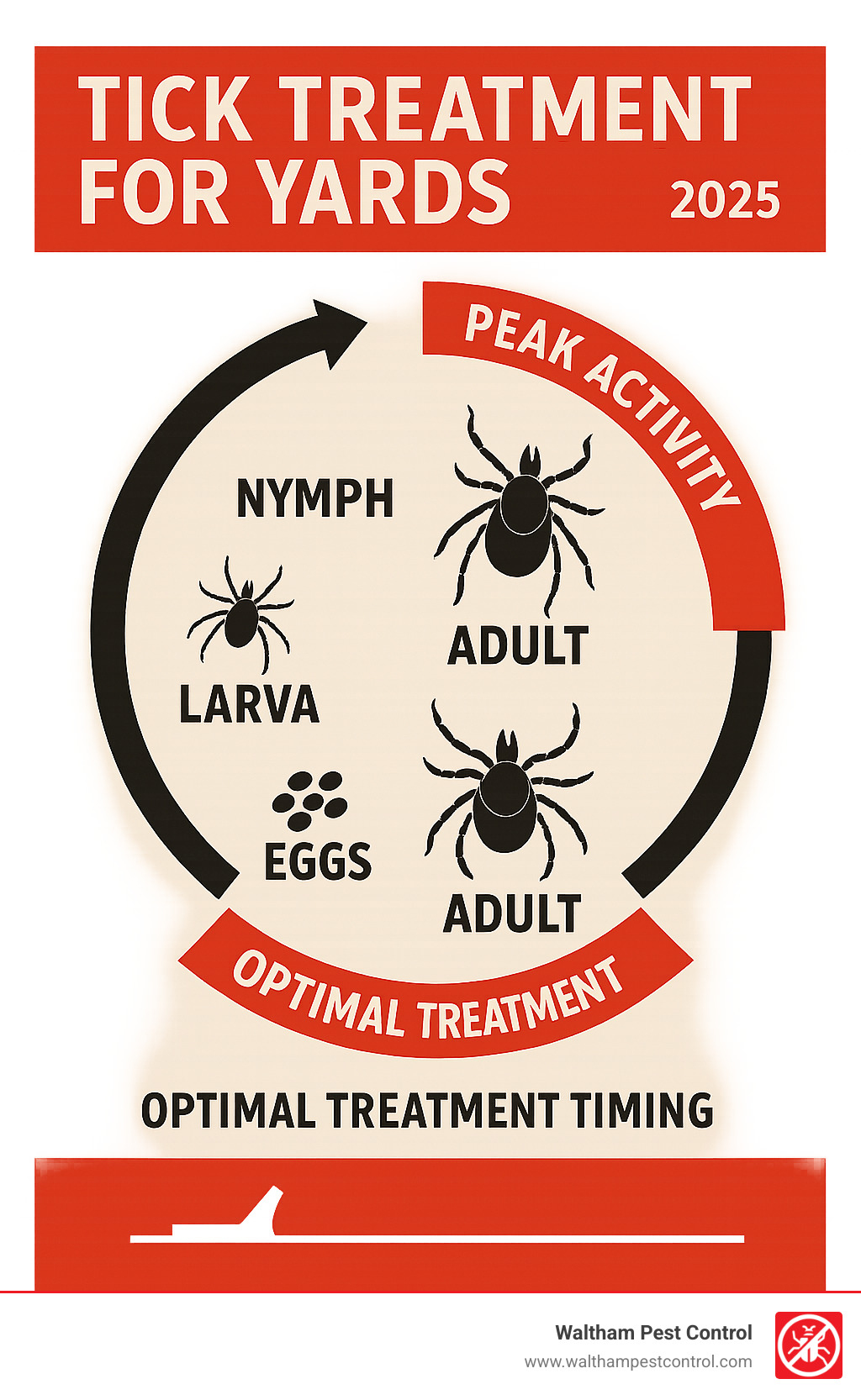
Quick look at tick treatment for yards:
The Hidden Dangers in Your Yard: Identifying Tick Habitats and Risks
Here’s something that might surprise you: most tick encounters don’t happen during wilderness adventures or camping trips. Instead, an estimated 75% of tick bites occur right at home during everyday activities like gardening, playing with the kids, or simply relaxing in your backyard.
This reality hits close to home here in Eastern Massachusetts, where tick populations have been steadily climbing year after year. The truth is, your beautifully landscaped yard might be harboring these tiny hitchhikers without you even knowing it.
Where Ticks Love to Hide
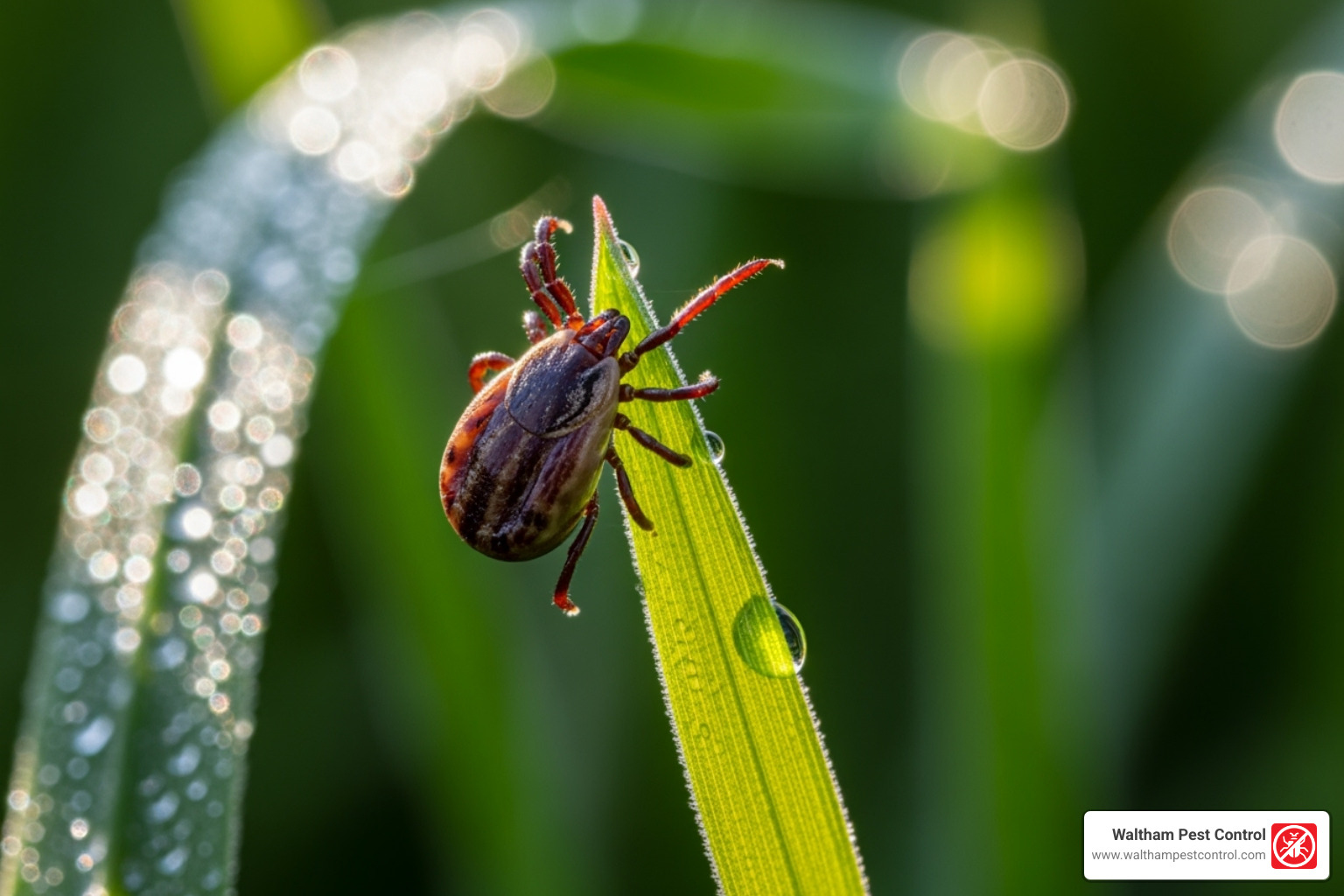
Ticks aren’t randomly scattered around your property. They’re surprisingly picky about their real estate preferences. Tall grasses and weeds top their wish list – these spots give ticks the perfect launching pad for what experts call “questing behavior.” Picture a tiny arachnid patiently waiting at the tip of a grass blade, front legs stretched out, ready to grab onto anything warm-blooded that brushes by.
Leaf litter creates another tick paradise. Those colorful autumn leaves that pile up in corners? They provide the moist, shaded environment ticks need to survive harsh weather. Similarly, wood piles aren’t just convenient storage – they’re like five-star hotels for the mice and other small mammals that carry ticks around your property.
The shady, humid areas of your yard deserve special attention. Black-legged ticks, the notorious carriers of Lyme disease, actually hate hot, dry conditions. They much prefer the cool comfort found under shrubs, along foundation plantings, or in areas where your sprinklers keep things consistently damp.
Here’s a crucial insight from our decades of tick treatment for yards experience: more than 80% of ticks stay within the outer 9 feet of your lawn. That means the biggest danger zone isn’t deep in your property – it’s right along your yard perimeter, especially where your manicured grass meets wooded areas or naturalized spaces.
The Real Health Stakes
The diseases ticks carry read like a medical textbook you’d rather not open. While Lyme disease gets most of the headlines – affecting hundreds of thousands of Americans annually – it’s just one threat in a growing list.
Rocky Mountain Spotted Fever arrives courtesy of American dog ticks, while the same black-legged ticks spreading Lyme also transmit anaplasmosis and babesiosis. The rare but serious Powassan virus has no specific treatment, making prevention absolutely critical.
Other regional concerns include ehrlichiosis, Southern Tick-Associated Rash Illness (STARI), and tularemia – each carried by different tick species that might call your yard home.
What makes these threats particularly concerning is how prolific ticks can be. A single black-legged tick can lay over 3,000 eggs in one batch. Left unchecked, a small tick problem can explode into a major infestation remarkably quickly.
The symptoms these diseases cause range from mild flu-like illness to severe, long-term health consequences. Early detection and treatment make all the difference, but the best approach is preventing tick bites in the first place.
For comprehensive details about these health risks, the Tickborne Diseases of the United States provides valuable CDC insights. You can also find practical protection strategies in our guide on Preventing Mosquitoes and Ticks: Essential Tips for a Safe and Enjoyable Summer.
Understanding where ticks thrive and what diseases they carry isn’t meant to scare you away from enjoying your outdoor spaces. Instead, this knowledge empowers you to take the right steps toward creating a safer environment for your family and pets.
Creating a Tick-Safe Zone: How to Make Your Yard Less Appealing
While professional tick treatment for yards is highly effective, creating a less hospitable environment for ticks through smart landscaping and yard maintenance is your crucial first line of defense. Think of it as making your property the equivalent of a “no vacancy” sign for these unwelcome guests.
The good news? Many of these tick-deterring strategies are things you probably want to do anyway for a well-maintained yard. Keeping your grass short – ideally around 3 inches – not only looks great but removes the shady, humid conditions that black-legged ticks crave. A weekly mow is ideal, though bi-weekly can work if you stay consistent. The key is never letting your lawn turn into a tick highway of tall grass.
Removing leaf litter regularly is another simple but powerful step. Those piles of damp, decaying leaves aren’t just unsightly – they’re five-star tick hotels. Make it a habit to rake and clear leaves, especially around garden beds and lawn edges where ticks love to lurk.
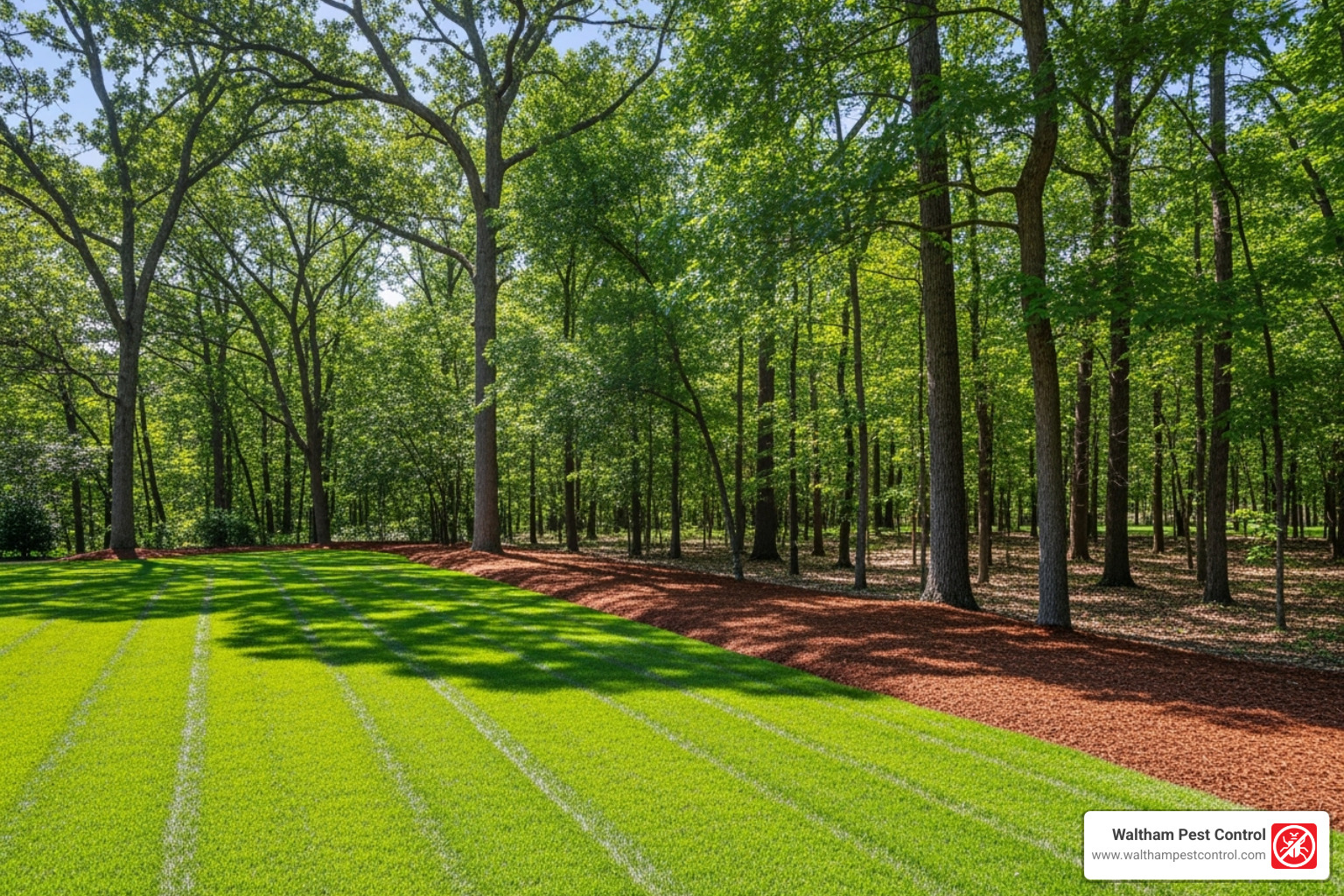
One of the most effective strategies is creating a mulch barrier between your lawn and any wooded areas. A 3-foot-wide strip of wood chips or gravel acts like a moat around a castle. Ticks find these dry, hot barriers difficult to cross, and it gives you a clear visual reminder of where to be extra cautious.
Stacking firewood neatly and keeping it off the ground serves double duty. Not only does it look better, but it discourages rodents from making cozy homes in your wood pile – and where rodents go, ticks often follow. Store your firewood in a dry area away from your main living spaces.
When it comes to discouraging wildlife, think strategically rather than harshly. Deer, raccoons, and even stray cats can be unwitting tick delivery services. Simple fencing can deter larger animals, while removing old furniture, mattresses, or debris eliminates hiding spots for smaller tick-carrying critters.
Placing play areas in sunny spots is a smart design choice that pays dividends. When planning your outdoor spaces, keep playground equipment, decks, and patios away from yard edges and trees. Ticks prefer shade, so sunny, open areas naturally become tick-free zones where your family can relax.
The beauty of this integrated approach is that each step builds on the others. Clearing tall grass and brush around your home’s perimeter creates a buffer zone, while regular maintenance keeps that buffer effective season after season.
For homeowners who want to dive deeper into these strategies, the Tick Management Handbook from the Connecticut Agricultural Experiment Station offers comprehensive guidance. When you combine these landscaping techniques with Waltham’s professional services, you create a truly robust defense system. Learn more about our comprehensive approach to Tick Control and how we can help you maintain a tick-safe outdoor space year-round.
Professional Tick Treatment for Yards: What Homeowners Should Know
When it comes to effectively managing ticks in your yard, professional tick treatment for yards stands out as the most reliable and efficient method. At Waltham Pest Control, we’ve spent over 40 years perfecting our approach to tick control, and we understand that every homeowner wants to know exactly what they’re getting when they invest in professional treatment.
The truth is, not all tick treatments are created equal. We offer several different approaches, each with its own strengths and ideal applications. Chemical sprays using EPA-registered products remain the gold standard for effectiveness, providing rapid knockdown of existing tick populations and lasting protection for 4-6 weeks. These treatments are applied by our trained technicians who understand proper dilution rates, application techniques, and safety protocols that DIY approaches simply can’t match.
Granular treatments offer a different advantage – they create a longer-lasting barrier around your property perimeter. These slow-release formulations work particularly well along wooded edges and areas where your lawn meets natural vegetation. The granules activate with moisture, providing consistent protection even after rain.
For families seeking alternatives, we also offer natural and organic options when available. These typically involve botanical oils like cedar oil or other plant-based repellents. While they may require more frequent applications, they provide peace of mind for households with specific environmental concerns.
What sets professional treatment apart isn’t just the products we use – it’s how we apply them. Our technicians focus on the critical areas where ticks actually live and travel, particularly that crucial outer 9 feet of your lawn where most ticks congregate. We understand tick behavior, seasonal patterns, and how weather conditions affect treatment timing.
Why Choose Professional Tick Control Services?
The benefits of professional application go far beyond simply having someone else do the work. When you choose Waltham Pest Control, you’re getting consistency and expertise that comes from years of experience. Our technicians know exactly where to look for tick habitats and how to target treatments for maximum effectiveness.
We use only EPA-registered products that have undergone rigorous testing for both effectiveness and safety. This means you can trust that the treatments applied to your property meet strict federal standards. Our safety protocols ensure proper application rates and timing, protecting your family, pets, and beneficial insects like pollinators.
Perhaps most importantly, we develop custom treatment plans based on your specific property conditions. A shaded lot with mature trees requires a different approach than an open, sunny yard. We assess your unique situation and tailor our treatment accordingly.
For comprehensive information about our approach, visit our Tick Control for Yards page to learn more about our specific services and methodology.
The Best Kid- and Pet-Friendly Tick Treatment for Yards
Safety is always our top priority, especially when children and pets are part of the family. The key to safe professional treatment lies in proper safety precautions and following established protocols. We always recommend keeping children and pets indoors during application and allowing treatments to dry completely before resuming normal outdoor activities – typically 2-4 hours depending on weather conditions.
When natural options are appropriate for your situation, we may recommend professional use of natural oil-based repellents that aren’t available to consumers. These commercial-grade botanical treatments often provide better coverage and longer-lasting protection than retail alternatives.
The importance of reading labels and understanding what’s being applied to your property cannot be overstated. That’s why we encourage homeowners to have detailed discussions with their Waltham Pest Control technician about treatment options, timing, and any specific concerns about family or pet safety.
Professional application means professional responsibility. We handle all the technical details, safety considerations, and proper equipment use, so you can focus on enjoying your tick-free yard with confidence.
