
Rats in Loft: Top 10 Urgent Removal Strategies 2024
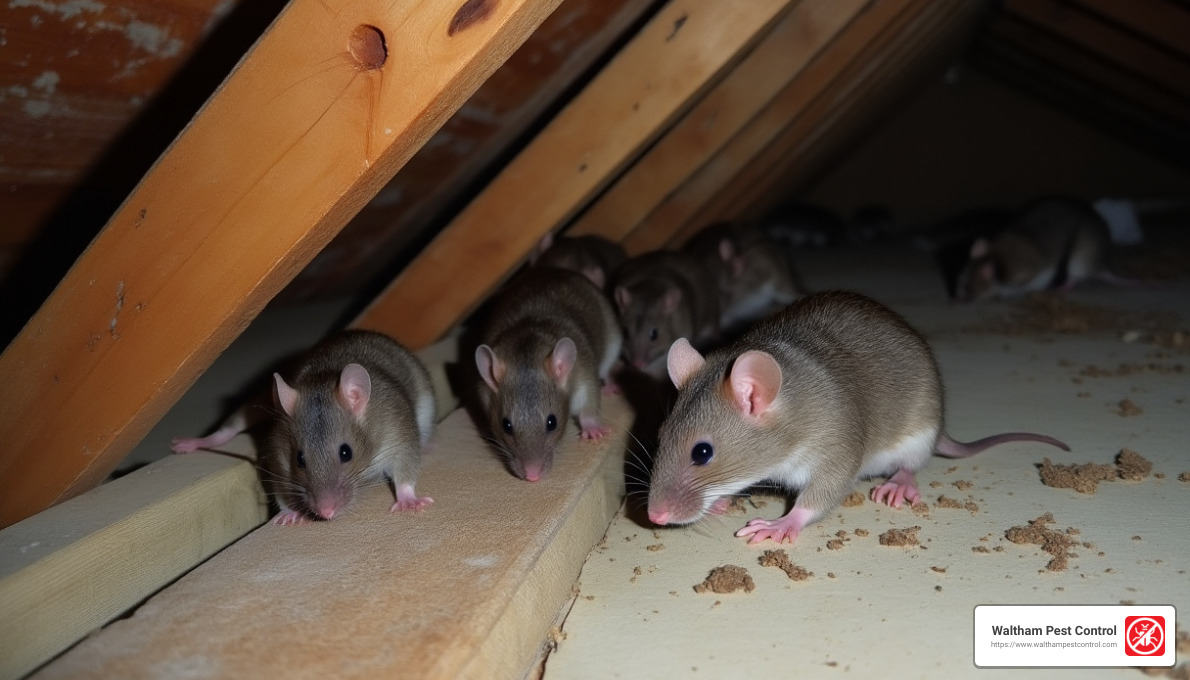
Rats in loft spaces are a significant concern for many homeowners in Massachusetts. Their presence is not only unsettling but also poses serious health risks due to the various diseases they carry. Taking swift action to address a rat infestation is crucial.
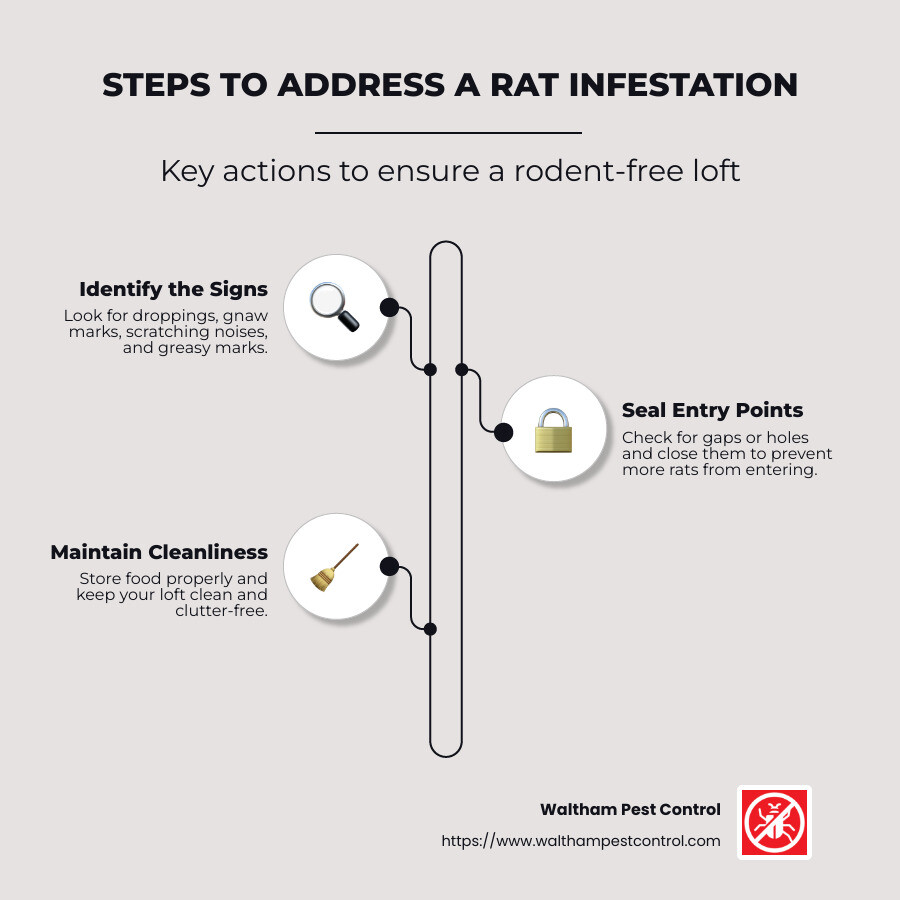
To begin addressing this issue, consider these key points:
- Identify the signs: Look for droppings, gnaw marks, scratching noises, and greasy marks.
- Seal entry points: Check for gaps or holes and close them to prevent more rats from entering.
- Maintain cleanliness: Store food properly and keep your loft clean and clutter-free.
I’m Waltham Pest Control, and with over 40 years of experience in pest control, I can tell you that dealing with rats in lofts requires both urgency and expertise. This guide will help you understand and tackle this issue effectively, setting the stage for a pest-free home.
Quick rats in loft terms:
– exterminators near me for rats
– fastest way to kill rats
– rodent removal near me
Identifying the Signs of Rats in Your Loft
When it comes to rats in loft spaces, early detection is key. Here are the telltale signs to watch for:
Scratching Noises
Rats are nocturnal creatures, so if you hear scratching or scurrying sounds at night, it’s a strong indicator they might be lurking in your loft. These noises can be unsettling, but they are a clear sign that you need to investigate further.
Droppings
Rats leave behind droppings that are small, dark, and pellet-shaped. You’ll often find these in corners or along walls where rats commonly travel. Regularly check your loft for these droppings as they are a primary sign of an infestation.
Gnaw Marks
Rats have a constant need to gnaw to keep their teeth sharp. Look for gnaw marks on wood, wires, or even plastic. This behavior can cause significant damage, especially if they chew through electrical wires, posing a fire hazard.
Ammonia-like Smell
Rat urine has a strong, pungent smell similar to ammonia. If you notice this odor in your loft, it’s likely due to a rat presence. The smell can be more intense in enclosed spaces, so it’s important to act quickly.
Greasy Marks
As rats move around, the oil and dirt in their fur can leave greasy smudges along walls and baseboards. These marks are often found along their established routes and can help you identify where they are most active.

By being vigilant and recognizing these signs, you can address the issue of rats in loft spaces before it becomes a larger problem. Early detection and action are crucial to maintaining a safe and healthy home environment.
Why Rats Are Attracted to Lofts
Rats are crafty creatures that find lofts particularly appealing for several reasons. Understanding what draws them in can help you take steps to keep them out.
Warmth
Lofts are often warm, especially in colder months. This warmth provides an ideal environment for rats, helping them survive and thrive. The insulation in lofts not only keeps them cozy but also offers materials for nesting.
Protection
Lofts offer a safe haven from predators and harsh weather. The high, secluded location makes it difficult for outside threats to reach them, providing rats with a secure place to hide and breed.
Food Sources
Rats are always on the lookout for food. Lofts, especially those connected to kitchens or storage areas, might offer easy access to food supplies. Even small crumbs or improperly stored food can attract these pests.
Nesting Materials
Lofts often contain a variety of materials perfect for building nests. Insulation, cardboard boxes, and old clothes or fabrics provide ample resources. Rats use these materials to create warm, cozy nests for raising their young.
By addressing these factors, you can make your loft less attractive to rats and reduce the chances of an infestation.
How to Prevent Rats from Entering Your Loft
Keeping rats in loft at bay requires proactive measures. By sealing entry points, maintaining surrounding vegetation, and ensuring proper food storage, you can significantly reduce the chances of these unwanted visitors.
Sealing Entry Points
Rats are notorious for squeezing through tiny gaps. To prevent their entry, focus on sealing all potential entry points. Use steel wool, copper mesh, or metal flashing to block small holes and cracks. For larger openings, materials like cement and sheet metal are effective. Pay special attention to areas around pipes and cables, as rats can climb up these structures to gain access to your loft. Wire mesh can be a useful tool to cover these vulnerable spots.
Maintaining Surrounding Vegetation
Vegetation around your home can serve as a highway for rats to reach your loft. Trim ivy trees and other climbing plants that are close to your house, as roof rats are known to use these as pathways. Additionally, remove any debris and lift firewood off the ground. Stacks of wood and debris provide shelter and easy access for rats, so keeping these areas clear is crucial.
Proper Food Storage
Rats are always in search of food, and improper storage can invite them into your home. Use airtight containers and rodent-proof containers to store food items, especially in areas close to the loft. This will prevent rats from accessing and being attracted to food sources. Additionally, ensure that garbage cans are sealed tightly. Consider using sealed garbage cans to keep odors contained and pests out. Simple measures like these can make a big difference in keeping your loft rat-free.
By taking these steps, you can effectively prevent rats from entering your loft, safeguarding your home from potential infestations.
Effective Methods to Remove Rats from Your Loft
Once rats in the loft have made their way in, it’s crucial to act swiftly to remove them. Here are some effective strategies:
Using Traps
Traps are a practical approach to catching rats, offering a hands-on method for dealing with the problem. There are several types of traps available, each with its own benefits:
- Snap Traps: These are traditional and widely used. They work by snapping shut when a rat takes the bait, providing a quick and humane end. Position them along walls where rats commonly travel.
- Live Traps: These traps capture rats without harming them, allowing for release far from your home. They are ideal for those who prefer a non-lethal method.
- Baited Traps: Using food to lure rats, these traps can be very effective. Be sure to check them regularly to avoid decomposing bait, which can attract more pests.
Natural Deterrents
For those who prefer chemical-free solutions, natural deterrents can be quite effective in repelling rats:
- Peppermint Oil: Rats dislike the strong scent of peppermint oil. Soak cotton balls in peppermint oil and place them around the loft to deter rats.
- Ammonia: The strong smell of ammonia mimics the scent of predator urine, scaring rats away. Use it in well-ventilated areas to avoid overpowering odors.
- Mothballs: These can be placed in corners and entry points. However, they should be used with caution, especially in homes with children and pets.
Professional Pest Control Services
When the infestation is severe, or if you’re seeking peace of mind, hiring a professional pest control service like Waltham Pest Control is often the best course of action. They follow a comprehensive process:
- Inspection: Professionals start by inspecting your loft to assess the extent of the infestation and identify entry points.
- Trapping: They strategically place traps to capture and remove rats efficiently.
- Exclusion/Prevention: After removal, they focus on preventing future infestations by sealing entry points and offering advice on maintaining a rat-free environment.
By employing these methods, you can effectively address and eliminate a rat infestation in your loft.
Frequently Asked Questions about Rats in Loft
Is it common to have rats in your loft?
Yes, it’s quite common to find rats in the loft. Lofts provide warmth, protection, and often easy access to food sources, making them an attractive nesting site for rats. In the UK, the black rat, also known as the roof rat, is particularly adept at climbing and often finds its way into lofts through trees, power lines, or even the building’s exterior.
How do I get rid of rats in my loft permanently?
To permanently remove rats in the loft, a combination of methods is recommended:
- Seal Entry Points: Use materials like steel wool, cement, or metal flashing to block any holes or gaps that rats might use to enter.
- Use Traps: Snap traps, live traps, and baited traps can effectively reduce the rat population. Place them strategically along walls and in dark corners where rats are likely to travel.
- Professional Pest Control: Hiring a service like Waltham Pest Control can ensure a thorough approach. They will inspect, trap, and implement exclusion techniques to prevent future infestations.
- Maintain Cleanliness: Store food in airtight containers and ensure garbage is sealed. Regularly clean the loft to remove potential nesting materials.
Do rats leave the attic during the day?
Rats are nocturnal creatures, so they are most active at night. During the day, they typically remain in their nests within the loft. However, if food is scarce, they may venture out during daylight hours. If you hear noises during the day, it could indicate a large infestation, as competition for resources may force some rats to be active outside their usual hours.
By understanding these behaviors and implementing the right strategies, you can effectively manage and prevent a rat infestation in your loft.
Conclusion
Taking timely action is crucial when dealing with a rat infestation in your loft. Delaying can lead to significant structural damage, health risks, and an increased likelihood of the infestation spreading. Rats in lofts can chew through wires, cause water damage, and spread diseases through droppings and parasites. Addressing the issue promptly minimizes these risks.
Preventing future infestations is just as important as dealing with the current problem. Start by sealing all potential entry points with materials like steel wool or metal flashing. Regularly inspect your home for new gaps or holes. Maintain your property by trimming trees and removing debris, which can provide easy access to your loft. Proper food storage in airtight containers and ensuring garbage is sealed can deter rats from finding food sources in your home.
Waltham Pest Control is here to help. With over 40 years of experience in Eastern Massachusetts, we offer comprehensive pest management solutions custom to your needs. Our team can inspect your property, implement effective trapping methods, and provide exclusion techniques to keep your home rat-free. Don’t let a small problem turn into a big one. Contact us today for expert help in keeping your loft, and your home, safe and pest-free.
Learn more about our rat control services here.
