

Rat Infestation in Garden: 5 Proven Ways to Eliminate
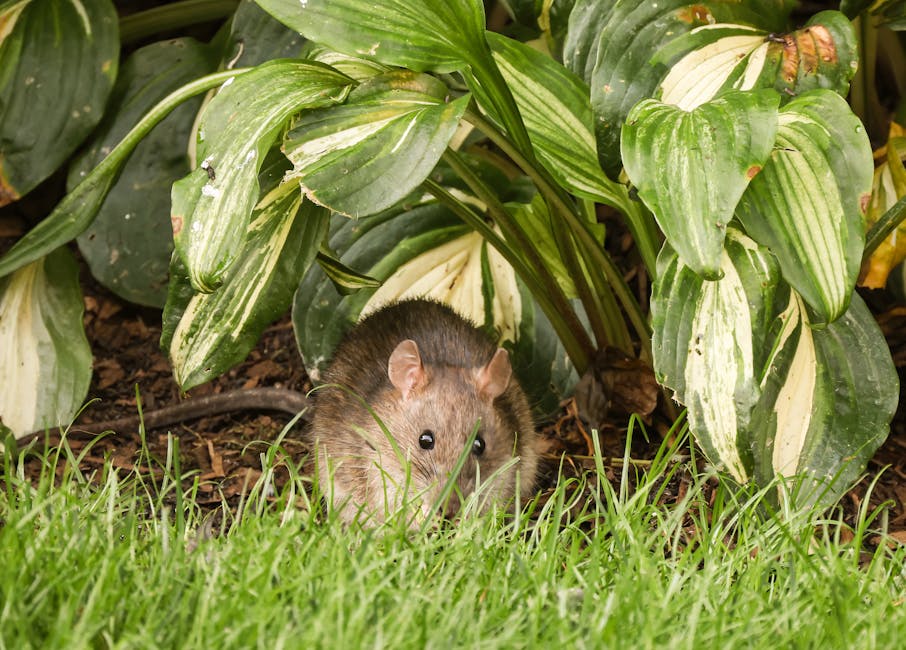
A rat infestation in garden environments can cause significant damage, pose health risks, and require quick intervention for effective prevention.
- Damage to Property: Rats gnaw on anything softer than their teeth, including wood, aluminum, and even concrete.
- Health Risks: These rodents carry diseases like bubonic plague and rat-bite fever, posing a serious threat to your health.
- Quick Action Needed: Early identification and treatment are crucial to prevent a full-blown infestation.
Rats are more than just indoor nuisances—they can wreak havoc in your garden too. They prefer areas with easy access to food, water, and shelter, which makes gardens prime targets. Left unchecked, they can damage plants and structures and spread diseases.
I’m Waltham Pest Control, from Waltham Pest Control, where we focus on resolving pest issues like a rat infestation in garden settings. With over 40 years of experience, I know the importance of quick action and effective prevention. Join me as we explore strategies to evict rats for good.

Key rat infestation in garden vocabulary:
– rat infestation in home
– rats in loft
– rodent removal near me
Understand What Attracts Rats to Your Garden
Rats are often drawn to gardens because they offer a smorgasbord of food, water, and shelter. Understanding what attracts these pesky rodents can help you prevent a rat infestation in garden spaces.
Plants That Attract Rats
Rats have a keen appetite for fruits and vegetables. If your garden boasts fruit trees like oranges, peaches, or avocados, or if you’re growing vegetables, you might be unknowingly inviting these rodents. Fallen fruits and nuts, like walnuts and almonds, are particularly enticing. Regularly clearing these from the ground is essential to keep your garden less appealing to rats.
Smells and Odors That Attract Rats
Odors play a big role in attracting rats. The smell of pet food, garbage, and even barbecue grills can lure them in. Birdfeeders are another common culprit, as they often scatter seeds that rats find irresistible. To mitigate this, ensure garbage bins are sealed tightly and clean up any food residues from grills and pet areas.
Shelter and Overgrown Areas
Rats thrive in areas that offer shelter. Overgrown gardens, with dense shrubbery, piles of wood, or compost heaps, provide the perfect cover. They prefer hidden spots to build their nests, away from predators. Keeping your garden tidy by trimming hedges and removing debris can help reduce these inviting hiding spots.
Water Sources
Water is another necessity for rats. Standing water from leaky faucets, pet bowls, or irrigation lines can be a magnet for them. Regularly check for and fix leaks to make your garden less attractive to these rodents. While you may not want to remove bird baths or ponds, ensuring they are well-maintained can prevent them from becoming rat hubs.
Pet Waste
Pet waste is a lesser-known but significant attractant for rats. The smell can draw them in, so it’s crucial to clean up after pets promptly. This simple action can make a big difference in keeping your garden less appealing to rats.
By addressing these attractants, you can significantly reduce the likelihood of a rat infestation in your garden. Next, we’ll explore the signs of an infestation, so you can catch any potential problems early.
Signs of a Rat Infestation in Your Garden
Spotting a rat infestation in garden areas can be tricky, but recognizing the signs early is key to preventing further damage. Here’s what to look for:
Common Signs to Look For
1. Rat Droppings:
One of the most apparent signs is the presence of rat droppings. These are small, dark, and tapered at one end, often found near areas where rats forage or nest. You might spot them under raised flower beds or in garden sheds.
2. Gnawed Food Packets and Containers:
Rats have strong teeth and will chew through food packets and containers to get to the contents. Look for jagged edges and gnaw marks on any damaged garden supplies.
3. Damage to Plants and Vegetables:
If you notice chewed leaves or stalks in your vegetable patch, rats might be the culprits. While other pests can also cause damage, rats often leave more significant bite marks.
4. Burrows in the Ground:
Rats are excellent diggers. Burrows usually appear near walls or fences and can look like small mounds of soil. These burrows can serve as nests or food storage.
5. Nests and Piles of Materials:
Rats build nests using leaves, grass, and household waste like cardboard. If you find such piles in hidden spots, it could indicate a rat nest nearby.
6. Strange Smells:
A musky odor in your garden can be a sign of rats. This smell is often due to their urine and can linger around their nesting area.
7. Footprints and Tracks:
In soft ground, you might see tiny footprints or tail drag marks. To confirm, sprinkle flour and check for tracks over a few days.
8. Noises:
Rats are nocturnal and often make squeaking, scuttling, or scratching noises. If you hear these sounds at night, it could be a sign of their presence.
By being vigilant and recognizing these signs, you can take action before a minor issue becomes a major problem. Next, we’ll discuss natural methods to evict these unwelcome guests from your garden.
How to Get Rid of Rats in Your Garden Naturally
Dealing with a rat infestation in garden spaces requires a strategic approach. Let’s explore some natural methods to keep these pesky rodents at bay.
Remove Accessible Food Sources
Rats are opportunistic feeders. Start by eliminating potential food sources:
- Secure Bins: Use metal bins with tight-fitting lids to store outdoor waste. This prevents rats from rummaging through trash.
- Harvest Crops: Regularly pick fruits and vegetables to avoid attracting rats. Fallen produce can be an easy meal for them.
- Clean Up Pet Food: If you feed pets outside, ensure no food is left out overnight. Rats are drawn to leftover pet food.
- Remove Bird Feeders: Temporarily take down bird feeders or use feeders that catch spills to minimize scattered seeds.
Block Access to Garden Buildings
Rats can squeeze through tiny openings. To block their entry:
- Seal Gaps: Inspect and seal any gaps in garden buildings, like sheds and greenhouses, using caulk or expanding foam.
- Use Wire Mesh: Install wire mesh over vents and other openings to prevent rats from getting in.
- Repair Openings: Regularly check for and repair any holes or damage in walls, doors, and floors.
Use Natural Ingredients
Rats have a keen sense of smell, which you can use to your advantage:
- Peppermint Oil: Soak cotton balls in peppermint oil and place them around entry points. The strong scent deters rats.
- Clover and Garlic: Scatter clover leaves or crushed garlic around the garden. Their pungent odors are unappealing to rats.
- Used Coffee Grounds: Spread used coffee grounds around plants. They act as a natural deterrent.
- Eucalyptus and White Vinegar: Both have strong scents that can keep rats away. Use them in spray form for easy application.
Keep Your Garden Tidy
A tidy garden is less inviting to rats:
- Trim Hedges: Keep hedges and bushes trimmed to eliminate potential hiding spots.
- Remove Debris: Clear away piles of leaves, grass, and other debris where rats might nest.
- Clean Compost Bins: Regularly turn compost and ensure bins are secure to prevent rats from accessing them.
- Cut Lawn Regularly: A neatly mowed lawn offers fewer places for rats to hide.
Encourage Natural Predators
Nature can help control rat populations:
- Cats: If you have a cat, allow it some time outdoors to naturally deter rats.
- Foxes, Owls, and Hedgehogs: These animals are natural predators of rats. Encourage them by creating a welcoming environment, such as providing shelter or food sources like birdhouses for owls.
By implementing these strategies, you can create a less inviting environment for rats, reducing the chances of a rat infestation in garden areas. Next, we’ll explore effective traps and repellents to further protect your garden.
Effective Rat Traps and Repellents
When dealing with a rat infestation in garden areas, traps and repellents can be crucial tools. Here’s a breakdown of various options available to help you tackle this issue effectively.
Snap Rat Traps
Snap traps are a classic choice for catching rats. They work by using a spring-loaded bar to kill the rat instantly. Peanut butter is often used as bait because it’s sticky and aromatic, making it hard for rats to resist.
- Careful Placement: Place traps along walls or in areas where you’ve noticed rat activity. This increases the chances of catching them.
- Gloves: Always wear gloves when setting traps to avoid transferring your scent, which can deter rats.
Rat Bait Boxes
Bait boxes are designed to lure rats in with poison-laced bait. They are typically used outdoors due to the risk of rats dying in hard-to-reach places, leading to unpleasant odors as they decompose.
- Poison: Make sure the poison is securely placed within the bait box to prevent accidental exposure to pets or children.
- Outdoor Use: Position these boxes in areas where rats frequent, but away from non-target animals.
Electronic Rat Traps
Electronic traps are a modern and humane method for controlling rats. These traps kill the rat instantly with an electric shock, reducing suffering.
- Instant Electrocution: Provides a quick and humane death.
- Battery-Powered: Can be used in various locations without needing a power outlet.
Live Catch Rat Traps
For those looking for a humane option, live catch traps allow you to capture and release rats without harming them. Once caught, rats should be relocated at least 200 to 300 feet away from your home.
- Relocation: Ensure you release them in an appropriate area, away from other homes.
- Safe for Children and Pets: These traps don’t use poison, making them safer for households with kids and pets.
Glue Rat Traps
Glue traps are generally not recommended due to their inhumane nature. They work by trapping the rat on a sticky surface, leading to a slow death from dehydration or stress.
- Least Humane: Consider other options before resorting to glue traps.
- Messy: These traps can be difficult to clean up and may not always hold the rat, potentially allowing escape.
Repellant Plants
Certain plants can naturally deter rats due to their strong scents. Incorporating these into your garden can help keep rats at bay:
- Mint, Spearmint, Pennyroyal, Citronella: These plants have potent aromas that rats dislike.
- Sagebrush, Oregano, Rosemary, Basil: Known for their strong scents, they can act as a natural barrier.
- Black Pepper, Cayenne: Sprinkle these spices around to deter rats from entering your garden.
By strategically using these traps and repellents, you can effectively manage a rat infestation in garden spaces. Next, we’ll address some frequently asked questions about dealing with rats in your garden.
Frequently Asked Questions about Rat Infestation in Garden
How do you get rid of rats in your garden?
Getting rid of rats in your garden involves a few key steps:
- Remove Food Sources: Ensure that no food is left out for rats to feast on. Secure your garbage bins, clean up any pet food, and promptly harvest fruits and vegetables.
- Set Traps: Use snap traps or electronic traps in areas where you’ve noticed rat activity. These traps are effective and can help reduce the rat population quickly.
- Use Repellents: Natural repellents like peppermint oil or garlic sprays can deter rats without harming them or your plants.
- Contact Pest Control: If the problem persists, it might be time to call in the professionals. Pest control experts have the tools and knowledge to handle infestations effectively.
By following these steps, you can reduce the risk of a rat infestation in your garden.
Should I be worried if I see a rat in my garden?
Yes, seeing a rat in your garden can be a sign of a potential infestation. Rats are not just a nuisance; they pose health risks as they can spread diseases to humans and pets. They can also cause significant property damage by gnawing on structures, wires, and plants.
If you spot a rat, it’s essential to take immediate action to prevent them from multiplying and causing more harm.
Why are there so many rats in my garden?
Rats are attracted to gardens for several reasons:
- Food Sources: Gardens often have plants, fruits, and vegetables that rats find irresistible. Pet waste and leftover food can also attract them.
- Shelter: Overgrown areas, woodpiles, and dense shrubbery provide excellent hiding spots for rats to nest and breed.
- Water: Rats need water to survive, so any standing water or leaky faucets can attract them to your garden.
- Pet Waste: Pet waste can be a food source for rats, so it’s crucial to clean up after your pets regularly.
Understanding these factors can help you take preventative measures to keep rats out of your garden. By maintaining cleanliness and removing potential attractants, you can reduce the likelihood of a rat infestation.
Conclusion
Taking quick action is crucial when dealing with a rat infestation in your garden. Rats multiply rapidly, and the longer they stay, the more damage they can cause to your property and health.
Prevention is always better than cure. Here are some tips to help keep your garden rat-free:
- Keep it Clean: Regularly trim bushes, mow the lawn, and remove any debris or clutter where rats might hide.
- Secure Food Sources: Ensure that garbage bins are tightly sealed, and promptly clean up any fallen fruits or vegetables.
- Eliminate Water Sources: Fix any leaks and remove standing water to make your garden less attractive to rats.
If these measures do not suffice, it’s time to seek professional help. At Waltham Pest Control, we have over 40 years of experience in dealing with pest issues, including rats in gardens. Our team is committed to providing quality, licensed, and insured pest management solutions across Eastern Massachusetts.
By leveraging our expertise, you can ensure that your garden remains a safe and pleasant space. For more information on how we can help, visit our rat pest control service page.
Don’t let rats take over your garden. Act swiftly and decisively to protect your home and health.
