
Professional Raccoon Latrine Removal: Top Tips 2025

Professional raccoon latrine removal is essential for maintaining a safe and healthy environment. Raccoon latrines, the communal sites where raccoons leave their feces, pose a serious health risk due to the presence of roundworm eggs, which can cause infections in humans. This makes immediate and thorough cleanup crucial. Professional services ensure that these hazardous sites are safely cleaned and sanitized, preventing further health risks and property damage.
- Why clean raccoon latrines?
- Prevents health risks like roundworm infections.
- Stops property damage and re-infestation.
- Why hire professionals?
- Experts have the right tools and knowledge.
- Safe and complete sanitation of affected areas.
I’m Waltham Pest Control, with over 40 years of experience in the field. At Waltham Pest Control, I specialize in professional raccoon latrine removal, ensuring a pest-free environment across Eastern Massachusetts. Our services are both reliable and thorough, offering peace of mind to homeowners and businesses alike.
Common professional raccoon latrine removal vocab:
– are raccoons dangerous
– raccoon removal near me
– wildlife removal near me
Understanding Raccoon Latrines
Raccoon latrines are more than just an unsightly mess; they’re communal sites where raccoons habitually deposit their feces. These latrines can be found in various locations, making them a hidden yet significant concern for homeowners.
Common Locations for Raccoon Latrines
Raccoons are creatures of habit and often choose specific places to create their latrines. You might find these fecal deposits in:
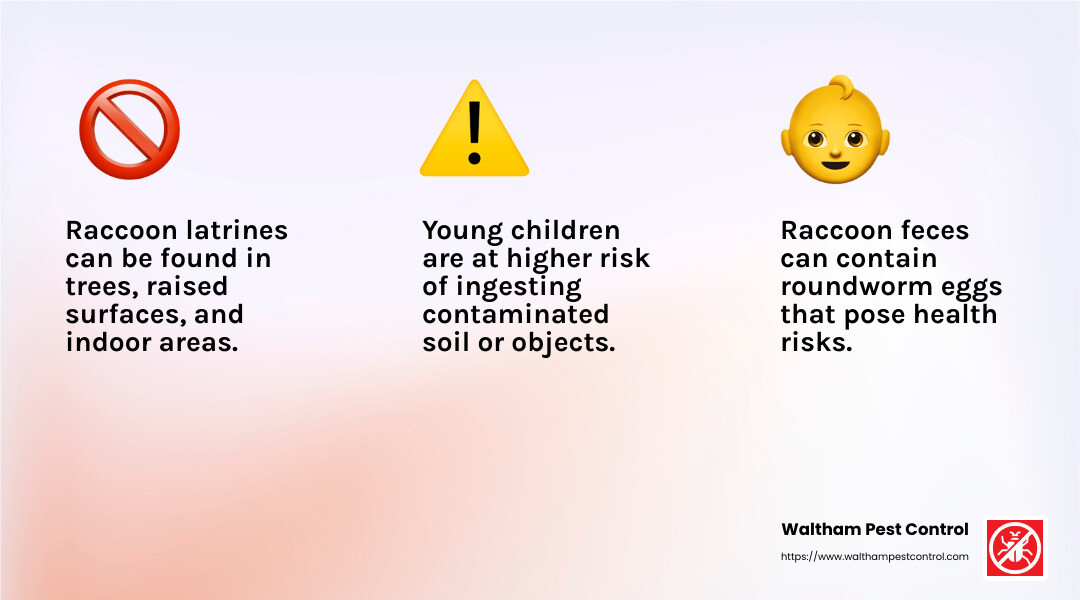
- Trees: Raccoons climb trees and may use branches or tree hollows as latrine sites.
- Raised Surfaces: Rocks, stumps, and woodpiles are common choices due to their elevation.
- Decks or Patios: These flat, accessible spaces often become latrine sites.
- Attics and Garages: Indoor spaces provide shelter, making them attractive for raccoons.
The Roundworm Risk
Raccoon feces are not just unpleasant; they pose serious health risks. The primary concern is the roundworm Baylisascaris procyonis. This parasite can be harmful to humans and pets if its eggs are ingested. The CDC warns that young children and developmentally disabled individuals are at higher risk since they might accidentally ingest contaminated soil or objects.
Why Are Raccoon Latrines Dangerous?
- Health Hazards: Roundworm eggs can lead to severe infections, affecting the central nervous system.
- Environmental Contamination: If not cleaned properly, these eggs can spread, increasing the risk of infection.
- Attracting More Wildlife: Latrines can attract other pests, leading to further infestations.
Understanding these risks underscores the importance of professional raccoon latrine removal. Professionals have the expertise to handle these hazardous sites safely, ensuring thorough cleaning and reducing the risk of future infestations. This proactive approach not only protects your health but also preserves your property.
Professional Raccoon Latrine Removal
When dealing with raccoon latrines, safety should be your top priority. These sites are not just unpleasant; they are a biohazard due to the presence of roundworm eggs. Professional raccoon latrine removal is the safest and most effective way to tackle this problem.
Why Choose Professional Services?
- Trained Specialists: Professionals are equipped with the knowledge and experience to handle raccoon latrines safely. They understand the risks and have the skills to mitigate them effectively.
- Health Risks: Exposure to raccoon feces can lead to serious health issues. The roundworm Baylisascaris procyonis can cause severe infections if its eggs are ingested. Protecting your family and pets from these risks is crucial.
- Thorough Cleaning: A professional service ensures that all traces of the latrine are removed. This includes not only the feces but also any contaminated materials in the surrounding area.
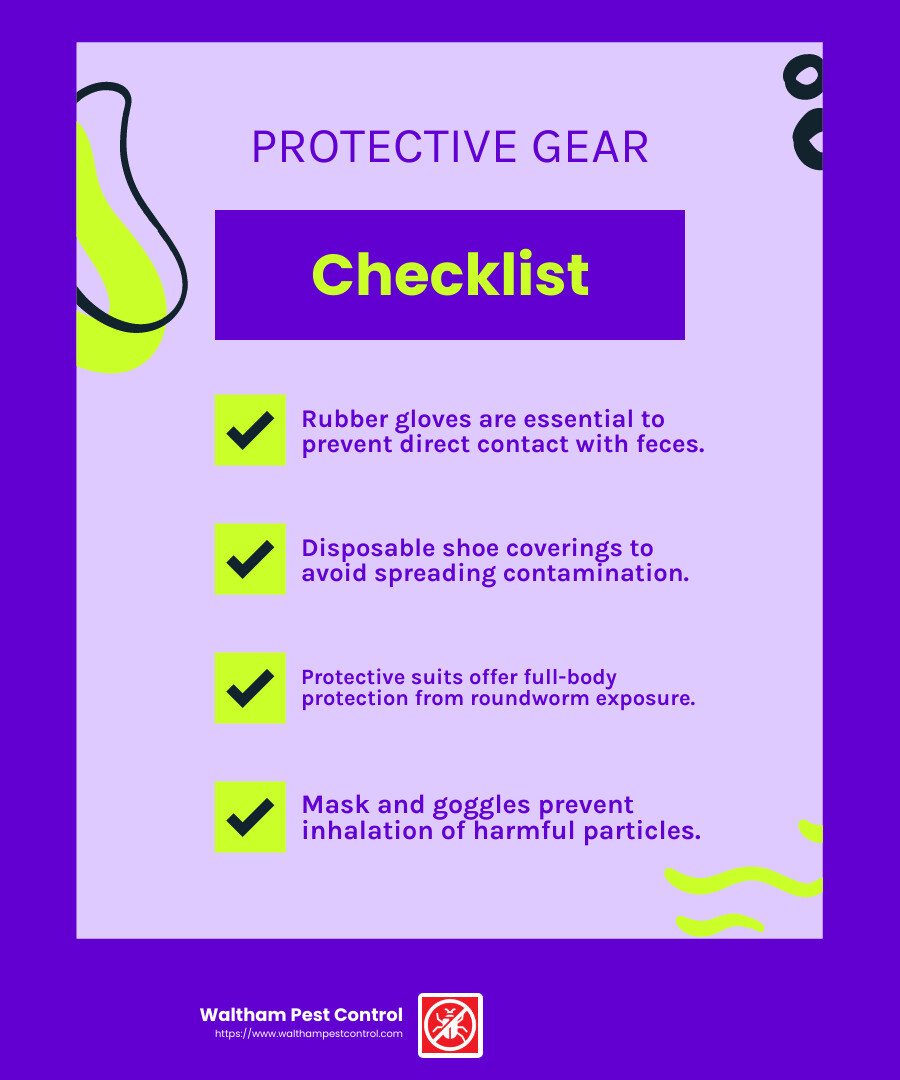
- Protective Gear: Experts use specialized gear like rubber gloves, disposable shoe coverings, and protective suits to minimize exposure. This level of protection is vital when dealing with hazardous materials.
Steps in Professional Removal
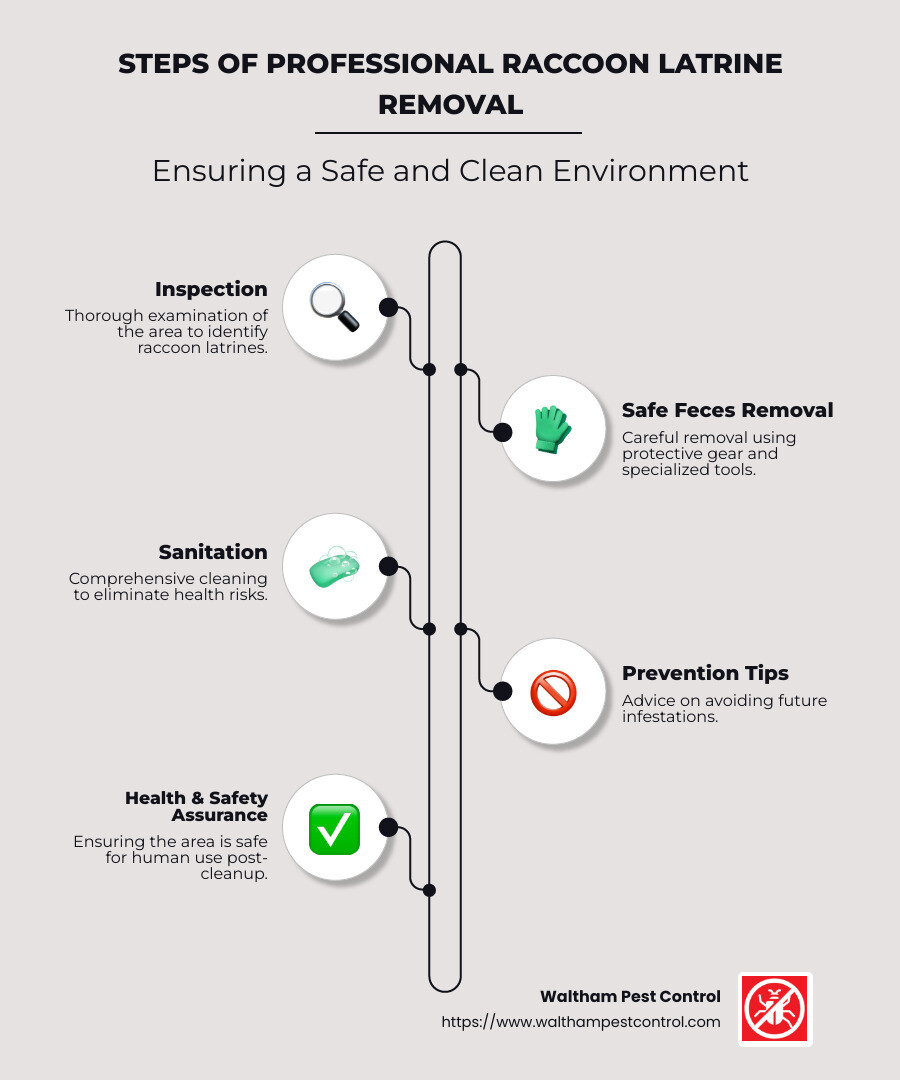
- Inspection: The first step involves a thorough inspection of your property to locate all raccoon latrines. Professionals assess the extent of contamination and identify potential entry points.
- Removal: Using safe and effective methods, professionals remove the feces and any contaminated materials. This step is crucial to prevent the spread of roundworm eggs.
- Sanitation: After removal, the area is sanitized to eliminate any remaining pathogens. This includes using appropriate cleaning agents to ensure the site is safe for humans and pets.
By choosing professional services, you not only address the immediate issue but also take preventive measures against future infestations. This approach safeguards your health and maintains the integrity of your home.
DIY Raccoon Latrine Clean Up
Cleaning up raccoon latrines yourself is a challenging task but can be done with the right precautions. Safety is key, as these sites can pose health risks due to roundworm eggs. Here’s how you can tackle it safely.
Essential Tools and Materials
Before you begin, gather the necessary tools and materials:
- Protective Gear: Always wear sturdy rubber gloves and disposable shoe coverings to avoid direct contact with the feces. Consider using a protective mask to prevent inhaling any airborne particles.
- HEPA Filter Vacuum: A vacuum with a HEPA filter is essential for containing dust and particles from raccoon droppings. This helps keep roundworm eggs from becoming airborne.
- Cleaning Supplies: Use disinfectants that are effective against pathogens. Make sure to have plenty of trash bags for disposal.
Safe Disposal Practices
Proper disposal of raccoon feces is crucial to prevent contamination:
- Bagging: Carefully place the feces and any contaminated materials into heavy-duty trash bags. Double-bagging is recommended to ensure there are no leaks.
- Burning: In some areas, burning may be an option for disposal, but always check local regulations first. This method can effectively eliminate pathogens.
- Landfill Disposal: If burning isn’t feasible, securely sealed bags should be disposed of at a landfill. Ensure that the bags are tightly sealed to prevent any leakage during transport.
Following these steps and using the right equipment can help you safely manage a raccoon latrine cleanup. However, always weigh the risks and consider professional removal if the situation seems too hazardous.
Preventing Raccoon Latrines on Your Roof
Keeping raccoons off your roof and away from your home involves proactive measures and regular maintenance. Here’s how to make your home less inviting to these clever critters.
Securing Your Home
Entry Points
Raccoons are adept at finding their way into homes through small openings. Inspect your roof and attic for potential entry points. Common areas include:
- Gaps around vents
- Loose shingles
- Chimney openings
Steel Mesh and Metal Flashing
Seal any found openings with durable materials like steel mesh and metal flashing. These materials are tough and can withstand raccoons’ persistent efforts to break through.
- Steel Mesh: Use this to cover vents and other small openings.
- Metal Flashing: Apply this around chimneys and roof edges to prevent raccoon access.
Monitoring
Regularly check for signs of raccoon activity, such as scratches or droppings. Catching problems early can save you from more extensive damage and costly repairs.
Deterring Raccoons
Remove Attractants
Raccoons are primarily attracted to food sources. To make your home less appealing:
- Secure Trash: Use bins with tight-fitting lids and store them in a garage or shed if possible. Trash is a major draw for raccoons.
- Feed Pets Indoors: Avoid leaving pet food outside, as it can attract raccoons and other wildlife.
Humane Strategies
Employ humane methods to deter raccoons without harming them:
- Motion-Activated Lights or Sprinklers: These can startle raccoons and discourage them from approaching your home.
- Natural Repellents: Sprinkling substances like cayenne pepper or using commercial raccoon repellents around your home can help keep them at bay.
By taking these steps, you can effectively reduce the chances of raccoons setting up latrines on your roof. Prevention is always easier than dealing with the aftermath of an infestation.
Frequently Asked Questions about Raccoon Latrine Removal
How much does it cost to remove raccoon poop?
The cost of professional raccoon latrine removal varies based on several factors, such as the size of the infestation and the location of the latrine. Each situation is unique, which is why companies often offer free estimates to assess the specific needs of your property. Cleaning up raccoon droppings is often covered under homeowner’s insurance. This can be particularly beneficial if the mess is extensive.
Is raccoon feces a biohazard?
While raccoon feces is not classified as a regulated biohazard waste, it does pose significant health risks. The primary concern is the presence of roundworm eggs, specifically Baylisascaris procyonis, which can be harmful to humans. These eggs can cause severe health issues if ingested, including eye disease and neurological damage. Therefore, extreme caution should be exercised when handling raccoon feces, and it’s often best left to professionals who follow strict safety protocols.
How do you get rid of raccoon latrines?
Getting rid of raccoon latrines involves a thorough and careful process. Here’s a simplified breakdown:
- Inspection
- Assess the area to identify the extent of the latrine and any potential entry points raccoons use.
- Removal
- Use a HEPA filter vacuum to safely remove feces and prevent dust particles from becoming airborne.
- Sanitation
- Decontaminate the area using specialized products that neutralize urine and eliminate odors.
- Prevention
- Implement measures to prevent future raccoon visits, such as sealing entry points and removing attractants like food sources.
By following these steps, you can ensure that raccoon latrines are effectively and safely removed from your property. For best results, considering professional services is recommended to handle the task thoroughly and safely.
Conclusion
When it comes to dealing with the hazards of raccoon latrines, partnering with a professional service like Waltham Pest Control is a smart choice. With over 40 years of experience serving Eastern Massachusetts, our team is dedicated to providing top-quality, licensed, and insured pest management solutions that ensure the health and safety of your home and family.
Raccoon latrines pose serious health risks due to the presence of roundworm eggs, which can lead to severe health issues if accidentally ingested. Our trained specialists are equipped with the necessary expertise and protective gear to handle these hazardous materials safely and effectively. We follow stringent safety protocols to ensure thorough cleaning and sanitation of affected areas, making them safe for you and your family again.
Choosing professional raccoon latrine removal services ensures that the job is done right the first time, reducing the risk of exposure to harmful pathogens. Our comprehensive approach includes inspection, removal, and sanitation, as well as preventive measures to keep raccoons from returning to your property.
For reliable and cost-effective raccoon latrine removal and pest control services, trust Waltham Pest Control to handle your needs with care and professionalism. Our commitment to quality service makes us a trusted choice for residents and businesses across Eastern Massachusetts.
Get in touch with Waltham Pest Control today to schedule your free estimate and let us help you protect your home and health. Learn more about our services.
