
Pest Control Technicians: 7 Proven Tips for Success 2025
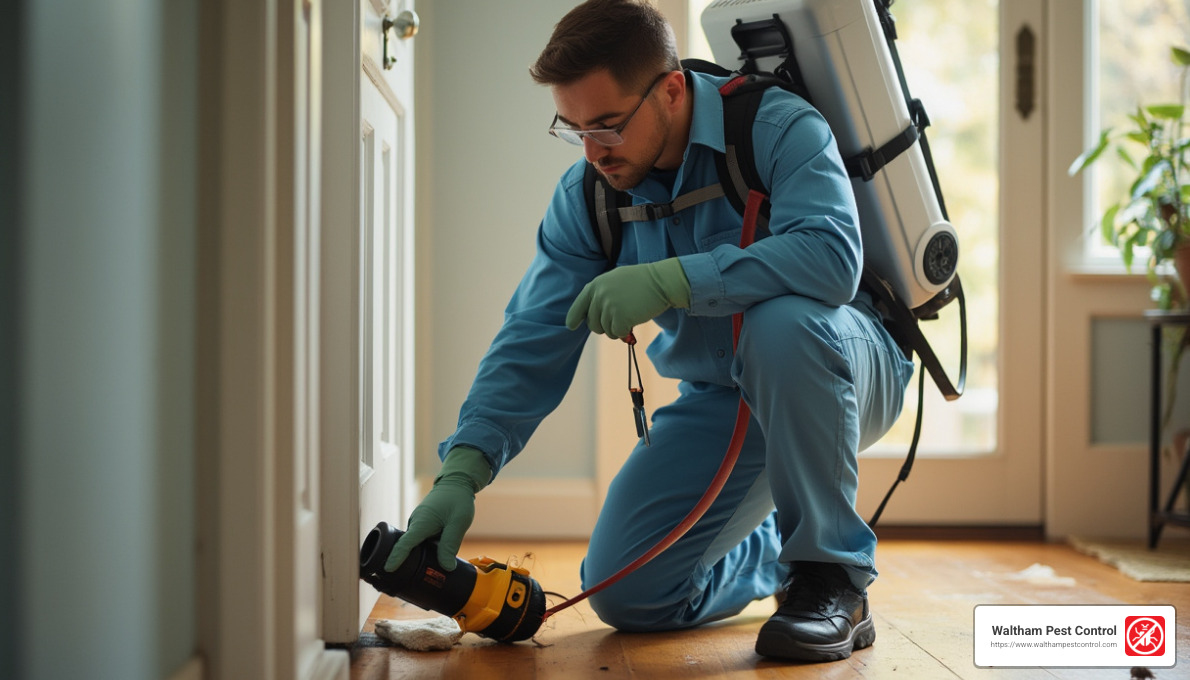
Pest control technicians play a vital role in safeguarding homes and businesses from unwanted nuisances like rodents, insects, and other pests. These professionals are responsible for identifying pest problems, determining effective treatments, and ensuring that pest control measures are both safe and efficient. Their work often involves inspecting buildings, applying pesticides, and creating barriers to prevent infestations.
Understanding the significance of pest control is crucial, as unchecked pests can pose serious health risks and lead to property damage. Skilled technicians don’t just fight pests—they protect the health, safety, and well-being of families and businesses. If you’re considering a career as a pest control technician, you should know it requires meticulous attention to detail, ethical responsibility, and a commitment to ongoing learning about various control methods and regulatory standards.
My name is Waltham Pest Control, and as the President & CEO of Waltham Pest Control Co., Inc., I’ve dedicated over 40 years to perfecting the art and science of pest control. Our team of trained professionals extends premium pest control services across Eastern Massachusetts, with a focus on customer satisfaction and effective solutions. In the following sections, we’ll dig deeper into the profession and its invaluable impact.
What Does a Pest Control Technician Do?
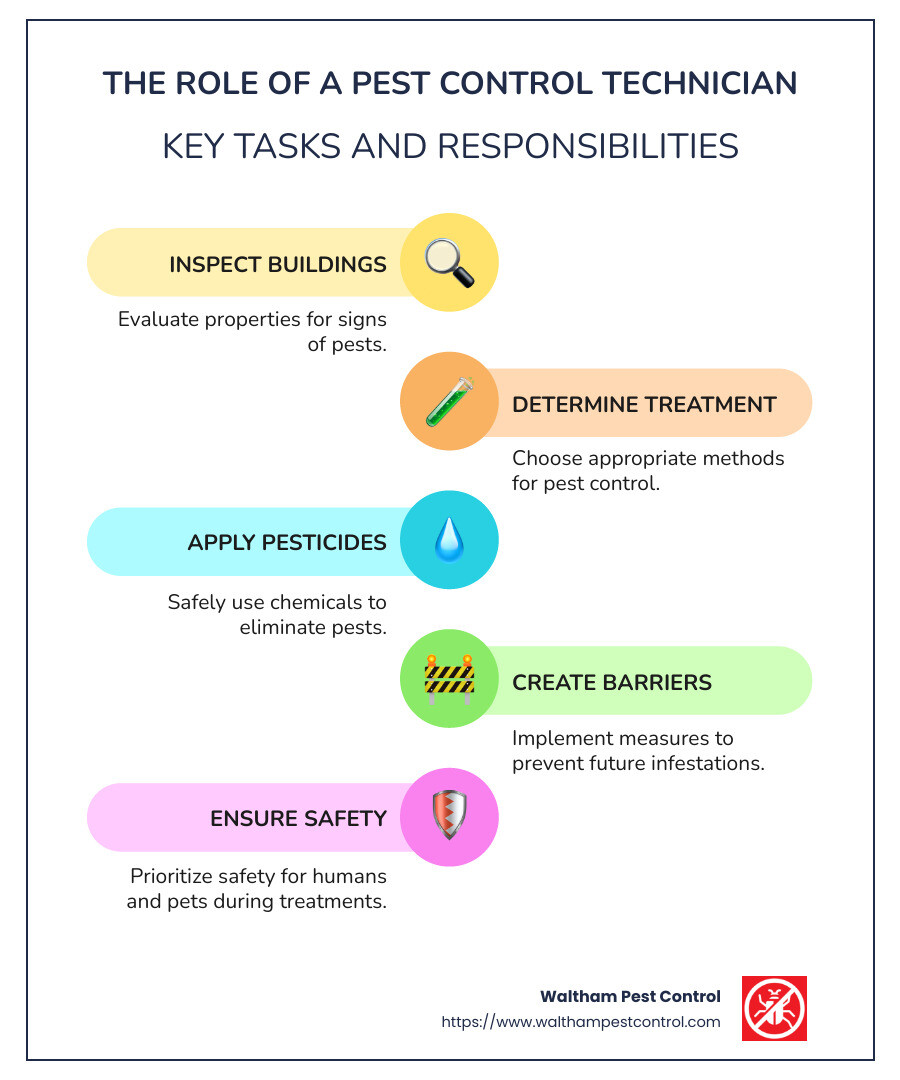
Pest control technicians are the unsung heroes who keep our homes and workplaces safe from pesky intruders. Their job is a mix of detective work, science, and hands-on action. Here’s a closer look at what they do:
Inspect Buildings
The first step in any pest control job is a thorough inspection. Technicians examine buildings for signs of infestation. This means looking for telltale signs like droppings, nests, or damage caused by pests. They need sharp eyes and attention to detail to spot these clues.
Determine Treatment
Once the problem is identified, the next step is deciding on the best treatment. This isn’t a one-size-fits-all job. Different pests require different strategies. For instance, termites may need a liquid treatment applied to the soil, while rodents might require traps. Technicians use their knowledge and experience to choose the most effective solution.
Measure Areas
Before applying any treatment, technicians must measure the area that needs attention. This helps them calculate the right amount of chemicals or traps needed. Accurate measurements ensure that the treatment is effective and safe.
Estimate Costs
Pest control services come with a cost, and technicians play a role in estimating these expenses. They consider factors like the size of the area, the type of treatment, and the severity of the infestation. Providing accurate estimates helps customers understand what to expect financially.
Use Baits and Traps
In many cases, baits and traps are used to control pests. Technicians set these up in strategic locations to catch or kill pests. This method requires patience and precision to ensure it works effectively.
Apply Pesticides
When necessary, technicians apply pesticides to affected areas. This step is done with great care to ensure safety and compliance with regulations. Technicians are trained to handle chemicals responsibly, protecting both people and the environment.
Create Barriers
Preventing future infestations is a crucial part of a technician’s job. They create barriers to keep pests out, like sealing cracks or installing screens. This proactive approach helps maintain a pest-free environment over the long term.
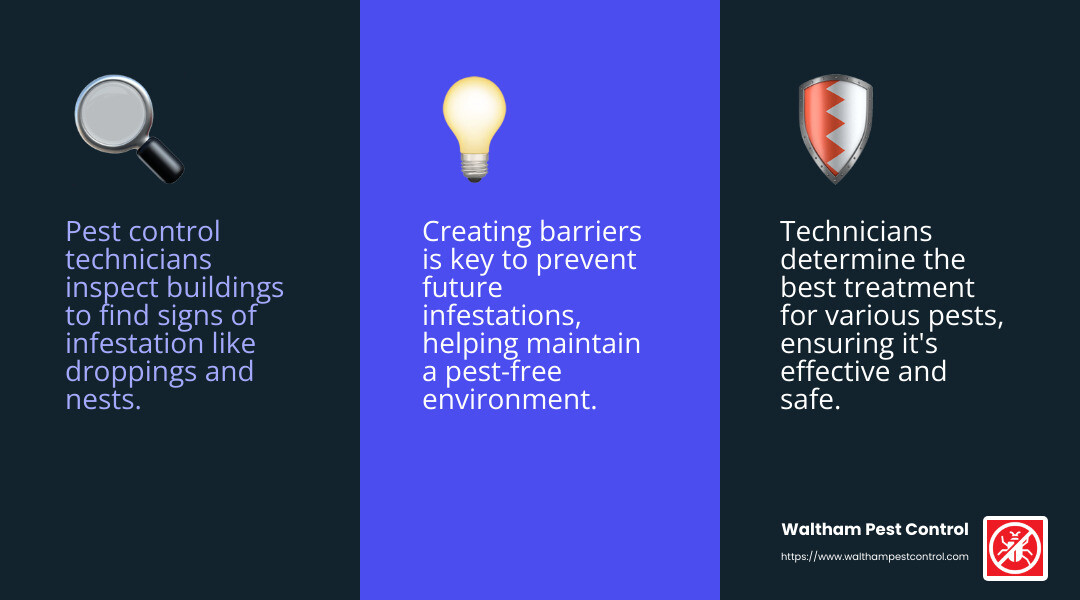
Pest control technicians are problem solvers. They tackle pest issues head-on, using a combination of skills, tools, and knowledge to protect homes and businesses. Their work is not just about eliminating pests but also about preventing them from coming back. It’s a job that requires a mix of technical know-how and good old-fashioned elbow grease, and it’s essential for maintaining a healthy and comfortable living space.
Essential Skills and Certifications for Pest Control Technicians
Becoming a pest control technician involves more than just a knack for spotting bugs. It requires a blend of education, certification, and ongoing learning. Here’s what you need to know:
Education and Certification
To start, a high school diploma or equivalent is a must. This basic education sets the foundation for further training. Next up are state certifications. Every state requires pest control technicians to be certified, but the requirements can vary. This ensures that technicians understand the safe and effective use of chemicals and techniques.
Certification programs are available at various institutions, including:
- Community Colleges and Universities: These offer comprehensive courses that cover the fundamentals of pest control.
- Technical Schools: They provide hands-on training custom to the industry.
- Dedicated Pest Control Training Centers: These centers focus exclusively on pest control education.
- Association Conferences: Events like these are great for learning the latest in pest control practices.
Continuing Education
The learning doesn’t stop once you’re certified. Continuing education is crucial to stay current with new technologies and regulations. This ongoing training can occur through:
- State Associations: These often hold workshops and seminars.
- Online Resources: Many platforms offer courses and materials for further learning.
- Conferences: Attending industry conferences is a great way to network and learn about emerging trends.
Skills Required
Beyond formal education and certifications, being a successful pest control technician requires a specific skill set:
- Attention to Detail: Spotting signs of infestation requires a keen eye.
- Problem-Solving Skills: Technicians must figure out the best treatment plans.
- Communication Skills: Explaining treatments and costs to customers is part of the job.
- Physical Stamina: The job can be physically demanding, requiring technicians to kneel, bend, and crawl in various environments.
In summary, becoming a pest control technician involves a combination of education, certification, and skill development. It’s a career that requires dedication to learning and a commitment to safety and effectiveness in pest management.
Day in the Life of a Pest Control Technician
Being a pest control technician is more than just dealing with bugs and rodents. It’s about solving problems and making spaces safer for everyone. Let’s explore what a typical day might look like.
Residential vs. Commercial
A technician’s day can vary greatly depending on whether they are servicing residential or commercial properties. Residential jobs often involve homes where technicians need to be mindful of pets and children. They might focus on common household pests like ants, bedbugs, and spiders.
On the other hand, commercial jobs can include larger spaces like restaurants or office buildings. Here, technicians might deal with more extensive infestations and need to follow specific industry regulations. This could involve pests like roaches or rodents, which can be a bigger concern in these environments.
Common Pests and State Regulations
The types of pests a technician encounters can depend on the state they operate in. For instance, in Massachusetts, technicians might frequently deal with termites and rodents, especially during certain seasons.
Each state has its own regulations regarding pest control methods and chemical usage. For example, Massachusetts requires technicians to have a valid pesticide license. This ensures that all practices meet safety standards to protect both the technician and the customer.
Software Tools and Scheduling
Modern technology has revolutionized how technicians manage their day. Gone are the days of paper routes and clipboards. Now, many companies use software tools like Briostack to streamline scheduling and routing. Technicians start their day by checking their schedule on a mobile app, which automatically updates if there are any changes or cancellations.
This technology not only helps with planning but also allows technicians to focus more on customer service. By reducing paperwork, they can spend more time addressing customer concerns and ensuring satisfaction.
Completing Jobs
Once on-site, the real work begins. A technician inspects the property, identifies the pest issue, and decides on the best treatment method. This could involve setting traps, applying pesticides, or creating barriers to prevent future infestations.
With software tools, billing and reporting are now more straightforward. Technicians can log chemical usage, schedule follow-ups, and even bill customers directly from their mobile devices. This efficiency allows them to complete jobs faster and more accurately.
In summary, a day in the life of a pest control technician is dynamic and varied. It involves balancing customer service with technical expertise, all while navigating the unique challenges of each property and pest.
Pros and Cons of Being a Pest Control Technician
Being a pest control technician comes with its own set of challenges and rewards. Let’s break down what makes this career both demanding and fulfilling.
Physical Demands
This job is physically demanding. Technicians often kneel, bend, and crawl into tight spaces to inspect sites. It’s not uncommon to spend hours on your feet, climbing ladders, or carrying equipment. You need to be in good shape and ready for a workout every day.
Hazardous Environments
Working with pesticides and other chemicals can be risky. Safety training is crucial to avoid exposure to harmful substances. Technicians wear protective gear like gloves, goggles, and respirators to minimize these risks. Despite the precautions, the potential for accidents is always there.
Seasonal Work
The pest control industry is highly seasonal. Spring and summer are busy times when pests are most active. During these months, technicians may work long hours, including evenings and weekends. In contrast, winter can be slower, which might affect income stability. Planning ahead is key to managing these fluctuations.
Job Satisfaction
Despite the challenges, many find this job rewarding. Solving pest problems has a direct impact on the health and safety of customers. Knowing you’ve made someone’s home or business safer can bring immense satisfaction. As one technician put it, “You’re not just killing bugs; you’re giving people peace of mind.”
Customer Impact
Customer interaction is a big part of the job. Technicians are often the face of the company, responsible for providing excellent service. This involves educating customers on pest prevention and ensuring their concerns are addressed. Building trust and rapport with clients can lead to repeat business and referrals, which is vital for career growth.
In conclusion, being a pest control technician is not for the faint-hearted. It requires physical stamina, attention to safety, and excellent customer service skills. However, the rewards of helping people and the potential for job satisfaction make it a worthwhile career for many.
Next, we’ll explore how you can become a better pest control technician through continued education and professional development.
How to Become a Better Pest Control Technician
Becoming a top-notch pest control technician means never stopping your learning journey. Continuous education is not just a requirement; it’s the key to staying ahead in the industry.
Continuing Education
To remain effective and safe, pest control technicians must stay updated on the latest methods and regulations. Many states require technicians to attend regular training sessions as part of their certification renewal process. This ensures you’re always equipped with the latest knowledge and techniques.
NPMA and State Associations
The National Pest Management Association (NPMA) is a great resource. They offer a wealth of information, from best practices to new research findings. Joining your state’s pest control association can also be beneficial. These organizations often host events and training sessions that are custom to the unique pest challenges in your area.
Online Resources
There are plenty of online resources available for self-paced learning. Websites and forums dedicated to pest control can provide valuable insights and tips from other professionals. These platforms are excellent for learning about new products, techniques, and industry news.
Conferences
Attending conferences is a fantastic way to learn and network. These events bring together industry leaders and experts who share their knowledge through workshops and presentations. Conferences also offer the chance to see the latest pest control technologies in action.
In summary, becoming a better pest control technician involves embracing lifelong learning. By engaging with professional associations, utilizing online resources, and attending conferences, you’ll not only improve your skills but also stay competitive in this changing field.
Next, we’ll answer some common questions about the role of pest control technicians.
Frequently Asked Questions about Pest Control Technicians
How much do pest control technicians make a year?
The salary of pest control technicians can vary depending on the location and experience. In California, pest control workers earn a median annual wage of around $43,470. Meanwhile, in Tennessee, the hourly rate ranges from $14 to $20, translating to an annual income of approximately $29,120 to $41,600, depending on hours worked and experience. Nationally, the average salary was reported to be about $38,000 in 2020, with opportunities for bonuses and commissions in some positions.
What are the duties of a pest control technician?
A pest control technician performs a variety of tasks to manage and eliminate pests. Here are some key duties:
- Inspect buildings: Look for signs of pest infestations, like droppings or damage.
- Determine treatment: Decide on the best method to eliminate pests, considering both effectiveness and safety.
- Measure areas: Calculate the size of the area that needs treatment to ensure proper application of pesticides or traps.
- Estimate costs: Provide clients with a cost estimate for the necessary pest control services.
- Use baits and traps: Set up devices to capture or kill pests.
- Apply pesticides: Use chemicals safely to eradicate pests, following strict safety guidelines.
- Create barriers: Establish physical or chemical barriers to prevent pests from entering the premises again.
These tasks require attention to detail and a strong understanding of pest behavior and control methods.
What are the cons of being a pest control technician?
Working as a pest control technician has its challenges. Here are some cons to consider:
- Physical demands: The job often involves kneeling, bending, and crawling in tight spaces, which can be physically taxing.
- Hazardous environments: Technicians may encounter hazardous materials like pesticides, requiring protective gear and safety training.
- Seasonal work: Pest control can be highly seasonal, with busy periods during certain times of the year, potentially affecting work-life balance.
Despite these challenges, many find the job rewarding due to the positive impact they have on clients’ health and well-being.
Conclusion
At Waltham Pest Control, we pride ourselves on our unwavering quality and commitment to providing effective pest management solutions. For over 40 years, we’ve been serving the Eastern Massachusetts community, ensuring that our clients can live and work in pest-free environments. Our team of licensed and insured professionals is dedicated to delivering cost-effective services that don’t compromise on safety or efficiency.
Our commitment to excellence is evident in the comprehensive range of services we offer. Whether it’s dealing with common household pests or addressing more complex commercial infestations, our pest control technicians are equipped with the latest tools and knowledge to tackle any challenge. We understand that each situation is unique, which is why we tailor our solutions to meet the specific needs of our clients.
Moreover, our focus on continuous improvement and staying updated with industry advancements ensures that we are always at the forefront of pest control technology and methods. By choosing Waltham Pest Control, you are choosing a partner who values your safety and satisfaction above all else.
For more information on how we can assist you with your pest control needs, please visit our Waltham Pest Control service page. Let us help you maintain a safe and comfortable environment, free from the nuisance of pests.
