
Pest control for schools: Top 5 Proven Strategies 2025
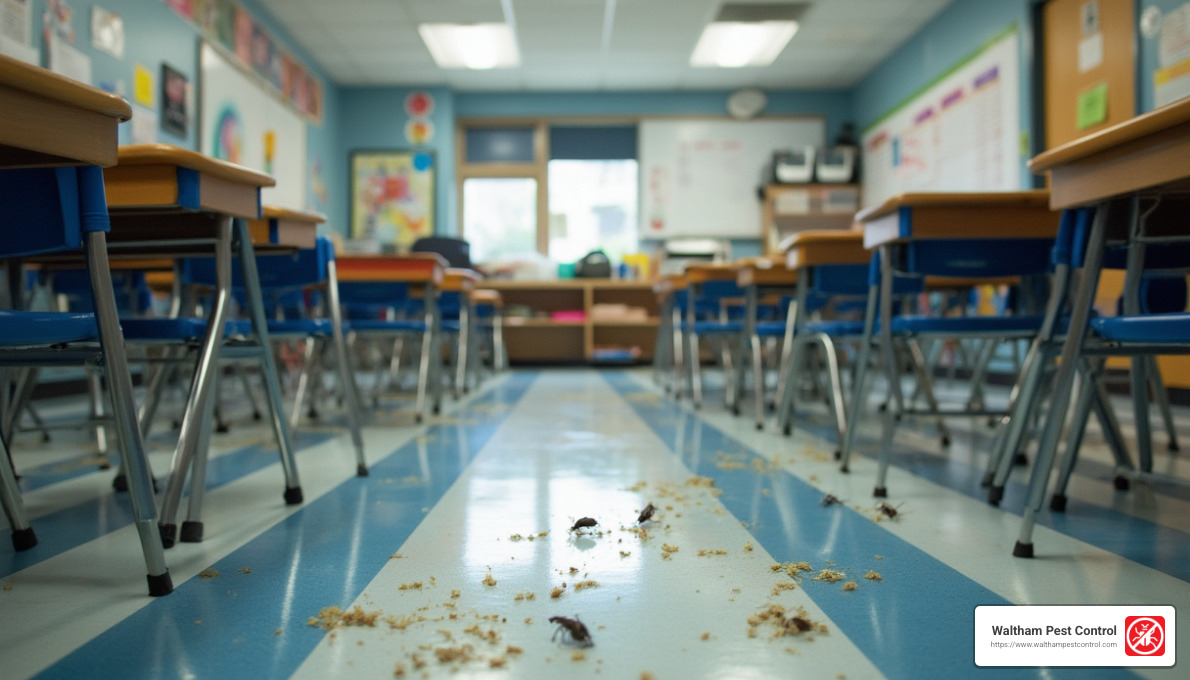
Pest control for schools is crucial for maintaining a safe and healthy educational environment. School environments are unique due to the constant activity, foot traffic, and abundance of food and shelter that can attract pests. An effective pest control strategy in schools helps protect students, staff, and the community from health hazards while preserving the structural integrity of educational facilities.
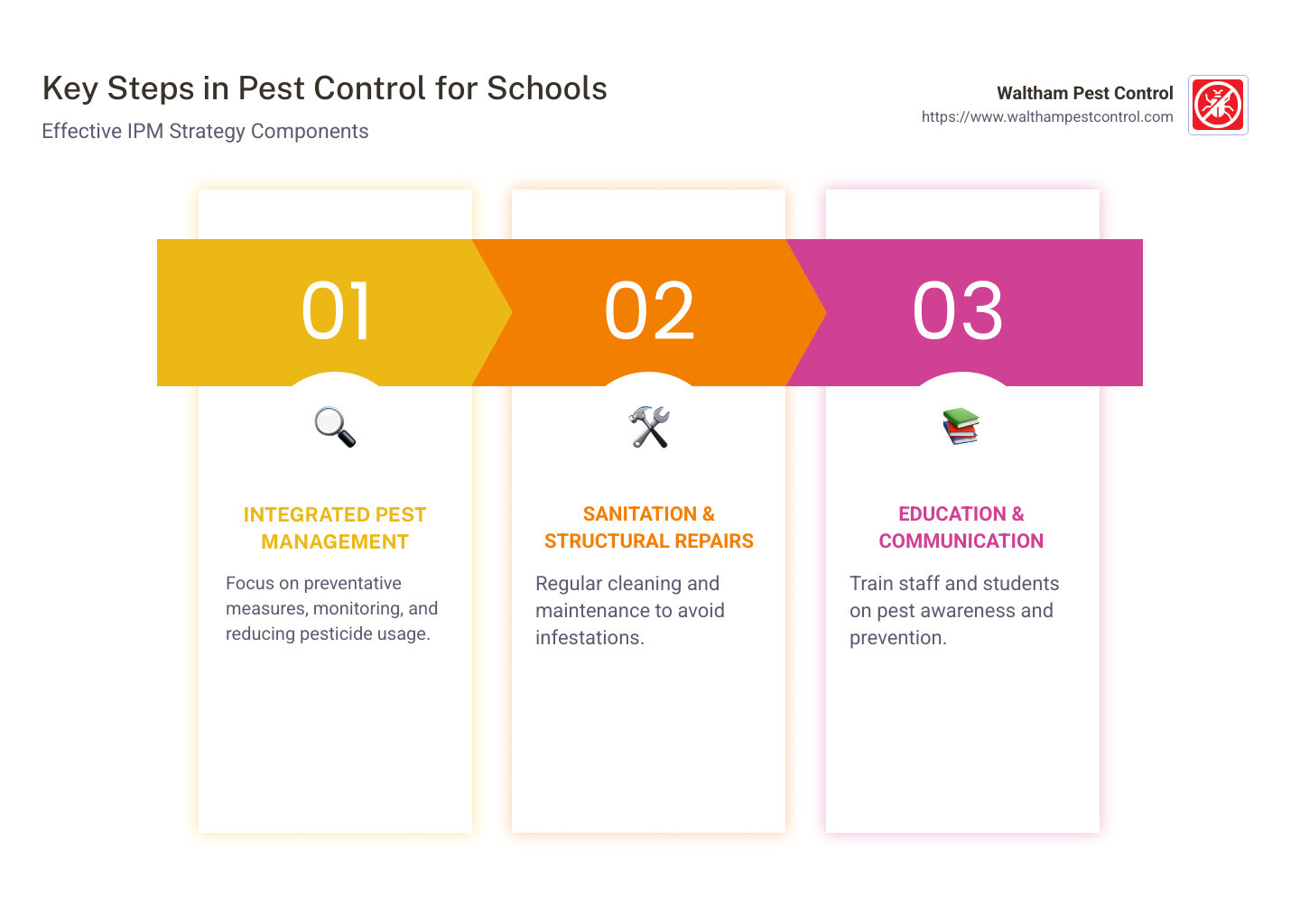
Here are key steps to ensure effective pest control in schools:
– Implement Integrated Pest Management (IPM): Focus on preventative measures, monitoring, and reducing pesticide usage.
– Ensure good sanitation and structural repairs: Regular cleaning and maintenance can prevent pest infestations.
– Education and communication: Train everyone involved in the school environment on pest awareness and prevention techniques.
As the President & CEO of Waltham Pest Control, I, Waltham Pest Control, have over 40 years of experience in pest control for schools, ensuring safe, pest-free environments. My approach emphasizes the use of Integrated Pest Management strategies to minimize health risks while effectively managing pest populations.
Pest control for schools vocab to learn:
– Child-safe pest control
– Comprehensive pest control
– Home pest control solutions
Understanding Integrated Pest Management (IPM)
Integrated Pest Management, or IPM, is a smart and eco-friendly way to manage pests. It’s not just about using pesticides but integrating various methods to keep pests at bay with minimal risk to people and the environment.
What is IPM?
IPM is a comprehensive approach to pest control. It combines different strategies to prevent pests from causing harm, whether it’s economic, health-related, or aesthetic. The aim is to manage pest populations at acceptable levels, using a combination of methods like monitoring, sanitation, and structural repairs.
Massachusetts Law and IPM
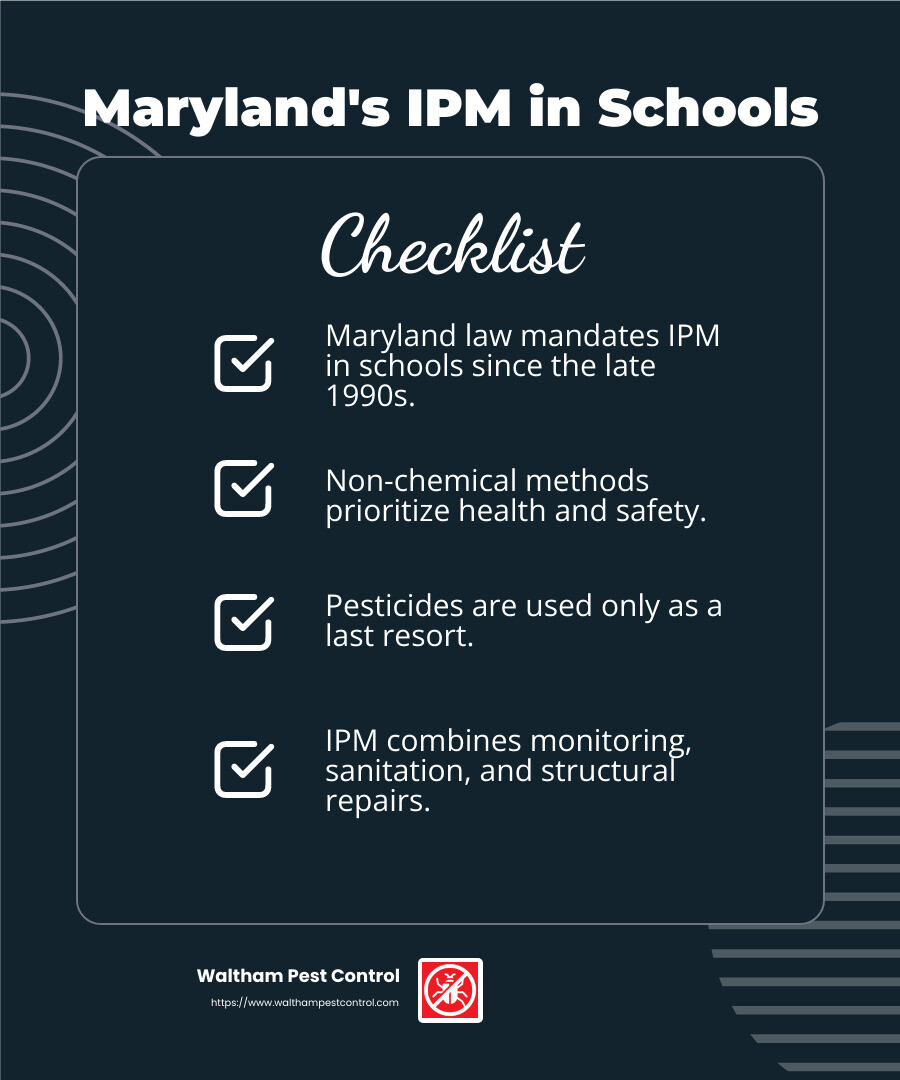
Massachusetts has been a leader in implementing IPM in schools. Since the late 1990s, Massachusetts law has required schools to adopt IPM programs. This law emphasizes non-chemical methods first, turning to pesticides only when absolutely necessary. The goal is to protect children’s health by minimizing exposure to potentially harmful chemicals.
Non-Chemical Methods
Non-chemical methods are the backbone of an effective IPM program. These include:
- Sanitation: Keeping areas clean and free of food debris to make them less attractive to pests.
- Structural Repairs: Fixing cracks and holes in buildings to keep pests out.
- Monitoring: Regular inspections and the use of traps to keep track of pest activity.
Communication and Record Keeping
A successful IPM program relies on good communication and diligent record keeping. Schools need to:
- Communicate: Keep everyone informed about pest control activities and educate staff and students on preventative measures.
- Record Keeping: Maintain detailed logs of pest sightings, treatments, and outcomes to track the program’s effectiveness.
Program Evaluation and Quality Assurance
Regular evaluation of the IPM program is crucial. This involves assessing the effectiveness of current strategies and making improvements where necessary. Quality assurance ensures that the program meets safety standards and effectively reduces pest populations.
By understanding and implementing these components, schools can maintain a safe and healthy environment for students and staff alike.
Key Components of an IPM Program
Implementing an Integrated Pest Management (IPM) program in schools involves several key components that work together to manage pests effectively and safely. Let’s explore each aspect in detail:
Monitoring
Monitoring is the cornerstone of any successful IPM program. It involves regular surveillance of school areas to identify pest problems early. This can be done through:
- Traps: Placing traps in strategic locations to capture and identify pest species.
- Visual Inspections: Conducting routine checks in classrooms, cafeterias, and other common areas.
- Staff Interviews: Engaging with staff to gather information about pest sightings and problem areas.
This proactive approach helps in assessing pest activity and determining the best course of action.
Sanitation and Structural Repairs
Maintaining a clean and well-maintained school environment is crucial for preventing pest infestations. Key practices include:
- Proper Sanitation: Regular cleaning to remove food debris and waste, which can attract pests.
- Clutter Reduction: Keeping areas organized to eliminate hiding spots for pests.
- Small Repairs: Fixing cracks, sealing entry points, and ensuring windows and doors are properly fitted to keep pests out.
These measures create an inhospitable environment for pests, reducing the likelihood of an infestation.
Communication and Education
Effective communication and education are vital for the success of an IPM program. Schools should focus on:
- Staff Cooperation: Encouraging staff to report pest sightings and participate in control measures.
- Training Programs: Educating staff and students on pest identification, biology, and the importance of sanitation.
By fostering a culture of awareness and cooperation, schools can improve their pest control efforts significantly.
Record Keeping
Diligent record keeping is essential for tracking the progress and effectiveness of an IPM program. This involves:
- Logbooks: Maintaining detailed records of pest sightings, monitoring data, and housekeeping observations.
- Monitoring Data: Analyzing trends and patterns in pest activity to inform future control strategies.
Accurate records help in evaluating the success of the program and making necessary adjustments.
Non-Pesticidal Pest Control Methods
Non-pesticidal methods form the backbone of an IPM strategy, offering safe and effective pest control options. These include:
- Trapping: Using mechanical traps to capture pests without chemicals.
- Screening and Caulking: Installing screens and sealing gaps to prevent pest entry.
- Steam Cleaning and Power Washing: Using high-temperature cleaning to eliminate pests and their habitats.
These methods prioritize safety and sustainability, minimizing the need for chemical interventions.
Pesticidal Pest Control Methods
When non-chemical methods are insufficient, pesticides may be used as a last resort. Key considerations include:
- Effective Application: Applying pesticides in a targeted manner to control specific pests.
- Minimize Exposure: Ensuring that pesticide use is limited and poses minimal risk to humans and non-target species.
By using pesticides judiciously, schools can effectively manage pest problems while safeguarding health and the environment.
Implementing these components within an IPM framework ensures a comprehensive and effective approach to pest control in schools, maintaining a safe and healthy environment for all occupants.
Common Pests in Schools and Their Control
Schools are busy environments that can attract a variety of pests. Understanding the specific pests of concern and where they typically hide is crucial for effective pest control for schools.
Specific Pests of Concern
Pests in schools can range from insects and rodents to fungi and weeds. Each poses unique challenges and health concerns:
- Insects: Ants, cockroaches, flies, mosquitoes, and bed bugs are common in schools. They can spread diseases and cause allergic reactions. For instance, cockroaches are known to trigger asthma in children.
- Rodents: Mice and rats are not just a nuisance but also a health hazard. They can carry diseases and cause structural damage by gnawing on wires and walls.
- Fungi and Weeds: These can damage school landscapes and athletic fields, affecting the aesthetic and usability of the grounds.
- Bees and Wasps: While beneficial for pollination, their stings can be dangerous, especially for those allergic.
- Ticks and Biting Midges: These pests can carry Lyme disease and other illnesses, posing health risks to students and staff.
- Termites: Known as “silent destroyers,” termites can cause significant structural damage to school buildings.
Where to Look for Pests in Schools
Pests can find their way into various areas of a school. Knowing where to look can help in early detection and control:
- Cafeterias: Food and water make cafeterias prime spots for pests like ants and cockroaches. Regular cleaning and proper food storage are essential.
- Classrooms and Lockers: Clutter and food remnants can attract pests. Regular cleaning and organization can help reduce infestations.
- Gyms and Locker Rooms: Warmth and moisture in these areas can attract pests such as lice and mosquitoes.
- Dumpsters and Exterior Conduits: These areas are hotspots for rodents and insects. Ensuring dumpsters are closed and away from buildings can help.
- Landscapes and School Grounds: Neglected landscapes can attract a variety of pests, including termites and ticks. Regular maintenance is key.
- Buses: Pests can hitch a ride on school buses, spreading infestations. Regular cleaning and inspections can prevent this.
By addressing these common pests and their hiding places, schools can maintain a healthier learning environment. Implementing preventive measures and regular monitoring are essential steps in effective pest management.
Preventive Measures for Pest Control in Schools
Effective pest control for schools starts with prevention. By implementing a few strategic measures, schools can significantly reduce the likelihood of pest infestations and create a safer environment for students and staff.
Restricting Food Areas
Food is a major attraction for pests. Schools should set strict rules about where food can be eaten. Encourage students and staff to eat only in designated areas like the cafeteria. This helps keep crumbs and spills contained, making it easier to clean and reducing the chances of attracting pests like ants and cockroaches.
Moving Dumpsters
Dumpsters are a magnet for pests. Position them away from school buildings to minimize the risk of pests entering the school. Regularly empty and clean dumpsters to prevent overflow and odors that attract rodents and insects.
Repairing Leaks
Water is essential for pests. Fix any leaking pipes or faucets promptly to eliminate water sources that pests need to survive. This simple action can prevent infestations of pests like cockroaches and mosquitoes, which thrive in moist environments.
Pressure Cleaning
Regular pressure cleaning of food service areas and other high-traffic zones can remove food residues and grime that attract pests. This deep cleaning method reaches areas that regular cleaning might miss, ensuring a more thorough removal of potential pest attractions.
Sealing Cracks
Pests find their way into schools through small cracks and crevices. Inspect the building regularly and seal any gaps in walls, windows, and doors. This prevents entry points for pests such as mice and insects, making it harder for them to invade.
Sanitation Measures
Good sanitation is key to preventing pest problems. Implement a rigorous cleaning schedule to keep all areas of the school clean. This includes regular sweeping, mopping, and wiping down surfaces to remove food particles and spills.
Cleaning Gutters and Directing Water Flow
Clogged gutters can lead to water pooling, which attracts pests like mosquitoes. Keep gutters clear and ensure water is directed away from the building’s foundation. This prevents water accumulation that can attract pests and cause structural damage.
Educating Students and Staff
Education is a powerful tool in pest prevention. Teach students and staff about the importance of pest control and how their actions can contribute to a pest-free environment. Simple habits like disposing of trash properly and keeping personal spaces tidy can make a big difference.
By adopting these preventive measures, schools can effectively manage pest populations and create a healthier, more pleasant learning environment. These strategies not only deter pests but also improve the overall maintenance and safety of the school facilities.
Frequently Asked Questions about Pest Control for Schools
Can pesticides be used in schools?
Yes, pesticides can be used in schools, but with strict regulations to ensure safety. The Environmental Protection Agency (EPA) sets guidelines for pesticide use, emphasizing the need for Integrated Pest Management (IPM) programs. IPM prioritizes non-chemical methods and uses pesticides as a last resort. When pesticides are necessary, schools must notify parents and staff in advance, detailing the pesticide’s common name, application location, and potential health effects. Secure storage of pesticides is crucial to prevent unauthorized access, especially in environments with children.
How do you keep pests from coming into your school or center?
Preventing pests from entering schools involves a combination of strategies focused on sanitation, structural repairs, and food management. First, restrict food consumption to designated areas like cafeterias to minimize crumbs and spills that attract pests. Implementing rigorous sanitation measures, such as regular cleaning and waste disposal, is essential. Structural repairs also play a critical role; sealing cracks and repairing leaks eliminate entry points and water sources for pests. Additionally, maintaining clean and clutter-free environments in classrooms and storage spaces discourages pest habitation.
Why are pests such a problem in schools?
Schools present a unique challenge for pest control due to their busy environments. Foodservice operations provide ample food sources, while the constant foot traffic creates opportunities for pests to enter unnoticed. Schools offer pests access to essential resources like food, water, and shelter. Cafeterias, lockers, and restrooms are common areas where these resources are abundant. The dynamic nature of school activities means that even small lapses in cleanliness or maintenance can lead to significant pest issues. Implementing effective pest control measures, including IPM strategies, helps manage these challenges and maintain a healthy learning environment.
Conclusion
In schools, Integrated Pest Management (IPM) is not just a method—it’s a necessity. This approach is vital for creating a safe and healthy environment conducive to learning. By integrating monitoring, sanitation, structural repairs, and non-chemical methods, IPM aims to minimize the use of pesticides, ensuring minimal exposure to students and staff.
Maintaining an ongoing IPM program requires cooperation from everyone involved. Teachers, staff, students, and parents must all play their part in understanding and supporting the program. This collective effort ensures that pest management is effective and sustainable over the long term.
At Waltham Pest Control, we are committed to providing comprehensive pest control solutions that prioritize safety and effectiveness. With over 40 years of experience, we understand the unique challenges schools face and offer custom IPM strategies to address them. Our licensed and insured services ensure that schools in Eastern Massachusetts remain pest-free, allowing educators to focus on what matters most—teaching and nurturing students.
For schools looking to implement or improve their pest control measures, partnering with a trusted provider like Waltham Pest Control can make all the difference. Our expertise and dedication to quality ensure that schools can maintain a healthy and productive learning environment.
For more information on our services, visit our Waltham Pest Control service page.
In conclusion, effective pest control in schools is a collaborative effort that requires ongoing commitment and the right strategies. By embracing IPM and working together, schools can successfully manage pests and provide a safe space for education.
