
Pest control for restaurants: 7 Powerful Tips for Success
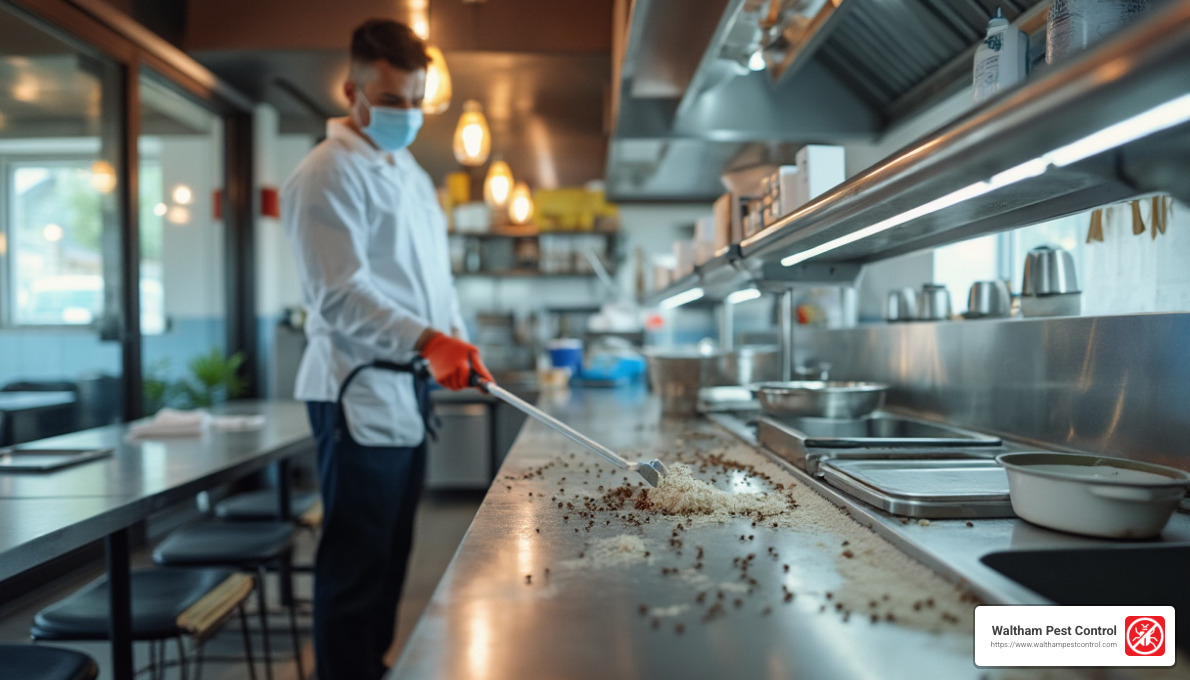
Pest control for restaurants is not just a precautionary measure—it’s a vital part of maintaining your business’s reputation and ensuring a safe environment for patrons and staff. For a quick understanding, consider these key points:
- Protect Your Reputation: A single pest sighting can irreparably damage your restaurant’s reputation.
- Health Risks: Pests often carry diseases and bacteria that pose serious health threats.
- Regulatory Compliance: Effective pest control measures are crucial for passing health inspections.
In the restaurant industry, maintaining a pest-free environment is critical. Customers expect dining spaces to be clean and safe, and one pest sighting can quickly lead to negative reviews and loss of business. Moreover, pests such as cockroaches, rodents, and flies are not only unsightly but also health hazards, potentially spreading harmful bacteria like E. coli and Salmonella. Non-compliance with health standards can also result in penalties or even closures by regulatory agencies.
I am Waltham Pest Control, President & CEO of Waltham Pest Control Co., Inc., with over 40 years of experience in pest control for restaurants and other establishments. My team and I understand the nuances of keeping your business pest-free, ensuring the safety and satisfaction of your patrons and staff.
Pest control for restaurants word guide:
– Comprehensive pest control
– Emergency pest control
– Rodent exclusion services
The Importance of Pest Control for Restaurants
Customer Perception
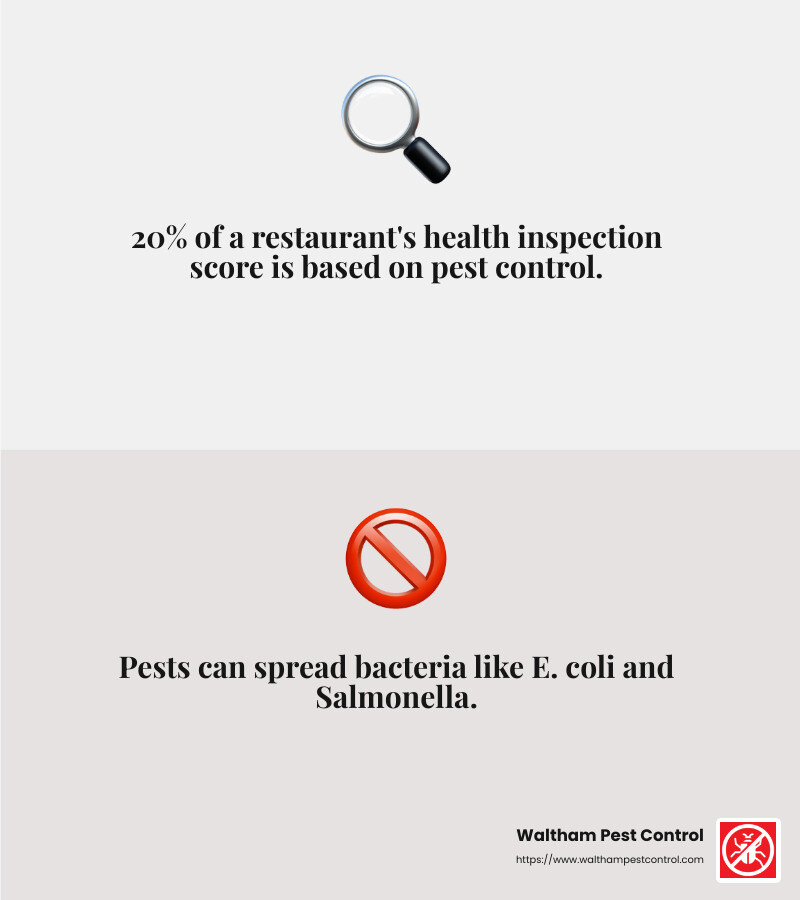
In the restaurant world, first impressions are everything. Imagine sitting down at your favorite eatery and spotting a cockroach scuttling across the floor. Not exactly appetizing, right? Pest control for restaurants is crucial because customers expect a clean and hygienic environment. A single pest sighting can lead to negative reviews, damaging your reputation and causing a significant loss of business. In fact, according to QSR Magazine, 20% of a restaurant’s health inspection score is based on pest control. This means that maintaining a pest-free environment isn’t just about keeping customers happy—it’s about keeping your doors open.
Health Inspections
Health inspections are a critical aspect of running a restaurant. These inspections ensure that establishments adhere to strict health and safety standards. Pests like flies, rodents, and cockroaches are notorious for spreading bacteria, including E. coli and Salmonella, which can lead to severe illnesses. Regular pest control measures help ensure that your restaurant passes health inspections with flying colors, avoiding any penalties or fines.
Regulatory Compliance
Failing to comply with health regulations can lead to severe consequences, including hefty fines or even closure. Regulatory agencies have stringent standards when it comes to cleanliness and pest control. By implementing effective pest control strategies, you not only protect your customers but also your business from legal repercussions. Professional pest control services, like those offered by Waltham Pest Control, provide customized packages to help restaurants maintain compliance with all necessary regulations.
Pest control is not just about keeping pests away; it’s about safeguarding your business’s reputation, ensuring the health and safety of your customers, and staying compliant with regulatory standards.
Next, we’ll explore the common pests found in restaurants and how they can impact your business.
Common Pests Found in Restaurants
Cockroaches
Cockroaches are a nightmare for any restaurant owner. These resilient pests can live for weeks without food or water, and some can even survive without their heads for a short period. Cockroaches are notorious for spreading pathogens, which can endanger the health of both staff and customers. They are particularly fond of warm, moist environments, making kitchens and food prep areas their ideal habitats. The German cockroach, known for its rapid reproduction, is the most common species found in U.S. restaurants.
Rodents
Rats and mice are not just unsightly; they are dangerous. These pests can chew through food packaging and electrical wiring, causing significant damage to your inventory and equipment. More alarmingly, rodents carry diseases such as Salmonella and Listeria, which can contaminate food and surfaces. Rodents are adept at squeezing through tiny openings, so it’s crucial to seal any gaps or cracks in your establishment.
Flies
Flies might seem less concerning than other pests, but they pose a considerable health risk. They can carry hundreds of diseases and easily contaminate food simply by landing on it. Flies are particularly attracted to sugary liquids and food residues, so keeping your restaurant clean is essential. Using door sweeps and air curtains can help keep these flying pests out.
Ants
Ants are more than just a nuisance; they can contaminate food and surfaces, especially in areas where food is prepared or stored. While they don’t carry diseases like some other pests, their presence can still indicate sanitation issues. Ants are drawn to sweet and greasy substances, so proper food storage and cleaning practices are key to keeping them at bay.
Stored Product Pests
Stored product pests, such as beetles and moths, can infest dry goods like flour, grains, and spices. These pests can lead to significant product loss and financial waste for your restaurant. Regularly inspecting and rotating stock, along with maintaining clean storage areas, can help prevent infestations.
Understanding the common pests found in restaurants is the first step in effective pest control for restaurants. Next, we’ll dive into preventative measures that can help keep these unwelcome visitors at bay.
Preventative Measures for Pest Control
To maintain a pest-free restaurant environment, prevention is key. By focusing on cleanliness and proactive measures, you can stop pests before they become a problem. Let’s explore some effective strategies for both interior and exterior pest control.
Interior Pest Control
Cleaning Standards
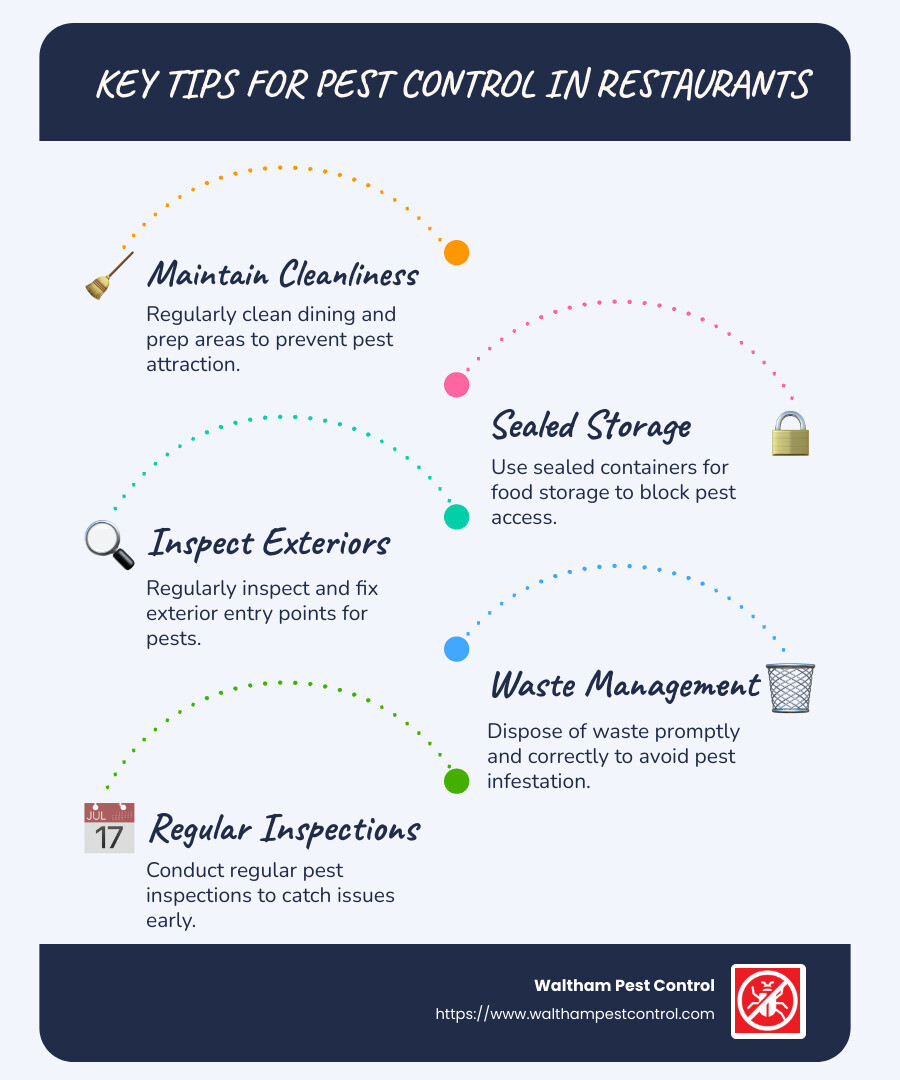
Maintaining high cleaning standards is your first line of defense against pests. In dining areas, promptly clean tables and seats after guests leave. Sweep floors to remove crumbs and spills. In food prep areas, sanitize equipment after each use, paying attention to crumbs and splashes. For storage areas, use tightly-sealed food storage containers and store items at least 6 inches off the ground and 12 inches from walls. This makes it easier to clean and inspect these areas regularly.
Sealing Cracks
Pests can enter your restaurant through the tiniest of openings. Regularly inspect your establishment for cracks and gaps, especially around windows, doors, and utility lines. Seal these openings to prevent pests like rodents and insects from sneaking in.
Waste Management
Proper waste management is crucial. Equip all trash cans with liners and lids to keep pests out. Regularly clean and sanitize trash cans, even after emptying them, to eliminate any residual food waste. Pay special attention to floor drains, which can attract pests like flies. Clean them with chemical cleaners to make them less inviting.
Food Storage
Implement the “First In First Out” inventory method to ensure food doesn’t sit in storage for too long. This reduces the chance of attracting pests like stored product pests. Regularly inspect and rotate stock to prevent infestations.
Exterior Pest Control
Lighting
Exterior lighting can attract pests. Use yellow or sodium vapor lights, which are less attractive to insects, to reduce pest activity around your entrances.
Waste Receptacles
Position waste receptacles away from your restaurant’s entrances to minimize pest attraction. Ensure they have secure lids and are emptied frequently to prevent overflow, which can lure pests.
Entrances and Exits
Keep entrances and exits secure. Install door sweeps and air curtains to prevent flying insects from entering. Regularly check doors and windows for proper sealing and repair any damage immediately.
By implementing these preventative measures for pest control, you can create an environment that is less inviting to pests, ensuring the safety and satisfaction of your customers and staff.
Next, we’ll explore effective pest control strategies to further safeguard your restaurant.
Effective Pest Control Strategies
To keep your restaurant pest-free, adopt a combination of proactive strategies and professional services. Let’s dig into some effective methods that can make a significant difference.
Integrated Pest Management (IPM)
Integrated Pest Management (IPM) is a comprehensive approach to pest control that emphasizes prevention, monitoring, and control. This method is highly effective due to its focus on understanding pest behavior and using targeted treatments.
Regular Inspections
Regular inspections are the backbone of IPM. By frequently checking your restaurant for signs of pests, you can catch issues early before they escalate. This involves monitoring high-risk areas such as kitchens, storage rooms, and waste disposal zones.
Preventive Treatments
Preventive treatments are essential in IPM. These include sealing entry points, maintaining cleanliness, and using non-chemical methods like traps and barriers to deter pests. Such measures help to minimize the need for chemical interventions.
Monitoring and Real-Time Insights
Monitoring involves keeping track of pest activity to identify patterns and potential problem areas. Using real-time insights, you can adjust your pest control strategies to be more effective, ensuring that you’re always one step ahead of any infestations.
Professional Pest Control Services
While preventive measures and IPM are crucial, professional pest control services offer additional expertise and resources to maintain a pest-free environment.
Customized Packages
Professional services provide customized pest control packages custom to your restaurant’s specific needs. These packages consider the type of pests you’re dealing with, the size of your establishment, and other unique factors.
24/7 Customer Service
Having access to 24/7 customer service ensures that you can address pest issues promptly, minimizing potential disruptions to your business. This quick response can be crucial during emergencies or unexpected infestations.
Experienced Technicians
Experienced technicians bring a wealth of knowledge and skill to the table. They can accurately identify pests, assess the severity of an infestation, and implement effective solutions. Their expertise ensures that your restaurant remains compliant with health and safety standards.
By integrating Integrated Pest Management (IPM) and professional services, you can create a robust pest control strategy that protects your restaurant and its reputation.
Next, we’ll discuss how often pest control should be conducted in a restaurant setting to maintain a pest-free environment.
How Often Should Pest Control Be Done in a Restaurant?
Maintaining a pest-free restaurant is an ongoing commitment. Pest control for restaurants requires a strategic approach to ensure that pests don’t become a problem. Here’s how you can schedule pest control effectively:
Quarterly Treatments
Regularity is key to effective pest management. Many experts recommend scheduling quarterly treatments. This frequency helps in catching any potential infestations before they grow large. Quarterly treatments also align well with seasonal changes, which can affect pest behavior.
Seasonal Adjustments
Different seasons bring different pests. For instance, ants might be more active in the spring, while rodents may seek shelter indoors during winter. Adjusting your pest control measures seasonally can help address these changes effectively. Consider increasing the frequency of inspections or treatments during peak pest seasons to stay ahead of potential issues.
Emergency Services
Despite the best preventative measures, emergencies can still occur. Having access to emergency services is crucial. This ensures that any sudden infestations are dealt with swiftly, minimizing the risk to your restaurant’s reputation and operations. Quick response times can prevent minor issues from escalating into major problems.
By incorporating a combination of quarterly treatments, seasonal adjustments, and emergency services, you can maintain a robust pest control schedule that keeps your restaurant safe and compliant.
Next, we’ll tackle some frequently asked questions about pest control in restaurant settings.
Frequently Asked Questions about Pest Control for Restaurants
How do restaurants control pests?
Controlling pests in a restaurant involves a combination of proactive measures and regular maintenance. Cleaning standards are crucial. Keeping dining areas, food prep zones, and storage spaces spotless can significantly reduce the risk of pest infestations. Crumbs and spills should be cleaned up immediately to avoid attracting pests like cockroaches and rodents.
Sealing cracks and gaps in walls, floors, and around windows and doors is another essential step. These small openings can serve as entry points for pests. Regular inspections can help identify and seal these vulnerabilities before pests find their way inside.
Waste management plays a vital role, too. Ensure that trash cans are lined and have tight-fitting lids to prevent pests from accessing food waste. Empty and clean these receptacles frequently, both inside and outside the restaurant, to prevent attracting pests like flies and rodents.
What is the most common pest in restaurants?
Several pests are commonly found in restaurants, but the most prevalent include cockroaches, rodents, and flies.
- Cockroaches are notorious for spreading pathogens and are difficult to eliminate once they establish a presence. They thrive in warm, moist environments, making kitchens and food storage areas ideal for them.
- Rodents, such as mice and rats, are not only unsightly but also carriers of diseases like salmonella and E. coli. They can cause significant damage by chewing through food packaging and electrical wiring.
- Flies are less alarming but equally problematic. They can quickly contaminate food and surfaces with bacteria, posing health risks to both staff and customers.
Who should apply pesticides in a restaurant?
When it comes to applying pesticides in a restaurant, rely on certified commercial pesticide applicators or licensed pest control operators. These professionals are trained to handle pesticides safely and effectively. They understand the regulations and best practices that ensure the safety of your staff and customers while maintaining compliance with health standards.
Hiring licensed professionals not only ensures effective pest control but also reduces the risk of improper pesticide use, which can lead to health hazards and legal issues.
By maintaining high cleaning standards, sealing entry points, and managing waste effectively, restaurants can significantly reduce the risk of pest infestations. For any pest control measures that involve pesticides, always consult with certified professionals to ensure safe and compliant practices.
Next, let’s discuss the importance of professional pest control and how Waltham Pest Control can help maintain a pest-free environment.
Conclusion
Maintaining a pest-free environment is crucial for any restaurant aiming to protect its reputation and ensure the safety of its patrons. Pests can cause significant health risks, disrupt operations, and drive customers away. Therefore, investing in professional pest control services is not just an option—it’s a necessity.
Importance of Professional Pest Control
Professional pest control services offer expertise and solutions that go beyond basic pest prevention methods. Trained technicians can identify potential pest threats before they become problems, using advanced techniques and treatments that are both effective and safe. This proactive approach not only addresses existing issues but also helps prevent future infestations.
Professional services also ensure compliance with health regulations and standards, which is vital for passing inspections and maintaining a good standing with regulatory bodies. As noted in industry sources, a substantial portion of a restaurant’s health inspection score is based on pest control practices. Thus, partnering with a trusted pest control provider is key to protecting your business.
Waltham Pest Control
At Waltham Pest Control, we have over 40 years of experience serving the Eastern Massachusetts area, including Middlesex County, Essex County, and Norfolk County. Our commitment to quality and cost-effective pest management solutions makes us a trusted partner for restaurants looking to maintain a pest-free environment.
Our team of licensed and insured technicians is dedicated to providing customized pest control packages custom to the unique needs of your establishment. We understand the local pest pressures and offer real-time insights to keep you informed and your restaurant safe.
With our help, you can focus on what you do best—providing excellent food and service—while we take care of keeping pests at bay. From regular inspections to emergency services, we are here to support your business 24/7.
For more information on how we can help your restaurant maintain a pest-free environment, visit our Waltham Pest Control service page.
In conclusion, professional pest control is an essential component of restaurant management. By partnering with experts like Waltham Pest Control, you can safeguard your business, ensure the health and safety of your customers, and uphold your restaurant’s reputation.