

Pest control for gardens: 10 Best Natural Solutions
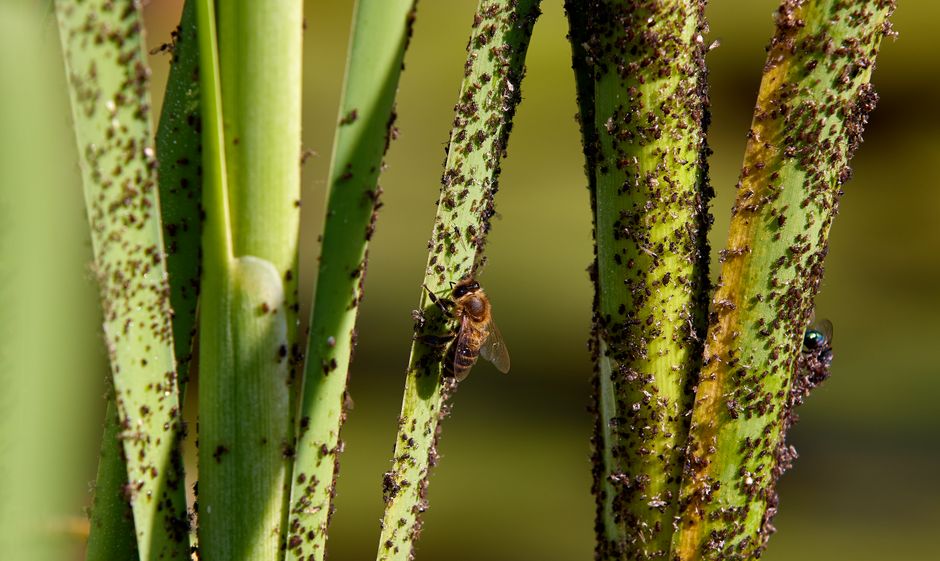
Pest control for gardens is a crucial step in maintaining a thriving, healthy environment for your plants. Whether you’re dealing with pesky aphids munching on leaves or tenacious grasshoppers devouring your vegetables, controlling these intruders can be challenging. Here’s a quick guide to get started:
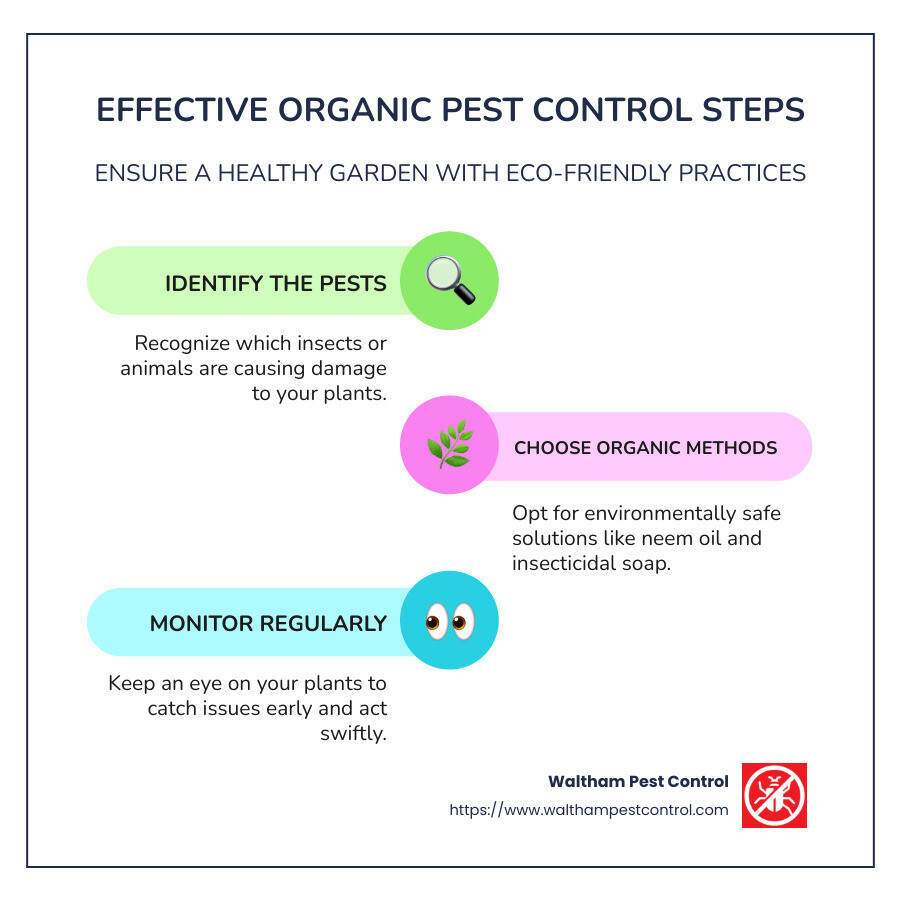
- Identify the pests: Recognize which insects or animals are causing damage.
- Choose organic methods: Opt for environmentally safe solutions like neem oil, insecticidal soap, or physical barriers.
- Monitor regularly: Keep an eye on your plants to catch issues early.
- Act swiftly: Once identified, take immediate action to manage the pest problem.
Are you wondering why your garden is attracting these unwanted visitors? Usually, pests are a natural part of gardening, drawn in by healthy plants as part of the ecosystem. Using organic pest control methods not only keeps your garden safe but also contributes to a healthier environment.
I’m Waltham Pest Control, seasoned in Pest control for gardens with over 40 years at Waltham Pest Control. My experience and commitment to quality ensure reliable solutions for keeping gardens healthy and pest-free.
Pest control for gardens terms simplified:
– Child-safe pest control
– Home pest control solutions
– Wildlife control services
Why Pests Are in Your Garden
Gardening is a delightful journey, but it comes with its own set of challenges. One of the most common problems is dealing with pests. But why are they there in the first place?
Natural Part of Gardening
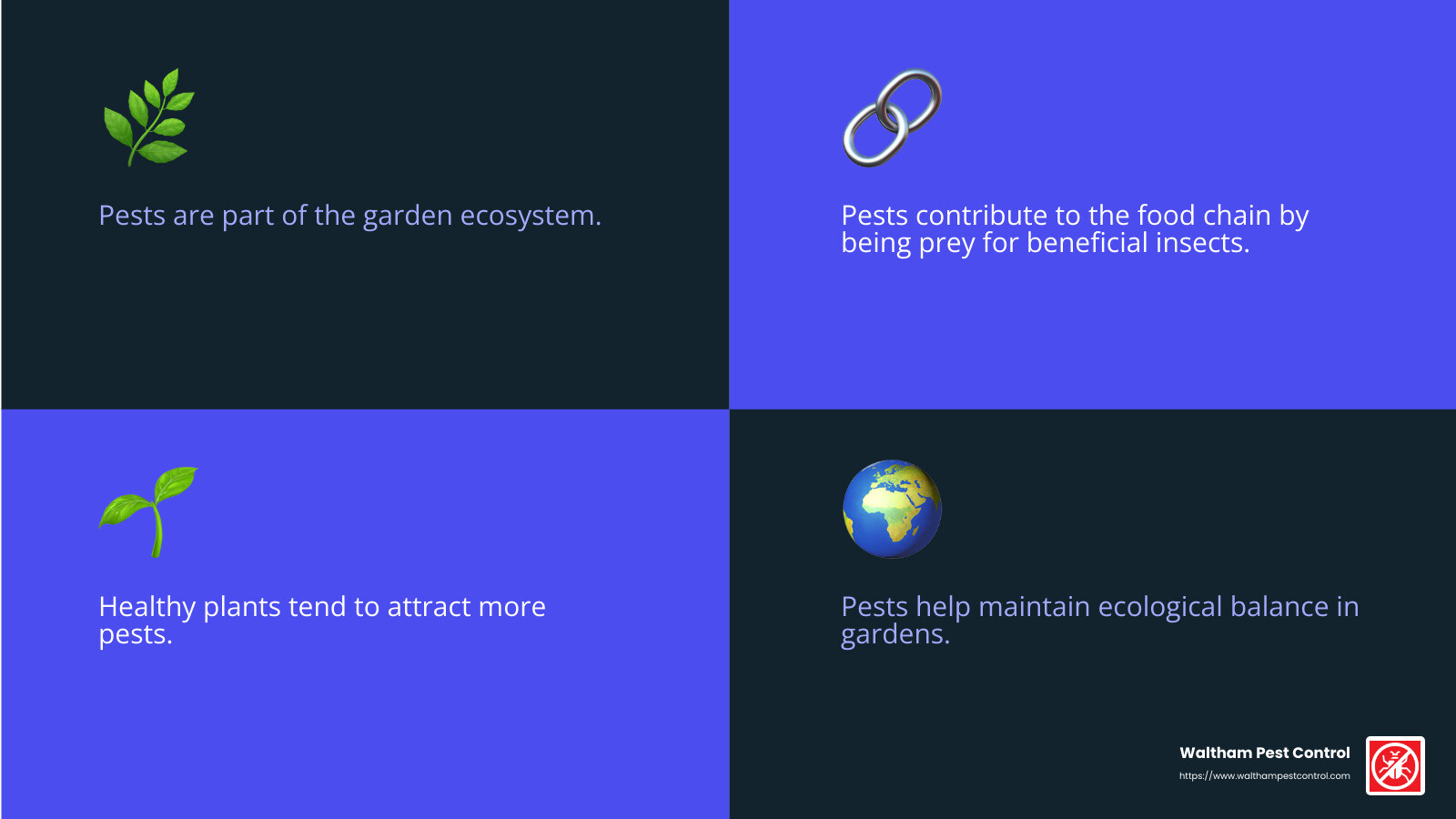
Pests are an inevitable part of the gardening ecosystem. They are not just invaders; they play a role in the natural cycle of your garden. As explained by experienced gardeners, pests like aphids, caterpillars, and beetles are part of the food chain. They feed on plants, and in turn, become food for beneficial insects and animals. This cycle helps maintain balance in nature.
Healthy Plants Attract Pests
Interestingly, healthy plants are more likely to attract pests. Why? Because they are nutritious and appealing. As one farmer insightfully put it, “If the caterpillars don’t want to eat it, it ain’t no good.” This means that if your plants are thriving, pests will see them as a prime food source. This is not a sign of a failing garden but rather a testament to your successful gardening skills.
Part of the Food Chain
In the grand scheme of things, pests are just another link in the food chain. They contribute to biodiversity, supporting a range of other species. Beneficial insects, like ladybugs and predatory wasps, rely on pests as a food source to survive. Thus, having pests in your garden can actually attract these helpful allies, which in turn can help manage pest populations naturally.
Understanding the role of pests in your garden is the first step in managing them effectively. By embracing organic pest control methods, you not only protect your plants but also contribute to a healthier and more balanced ecosystem.
Next, we’ll explore Organic Pest Control Methods to help you maintain a flourishing garden without relying on harmful chemicals.
Organic Pest Control Methods
Managing pests in your garden doesn’t have to mean reaching for harsh chemicals. There are plenty of organic pest control methods that are effective and environmentally friendly. Let’s explore some of these methods that can help you keep your garden healthy and thriving.
1. Handpicking
Sometimes, the simplest solution is the best. Handpicking involves manually removing pests from your plants. It’s particularly effective for larger pests like caterpillars and beetles. Although it might sound tedious, it can be quite rewarding. Many gardeners prefer to do this in the early morning or late evening when pests are less active.
2. Water Spray
A good water spray can knock off pests like aphids and spider mites. Use a strong jet of water to wash these pests off your plants. This method is safe for your plants and doesn’t harm beneficial insects. Just be sure to spray in the morning so your plants have time to dry, preventing fungal diseases.
3. Beneficial Insects
Nature has its own pest control agents. Beneficial insects like ladybugs, lacewings, and predatory wasps can help keep pest populations under control. They feed on common garden pests, reducing the need for other interventions. Consider planting flowers like marigolds and dill to attract these helpful allies to your garden.
4. Neem Oil
Neem oil is a natural pesticide extracted from the seeds of the neem tree. It works by disrupting the life cycle of pests, making it harder for them to grow and reproduce. Neem oil is especially effective against soft-bodied insects like aphids and whiteflies. Apply it in the evening to avoid harming pollinators.
5. Insecticidal Soap
Made from mild insecticidal soap, this solution is great for targeting soft-bodied insects like thrips and mites. It works by breaking down the outer shell of the pest, causing it to dehydrate. Be sure to cover all surfaces of the plant, including the undersides of leaves, for maximum effectiveness.
6. Diatomaceous Earth
This non-toxic powder, known as diatomaceous earth, is made from fossilized algae. It acts as a physical barrier, damaging the exoskeletons of insects like beetles, slugs, and snails. Sprinkle it around the base of plants and on leaves, but avoid using it when rain is expected, as it loses effectiveness when wet.
7. Row Covers
Row covers are lightweight fabrics that protect plants from pests while allowing sunlight and water to pass through. They are particularly useful for preventing insects like flea beetles and cabbage moths from reaching your crops. Install them early in the growing season for the best results.
By integrating these organic methods into your gardening routine, you can effectively manage pests while promoting a healthier ecosystem. Next, we’ll explore the 10 Best Natural Pest Control Solutions that can further improve your garden’s resilience.
10 Best Natural Pest Control Solutions
When it comes to pest control for gardens, nature provides a wealth of effective solutions. Here are ten natural remedies that can help you keep your garden thriving without the use of harsh chemicals.
1. Insecticidal Soap
Insecticidal soap is a gentle yet powerful tool against pests like aphids, thrips, and mites. It works by breaking down their protective outer layer, causing dehydration. To use, spray the solution on all plant surfaces, focusing on the undersides of leaves where pests often hide.
2. Neem Oil
Derived from the neem tree, neem oil acts as a natural insecticide by disrupting the life cycle of pests. It’s effective against a range of garden invaders, including aphids and whiteflies. Apply neem oil in the evening to minimize any impact on beneficial insects and pollinators.
3. Diatomaceous Earth
This non-toxic powder, made from fossilized algae, is effective against beetles, slugs, and snails. Diatomaceous earth works by physically damaging the exoskeletons of these pests. Sprinkle it around plants, but remember it loses effectiveness when wet, so reapply after rain.
4. Garlic Spray
Garlic isn’t just for cooking; it’s also a potent pest repellent. Make a garlic spray by blending garlic cloves with water and a few drops of dish soap. The strong odor deters many insects from munching on your plants.
5. Hot Pepper Spray
Made from cayenne or other hot peppers, this spray deters pests with its spicy kick. Mix crushed peppers with water and a bit of soap to help it stick to plant surfaces. Be cautious when handling to avoid irritation.
6. Vinegar Spray
Vinegar’s natural acidity makes it an excellent pest deterrent. Mix vinegar with water and spray it on plants to repel pests. This solution is particularly effective against ants and small insects.
7. Tomato Leaf Spray
Tomato leaves contain alkaloids that act as natural insect repellents. Soak chopped tomato leaves in water, strain, and spray the liquid on affected plants to keep pests at bay.
8. Cinnamon Spray
Cinnamon isn’t just for baking; it’s also a natural antifungal and insect repellent. Mix cinnamon powder with water and spray it on plants to deter pests and prevent fungal growth.
9. Marigolds
Planting marigolds as companions in your garden can help deter a variety of pests. Their strong scent is unappealing to many insects, and they also attract beneficial predators like ladybugs.
10. Reflective Mulch
Using aluminum foil or other reflective materials as mulch can confuse and repel aphids and other pests. The reflective surfaces disrupt their navigation, making it harder for them to settle on your plants.
By incorporating these natural solutions into your garden care routine, you can enjoy a healthy, pest-resistant garden. Next, we’ll discuss how to protect your garden from pests using physical barriers and other preventive measures.
1. Insecticidal Soap
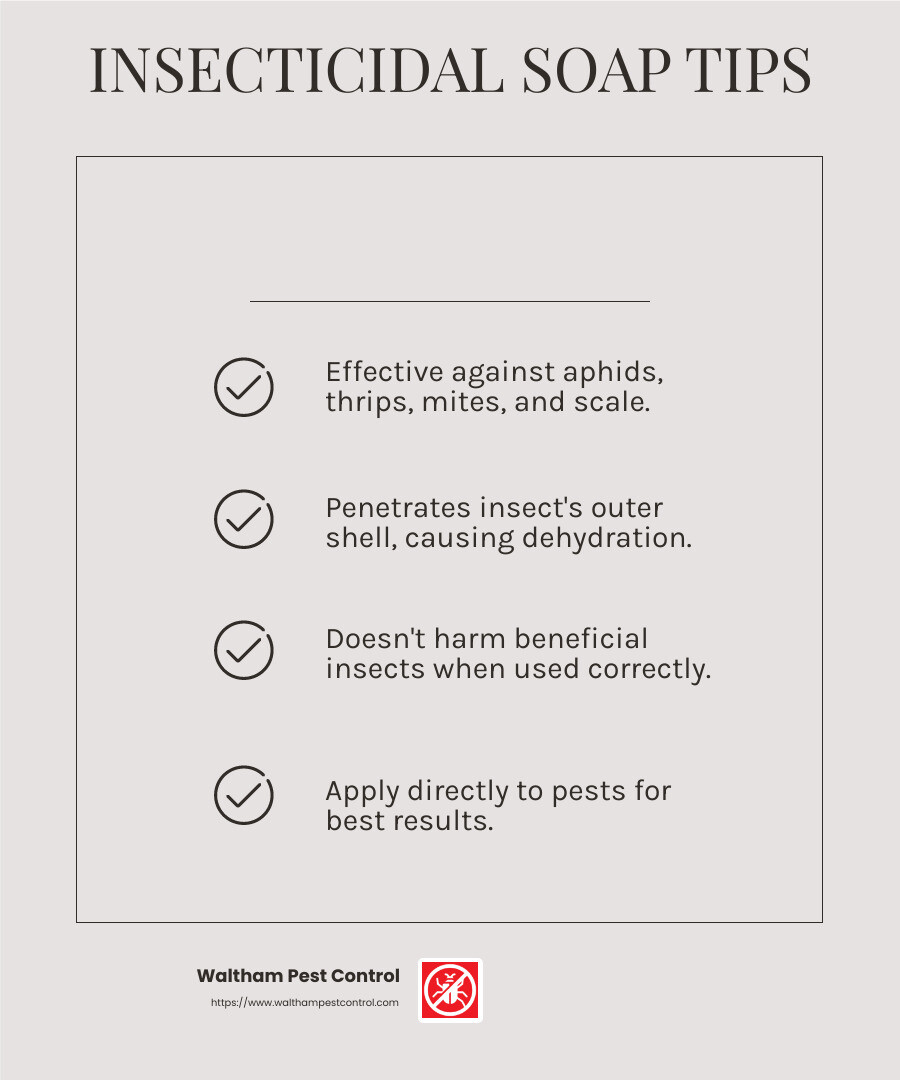
Insecticidal soap is a mild liquid soap that serves as an effective weapon against common garden pests such as aphids, thrips, mites, and scale. These pests can wreak havoc on your plants by sucking out their vital juices, but insecticidal soap offers a gentle, eco-friendly solution.
How It Works: Insecticidal soap works by penetrating the insect’s outer shell and disrupting their cellular structure. This causes dehydration and ultimately leads to the pest’s demise. It’s a targeted approach that doesn’t harm beneficial insects when used correctly.
Application Tips:
- Spray Thoroughly: To maximize effectiveness, spray the soap solution on all plant surfaces. Pay special attention to the undersides of leaves, as this is where pests like to hide.
- Timing Matters: Apply the soap in the early morning or late afternoon. This helps avoid potential leaf burn caused by the sun.
- Repeat as Needed: Because insecticidal soap is a contact insecticide, it must be reapplied regularly to manage pest populations effectively.
Aphids, Thrips, Mites, and Scale: These pests are known for their ability to reproduce quickly, making early intervention crucial. Aphids, in particular, are notorious for their rapid multiplication. By using insecticidal soap, you can keep their numbers in check without resorting to harsh chemicals.
Incorporating insecticidal soap into your pest control for gardens strategy can help maintain a healthy balance in your garden ecosystem. Up next, we’ll explore how to protect your garden from pests using physical barriers and other preventive measures.
2. Neem Oil
Neem oil is a powerful ally in pest control for gardens, especially for those looking to maintain an organic approach. Derived from the seeds of the neem tree, this oil has been used for centuries in traditional agriculture due to its natural pest-repelling properties.
How It Works: Neem oil acts as a smothering agent, coating the bodies of insects and disrupting their ability to breathe. It also interferes with their feeding patterns and reproductive cycles, making it difficult for pests to thrive. This dual-action approach makes neem oil particularly effective against a wide range of garden pests.
Benefits of Using Neem Oil:
- Organic and Eco-Friendly: Neem oil is a natural product, making it safe for the environment and non-toxic to humans and pets when used correctly.
- Broad Spectrum: It targets a variety of pests, including aphids, beetles, caterpillars, and spider mites, without harming beneficial insects like bees when applied properly.
- Fungal Control: Besides managing pests, neem oil also has antifungal properties, helping to prevent diseases like powdery mildew.
Application Tips:
- Dilution is Key: Mix neem oil with water according to the instructions on the label. This ensures you apply the right concentration to avoid plant damage.
- Evening Application: To minimize the risk of leaf burn, apply neem oil in the late afternoon or early evening when the sun is less intense.
- Regular Use: For ongoing pest management, consider applying neem oil every 7-14 days, especially during peak pest seasons.
Neem oil is a versatile tool in your garden’s defense against pests. By incorporating it into your routine, you can maintain a healthy, vibrant garden without resorting to synthetic chemicals. Next, we’ll explore another natural method: diatomaceous earth and its role in pest control.
3. Diatomaceous Earth
Diatomaceous earth (DE) is a fantastic option for pest control for gardens. This non-toxic powder is made from the fossilized remains of tiny aquatic organisms called diatoms. It’s a natural and safe way to tackle garden pests like beetles, slugs, and snails.
How It Works: DE is abrasive. When insects come into contact with it, the sharp edges cut through their exoskeletons. This causes them to dehydrate and die. It’s particularly effective against hard-shelled insects, but can also work on soft-bodied ones.
Benefits of Using Diatomaceous Earth:
- Non-Toxic: DE is safe for humans and pets, making it an ideal choice for families and organic gardeners. However, be careful not to inhale the powder as it can irritate the lungs.
- Versatile Application: It can be used in various garden areas, including around plants and on soil surfaces.
- Effective on a Range of Pests: DE targets a variety of pests, such as flea beetles, squash bugs, and even the pesky Japanese beetles.
Application Tips:
- Dry Conditions: DE works best when dry. Apply it on a dry day and avoid watering your plants immediately after application. If it rains, reapplication is necessary.
- Targeted Use: Sprinkle DE around the base of plants or directly onto pest-infested areas. Use a duster or a homemade applicator, like a sock filled with DE, to distribute the powder evenly.
- Protect Beneficial Insects: While DE is safe for many garden friends, try to apply it in areas less frequented by beneficial insects like bees.
Diatomaceous earth is a simple yet effective tool in managing garden pests without the use of harmful chemicals. By incorporating DE into your pest management strategy, you can maintain a thriving garden environment. Let’s move on to another natural approach with garlic spray.
4. Garlic Spray
Garlic spray is a powerful and natural pest control for gardens. It’s an excellent choice for gardeners looking to keep pests at bay without resorting to harsh chemicals. Garlic has been used for centuries not just for its culinary benefits, but also for its ability to repel a wide range of insects.
How It Works: The strong smell of garlic acts as a natural repellent. Pests such as aphids, spider mites, and whiteflies are deterred by the pungent aroma, keeping them away from your precious plants. The sulfur compounds in garlic are primarily responsible for its repellent properties.
Benefits of Using Garlic Spray:
- Organic and Safe: Garlic spray is non-toxic and safe for humans, pets, and beneficial insects. It’s a great choice for families and organic gardeners.
- Easy to Make: You can easily prepare garlic spray at home using simple ingredients like garlic cloves, water, and a bit of soap.
- Versatile Use: It can be applied to a variety of plants, making it a versatile addition to your pest control toolkit.
How to Make Garlic Spray:
- Gather Ingredients: You’ll need a couple of garlic cloves, water, and a few drops of liquid soap (like castile soap).
- Prepare the Mixture: Crush the garlic cloves and mix them with water. Let the mixture sit overnight to allow the garlic to infuse into the water.
- Strain and Add Soap: Strain the mixture to remove any solid bits of garlic. Add a few drops of soap to help the solution stick to plant leaves.
- Application: Pour the mixture into a spray bottle and apply it to the affected plants, focusing on the undersides of leaves where pests often hide.
Application Tips:
- Frequency: Reapply the garlic spray every few days, especially after rain, to maintain its effectiveness.
- Timing: Spray in the early morning or late afternoon to avoid the heat of the day, which can cause the garlic to burn plant leaves.
- Spot Test: Before applying to all plants, test the spray on a small area to ensure it doesn’t harm the plant.
Garlic spray is a simple, cost-effective, and natural method to keep garden pests at bay. By integrating this method into your pest control routine, you can enjoy a healthier and more productive garden. Next, let’s explore another effective natural solution with hot pepper spray.
5. Hot Pepper Spray
Hot pepper spray is a fiery solution for pest control in gardens, leveraging the power of capsaicin, the active component found in chili peppers. This natural deterrent is a favorite among organic gardeners who want to protect their plants without using harmful chemicals.
How It Works: Capsaicin is what gives peppers their heat, and it’s this spiciness that pests find unbearable. When applied to plants, hot pepper spray irritates the pests, driving them away. It works particularly well against soft-bodied insects like aphids and caterpillars, as well as larger nuisances like squirrels and rabbits.
Benefits of Using Hot Pepper Spray:
- Effective Deterrent: The strong heat from capsaicin makes hot pepper spray an effective repellent for a variety of garden pests.
- Environmentally Friendly: It’s a natural and non-toxic solution, making it safe for the environment, beneficial insects, and humans.
- Cost-Effective: You can easily make hot pepper spray at home with ingredients commonly found in your kitchen.
How to Make Hot Pepper Spray:
- Gather Ingredients: You’ll need hot peppers (like cayenne or jalapeño), water, and a small amount of liquid soap.
- Prepare the Mixture: Blend the hot peppers with water to create a potent solution. Let it sit overnight to improve its strength.
- Strain and Add Soap: Strain the mixture to remove any solid pepper bits. Add a few drops of soap to help the spray adhere to plant surfaces.
- Application: Pour the solution into a spray bottle and apply it to the plants, focusing on areas where pests are most active.
Application Tips:
- Frequency: Reapply every few days or after rain to maintain its effectiveness.
- Timing: Apply in the early morning or late afternoon to prevent potential leaf burn from the sun.
- Spot Test: Test the spray on a small section of the plant to ensure it doesn’t cause damage.
Hot pepper spray is a powerful ally in the fight against garden pests. By incorporating it into your pest management strategy, you can enjoy a thriving, pest-free garden. Next, let’s dig into the benefits of vinegar spray as another natural pest control method.
6. Vinegar Spray
Vinegar spray is a simple yet effective pest control for gardens. This natural acid solution is a favorite for organic gardeners looking to keep pests at bay without resorting to harsh chemicals.
How It Works: Vinegar contains acetic acid, which acts as a natural deterrent to many garden pests. This acid can disrupt the sensory organs of insects, making your plants less appealing to them. It’s particularly effective against ants, slugs, and some types of beetles.
Benefits of Using Vinegar Spray:
- Natural and Safe: Vinegar is non-toxic and safe for the environment, making it an excellent choice for families and pets.
- Readily Available: Most households have vinegar readily available, making it a cost-effective solution for pest control.
- Versatile: Besides deterring pests, vinegar can also help with weed control, making it a multi-purpose garden tool.
How to Make Vinegar Spray:
- Gather Ingredients: You’ll need white vinegar and water.
- Mix the Solution: Combine equal parts of vinegar and water in a spray bottle. For a stronger solution, increase the vinegar ratio slightly.
- Application: Spray the mixture directly onto the plants, focusing on areas where pests are most active. Avoid spraying on windy days to prevent the solution from drifting onto desirable plants.
Application Tips:
- Spot Test: Test the spray on a small section of the plant to ensure it doesn’t cause damage, especially on tender leaves.
- Timing: Apply in the early morning or late afternoon to avoid the heat of the day, which can improve the vinegar’s acidity and potentially harm plants.
- Reapplication: Reapply after rain or heavy watering to maintain its effectiveness.
Vinegar spray is a practical and eco-friendly option for keeping your garden pest-free. By using vinegar as part of your pest control strategy, you can protect your plants while maintaining a healthy and sustainable garden ecosystem.
7. Tomato Leaf Spray
Tomato leaf spray is a natural method for managing pests in gardens, utilizing the alkaloids found in tomato plants. These compounds act as a natural insect deterrent, helping to keep unwanted visitors away from your garden.
How It Works: Tomato plants contain alkaloids, which are chemical compounds that can be toxic to insects. These alkaloids disrupt the nervous systems of pests, making the plants less attractive to them. This method is particularly effective against aphids and other soft-bodied insects.
Benefits of Using Tomato Leaf Spray:
- Natural Repellent: The alkaloids in tomato leaves act as a natural deterrent, reducing the need for synthetic pesticides.
- Environmentally Friendly: Using tomato leaf spray helps maintain a balanced garden ecosystem by targeting pests without harming beneficial insects.
- Cost-Effective: If you already grow tomatoes, this solution is practically free and makes use of plant parts that might otherwise go to waste.
How to Make Tomato Leaf Spray:
- Gather Ingredients: You’ll need fresh tomato leaves, water, and a spray bottle.
- Prepare the Leaves: Chop a couple of cups of tomato leaves and place them in a bowl.
- Steep the Leaves: Cover the leaves with water and let them steep overnight to extract the alkaloids.
- Strain and Mix: Strain the liquid into a spray bottle, discarding the leaves.
- Dilute: Add more water to the spray bottle until it’s about half full, then shake well.
Application Tips:
- Spot Test: Before applying to the entire plant, test the spray on a small area to ensure no adverse effects on the foliage.
- Timing: Spray in the early morning or late afternoon to avoid direct sunlight, which can cause the solution to evaporate quickly.
- Frequency: Reapply after rain or heavy watering to maintain effectiveness.
Tomato leaf spray is a simple and effective way to protect your garden from pests naturally. By using the power of alkaloids, you can keep your plants healthy and thriving without resorting to harmful chemicals.
8. Cinnamon Spray
Cinnamon spray is a versatile tool in pest control for gardens, known for its antifungal and insect-repellent properties. This natural solution not only helps keep unwanted bugs at bay but also protects your plants from fungal infections.
Antifungal Properties: Cinnamon is a natural antifungal agent. By creating an environment that is hostile to fungi, it helps prevent diseases that can damage or kill plants. This is especially useful in damp conditions where fungi thrive.
Insect Repellent: The strong scent of cinnamon acts as a deterrent to many garden pests. Insects like ants, mosquitoes, and even some beetles are put off by the smell, making cinnamon spray an effective, non-toxic way to protect your plants.
How to Make Cinnamon Spray:
- Gather Ingredients: You’ll need ground cinnamon, water, and a spray bottle.
- Mix the Solution: Combine about two tablespoons of ground cinnamon with a quart of water.
- Steep and Strain: Let the mixture sit for a few hours to allow the cinnamon to infuse into the water. Then, strain the liquid into a spray bottle to remove any solid particles.
- Shake Well: Before each use, shake the bottle to ensure the cinnamon is evenly distributed.
Application Tips:
- Spot Test: Apply the spray to a small section of the plant first to ensure it doesn’t harm the foliage.
- Timing: For best results, apply in the early morning or late afternoon when temperatures are cooler.
- Reapplication: Reapply after rain or heavy watering to keep the protective barrier intact.
Cinnamon spray offers a simple, eco-friendly way to improve your garden’s defense against pests and fungi. By using natural ingredients, you can maintain a healthy garden without relying on synthetic chemicals.
9. Marigolds
Marigolds are more than just pretty flowers in your garden. They are powerful allies in natural pest control, thanks to their unique ability to deter harmful insects through companion planting.
Companion Planting with Marigolds
Companion planting is a gardening technique that involves growing certain plants together to improve growth, repel pests, or improve flavor. Marigolds are a popular choice for this method because they naturally repel many common garden pests. By planting marigolds alongside your vegetables and other plants, you can create a natural barrier against unwanted insects.
Pest Deterrent Properties
Marigolds release a strong scent that is unpleasant to many pests, including aphids, nematodes, and whiteflies. This makes them an effective pest deterrent when planted near susceptible crops like tomatoes, beans, and cabbages. The roots of marigolds also produce a natural chemical that can repel nematodes, tiny worms that damage plant roots.
How to Use Marigolds for Pest Control:
- Plant Strategically: Place marigolds around the perimeter of your garden or interspersed among your vegetables to maximize their pest-repelling benefits.
- Choose the Right Variety: French marigolds are particularly effective against nematodes, while other varieties can help deter different pests.
- Maintain Healthy Plants: Keep your marigolds healthy by watering them regularly and ensuring they have good drainage. Healthy plants produce stronger scents and more deterrent chemicals.
Benefits Beyond Pest Control
In addition to their pest-repelling properties, marigolds add vibrant color to your garden and attract beneficial insects like pollinators. This dual role makes them an invaluable part of any organic gardening strategy.
Marigolds offer a simple, natural way to protect your garden from pests while enhancing its beauty. By incorporating these flowers into your garden design, you can enjoy a healthier, more productive garden without the need for harsh chemicals.
10. Reflective Mulch
Reflective mulch is a clever and effective method for pest control in gardens, especially when dealing with aphids. It’s a simple solution that uses aluminum foil to repel these pesky insects.
Aluminum Foil as Mulch
Aluminum foil isn’t just for the kitchen. In the garden, it can serve as a reflective mulch. By placing strips of aluminum foil on the soil around your plants, you can create a shiny surface that reflects sunlight. This reflection confuses and deters aphids and other insects that rely on light cues for navigation.
How Reflective Mulch Works
- Reflects Light: The shiny surface of the aluminum foil bounces sunlight back into the air. This intense reflection makes it difficult for aphids to land and settle on your plants, thus acting as an effective aphid repellent.
- Reduces Pest Infestation: By disrupting the normal behavior of aphids, reflective mulch can help reduce the overall pest population in your garden. This means fewer pests feeding on your plants and more healthy growth.
Setting Up Reflective Mulch in Your Garden
- Cut the Foil: Tear or cut aluminum foil into strips that are a few inches wide.
- Place Strategically: Lay the foil strips in between rows or around the base of plants, ensuring that the shiny side is facing up.
- Secure the Foil: Use small rocks or garden staples to hold the foil in place, especially in windy areas.
Benefits of Reflective Mulch
- Cost-Effective: Aluminum foil is inexpensive and readily available, making it a budget-friendly option for garden pest control.
- Eco-Friendly: This method avoids the use of harmful chemicals, aligning with organic gardening principles.
- Dual Purpose: Besides repelling pests, reflective mulch can also help retain soil moisture and regulate soil temperature, benefiting plant growth.
By incorporating reflective mulch into your gardening routine, you can effectively manage pests like aphids while promoting a healthy growing environment for your plants. It’s a simple yet powerful tool in the arsenal of any gardener looking to maintain an organic and thriving garden.
How to Protect Your Garden from Pests
Protecting your garden from pests is crucial for maintaining healthy plants and ensuring a bountiful harvest. Here are some tried-and-true methods to keep those pesky invaders at bay:
Physical Barriers
One of the simplest and most effective ways to prevent pests is by using physical barriers. These barriers keep insects and other unwanted visitors from reaching your plants.
- Garden Mesh Fabric: This lightweight fabric acts as a shield, allowing sunlight, air, and water to pass through while keeping pests out. It’s ideal for protecting young plants, which are particularly vulnerable to pest attacks. Remember to cover the plants as soon as they are sown or transplanted to avoid trapping pests inside.
- Organza Bags: If you have fruit-bearing plants, consider using organza bags to cover individual fruit clusters. These see-through bags allow light and air in while keeping pests out, providing targeted protection for your ripening fruits.
Early Planting
Timing is everything in gardening. Early planting can give your plants a head start before pests become active. By planting early, you can grow strong plants that are more resilient to pest attacks.
- Beat the Bugs: Many pests have specific times of the year when they are most active. Planting early means your crops can mature before these pests become a threat.
- Seasonal Advantage: In regions like Massachusetts, understanding the local climate and pest life cycles can help you plan your planting schedule to minimize pest exposure.
Crop Rotation
Crop rotation is a classic agricultural practice that involves changing the location of crops each season. This method is effective in managing soil-borne pests and diseases.
- Break the Cycle: Many pests and diseases are specific to certain plants. By rotating crops, you disrupt their life cycles, reducing the chance of infestation.
- Diverse Planting: Rotating different plant families in the same plot helps maintain soil health and reduces pest buildup over time.
Combining Methods for Best Results
Using a combination of these methods can significantly improve your garden’s defense against pests. For example, start with early planting, use garden mesh fabric for young plants, and incorporate crop rotation to keep your soil and plants healthy.
By implementing these strategies, you can create a robust barrier against pests, ensuring your garden remains a thriving and productive space. As we move on to the next section, we’ll explore how regular pruning and cleaning can further prevent pest problems.
Pruning and Cleaning to Prevent Pests
Keeping your garden neat and tidy is a powerful way to prevent pests. Regular pruning and cleaning can help your plants stay healthy and less attractive to unwanted visitors.
Pruning Damaged Leaves
Pruning is not just about shaping your plants; it’s a critical step in pest management. By removing damaged or diseased leaves, you help your plants focus their energy on growth and recovery.
- Focus on Health: Damaged leaves can drain resources and attract pests. By cutting them away, you allow the plant to direct nutrients to healthier parts.
- Timing Matters: Prune in the morning or evening when temperatures are cooler. This reduces stress on the plants and minimizes the risk of spreading diseases.
Removing Debris
A clean garden is a pest-free garden. Removing debris from around your plants can significantly reduce the chances of pest infestations.
- Clear the Ground: Dead leaves, weeds, and other debris provide hiding spots for pests. Use a small hand rake or your fingers to clear the area, ensuring pests have fewer places to hide.
- Avoid Mulch Overload: While mulch is beneficial, too much can harbor pests. Ensure it’s not piled up against plant stems or too thickly spread.
Handpicking Pests
One of the simplest and most effective methods for pest control in gardens is handpicking. It’s an eco-friendly way to keep pest numbers down.
- Get Up Close: Inspect your plants regularly, especially in the early morning or evening when pests are most active. Look under leaves and around stems.
- Use Gloves: For larger pests like caterpillars or beetles, wear gloves and remove them by hand. Dropping them into soapy water is an effective way to dispose of them.
Composting
Composting is a great way to recycle garden waste, but it’s important to do it correctly to avoid attracting pests.
- Healthy Composting: Ensure your compost pile is balanced with greens and browns and turned regularly. This keeps it hot enough to kill any pests or diseases.
- Avoid Infected Plants: Do not compost plants that are heavily infested or diseased. These should be disposed of properly to prevent spreading issues in your garden.
By incorporating these practices, you can maintain a healthy and thriving garden environment. Regular pruning, cleaning, and handpicking pests are simple yet effective strategies to keep your garden pest-free.
Next, we’ll discuss the best times to spray your garden for pests, ensuring you protect your plants without causing harm.
When to Spray Your Garden for Pests
Timing is everything when it comes to pest control for gardens. Spraying at the right time can make all the difference in protecting your plants while avoiding damage.
Morning Application
The best time to spray your garden is in the morning. Cooler temperatures during this time help prevent the spray from evaporating too quickly, ensuring it has time to work effectively. Morning applications also allow the plants to dry before the heat of the day, reducing the risk of leaf burn.
- Early Bird Advantage: Spraying in the morning helps avoid harming beneficial insects like bees, which are less active early in the day.
Cooler Temperatures
Spraying during cooler temperatures is crucial. Hot weather can cause sprays to evaporate rapidly, reducing their effectiveness and potentially harming plants.
- Avoid the Heat: Just like applying sunscreen before the sun gets intense, spraying during cooler parts of the day protects your plants from potential damage.
Avoiding Plant Damage
It’s important to spray when conditions are right to avoid harming your plants. High temperatures and direct sunlight can lead to leaf burn and stress.
- Check the Weather: Avoid spraying if rain is expected soon after, as it can wash away the treatment before it has a chance to work.
- Right Time, Right Place: Apply the spray directly to affected areas and avoid drenching the entire plant unless necessary. This targeted approach helps minimize any potential negative impact on your plants.
By choosing the right time to spray, you can maximize the effectiveness of your pest control efforts while keeping your garden healthy and thriving. Next, we’ll explore some homemade pesticides that can help keep your garden pest-free naturally.
Homemade Pesticides for Vegetable Gardens
Creating your own homemade pesticides can be a simple and effective way to manage pests in your vegetable garden. Here are some tried-and-true methods using common household ingredients.
Vegetable Oil and Soap Mixture
A mixture of vegetable oil and liquid soap is a popular organic pest control solution. This combination works by suffocating soft-bodied insects like aphids and mites.
- Recipe: Mix 1 cup of vegetable oil with 1 tablespoon of liquid soap. Add 2 teaspoons of this mixture to 1 quart of water and spray directly onto affected plants.
- Usage Tip: Be sure to test on a small area first to ensure your plants tolerate the solution well.
Neem Oil
Neem oil is a powerful natural pesticide derived from the seeds of the neem tree. It disrupts the life cycle of pests and can be used as both a preventive and treatment measure.
- Application: Dilute neem oil according to the label instructions and apply directly to the leaves of plants. It’s effective against a variety of pests, including caterpillars and beetles.
- Eco-Friendly: Neem oil is safe for beneficial insects when used as directed, making it a great choice for environmentally conscious gardeners.
Garlic Barrier
Garlic is not just for cooking; it also acts as a natural pest repellent. The strong smell deters insects from feasting on your plants.
- How to Make: Crush a few cloves of garlic and soak them in water overnight. Strain the mixture and add a few drops of liquid soap before spraying.
- Effective Against: This barrier works well against mosquitoes, aphids, and other common garden pests.
Castile Soap
Castile soap is a gentle yet effective option for pest control. It’s made from natural oils and can be used to manage soft-bodied insects.
- Preparation: Mix 1 tablespoon of castile soap with 1 quart of water. Spray onto plants, focusing on areas with visible pests.
- Safe and Versatile: Castile soap is biodegradable and safe for most plants, making it a versatile choice for your garden.
These homemade pesticides offer a natural and cost-effective way to protect your vegetable garden from pests. By using ingredients you likely already have at home, you can maintain a healthy garden without relying on harsh chemicals.
Next, we’ll dive into some frequently asked questions about pest control for gardens to help you troubleshoot common issues and keep your garden thriving.
Frequently Asked Questions about Pest Control for Gardens
How to get rid of pests in your garden?
Getting rid of pests in your garden can be done effectively with organic methods. One popular option is using diatomaceous earth, a non-toxic powder that targets beetles, slugs, and snails. Sprinkle it around your plants to create a barrier that dehydrates and ultimately eliminates these pests.
Another approach is to introduce beneficial insects like ladybugs and wasps, which naturally prey on harmful pests such as aphids and caterpillars. This method not only reduces pest populations but also supports a balanced garden ecosystem.
How do I keep bugs from eating my vegetable garden?
To keep bugs from munching on your vegetables, consider using barriers and repellents. Physical barriers such as garden mesh fabric or row covers can protect your plants by keeping pests like white flies and flea beetles at bay. These materials allow sunlight and water to reach your plants while blocking unwanted visitors.
For a natural repellent, try planting marigolds alongside your vegetables. Marigolds release a scent that deters many common garden pests. Additionally, sprays made from garlic or hot peppers can act as effective repellents when applied to plant leaves.
When should I spray my garden for pests?
Timing is crucial when spraying your garden for pests. It’s best to spray in the morning when temperatures are cooler and beneficial insects are less active. This timing helps to avoid plant damage and ensures that the treatment is most effective.
Be mindful of the weather, as spraying during hot or windy conditions can reduce the effectiveness of your pest control efforts. By choosing the right time to spray, you can maximize the benefits of your organic pest control methods and keep your garden healthy and productive.
Conclusion
Organic gardening is more than just a trend—it’s a commitment to nurturing the environment while enjoying the fruits (and vegetables) of your labor. By choosing organic pest control methods, we not only protect our gardens but also contribute to a healthier planet. The use of natural solutions like diatomaceous earth, neem oil, and beneficial insects helps maintain a balanced ecosystem, reducing the need for harmful chemicals.
The environmental impact of traditional pest control methods can be significant, often affecting non-target species and contributing to pollution. By opting for organic methods, we minimize these negative effects, promoting biodiversity and supporting the natural food chain. Our gardens become safe havens not just for plants but for the beneficial insects and pollinators that are vital to their growth.
At Waltham Pest Control, we understand the importance of protecting both your garden and the environment. With over 40 years of experience in Eastern Massachusetts, our commitment to quality and eco-friendly solutions makes us the trusted choice for residential and commercial pest management. We offer a range of services custom to meet the needs of your garden while prioritizing environmental sustainability.
For more information on how we can help you maintain a healthy, pest-free garden, visit our Waltham Pest Control service page. Let us partner with you in creating a thriving garden that you can be proud of, all while keeping our planet in mind.