

How Does an Exterminator Get Rid of Mice: Top 7 Secrets
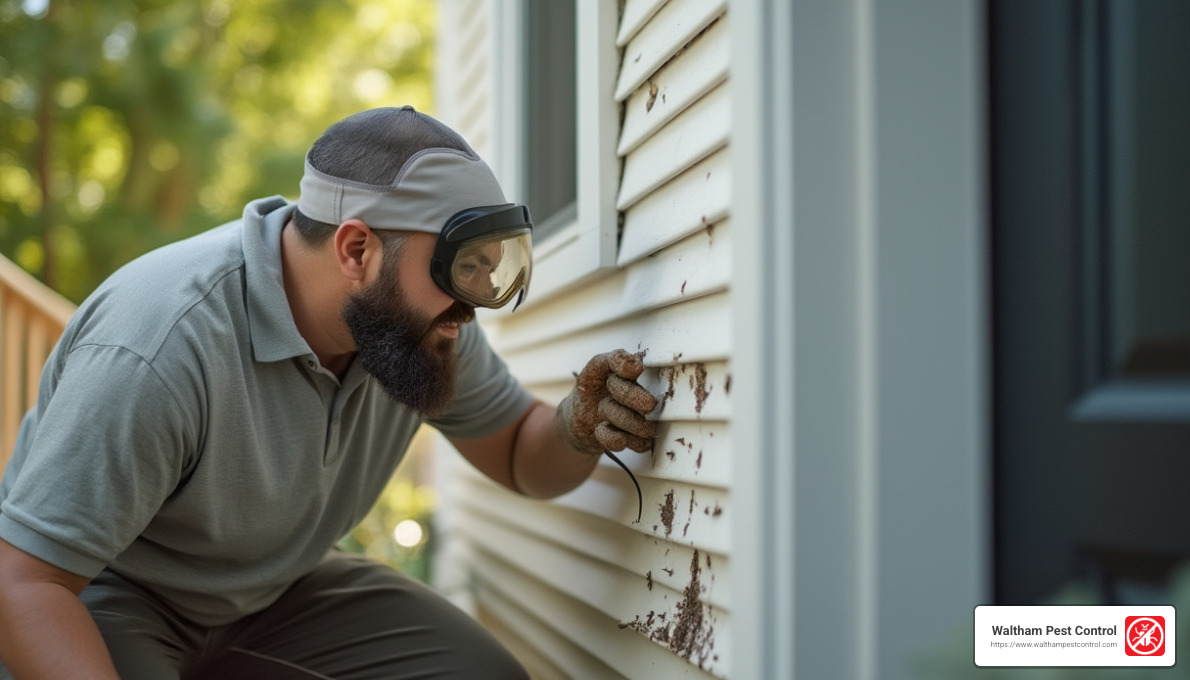
How does an exterminator get rid of mice? Exterminators use a combination of exclusion, traps, and rodenticides to manage and eliminate mouse infestations. They inspect homes for entry points, seal gaps, strategically set traps, and use bait stations safely. Professional help ensures effectiveness and safety.
Mice infestations can be a persistent and stressful issue for homeowners in Massachusetts. When faced with these furry intruders, professional help becomes crucial. Exterminators use their expertise to devise comprehensive plans custom to each unique situation.
Why rely on the pros?
- Expert Inspection: Thorough evaluation to identify entry points and areas of activity.
- Effective Methods: Strategic traps, bait stations, and exclusion techniques ensure results.
- Safety First: Proper handling of rodenticides and equipment protects your home.
At Waltham Pest Control, we pride ourselves on offering reliable, professional pest control services across Massachusetts. We believe in safeguarding your home with efficient, long-lasting solutions.
I’m Waltham Pest Control, President & CEO of Waltham Pest Control, with over 40 years of experience helping homeowners tackle the challenges of how does an exterminator get rid of mice. Throughout my career, I’ve focused on using integrated pest management to keep homes safe and pest-free.
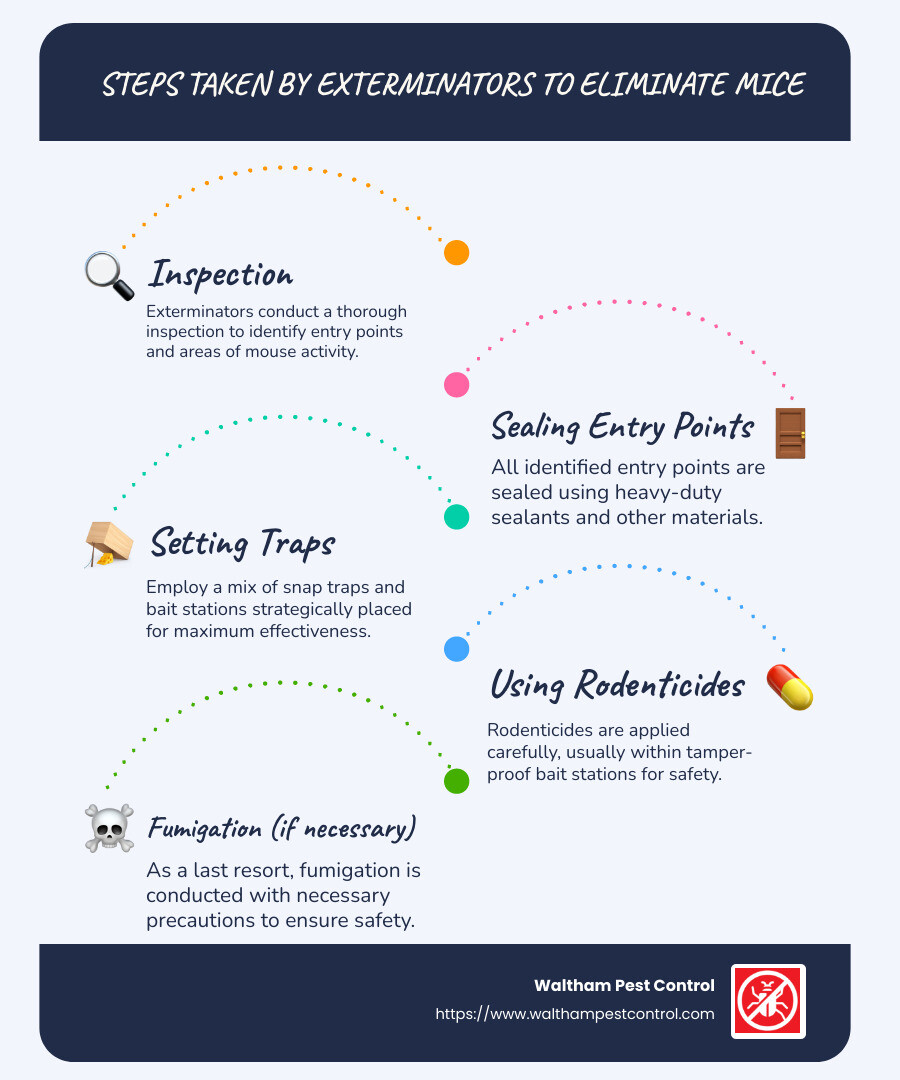
How does an exterminator get rid of mice terms to remember:
Inspection and Identification
The first step in how does an exterminator get rid of mice is a thorough inspection. This isn’t just about spotting a mouse or two; it’s about understanding the full scope of the problem.
Initial Inspection
Exterminators begin by examining your home from top to bottom. They look for signs of mice, such as droppings, gnaw marks, and nests. This inspection helps them determine how the mice are getting in and where they are hiding.
Pest Identification
Not all mice are the same. Identifying the specific type of mouse is crucial. For instance, house mice and deer mice have different behaviors and habitats. Knowing which type you’re dealing with helps exterminators choose the most effective treatment plan.
Scale of the Problem
Once the type of mouse is identified, exterminators assess the scale of the infestation. Is it just a couple of sneaky mice, or has it turned into a full-blown invasion? This step is vital because the extent of the infestation determines the approach and resources needed.
Preventative Purpose
The inspection isn’t just about the current problem. It’s also about preventing future issues. Exterminators identify potential entry points and vulnerabilities in your home. They recommend solutions like sealing gaps and cracks to keep mice out for good.
By understanding the scale of the problem and identifying specific pests, exterminators can create a customized plan that not only addresses the current issue but also prevents future infestations.
Next, we’ll explore how sealing entry points is a vital step in keeping mice out of your home for good.
Sealing Entry Points
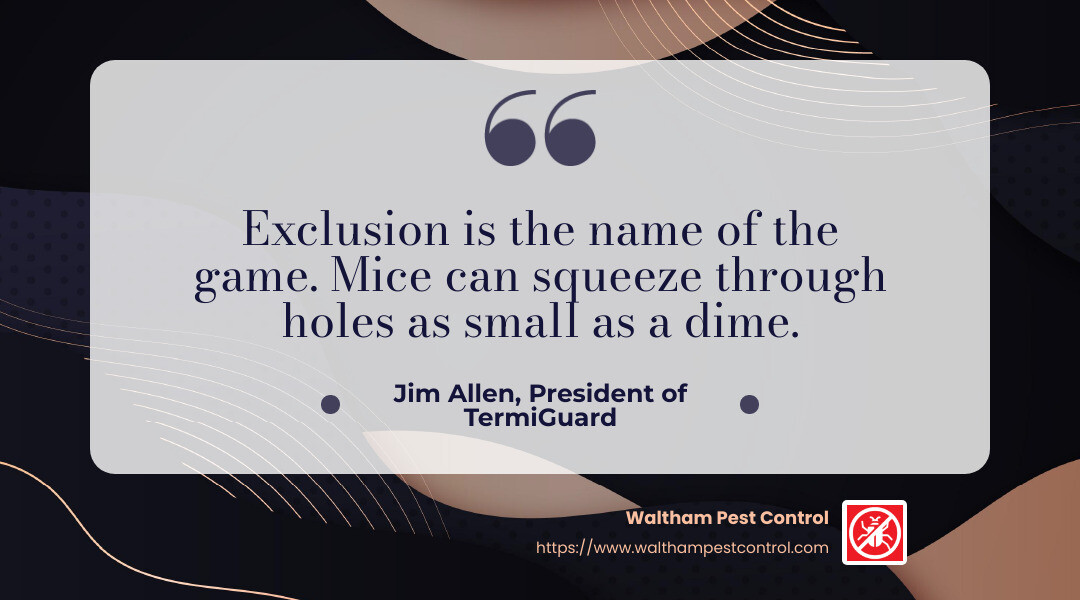
Sealing entry points is a crucial tactic in how does an exterminator get rid of mice. This step, known as exclusion, involves closing off all the tiny openings mice use to enter your home. Mice can squeeze through holes as small as 0.25 inches!
Exclusion and Sealing Openings
Exclusion is all about making your home a fortress against mice. Exterminators carefully inspect your home for any potential entry points. These could be gaps in the foundation, holes in walls, or spaces around utility pipes.
Materials Used:
- Screens: Wire mesh screens are perfect for covering larger openings, like vents. These keep mice out while still allowing air to flow.
- Flashing: This thin metal strip is used to cover gaps around the edges of roofs and chimneys, preventing mice from sneaking in from above.
- Door Sweeps: Many homeowners overlook the small gap under doors. Exterminators install door sweeps to seal these gaps and stop mice from slipping inside.
- Heavy-Duty Sealants and Caulk: For smaller cracks and holes, exterminators use heavy-duty sealants or caulk. These materials are durable and resistant to gnawing, ensuring a long-lasting barrier.
The Importance of Sealing
Sealing entry points not only stops mice from getting in but also prevents other pests. It’s a proactive measure that saves you from future infestations. By addressing these vulnerabilities, you make your home less attractive to mice and other rodents.
By effectively sealing entry points, exterminators help ensure your home remains mouse-free. This step is just one part of a comprehensive pest control strategy.
Next, we’ll dive into the use of mouse traps and how they play a role in effective mouse control.
Using Mouse Traps
Mouse traps are a fundamental part of how does an exterminator get rid of mice. They come in various forms, from traditional to modern, each with unique benefits and considerations.
Snap Traps
Snap traps are the classic choice for many exterminators. These traps use a spring-loaded bar to quickly kill mice. When set correctly, they are humane and effective.
Pros:
- Quick and often humane if placed correctly.
- Cost-effective and reusable.
Cons:
- Can be dangerous to pets and children if not placed carefully.
- Requires regular checking and resetting.
Bait Stations
Bait stations are another popular method. These stations lure mice in with bait and then trap them.
Pros:
- Contain the bait securely, reducing the risk to pets and children.
- Can be used with different types of bait, including rodenticides.
Cons:
- Requires monitoring to ensure effectiveness.
- Mice may not always be attracted to the bait.
Placement Strategies
The success of mouse traps heavily relies on their placement. Exterminators place traps along walls, behind appliances, and in other areas where mice travel. Mice rarely move in open spaces, so traps are set in concealed locations.
Effective Placement Tips:
- Place traps perpendicular to walls.
- Use multiple traps for higher chances of capture.
- Monitor traps frequently and replace bait as needed.
Traditional vs. Modern Traps
While traditional traps like snap traps are still widely used, modern options are emerging. These include electronic traps that deliver a quick electric shock to kill mice instantly.
Modern Trap Benefits:
- Often more humane and efficient.
- Some offer indicators to show when a mouse has been caught.
Considerations:
- Typically more expensive than traditional traps.
- Require batteries or electricity to operate.
Safety Considerations
Safety is a top priority when using mouse traps. Exterminators take care to place traps where children and pets cannot reach them. Additionally, they ensure that traps are checked regularly to prevent health hazards from dead mice.
By strategically using mouse traps, exterminators can effectively reduce mouse populations in your home. This method, combined with sealing entry points and other strategies, forms a comprehensive approach to pest control.
Next, we’ll explore the role of rodenticides and bait stations in mouse extermination.
Rodenticides and Bait Stations
When it comes to how does an exterminator get rid of mice, rodenticides and bait stations play a crucial role. These methods are especially effective in dealing with larger infestations.
Rodenticides
Rodenticides are chemicals specifically designed to kill rodents. They are often used in bait stations to ensure safe and controlled application.
Types of Rodenticides:
- Anticoagulants: These are the most common type. They work by preventing the blood from clotting, leading to the rodent’s death over several days. This slow build-up allows multiple mice to consume the bait before they start to feel the effects, increasing the overall effectiveness.
- Non-anticoagulants: These work differently, often targeting vital organs or causing dehydration.

Bait Stations
Bait stations are secure containers that hold rodenticides. They are designed to be tamper-proof, ensuring that pets and children cannot access the bait inside.
Benefits of Bait Stations:
- Safety: By keeping the poison contained, bait stations minimize the risk to non-target animals and humans.
- Effectiveness: Stations are strategically placed in areas where mice are active, increasing the likelihood of consumption.
- Monitoring: Many stations are designed for easy monitoring, allowing exterminators to check bait levels and replace them as needed.
Slow Build-Up
The slow build-up of rodenticides is a key factor in their effectiveness. By allowing mice to continue feeding on the bait for several days, exterminators can ensure that a larger portion of the population is affected before they succumb to the poison.
Tamper-Proof Stations
Tamper-proof stations are essential for safety. They are designed to be robust, preventing accidental access by pets and children. Exterminators choose these stations for both residential and commercial settings to ensure a safe and controlled pest management process.
By using rodenticides and bait stations, exterminators can effectively reduce mouse populations while maintaining safety in your home. These methods, combined with traps and other strategies, provide a comprehensive approach to pest control.
Next, we’ll discuss fumigation as a last resort for severe infestations.
Fumigation
Fumigation is considered a last resort in the battle against severe mice infestations. This method is used when other techniques, like traps and bait stations, haven’t fully resolved the problem. It’s a powerful approach but comes with its own set of challenges and requirements.
Chemicals Used
The chemicals used in fumigation are designed to penetrate all areas of a home, reaching places where mice may hide. Some commonly used chemicals include:
- Phosphine: This solid chemical turns into a gas when exposed to air and is highly effective, though it can be dangerous if inhaled.
- Magnesium Phosphide: Similar to phosphine, this powder becomes a toxic gas upon contact with moisture.
- Carbon Dioxide: Known for being the safest option, it leaves no residue but is lethal to all breathing organisms during the process.
Each chemical has its own properties, and exterminators choose based on the specific needs of the infestation.
Safety Precautions
Safety is paramount during fumigation. The process involves several precautions to ensure the well-being of both the residents and the professionals conducting the treatment:
- Vacating the Premises: Residents must leave the home for several days. This is critical as the chemicals used can be harmful if inhaled.
- Sealing the House: The house is sealed to contain the gas, ensuring it penetrates all areas where mice might be hiding.
- Ventilation Post-Fumigation: After the treatment, the house is ventilated to remove any remaining gas, making it safe for residents to return.
Preparation Steps
Preparing for fumigation involves several detailed steps to ensure effectiveness and safety:
- Open Internal Doors: Leave all internal doors open to allow the gas to reach every room.
- Seal Food Items: Store all food in airtight containers to prevent contamination.
- Remove Plants and Pets: All living organisms, including plants and pets, should be removed from the premises.
- Plan for Absence: Arrange to stay elsewhere for the duration of the fumigation and subsequent ventilation.
- Post-Fumigation Cleaning: Wipe down surfaces, especially in the kitchen, to remove any potential residue.
Fumigation is a complex process, but when performed by professionals, it can effectively eliminate even the most stubborn mouse infestations. However, this method is reserved for the most severe cases due to its cost, complexity, and the need for temporary relocation.
Next, we’ll explore some practical prevention tips to help maintain a mouse-free home after treatment.
Prevention Tips
Once you’ve tackled a mouse problem, keeping them out for good is the next challenge. Here are some practical DIY solutions and tips to help maintain a rodent-free home.
Sealing Holes
Mice can squeeze through holes as small as a dime. That’s why it’s crucial to seal any potential entry points. Use materials like aluminum foil, steel wool, or caulk to block these gaps. Pay special attention to areas around doors, windows, and pipes.
Trimming Vegetation
Overgrown plants and bushes can serve as highways for mice to reach your home. Trim any vegetation near your house to remove these pathways. Also, keep tree branches trimmed back to prevent mice from entering through the roof.
Storing Food Properly
Mice are always on the lookout for food. Keep all food items in sealed containers to prevent attracting them. This includes pet food, which should never be left out overnight. Regularly clean your kitchen to avoid crumbs and spills that might tempt a hungry rodent.
Keeping Areas Tidy
Clutter provides perfect hiding spots for mice. Keep storage areas, like basements and attics, organized and tidy. Use clear plastic bins instead of cardboard boxes, as mice can chew through cardboard easily.

By following these simple steps, you can make your home much less inviting to mice. Prevention is key to avoiding future infestations. But if you do find yourself with a mouse problem, professional help is just a call away.
Next, we’ll dive into some frequently asked questions about how does an exterminator get rid of mice and what you can expect during the process.
Frequently Asked Questions about How Does an Exterminator Get Rid of Mice
How long does it take to get rid of mice?
The time it takes to eliminate mice depends on the severity of the infestation. For minor issues, it may take just 1-2 weeks. Larger infestations can take 1-3 months to fully resolve. Professionals use a method called integrated pest management (IPM), which combines multiple strategies for effective control. This approach includes sealing entry points, using traps, and sometimes employing rodenticides. Regular follow-up checks ensure that the problem is completely resolved and helps prevent future infestations.
What should I do to prepare for an exterminator visit?
Preparing for an exterminator visit is crucial for effective treatment. Here are some key steps to follow:
- Access: Ensure clear access to all areas of your home, especially where mice activity is suspected. This includes attics, basements, and behind appliances.
- Kitchen Prep: Clean your kitchen thoroughly. Remove food from countertops and store it in sealed containers. This helps the exterminator identify potential food sources and areas of activity.
- Furniture Movement: Move furniture away from walls to allow the exterminator to inspect and treat baseboards and other potential entry points.
By preparing your home in these ways, you can help the exterminator work more efficiently and effectively.
Is mice extermination permanent?
Mice extermination can be permanent, but it requires ongoing prevention and maintenance. After an exterminator eliminates the current infestation, take steps to prevent mice from returning. This includes sealing any new entry points, maintaining good sanitation, and keeping food stored securely. Regular follow-up visits from a pest control professional can also help monitor for any signs of renewed activity. By staying proactive, you can keep your home mouse-free for the long term.
Next, we’ll wrap up with a summary of the importance of professional help and how Waltham Pest Control can assist you in keeping your home rodent-free.
Conclusion
Dealing with a mouse infestation can be overwhelming, but professional help can make all the difference. By combining expert knowledge with effective strategies, exterminators can swiftly and safely rid your home of mice. Waltham Pest Control offers a comprehensive approach to mouse extermination, ensuring each step is custom to your specific needs.
Professional exterminators, like those at Waltham Pest Control, focus on thorough inspections, sealing entry points, and using a mix of traps and rodenticides as needed. This method ensures that not only are current infestations dealt with effectively, but future ones are prevented. Our team is committed to providing you with peace of mind, knowing your home is protected from these unwelcome guests.
Choosing professional pest control services means you benefit from our 40 years of experience in Eastern Massachusetts. Our licensed and insured team is dedicated to delivering quality and cost-effective solutions for both residential and commercial properties.
If you’re facing a mouse problem, don’t hesitate to reach out to us. Learn more about our services and how we can help keep your home rodent-free by visiting our Mice Exterminator Service Page. Let us be your trusted partner in pest control, ensuring your home remains safe and comfortable.