

How Do You Kill Bed Bugs: Ultimate Pest-Free 2025
Why Bed Bugs Are So Hard to Eliminate
How do you kill bed bugs effectively? The most reliable methods involve a multi-pronged attack, including professional heat treatments (135-145°F), targeted steam cleaning, EPA-registered insecticides applied by licensed professionals, laundering items at high heat, and using mattress encasements and thorough vacuuming.
Bed bugs are one of the most frustrating pests to deal with. They’re tiny, hide in the smallest cracks, and can survive for months without feeding. Their eggs are resistant to many treatments, and a single female can lay hundreds of eggs in her lifetime.
The good news? Bed bugs don’t spread disease. But they do cause itchy bites, stress, and sleepless nights. Getting rid of them requires patience, a strategic plan, and often professional help.
Integrated Pest Management (IPM) is the most effective approach. This means combining multiple methods—heat, steam, vacuuming, encasements, and sometimes pesticides—to eliminate bed bugs at all life stages. DIY methods alone rarely work for anything beyond the smallest infestations.
Most importantly, you need to understand they hide everywhere—not just in your mattress, but in box springs, bed frames, baseboards, electrical outlets, and even behind picture frames.
I’m Waltham Pest Control, President & CEO of Waltham Pest Control, and I’ve spent over 40 years helping homeowners and businesses across Eastern Massachusetts solve tough pest problems. Our team uses proven IPM methods and the latest treatment technology to eliminate bed bug infestations for good.
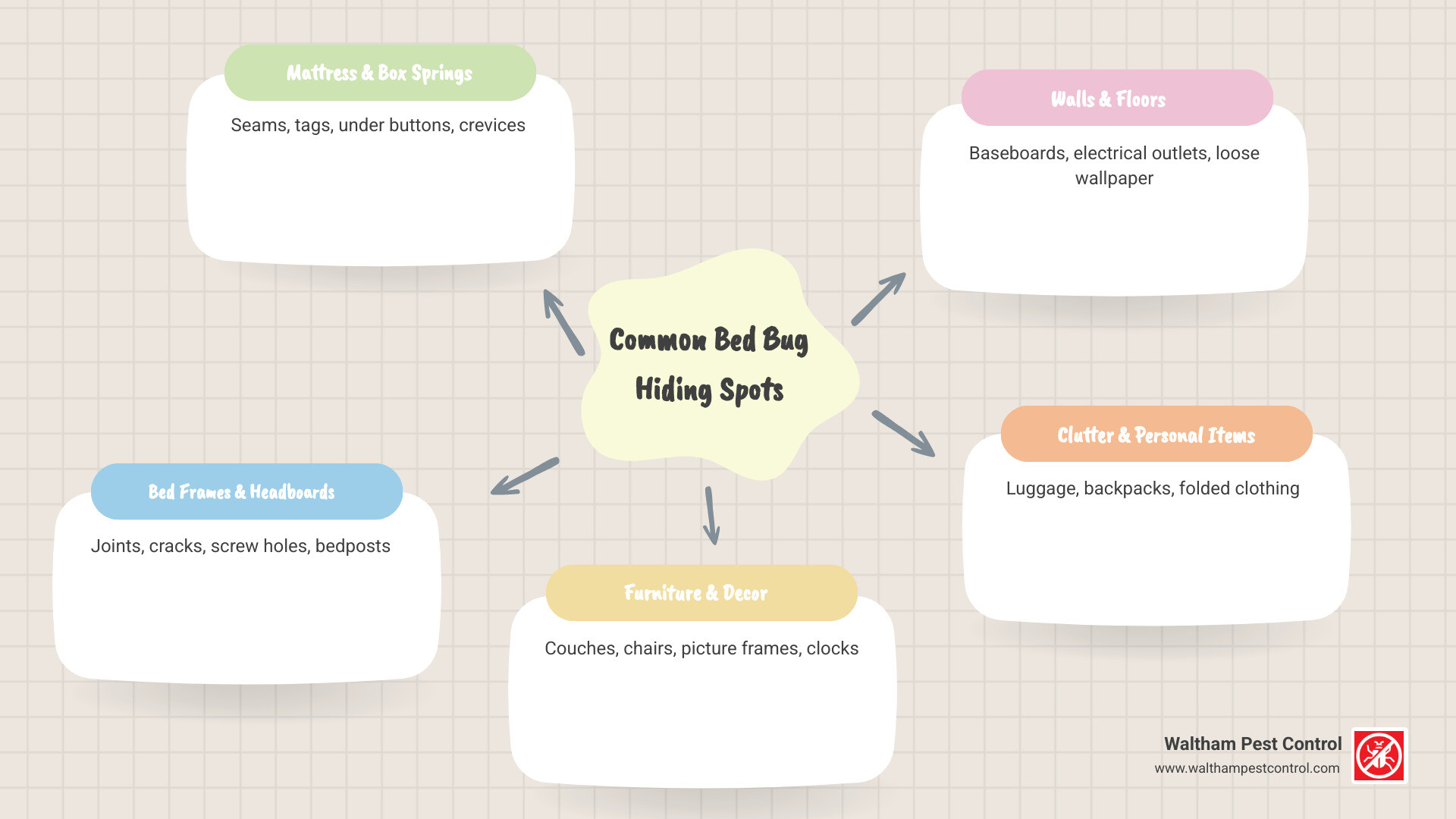
How do you kill bed bugs terms to learn:
First Steps: Identification and Initial Containment

Before you can answer how do you kill bed bugs, you must be certain that’s what you’re dealing with. Jumping into treatment without proper identification can waste time and money. Once confirmed, your priority is stopping them from spreading.
Confirming You Have Bed Bugs
Bed bugs leave distinctive clues, but they can be confused with other pests. Getting this right is the critical first step.
- Live Bugs: Adult bed bugs are about the size of an apple seed—flat, wingless, and reddish-brown. After feeding, they become swollen and darker red. Check mattress seams, bed frames, and behind baseboards.
- Fecal Spots: Look for reddish-brown or black spots on sheets, mattresses, or walls. They look like tiny ink dots from a felt-tip pen.
- Blood Stains: You may notice small blood smears on your bedding from crushed bugs or bites.
- Shed Skins: As they grow, bed bugs leave behind pale yellow, translucent exoskeletons. Finding these casings is a telltale sign.
- Odor: In heavy infestations, some people detect a musty, sweet odor.
Don’t confuse these signs with other pests. Flea bites are usually on ankles, while bed bug bites appear on skin exposed during sleep (arms, neck, face). Carpet beetle larvae shed fuzzy, bristly skins, not the smooth shells of bed bugs.
If you’re not 100% certain, collect a sample in a sealed bag for professional identification. Our experts at Waltham Pest Control can help you confirm if you’re dealing with bed bugs.
How to Keep the Infestation from Spreading
Once you’ve confirmed bed bugs, your first instinct might be to move everything out of the room. Don’t. That’s how a bedroom problem becomes a whole-house nightmare. Containment is critical.
- Isolate Items: Seal anything that can’t be treated immediately in plastic bags or airtight containers. Bed bugs can survive for months without a meal, so leave items sealed for up to a year to ensure they die off.
- Launder Fabrics: Place all bedding, curtains, and clothing into sealed plastic bags before moving them. Take the bags directly to the laundry, wash everything in hot water, and then dry on high heat for at least 30 minutes. The dryer’s heat is what kills all life stages, including eggs.
- Vacuum Thoroughly: Use a vacuum with a HEPA filter to clean mattress seams, box springs, bed frames, baseboards, and carpet edges. Immediately after, empty the canister or seal the vacuum bag in plastic and dispose of it in an outdoor trash bin.
- Stay Put: Resist the urge to sleep in another room. Bed bugs will follow you to find their next meal, spreading the infestation. Containment sets the stage for successful treatment.
How Do You Kill Bed Bugs: A Guide to Treatment Methods
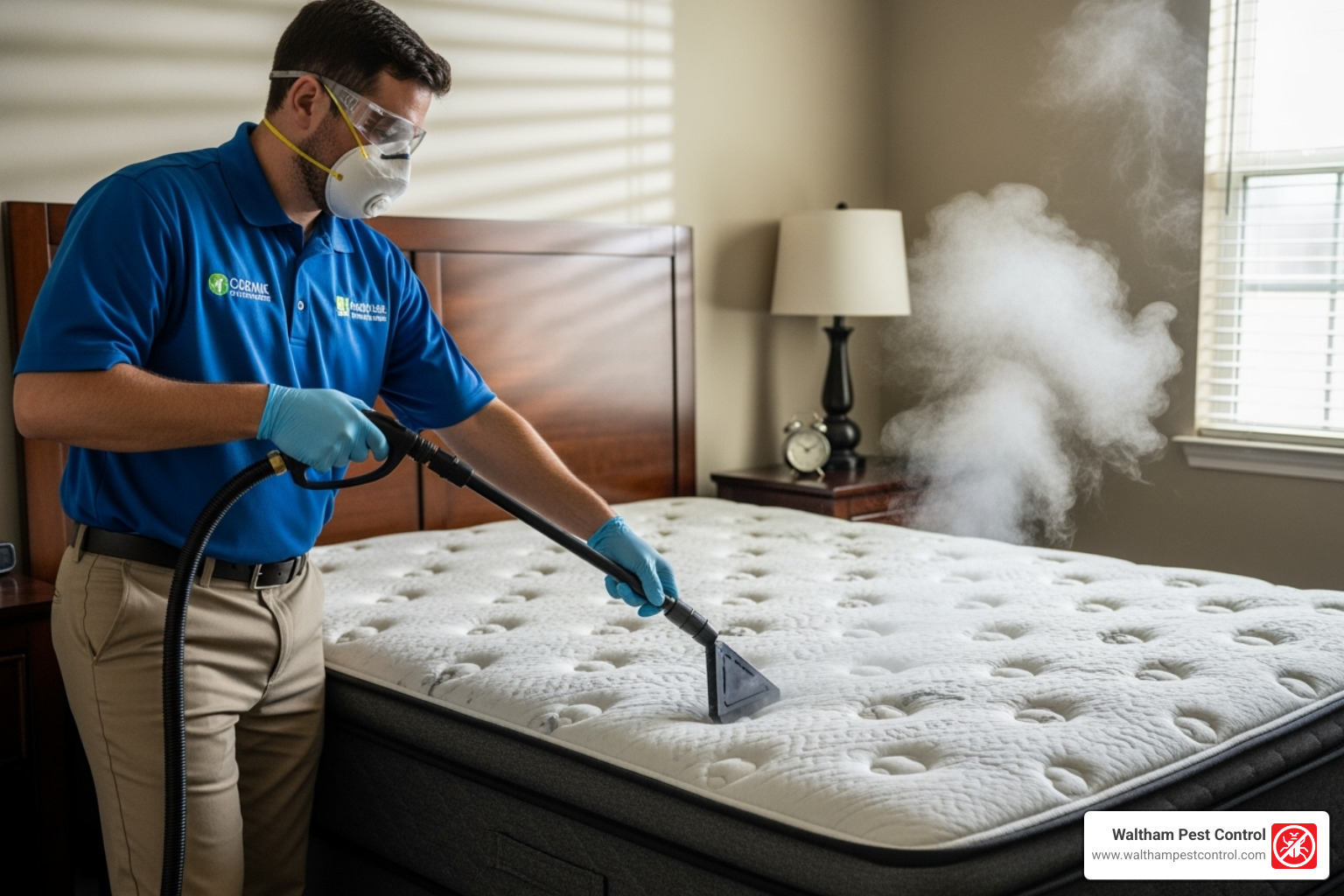
Once you’ve confirmed and contained the infestation, the next question is: how do you kill bed bugs effectively? The answer isn’t a simple can of spray.
Successful bed bug elimination requires a comprehensive strategy. At Waltham Pest Control, we use Integrated Pest Management (IPM)—a science-based approach that combines multiple treatment methods to tackle these pests from every angle. It’s the most effective way to ensure they don’t come back. You can find More info about our IPM program.
Why Professional Treatment is Most Effective
While the DIY route is tempting, bed bug eradication is complex. The success of any treatment depends on the infestation size, the amount of clutter, and whether you live in a multi-unit building. Even under ideal conditions, it can take weeks or months.
DIY methods rarely work for established infestations. Household products are often ineffective and can scatter bed bugs into new areas, making the problem worse. A professional assessment by our experienced technicians will identify hiding spots you’d never think to check, from inside clock radios to behind picture frames.
Furthermore, improper pesticide use poses risks to your family and pets. Professionals have access to specialized equipment and EPA-registered products not available to the public. We understand bed bug biology and know how to apply treatments safely and effectively.
Understanding Professional Treatment Methods
When you work with Waltham Pest Control, we use a full arsenal of proven techniques:
- Heat Treatments: We use specialized equipment to raise the room temperature to 135°F–165°F for several hours. This heat penetrates deep into walls and furniture, killing bed bugs and their eggs where pesticides can’t reach.
- Targeted Steam Applications: Professional-grade steamers produce heat over 130°F, killing bugs and eggs on contact. We use this method on mattresses, furniture, and carpets where direct heat is ideal.
- Professional-Grade Insecticides: We strategically apply EPA-registered products. These include fast-acting contact sprays and slower-acting residual products that provide long-term control. We use a variety of chemical classes to combat resistance, including some that attack the nervous system and others that disrupt cellular function.
- Desiccants: Products like silica aerogel and diatomaceous earth destroy the bug’s waxy outer layer, causing dehydration. Bed bugs cannot develop resistance to this physical method, making it excellent for long-term prevention in hidden areas.
Multiple treatment visits are typically required to eliminate any newly hatched nymphs and ensure complete eradication.
Ineffective and Dangerous “Tricks” to Avoid
Over the years, we’ve seen many well-meaning but dangerous DIY attempts. Avoid these common mistakes:
- Bug Bombs/Foggers: These products don’t penetrate the cracks where bed bugs hide. Instead, they often scatter the pests, spreading the infestation.
- Flammable Liquids: Never use rubbing alcohol, kerosene, or gasoline. They are extreme fire hazards and have caused house fires.
- Unregistered Products: If a product isn’t registered by the EPA, its safety and effectiveness are unproven.
- Home Heating: Turning up your thermostat won’t work. It cannot achieve the sustained, high temperatures needed to kill bed bugs throughout a room.
The Professional Approach: When and How to Hire an Exterminator

In my four decades of experience, I’ve seen countless homeowners try to handle bed bugs on their own, only to end up exhausted and frustrated. Knowing when to call in the experts is key. For more information on our specific services, please visit More info about bed bug services.
When to Call a Professional Pest Control Service
Sometimes, hiring a professional is a necessity, not just a convenience. Call for help if you’re facing:
- A Large or Widespread Infestation: If you’re finding bed bugs in multiple rooms, the problem has likely been growing for months and requires a comprehensive response.
- An Infestation in an Apartment or Condo: Bed bugs travel easily between units through walls and pipes. Professional coordination is essential to treat the source and prevent re-infestation. If you rent, notify your landlord immediately.
- Failed DIY Efforts: If you’ve tried vacuuming, laundering, and other methods for weeks but are still getting bitten, it’s time for professional-grade solutions.
- A Need for Peace of Mind: Bed bugs cause tremendous stress. Professional help is highly recommended because successful eradication often requires a multi-phase approach. Investing in professional service is an investment in your well-being.
What to Look for When Hiring a Professional
Not all pest control companies are created equal, especially for a challenge like bed bugs. Here’s what to look for:
- Licensed and Insured: Waltham Pest Control is fully licensed and insured in Massachusetts, and we will always provide proof of our credentials.
- Proven Bed Bug Experience: Ask specifically about their experience with bed bugs. How many cases have they handled? What is their success rate? At Waltham Pest Control, we have over 40 years of experience with every type of bed bug challenge in Eastern Massachusetts.
- An IPM Approach: A good company uses Integrated Pest Management, combining inspection, non-chemical methods (heat, steam), and targeted chemical applications. Be wary of any company promising a one-time chemical-only fix.
- A Detailed Treatment Plan: After a thorough inspection, you should receive a clear plan outlining the methods, your preparation duties, and a realistic timeline.
- Service Guarantees or Follow-Up Visits: Effective treatment almost always requires multiple visits to eliminate newly hatched bugs. Ensure follow-ups are part of the plan.
Based on internet data, professional bed bug treatment can range from $300 to $2,500 or more per room. The actual investment depends on the infestation’s severity, the area’s size, and the methods used. Please note these are industry averages, and actual costs for Waltham Pest Control may vary based on your specific situation.
Preparing for Treatment and Ensuring Long-Term Success
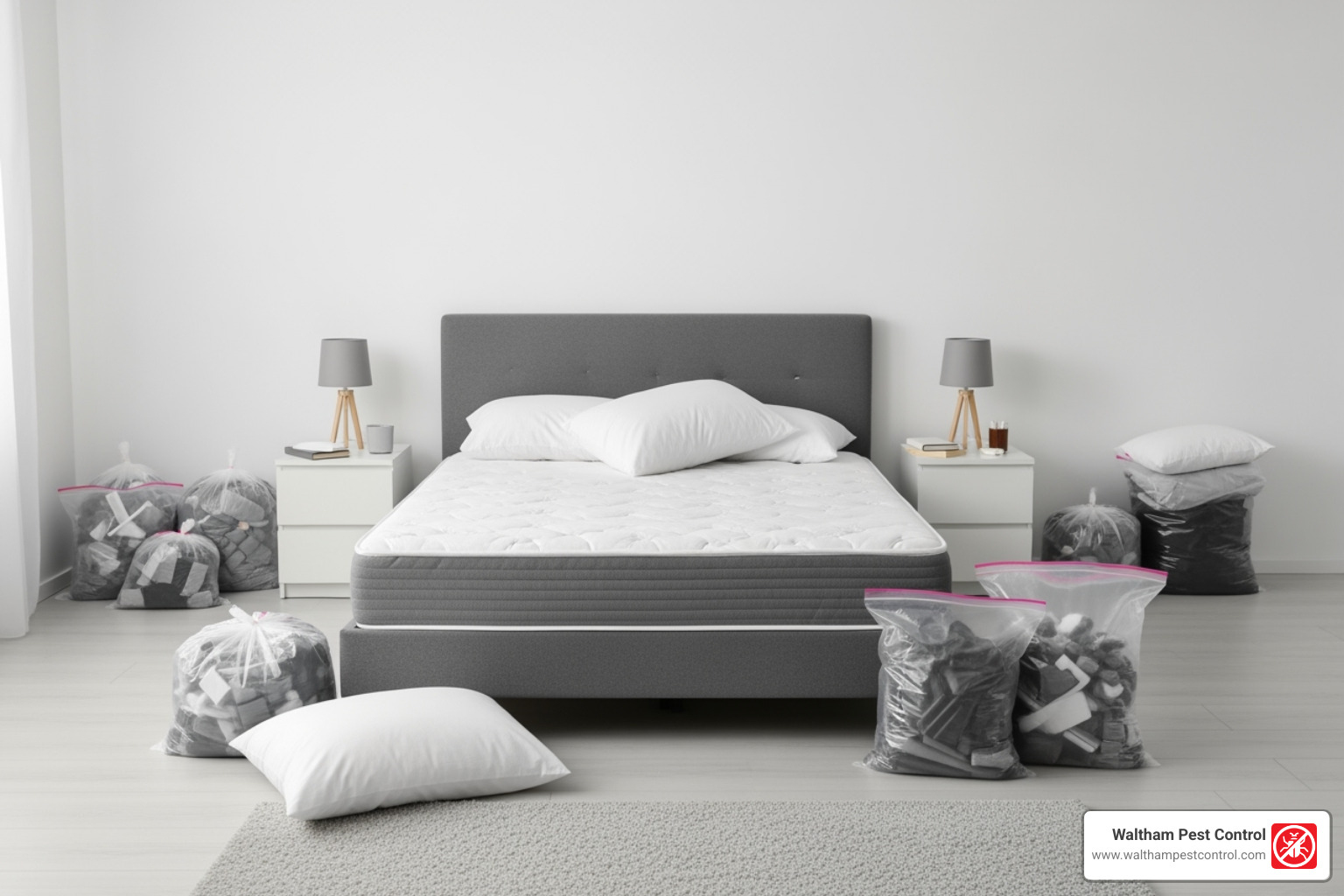
Proper preparation is a crucial step that can determine the success of your bed bug treatment. Clearing the way for treatment eliminates hiding spots and exposes bed bugs, making the process far more effective. For comprehensive ongoing protection, explore our residential pest control services.
How to Prepare Your Home for Bed Bug Treatment
Your pest control operator will provide a detailed checklist. Following these instructions is essential. Key preparation steps generally include:
- Declutter: Bed bugs thrive in clutter. Remove unnecessary items. Place items you’re keeping in sealed plastic bins, not cardboard boxes. Seal all trash in plastic bags and dispose of it outdoors immediately.
- Launder All Fabrics: Wash all bedding, curtains, clothing, and pet bedding in hot water, then dry on the highest heat setting for at least 30 minutes. Once clean, seal them in fresh plastic bags until after treatment is complete.
- Create a Treatment Perimeter: Move furniture at least 6 inches away from walls. This gives technicians access and makes it harder for bugs to climb from walls onto furniture.
- Vacuum Thoroughly: Use a crevice tool to vacuum carpets, baseboards, mattress seams, box springs, and furniture. Immediately seal the vacuum bag or canister contents in plastic and throw it away in an outdoor bin.
How Do You Know the Bed Bugs Are Gone?
This requires patience. You’re looking for an extended period—typically 6 to 8 weeks—with no new signs of activity. This means no new bites, no live bug sightings, and no fresh fecal spots or shed skins. Seeing a dead bug is a good sign the treatment is working.
We strongly recommend using bed bug interceptor traps under the legs of your bed and furniture. They provide ongoing monitoring and serve as an early warning system if any activity remains. Keep them in place for at least a year after treatment.
How long does it take? A small infestation might be resolved in a few weeks, while a large one can take several months. We recommend checking for bed bugs at least every 7 days after treatment begins.
How to Prevent Bed Bugs from Returning
Once you’ve won the battle, prevention is your best defense.
- Use Encasements: Install high-quality, zippered mattress and box spring encasements labeled as “bed bug-proof.” They trap any remaining bugs to starve and prevent new ones from nesting.
- Clean Regularly: Frequent vacuuming around beds and furniture reduces hiding spots and helps you spot new activity early.
- Be Cautious with Second-Hand Items: Thoroughly inspect any used furniture before bringing it home. If you dispose of an infested item, destroy it and mark it clearly with “BED BUGS” to prevent others from taking it.
- Travel Smart: Inspect hotel rooms before unpacking, checking the headboard and mattress seams. Keep luggage on a rack, not the floor. When you return home, wash and dry all travel clothes on high heat immediately.
- Seal Cracks and Crevices: Use caulk to seal gaps in baseboards, around pipes, and in walls. This eliminates hiding spots and can block travel between units in multi-family buildings.
Conclusion: Reclaiming Your Home from Bed Bugs
If you’re still wondering how do you kill bed bugs for good, the answer is a combination of knowledge, persistence, and professional expertise. Bed bugs are formidable, but they are not invincible. A strategic, integrated approach that combines heat, steam, sanitation, and professional-grade insecticides will eliminate them completely.
We’ve seen hundreds of families across Eastern Massachusetts go from anxious, sleepless nights to reclaiming the comfort of their homes. The key is understanding that this isn’t a one-step fix. It requires thoroughness and a commitment to follow-through.
While DIY efforts are useful for containment, established infestations typically require professional intervention. In my 40+ years leading Waltham Pest Control, I’ve learned that trying to save money with inadequate treatments often costs more in the long run—both financially and emotionally. Our team uses proven Integrated Pest Management (IPM) methods because we know what works.
Patience is essential. Complete eradication can take weeks, but with the right approach and continued vigilance—using encasements, interceptor traps, and smart prevention habits—you can keep bed bugs from ever returning.
Your home should be your sanctuary. Don’t let bed bugs take that away from you. For a comprehensive and effective solution to your bed bug problem, explore our professional bed bug treatment services. We’re here to help you sleep soundly again.
Like us on Facebook!
