

How Do Pest Control Companies Get Rid of Mice? 5 Easy Steps

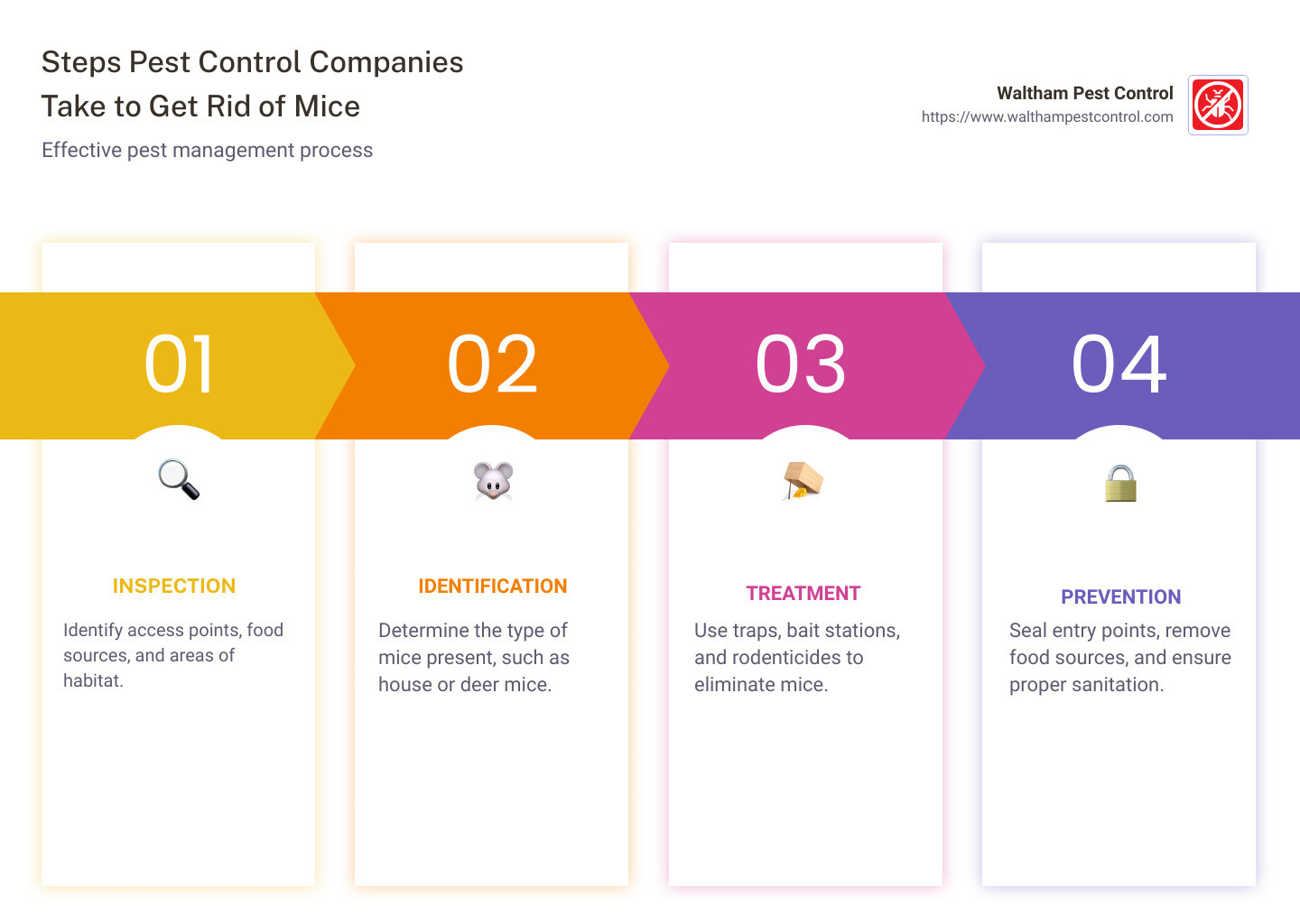
How do pest control companies get rid of mice? They follow a step-by-step process that includes:
- Inspection of your home to identify signs of a mouse presence.
- Identifying the type of mice infesting the premises.
- Developing a targeted treatment plan using methods like traps and bait stations.
- Implementing preventative measures to keep the mice from returning.
A mouse infestation is more than just an inconvenient surprise in the kitchen. Mice can chew through walls and wires, leave droppings around, and potentially spread diseases. Pest control companies are equipped to handle these issues professionally. They use advanced techniques and tools to ensure that the mice are eliminated and that your home is protected from future invasions. Enlisting the help of a professional exterminator can make all the difference in regaining peace of mind and mouse-proofing your home.
I’m Waltham Pest Control, President & CEO of Waltham Pest Control, with over 40 years of experience in pest management. I’ve overseen countless effective solutions on how do pest control companies get rid of mice, focusing on safe and efficient methods custom to each client’s needs.
Quick how do pest control companies get rid of mice definitions:
– exterminators
– mouse exterminator price
– mouse proofing services near me
How Do Pest Control Companies Get Rid of Mice?
Dealing with a mouse infestation requires a structured approach. Here’s how pest control companies tackle the problem using Integrated Pest Management (IPM):
Inspection
The first step is a thorough inspection. Pest control experts check your home for access points, food sources, and areas of habitat that mice might exploit. They look for signs like droppings, gnaw marks, and nesting materials. This helps them understand the scale of the infestation and where the mice are entering and living.
Identification
Next is the identification phase. Knowing the type of mice is crucial since different species may require different strategies. Common types include:
- House mice: Small, grayish-brown, and highly adaptable.
- Deer mice: Known for their white underbellies and feet.
- White-footed mice: Similar to deer mice but generally larger.
By identifying the species, pest control companies can tailor their approach to be more effective.
Treatment
The treatment stage involves a mix of methods to eliminate the mice:
- Mouse traps: These can be snap traps, glue traps, or live traps, each with its pros and cons.
- Bait stations: These contain rodenticides that mice consume, eventually leading to their elimination.
- Rodenticides: Chemical agents that are carefully applied to target mice without harming other animals.
- Fumigation: Used rarely and only in severe cases, as it involves using gases like phosphine to eradicate mice. It’s a last resort due to its complexity and the need to vacate the premises during treatment.
Prevention
Finally, prevention ensures that the mice don’t return. This involves:
- Sealing entry points: Closing gaps and holes that mice use to enter your home.
- Removing food sources: Keeping food sealed and disposing of waste properly to avoid attracting mice.
- Sanitation measures: Regular cleaning to remove potential nesting materials and food crumbs.
By following these steps, pest control companies can effectively manage and eliminate mouse infestations, ensuring your home stays mouse-free.
Types of Mouse Traps Used by Pest Control Companies
Pest control companies use a variety of traps to effectively manage mouse infestations. Each type of trap has its own advantages and is chosen based on the situation and severity of the infestation. Here are the main types of traps used:
Snap Traps
Snap traps are perhaps the most traditional and widely recognized type of mouse trap. These traps use a spring-loaded bar that snaps down when triggered by a mouse attempting to take the bait. They are effective at quickly killing mice and are considered humane if set correctly. Snap traps are best used in areas where pets and small children cannot reach them, like attics or behind appliances.
Glue Traps
Glue traps consist of a sticky adhesive surface that captures mice when they attempt to cross it. While they are effective in trapping mice, they are often criticized for being inhumane as they do not kill the mice instantly. Mice caught on glue traps can suffer for extended periods if not checked regularly. Additionally, these traps can pose a risk to pets and non-target animals that might accidentally come into contact with them.
Live Traps
For those looking for a more humane option, live traps are a popular choice. These traps capture mice without harming them, allowing for the possibility of releasing them far from your home. Live traps need to be checked frequently to ensure that mice are not left in them for too long, which could lead to stress or death. However, it’s important to note that released mice may find their way back or cause problems elsewhere.
Bait Traps
Bait traps are designed to lure mice in with attractive bait, such as peanut butter or cheese. These traps can be used in conjunction with snap traps or live traps to increase their effectiveness. The bait serves to draw mice to the trap, making it more likely that they will be caught. Pest control professionals often use bait traps strategically to manage and reduce mouse populations efficiently.
By employing a combination of these traps, pest control companies can effectively address mouse infestations, tailoring their approach to the specific needs of each situation. This ensures that they not only capture and remove mice but also prevent future infestations.
Do Pest Control Companies Spray for Mice?
When dealing with a mouse infestation, pest control companies don’t typically “spray” in the way you might imagine for insects. Instead, they use a variety of fumigation and chemical methods designed to target mice specifically. Let’s explore these methods:
Fumigation
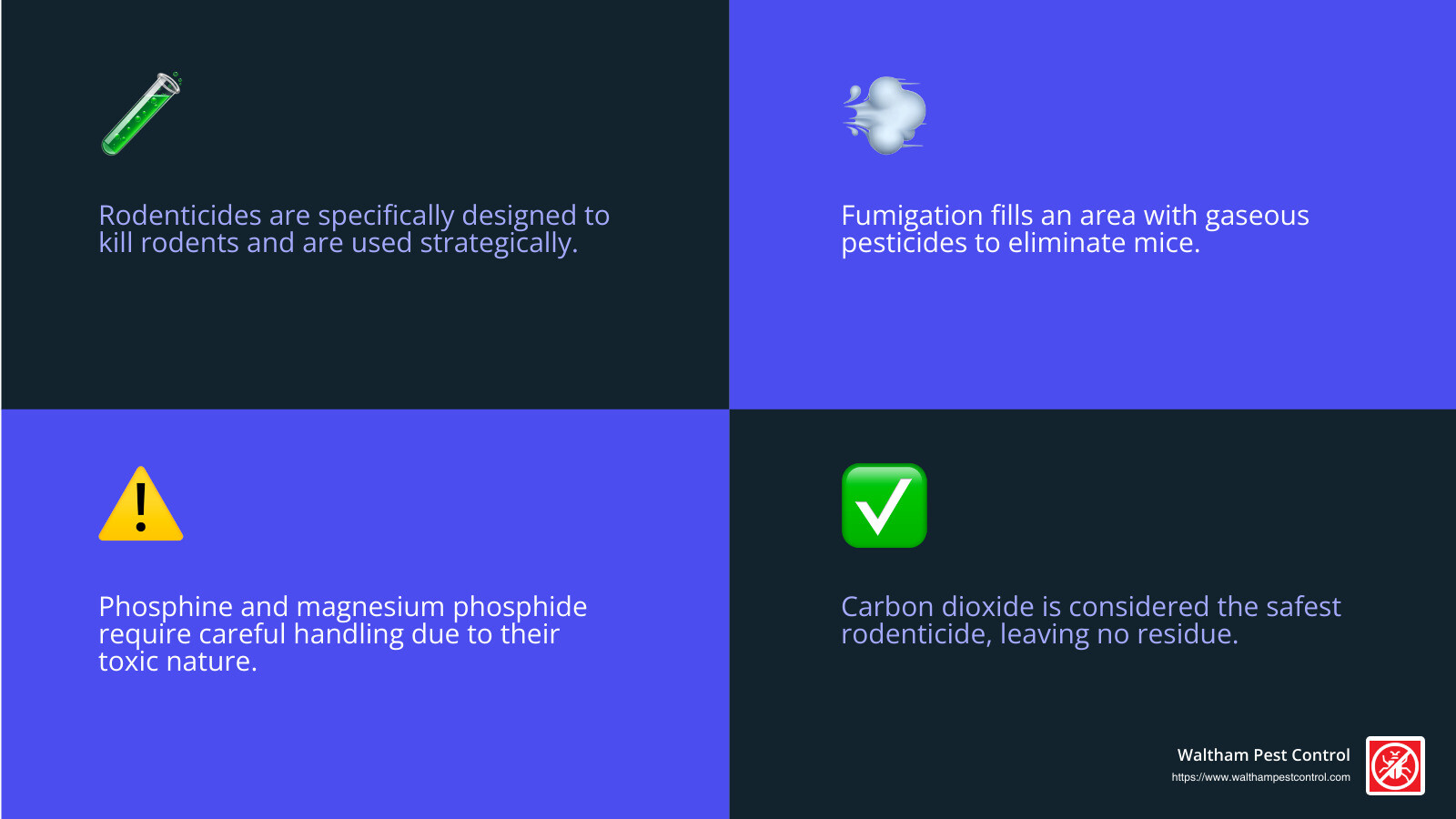
Fumigation involves filling an area with gaseous pesticides or fumigants to suffocate or poison the mice within. This method is effective for severe infestations where mice have infiltrated hard-to-reach areas. However, it’s not a common go-to for mice due to the complexities involved and potential risks to humans and pets.
Rodenticides
Rodenticides are chemicals specifically designed to kill rodents. These are often used in bait stations, which are placed strategically to lure mice. The bait is usually attractive to mice, ensuring they consume a lethal dose. Common rodenticides include:
- Phosphine: A solid that turns into a toxic gas when exposed to air. It’s highly effective but requires careful handling due to its explosive nature and the risk of inhalation.
- Formaldehyde: This chemical disrupts the cell division of rodents, effectively stopping them in their tracks.
- Magnesium Phosphide: Similar to phosphine, it releases a toxic gas when it comes into contact with moisture. This method is potent but also requires professional expertise to manage safely.
- Carbon Dioxide: Considered the safest option among these chemicals, carbon dioxide leaves no residue. It suffocates mice during fumigation but poses no contamination risk afterward.
Why Not Spraying?
The term “spraying” might conjure images of insect control, but with mice, the approach is different. Mice require specific targeting, and broad-spectrum sprays aren’t effective. Instead, pest control companies rely on a combination of traps, baits, and the strategic use of chemicals to manage and eliminate infestations.
By understanding these methods, you can see why pest control companies opt for a custom approach rather than a one-size-fits-all spray. This ensures a more effective and safer resolution to your mouse problem, paving the way for a pest-free home environment.
How Long Does It Take for Pest Control Companies to Get Rid of Mice?
The time it takes for pest control companies to eliminate a mouse infestation can vary greatly. Several factors come into play, including the treatment duration, the size of the infestation, and the need for follow-up visits.
Treatment Duration
For a small infestation, pest control professionals might need only 1-2 weeks to address the problem. This quick timeline is possible because fewer mice mean fewer nesting sites and less extensive damage. In these cases, a combination of traps and bait stations can be highly effective.
However, larger infestations are more complex and can take anywhere from 1 to 3 months to fully resolve. More mice mean more nests, more entry points, and greater contamination. This requires a more comprehensive approach, often involving multiple treatments and techniques to ensure every mouse is removed.
Infestation Size
The size of the infestation significantly impacts how long it will take to eliminate all mice. A few mice caught early can be dealt with swiftly. But if the problem has been left unchecked, the population can grow rapidly. Mice reproduce quickly, with a female mouse capable of having multiple litters per year, each with several offspring. This rapid multiplication can turn a small problem into a large one in just a few weeks.
Follow-Up Visits
Follow-up visits are crucial to ensure the complete eradication of mice from your home. After the initial treatment, pest control professionals will return to monitor the situation, reset traps, and check for new signs of activity.
These visits help confirm that the initial treatment was successful and allow for adjustments if mice are still present. Regular monitoring can also prevent future infestations by identifying potential entry points and addressing them before mice can return.
In conclusion, the duration of mice eradication depends on several factors, but with professional help, you can expect a thorough and effective resolution. Pest control companies aim to not only remove the current infestation but also prevent future problems, ensuring your home remains mouse-free.
Frequently Asked Questions about How Pest Control Companies Get Rid of Mice
How fast can exterminators get rid of mice?
The speed at which exterminators can eliminate mice depends largely on the severity of the infestation. For minor infestations, exterminators might need just 1-2 weeks to effectively tackle the issue. This is because fewer mice mean fewer nests and less contamination. In these cases, using traps and bait stations can quickly reduce the population.
For more extensive infestations, it can take 1-3 months. Larger populations require more comprehensive strategies, including multiple treatments and follow-up visits. The goal is to ensure that every mouse is removed and that the infestation doesn’t recur.
Do exterminators really work for mice?
Yes, exterminators are highly effective at dealing with mouse infestations. They use a variety of proven methods, such as integrated pest management (IPM), which combines traps, bait stations, and sometimes rodenticides. Their expertise allows them to identify mouse entry points, nesting sites, and food sources, which are crucial for effectively eliminating the problem.
Exterminators also offer the advantage of professional-grade products and techniques that are not available to the general public. This ensures a more thorough and safe eradication of mice, protecting you and your family from potential health risks associated with DIY methods.
Can exterminators get rid of mice in walls?
Absolutely. Mice in walls are a common issue, and exterminators are well-equipped to handle them. They use specialized tools and techniques to lure mice out of walls, such as placing food bait near suspected entry points. Professional pest control services can also identify and seal these entry points to prevent future infestations.
In some cases, exterminators may use fumigation or rodenticides to reach mice hidden within walls. These methods are carefully controlled to ensure safety and effectiveness. Regular follow-up visits help ensure that the mice are completely gone and that your home remains rodent-free.
Conclusion
At Waltham Pest Control, we pride ourselves on delivering top-notch pest management services. With over 40 years of experience, we are committed to providing solutions that are both effective and environmentally responsible. Our team is licensed and insured, ensuring that you receive professional and reliable service every time.
Our approach to pest control is centered around quality and commitment. We understand that dealing with a mouse infestation can be stressful, and our goal is to make the process as smooth and efficient as possible. We offer cost-effective solutions custom to your specific needs, ensuring that you get the best value for your investment.
Whether you’re dealing with a minor infestation or a more severe problem, we have the expertise and tools to handle it. Our use of integrated pest management (IPM) techniques ensures that we not only eliminate the current infestation but also prevent future ones. This comprehensive approach is what sets us apart and guarantees your home remains mouse-free.
For more information or to schedule a consultation, visit our Residential Pest Control page. Let us help you maintain a safe and healthy home environment.
