

Get rid of raccoons in garage: Proven Solutions 2025
Why a Raccoon in Your Garage Needs Immediate Attentionraccoons
Get rid of raccoons in garage by using these proven methods:
- Use light, sound, and smell deterrents – Set up bright lights, play talk radio, and place ammonia-soaked rags near the den site for at least 3 days and nights
- Perform the paper test – Stuff newspaper in the entry hole and monitor for 3 nights to confirm they’ve left
- Seal all entry points – Use 16-gauge wire mesh or metal flashing to permanently close access holes
- Remove attractants – Secure trash cans, remove pet food, and eliminate food sources
- Call a professional – If you suspect babies are present (January-September) or if deterrents aren’t working
Important: Never trap and relocate raccoons. It’s often illegal, inhumane, and ineffective. If you spot raccoons in your garage between January and September, assume a mother with babies is present and proceed with extra caution.
Raccoons might look cute with their masked faces and nimble paws, but they’re not the houseguests you want. These intelligent animals seek out garages for shelter, especially during breeding season. They can cause significant property damage by tearing insulation, chewing through wood, and creating unsanitary conditions with their droppings. Even worse, they can carry diseases like rabies, roundworm, and leptospirosis that pose serious health risks to your family and pets.
The good news? You can humanely encourage raccoons to leave and prevent them from coming back. The key is understanding why they’re there in the first place. Raccoons enter garages for three main reasons: shelter from predators, a safe place to raise babies, and easy access to food. By addressing these factors, you can reclaim your garage without harming the animals.
I’m Waltham Pest Control, President & CEO of Waltham Pest Control, with over 40 years of experience helping Massachusetts homeowners get rid of raccoons in garage spaces and other wildlife problems using humane, effective methods. Throughout this guide, I’ll share the proven techniques we use to resolve raccoon conflicts while prioritizing both your safety and the animals’ welfare.
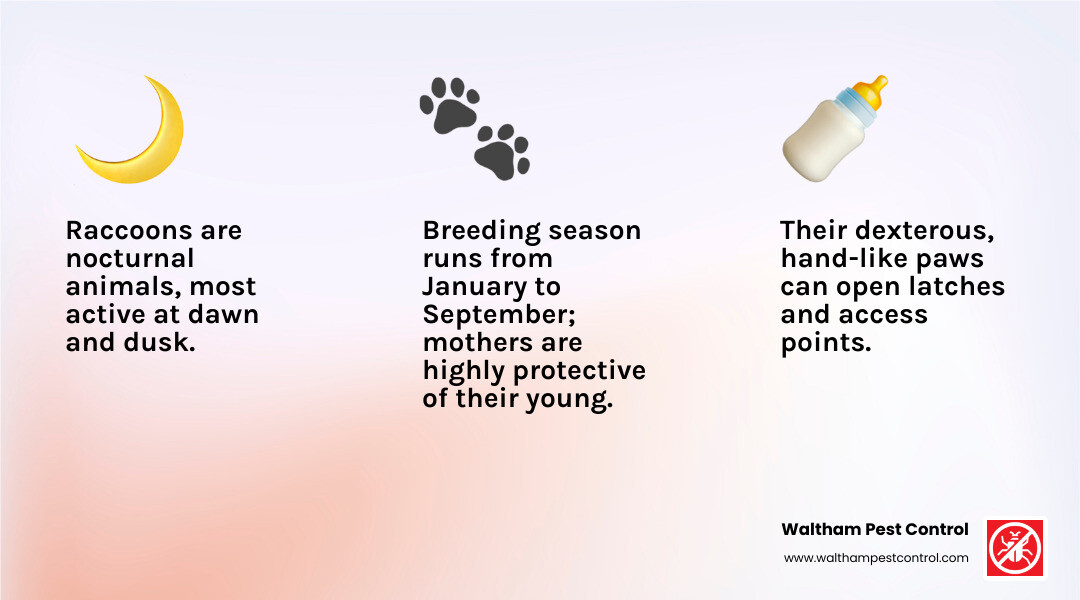
Get rid of raccoons in garage vocab to learn:
Is It a Raccoon? Signs and Dangers of an Unwanted Tenant
Before you can get rid of raccoons in garage spaces, you need to confirm you’re actually dealing with raccoons. These clever animals leave behind plenty of calling cards that make identification straightforward. Catching these signs early can save you from extensive damage and health hazards down the road.
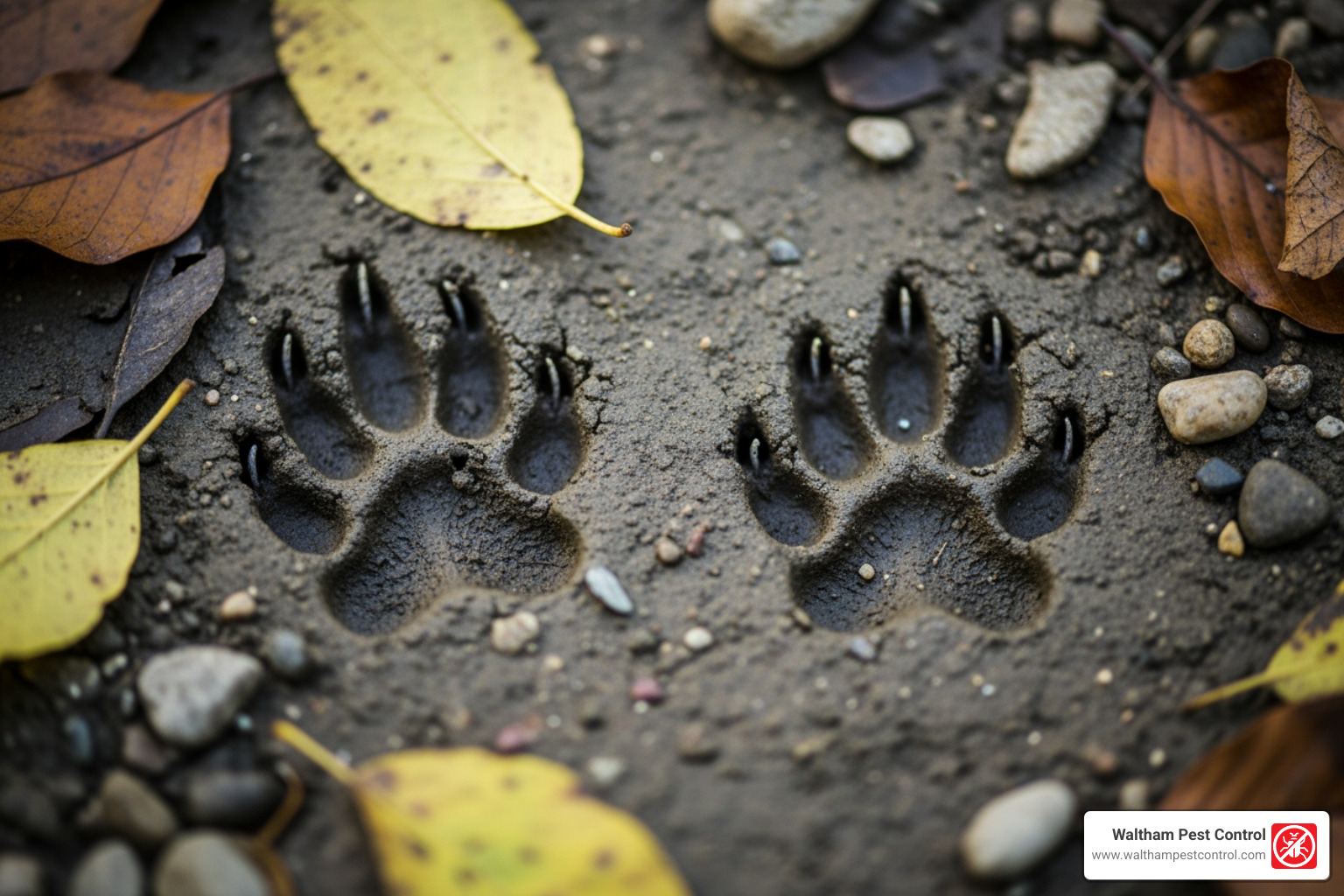
Telltale Signs of Raccoon Activity
Since raccoons are nocturnal, you’re more likely to see the evidence they leave behind than the animals themselves. Look for these common clues:
- Noises: After dusk, listen for scratching, thumping, or rustling sounds. A mother with babies may also make chittering or growling vocalizations.
- Tracks: Raccoon prints look like small human handprints. Check for these five-fingered tracks in dust on the floor or in soft soil near your garage.
- Droppings: Raccoons use communal “latrines,” repeatedly defecating in one spot. Their droppings are similar to small dog feces and often contain undigested seeds or berries. Do not touch them, as they can contain dangerous parasites.
- Physical Damage: Raccoons are strong and destructive. Look for torn insulation, gnaw marks on wood, chewed electrical wiring (a fire hazard), and ransacked storage items.
- Greasy Smudges: The oils in their fur leave dark, greasy rub marks on walls and pipes along their travel routes.
- Toppled Trash Cans: This is a classic sign. If your trash cans are regularly knocked over with garbage scattered about, raccoons are the likely culprits.
Why Raccoons Choose Your Garage
Your garage is prime real estate for a raccoon. Understanding why they moved in is key to getting them out.
- Shelter: A garage offers a secure, warm, and dry space, protecting raccoons from predators and harsh weather.
- Nursery: From January through September, there’s a high probability you’re dealing with a mother raising her babies (kits). Garages provide a safe, quiet place for her to den.
- Food: Unsecured trash, pet food, or birdseed create an irresistible buffet that encourages them to stay.
- Access: Raccoons are adept at exploiting weaknesses. An open door, a broken window, or any gap as small as 4 inches is an open invitation.
Health and Safety Risks You Can’t Ignore
While we advocate for humane removal, it’s crucial to understand the serious risks raccoons pose to your family, pets, and property.
- Property Damage: Beyond the mess, raccoons can chew through electrical wiring, creating a genuine fire hazard. They destroy insulation, leading to costly repairs and energy loss, and damage roofing or siding, which can lead to water damage.
- Aggressive Behavior: A mother raccoon is fiercely protective of her young and will defend them if she feels cornered. Never approach a raccoon, and keep children and pets far away from the area.
- Disease Transmission: Raccoons can carry several diseases transmissible to humans and pets.
- Rabies: While the risk to humans is low, it is fatal if untreated. Any raccoon acting strangely—disoriented, aggressive, or partially paralyzed—should be avoided. Contact animal control immediately.
- Baylisascaris roundworm: This is a more common threat than rabies. Microscopic parasite eggs are shed in raccoon feces. If accidentally ingested by humans, the infection can cause severe neurological damage. This is why raccoon latrines are so dangerous and require professional cleanup.
- Leptospirosis: This bacterial disease is spread through raccoon urine. Humans and pets can become infected through contact with contaminated water or soil, especially if there are cuts on the skin.
Humane Ways to Get Rid of Raccoons in Your Garage
You don’t need to harm raccoons to get rid of raccoons in garage spaces. The most effective and humane approach is to make your garage so uncomfortable that they choose to leave on their own. Think of it as being a terrible host. This requires patience, especially if a mother and her babies are present, as it gives the entire family time to relocate together safely.
Step-by-Step Guide to Get Rid of Raccoons in Garage Using Deterrents
Raccoons seek dark, quiet, and safe spaces. Your goal is to disrupt all three using a multi-sensory approach.
- Use Bright Lights: Raccoons are nocturnal and dislike bright light. Place a fire-safe mechanic’s work light or a motion-activated floodlight aimed directly at their denning area.
- Add Constant Noise: The sound of human voices makes raccoons nervous. Place a radio near the den and tune it to a talk radio station, keeping it on 24/7 at a moderate volume.
- Introduce Strong Smells: Raccoons are repelled by certain odors. Place rags soaked in ammonia or apple cider vinegar in a perforated plastic bag near the den. (Use caution with ammonia if you have pets).
Crucially, you must keep these deterrents running continuously for at least three full days and nights. A persistent disturbance will convince even a stubborn raccoon to find a more peaceful home.
Confirming They’ve Left: The Paper Test
After several days of harassment, you need to confirm the raccoons are gone before sealing any holes. This is where the simple “paper test” is essential.
After dark, loosely stuff some wadded-up newspaper into the main entry hole. The material should be easy for a raccoon to push aside.
Wait and monitor the paper for three consecutive nights. If the paper is pushed out or torn, the raccoons are still there. Continue with your deterrents and repeat the test. If the paper remains untouched for three full nights, you can be confident the garage is empty.
Why Trapping and Relocating is a Bad Idea
It may seem like a quick fix, but trapping and relocating a raccoon causes more harm than good and is ultimately ineffective.
First, it’s inhumane and often illegal. If you trap a mother between January and September, you will almost certainly orphan her babies, leaving them to starve to death inside your garage. Furthermore, relocated raccoons have a very low survival rate. Dropped in an unfamiliar territory, they struggle to find food and shelter and often die from starvation or conflicts with resident wildlife.
Finally, trapping doesn’t solve the root problem. If you don’t seal the entry points, another raccoon will simply move into the newly vacant, desirable territory. The only permanent solution is to make them leave on their own and then block their re-entry.
Sealing the Deal: Long-Term Raccoon Prevention
You’ve successfully encouraged the raccoons to leave. Now, you must ensure they can’t get back in. This final step involves fortifying your garage and removing the attractants that drew them in.
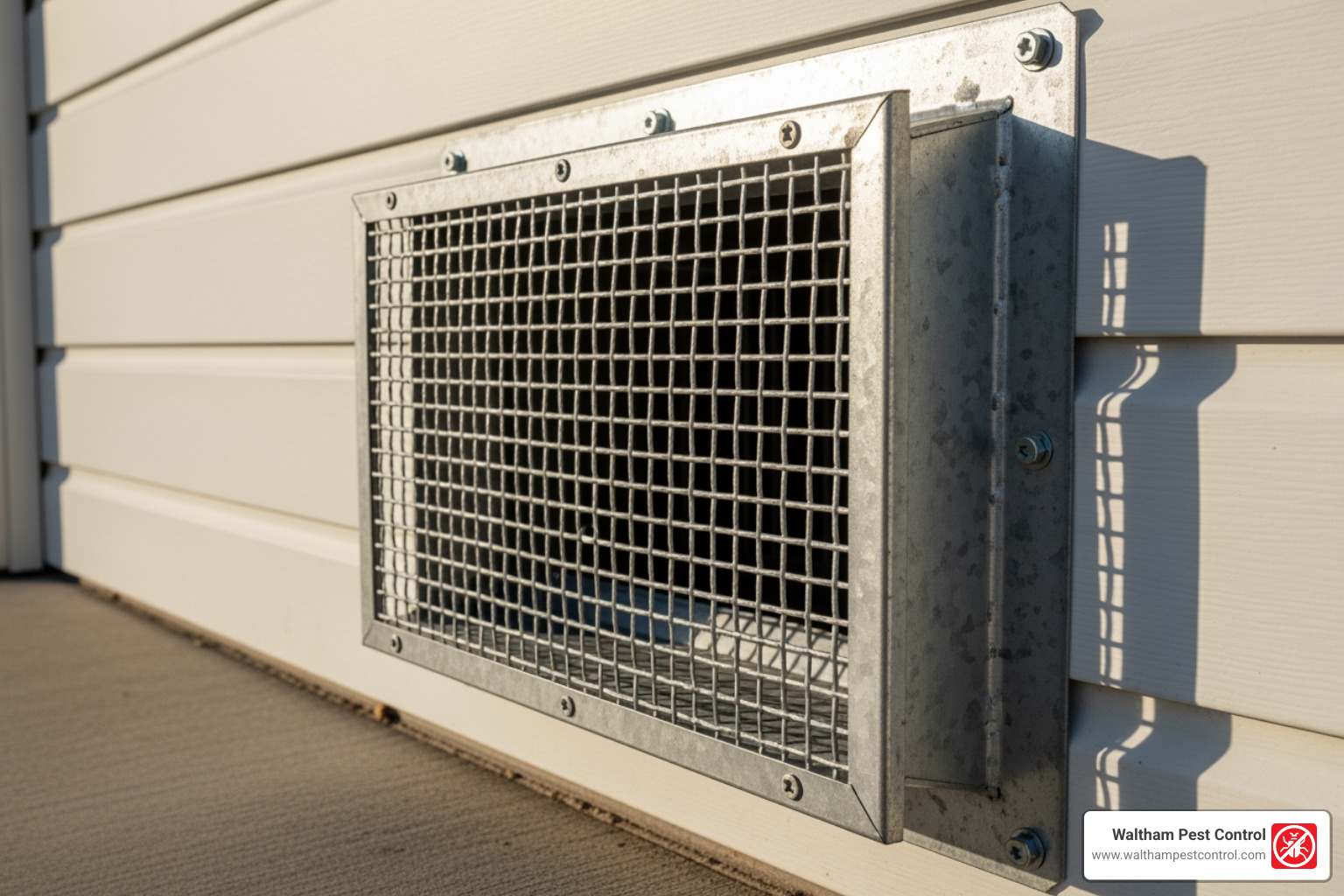
Long-Term Prevention: How to Get Rid of Raccoons in Garage for Good
Raccoons are strong and persistent, so a flimsy patch won’t work. To permanently get rid of raccoons in garage spaces, you need to use chew-proof materials.
First, conduct a thorough inspection of your garage’s exterior and interior, looking for any opening 4 inches or larger. Pay close attention to gaps around pipes and vents, damaged siding or soffits, cracks in the foundation, and the seal under your garage door.
Use 16-gauge galvanized steel mesh or metal flashing to seal these openings. Secure the material firmly with screws and heavy-duty staples. For smaller cracks, use exterior-grade caulk. Never use wood, plastic, or spray foam alone, as raccoons can easily chew through them.
Your garage door is a common entry point. Ensure it seals tightly against the ground by replacing any worn-out weather stripping. If you have a pet door, lock it at night. Finally, if your home has a chimney, install a sturdy, professional chimney cap to prevent raccoons from using it as a den.
Making Your Property Less Appealing
Sealing your garage is half the battle; the other half is removing the “welcome mat” from your property.
- Secure Your Trash: This is the most important step. Use heavy-duty trash cans with locking lids, and secure them further with bungee cords. If possible, store cans in the garage until pickup day.
- Remove Food Sources: Never leave pet food outside overnight and store it in sealed, chew-proof containers. Clean up fallen fruit from trees and any spilled birdseed from feeders.
- Limit Water Access: Raccoons need water. Fix leaky outdoor faucets, empty bird baths at night, and ensure rain barrels are securely covered.
- Trim Tree Branches: Raccoons are excellent climbers. Trim any tree branches that are within 6 to 8 feet of your roofline to eliminate an easy access highway to your home.
These prevention habits don’t just deter raccoons; they also help with comprehensive residential pest control against a variety of other pests.
When to Call a Professional Wildlife Expert
Sometimes, DIY methods aren’t enough. Certain situations require professional intervention to ensure the safe and effective removal of raccoons. At Waltham Pest Control, we have over 40 years of experience handling complex wildlife conflicts across Massachusetts.
Signs You Need Professional Help Immediately
If you encounter any of the following, it’s time to call a professional:
- Suspected Babies in the Den (January-September): If it’s breeding season, always assume babies are present. Sealing them inside is inhumane and will cause the frantic mother to do severe damage trying to get back to them. A professional can safely and humanely reunite the family.
- Aggressive or Sick Raccoon: If a raccoon appears disoriented, fearless, or unusually aggressive, it may have rabies or distemper. This is a public safety issue that requires trained experts.
- Hard-to-Reach Locations: When raccoons are denning inside walls, chimneys, or deep in an attic, professionals have the specialized equipment needed for a safe extraction without damaging your property.
- Deterrents Aren’t Working: If your humane harassment efforts have failed after several days, you may be dealing with a particularly stubborn raccoon that requires a more advanced approach.
- You Need a Guaranteed Solution: Professional exclusion work comes with a warranty. We guarantee that raccoons won’t get back in through the areas we seal.
Why Choose Waltham Pest Control?
When you call us to get rid of raccoons in garage spaces, you’re choosing a company with a proven commitment to humane and effective solutions.
- We use humane methods: We prioritize non-lethal exclusion and will always explain our process to you. Our goal is to encourage the raccoons to leave on their own.
- We protect raccoon families: We know how to handle mother raccoons with babies, using techniques that encourage the mother to relocate her young, keeping the family together.
- We are licensed and insured: This protects you and ensures we comply with all state wildlife laws.
- We guarantee our work: We stand behind our exclusion repairs with a warranty, giving you confidence that the problem is solved for good.
While DIY methods can work for simple cases, they carry the risk of failure, property damage, and accidentally orphaning babies. Our professional removal service offers trained expertise, the right safety equipment, proper cleanup of hazardous waste like latrines, and guaranteed results that comply with all Massachusetts wildlife regulations.
Understanding the Costs
I’m often asked about the cost of professional raccoon removal. The price can vary significantly based on the complexity of the job. The final price depends on factors like the number of raccoons, the accessibility of the den, the extent of damage and contamination cleanup required, and the complexity of the exclusion work needed to seal your home.
At Waltham Pest Control, we believe in transparency. We always begin with a thorough pest inspection to assess your specific situation and provide you with an accurate, detailed estimate. This investment in a professional solution often saves money in the long run by ensuring the job is done right the first time, with guaranteed workmanship and lasting peace of mind.
Conclusion: Reclaim Your Garage for Good
Finding raccoons in your garage doesn’t have to turn into a nightmare. With the strategies we’ve shared, you now have a clear roadmap to handle this situation humanely and effectively. The process comes down to a few key actions: recognizing the signs of raccoon activity, using patient deterrents like light, sound, and smell, confirming they’ve left with the paper test, and most importantly, sealing up entry points and removing attractants to keep them from coming back.
The most important thing I can tell you from four decades in this business? Prevention is everything. Once you’ve successfully encouraged those masked bandits to relocate, the work you put into making your property less appealing will pay dividends for years to come. Secure those trash cans, eliminate food sources, and seal every potential entry point with quality materials. These simple steps will protect not just your garage, but your entire home from future wildlife conflicts.
But here’s what I also want you to know: there’s no shame in calling for help. If you’re dealing with a mother and babies, if the raccoons are being stubborn despite your best efforts, or if you simply want the peace of mind that comes with a professional solution, that’s exactly what we’re here for. At Waltham Pest Control, we’ve spent over 40 years helping homeowners throughout Eastern Massachusetts get rid of raccoons in garage spaces and other areas using methods that are both effective and compassionate.
Our team understands that every situation is unique, and we approach each call with the same care we’d want for our own families. We’re licensed, insured, and committed to resolving your wildlife problems while keeping both you and the animals safe. More than that, we stand behind our work with warranties that give you real confidence.
Your garage should be a place for your car, your tools, and your storage—not a nursery for wildlife. Let us help you take back that space and keep it raccoon-free for good. Contact us for humane raccoon control and experience what happens when experience meets genuine care.
