

Get Rid of Mice and Rats: Top 7 Proven Methods 2025

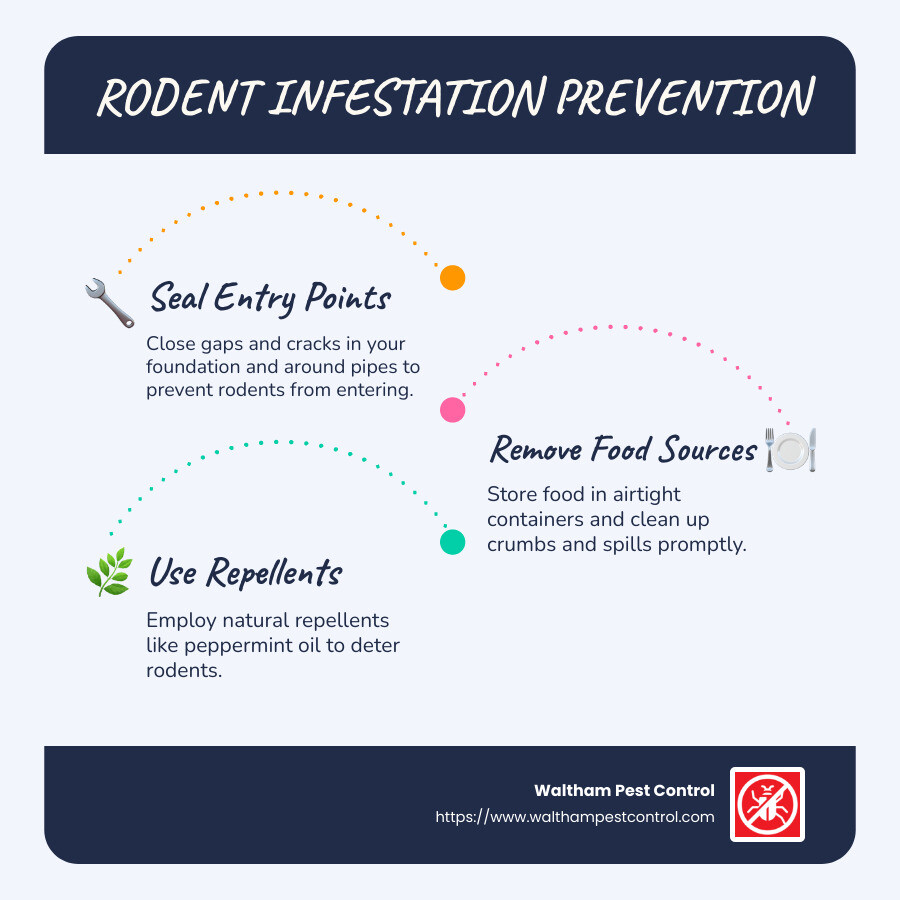
To get rid of mice and rats quickly and effectively, it’s crucial to take immediate action by sealing entry points, removing food sources, setting up traps, and using repellents. If you find a rodent issue, it’s best to act promptly to prevent the problem from growing.
Rodents like mice and rats are not just unwelcome guests in your home—they pose serious threats to your property and health. They can squeeze through gaps as small as a quarter-inch, making it easy for them to invade your space. Once inside, these pests can multiply rapidly and spread diseases through their droppings and urine, exacerbating conditions like allergies and asthma.
I’m Waltham Pest Control, President & CEO of Waltham Pest Control with over 40 years in the pest control industry. My experience in helping hundreds of Massachusetts homeowners get rid of mice and rats has shown me the importance of addressing infestations promptly and effectively.
Get rid of mice and rats vocab explained:
– get rid of rodents
– rat infestation removal
– rat prevention in home
How to Identify a Rodent Infestation
Identifying a rodent infestation early is key to stopping it from becoming a bigger problem. Here are some telltale signs to watch out for:
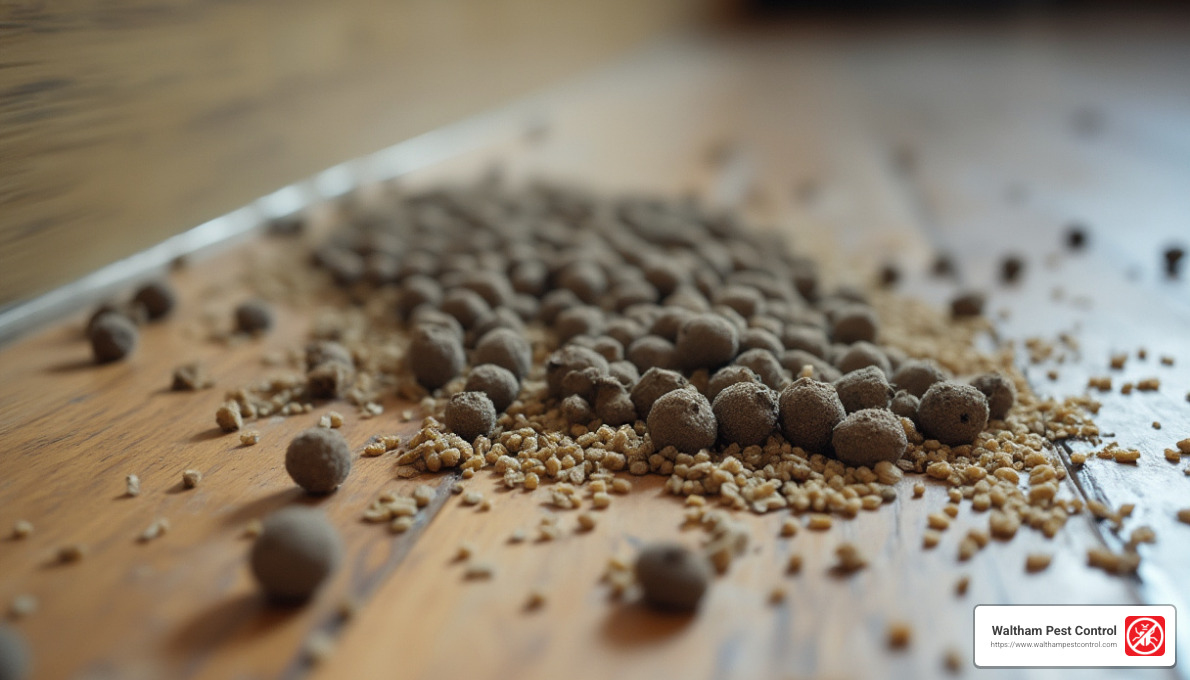
Droppings
Rodent droppings are one of the most noticeable signs of an infestation. Mice droppings are small, about the size of a grain of rice, while rat droppings are larger and can be up to half an inch long. Look for these in places where food is stored, like kitchen cabinets or pantry shelves. Also, check along baseboards and in corners.
Gnaw Marks
Rodents have ever-growing teeth, so they gnaw on things to keep them in check. You might find gnaw marks on furniture, walls, electrical wires, and even food packaging. Mice tend to leave small, rough gnaw marks, while rats leave larger, smoother ones. This can lead to serious structural damage and even fire hazards if left unchecked.
Nesting Materials
Mice and rats create nests from materials like shredded paper, fabric, or dried plant matter. If you find these materials in hidden areas like attics, basements, or behind appliances, it’s a strong indication of a rodent problem. Nests are usually hidden but may become visible if the infestation is severe.
Unusual Sounds and Smells
Rodents are mostly active at night. Listen for scratching, scurrying, or squeaking sounds in the walls or ceilings. A musky odor can also indicate their presence, as their urine has a strong, pungent smell.
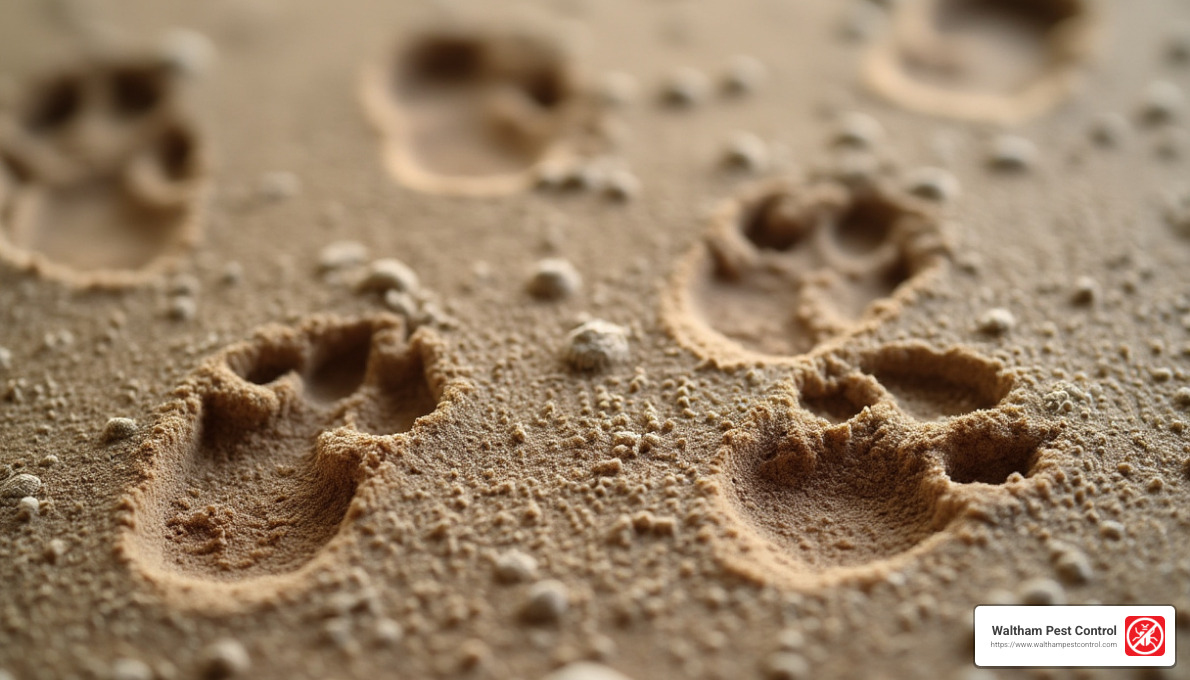
Footprints and Runways
In dusty areas, you might notice tiny footprints or tail marks. You can sprinkle a bit of flour or baby powder on the floor to confirm their activity. If you find tracks, it’s time to take action.
If you spot any of these signs, it’s crucial to get rid of mice and rats quickly to prevent further damage and health risks. Stay vigilant and act swiftly to keep your home rodent-free.
How Do Rodents Enter Homes?
Rodents are incredibly resourceful when it comes to finding ways into your home. Understanding their entry points can help you get rid of mice and rats and prevent future infestations.
Small Gaps and Cracks
Mice can squeeze through openings as small as a quarter-inch, about the diameter of a pencil. Rats need slightly larger openings, but they can still fit through holes the size of a thumb. Check for gaps around doors, windows, and where different building materials meet. Even tiny cracks in the foundation or walls can be an open invitation for these pests.
Foundation and Walls
Rodents often enter homes through cracks in the foundation or walls. Over time, small fissures can develop, providing easy access. Inspect your home’s exterior regularly and seal any openings with materials like steel wool and caulk. Steel wool is particularly effective because rodents can’t chew through it.
Pipes and Vents
Pipes and vents are common entry points for rodents. They can climb up vertical surfaces and squeeze through gaps around plumbing and ventilation systems. Ensure that all pipes and vents have tight-fitting covers or screens. Also, check for gaps where utilities enter your home and seal them properly.
Roof and Attic
Tree branches that hang over your roof can act as natural bridges for rodents. Trim back any overhanging branches and inspect your roof for loose shingles or openings. Attics are warm and quiet, making them ideal nesting spots, so ensure there are no gaps or holes up there.
Garages and Basements
These areas often have multiple entry points, such as gaps under garage doors or around basement windows. Use weather stripping to seal gaps under doors and check that window screens are intact. Keep the areas clutter-free to reduce hiding spots.
By identifying and sealing these common entry points, you can make it much harder for rodents to invade your home. Regular inspections and maintenance are key to keeping your living space rodent-free.
Next, we’ll explore effective prevention methods to keep rodents out for good.
Prevention Methods to Keep Rodents Out
Keeping rodents out of your home is much easier than dealing with an infestation. Here are some effective prevention methods to ensure your space stays rodent-free.
Seal Gaps
Rodents can squeeze through surprisingly small openings. To keep them out, inspect your home for any gaps or holes. Use steel wool to fill larger gaps, as rodents can’t chew through it. Follow up with caulk to seal the steel wool in place. Pay special attention to gaps around doors, windows, and where utilities enter your home.
Remove Food Sources
Rodents are always on the lookout for food. Keep your home free of crumbs and spills. Store food in airtight containers, and don’t leave pet food out overnight. Make sure garbage cans have tight-fitting lids and are emptied regularly.
Pet Food Storage
Pet food can be a major attractant for rodents. After feeding your pets, remove any uneaten food and store it in containers that rodents can’t chew through. Keeping pet food in sealed containers also helps maintain freshness.
Overgrown Bushes
Bushes and shrubs that are too close to your home can provide rodents with cover and easy access. Trim any overgrown bushes and maintain a clear space around your home’s perimeter. This will make it harder for rodents to approach your house unnoticed.
By implementing these prevention methods, you can significantly reduce the likelihood of a rodent infestation. Next, we’ll discuss some DIY methods to get rid of mice and rats if they do manage to find their way inside.
DIY Methods to Get Rid of Mice and Rats
When prevention isn’t enough, it’s time to take action. Here are some effective DIY methods to get rid of mice and rats using traps, essential oils, and bait stations.
Set Traps
Traps are a classic and effective way to catch rodents. Here are the most common types:
- Snap Traps: These are the traditional traps with a spring-loaded bar that snaps down on the rodent. They’re simple, effective, and ideal for a mild to moderate infestation. Place these traps where you’ve noticed droppings or gnaw marks.
- Sticky Traps: These traps use a sticky adhesive to catch rodents. They’re easy to use but require you to dispose of the rodent yourself. Sticky traps might not hold larger rodents like rats.
- Electric Traps: These lure rodents into a chamber and deliver a fatal electric shock. They’re safe for households with children and pets, as the electric components are enclosed.
Use Essential Oils
Essential oils offer a natural way to repel rodents. The strong scents can disrupt their navigation and make your home less appealing.
- Peppermint Oil: Mice and rats dislike the strong scent. Soak cotton balls in peppermint oil and place them in areas where you’ve seen rodent activity.
- Eucalyptus Oil: Similar to peppermint, eucalyptus oil can deter rodents with its potent aroma. Mix it with water and spray around entry points and nesting areas.
- Tea Tree Oil: This oil is another effective deterrent. Use it the same way as peppermint and eucalyptus oil for best results.
Build Your Own Humane Trap
If you prefer not to harm the rodents, consider building a humane trap.
- Bucket Trap: Place a ramp leading up to a bucket with bait inside. Once the rodent climbs the ramp, it falls into the bucket and can’t escape.
- Glass and Coin Trap: Balance a glass or cup on a coin, with bait inside. When the rodent nudges the bait, the glass tips over, trapping the rodent underneath.
Use Bait Stations
Bait stations are enclosed boxes containing rodent poison. They offer a safe way to use poison without risking children or pets.
- Enclosed Boxes: These stations keep the poison contained, ensuring that only rodents can access it. They’re a great option if you have a significant infestation.
- Rodent Killer: The poison inside is effective at eliminating rodents. However, always follow the manufacturer’s instructions for safe use.
Taking these steps can help you manage and reduce rodent populations in your home. If DIY methods aren’t enough, consider reaching out to professionals for help. Next, we’ll explore natural repellents and deterrents to keep rodents at bay.
Natural Repellents and Deterrents
When it comes to keeping rodents away, natural repellents and deterrents can be quite effective. They offer a non-toxic way to get rid of mice and rats and are safe for homes with pets and children. Here are some popular options:
Peppermint Oil
Peppermint oil is a well-known natural repellent. Mice and rats find the strong scent overwhelming. To use it effectively, soak cotton balls in peppermint oil and place them in areas where rodents are active, such as near entry points or in cupboards. Reapply the oil every few days to maintain its potency.
Spearmint and Eucalyptus
Similar to peppermint, spearmint and eucalyptus oils can deter rodents with their strong scents. Mix a few drops of these oils with water in a spray bottle and apply around baseboards, doorways, and other potential entry points. These oils not only repel rodents but also leave a fresh aroma in your home.
Hot Pepper Solution
A hot pepper solution acts as a natural irritant to rodents. You can make this by mixing hot pepper flakes or powder with water and a bit of dish soap. Spray the mixture in areas frequented by rodents, being careful to avoid surfaces that might be damaged by the pepper. This solution can be particularly effective outdoors, around the perimeter of your home or garden.
Mothballs
Mothballs can be used to deter rodents, but they come with a caution. While they can be effective in repelling mice and rats, mothballs are toxic to humans and pets. Use them only in well-ventilated areas, and keep them out of reach of children and animals. For a safer alternative, consider using them in outdoor spaces or secluded areas like attics.
By incorporating these natural repellents and deterrents, you can create an environment that is less welcoming to rodents. These methods are most effective when combined with the preventive measures discussed earlier. If the problem persists, it may be time to consult a professional pest control service for more comprehensive solutions.
Professional Pest Control Services
When natural methods and DIY solutions aren’t enough to get rid of mice and rats, professional pest control services can provide a comprehensive approach to tackle infestations. Here’s what you can expect from a service like Waltham Pest Control:
Comprehensive Extermination
Professional pest control services offer a thorough extermination process. This typically includes multiple visits to ensure the complete eradication of rodents. Experts will set traps, use baits, and apply treatments that are more potent and effective than over-the-counter options.
Sealing Entry Points
One of the key strategies used by professionals is identifying and sealing entry points. Rodents can squeeze through gaps as small as a quarter of an inch. Pest control experts will inspect your home carefully, sealing any cracks, gaps, or holes in your foundation, walls, and around pipes. This prevents new rodents from entering after the initial extermination.
Customized Treatment Plans
Every home is different, and so is every rodent problem. Waltham Pest Control designs customized treatment plans based on the specific needs of your property. They consider factors like the size of the infestation, the layout of your home, and any particular challenges you face.
Long-Term Prevention
Professional services also focus on long-term prevention strategies. This might include advising on better storage of food and pet supplies, trimming overgrown bushes, and other measures to make your home less attractive to rodents. They educate homeowners on maintaining a rodent-free environment.
Waltham Pest Control
With over 40 years of experience, Waltham Pest Control serves areas throughout Massachusetts, including Boston, Waltham, and surrounding communities. Their trained technicians use environmentally friendly products and techniques, ensuring safety for your family and pets. Plus, many services come with warranties and guarantees, giving you peace of mind that your rodent problem won’t return.
If you’re dealing with a persistent rodent issue, professional pest control might be the most efficient and effective solution. By addressing the root causes and implementing robust prevention measures, services like Waltham Pest Control help ensure that your home remains rodent-free.
Ready to tackle your rodent problem once and for all? Let’s explore some common questions about eliminating mice and rats in the next section.
Frequently Asked Questions about Getting Rid of Mice and Rats
What is the fastest way to get rid of mice and rats?
The quickest way to get rid of mice and rats often involves a combination of methods. Traps are a fast and effective solution. Snap traps can catch rodents quickly, while electric traps deliver a swift end. For those looking for immediate results, consider using zinc phosphide, a powerful rodenticide. However, it’s crucial to use it with caution, as it can be hazardous to pets and humans.
What scent will keep mice away?
Certain scents are known to repel mice effectively. Peppermint oil is a popular choice due to its strong aroma, which masks the pheromone trails mice use to steer. Simply place cotton balls soaked in peppermint oil around your home. Eucalyptus oil is another option that works similarly. These natural oils not only deter mice but also leave your home smelling fresh.
How do I get rid of mice and rats ASAP?
If you’re looking to eliminate mice and rats as soon as possible, consider these steps:
- Essential Oils: Use peppermint or eucalyptus oil to create an environment that rodents find unpleasant.
- Traps: Set up snap or electric traps in areas where you’ve noticed activity. Check and reset them regularly.
- Professional Services: For a thorough and swift solution, hiring a pest control service like Waltham Pest Control can be the best option. They offer comprehensive plans that include sealing entry points and using advanced treatments.
Combining these strategies can help you address the issue quickly and effectively, ensuring your home is rodent-free.
Conclusion
In summary, dealing with a rodent infestation is crucial for maintaining a safe and healthy home environment. Mice and rats are more than just a nuisance; they pose significant health risks, including the spread of diseases like hantavirus and salmonellosis. Acting promptly to get rid of mice and rats can prevent these risks and protect your property from damage.
Taking immediate steps, such as setting traps and using natural repellents, can be effective for minor infestations. However, for more severe cases, professional pest control services, like those offered by Waltham Pest Control, provide a comprehensive solution. With over 40 years of experience, our team is equipped to handle even the toughest infestations with quality and commitment.
Long-term prevention strategies are key to keeping rodents at bay. This includes sealing entry points, removing food sources, and maintaining a tidy environment. Regular inspections and maintenance can help ensure that your home remains rodent-free.
The sooner you take action, the easier it is to control and eliminate a rodent problem. For peace of mind and effective pest management, consider reaching out to Waltham Pest Control. We are here to help you secure your home against these unwanted invaders, ensuring a safe and healthy living space for you and your family.
