
Fastest Way to Kill Rats: 5 Proven Methods 2024

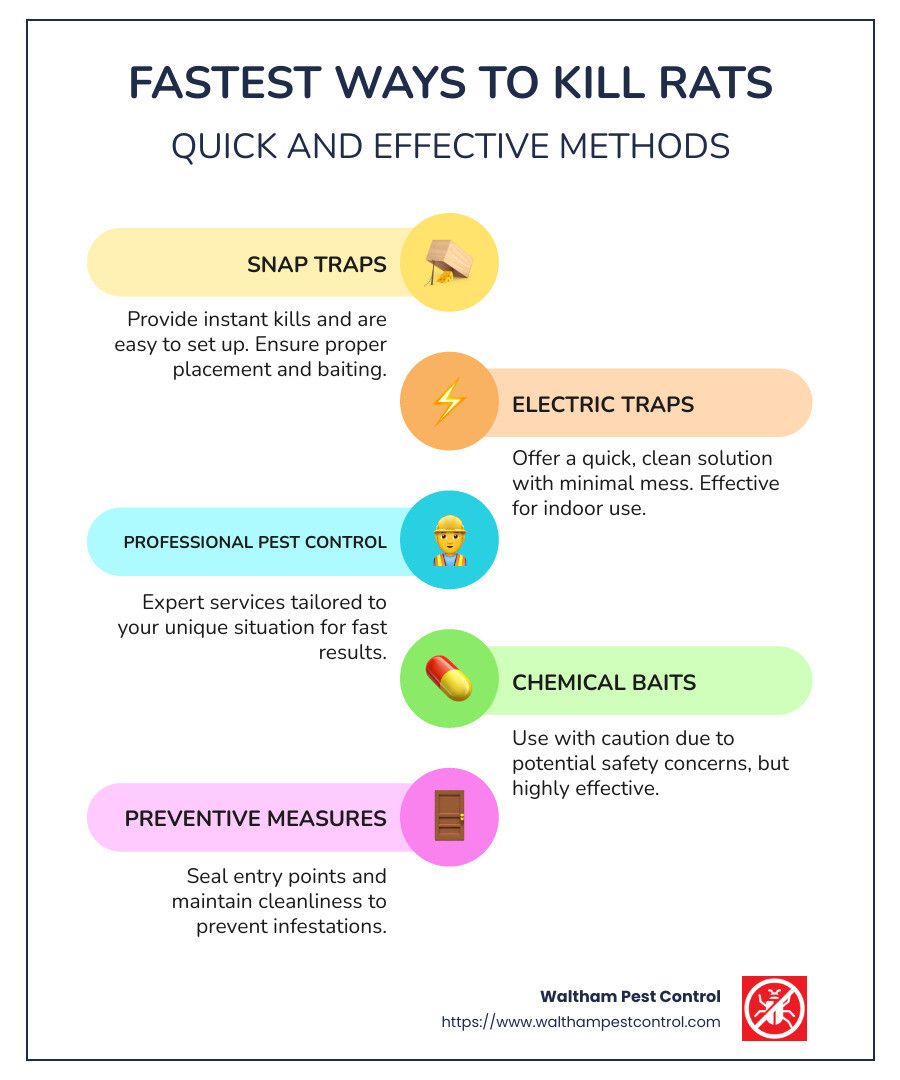
Fastest way to kill rats—the phrase alone suggests urgency and the need for effective solutions. If you’re seeking a quick answer on how to eliminate these pests, consider the following options:
- Snap Traps: Offer immediate results and are easy to set up.
- Electric Traps: Provide instant kills with minimal mess.
- Professional Pest Control: Delivers expert solutions swiftly.
Rats in your home or business aren’t just a nuisance; they pose significant health risks and property damage concerns. These furry invaders multiply rapidly and can be quite resourceful, so dealing with them promptly is essential to keeping your environment safe and healthy. Knowing how to tackle a rat problem quickly can make all the difference in protecting your property and loved ones.
I’m Waltham Pest Control, and for over 40 years, I’ve been at the forefront of pest control solutions in Massachusetts with Waltham Pest Control. My experience has shown me countless times that the fastest way to kill rats often requires professional treatment custom to your unique situation. Let’s explore effective approaches in more detail.
Fastest way to kill rats basics:
– exterminators near me for rats
– rat exterminator near me
– rodent removal near me
Fastest Way to Kill Rats
When you’re dealing with a rat infestation, speed and efficiency are key. Let’s explore the fastest ways to kill rats using a combination of pest control methods, traps, and baits.
Professional Pest Control
Hiring a professional pest control service is often the quickest and most efficient method to eliminate rats. Experts come equipped with the necessary tools and knowledge to assess the situation and apply the most effective solutions.
- Expertise: Professionals have extensive training in identifying rat entry points, selecting suitable traps or baits, and ensuring safety for your family and pets.
- Speed: With their experience, pest control services can quickly implement strategies that might take a homeowner much longer to figure out on their own. This means less time with rats in your home.
- Efficiency: The combination of expertise and speed ensures that the rat problem is addressed effectively, reducing the chances of a re-infestation.
Snap Traps
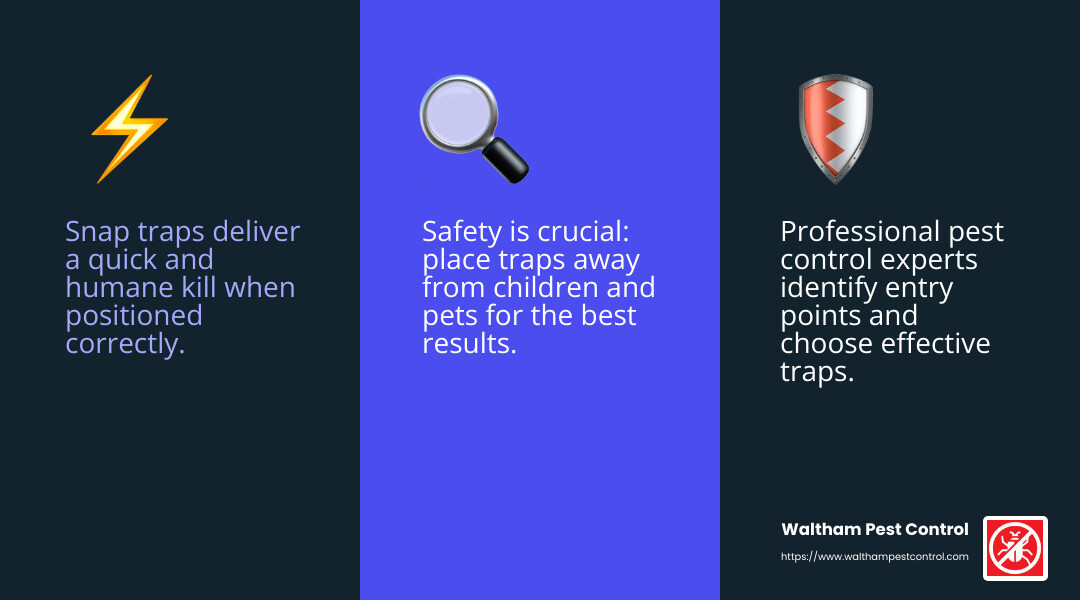
Snap traps are a tried and true method for quickly killing rats. They are designed to deliver a swift and humane end to these pests.
- Instant Kill: Once triggered, the snap trap delivers a powerful blow that kills the rat instantly. This minimizes suffering and makes them one of the most humane options available.
- Effectiveness: Snap traps are highly effective when placed correctly. Position them along walls or known rat pathways, and use attractive bait like peanut butter or cheese.
- Safety: While effective, place snap traps in areas where children and pets cannot accidentally trigger them. Consider using enclosed traps to improve safety.
Chemical Baits and Live Traps
In addition to snap traps, chemical baits and live traps offer alternative methods to manage rat infestations.
- Chemical Baits: These are poisons that rats consume, leading to their death. However, they require careful placement to avoid accidental ingestion by pets or children. Always use tamper-proof bait stations.
- Live Traps: For those seeking a humane option, live traps capture rats without harming them. Once caught, the rats can be released far from your property. However, it’s crucial to release them in compliance with local wildlife regulations.
Each method has its place, and often a combination of these strategies, custom to your specific situation, will yield the best results. When in doubt, consulting a professional can save time and ensure the job is done right.
Effective Rat Traps
When it comes to eliminating rats, traps remain one of the most effective solutions. Let’s explore the different types of traps: snap traps, live traps, and glue boards, and how they work.
Snap Traps
Snap traps are a classic choice for quickly dealing with rats. Their design is simple but highly effective.
- Mechanism: Snap traps work by using a spring-loaded bar that snaps down when triggered by the rat. This delivers a quick, fatal blow to the rat’s head or neck.
- Placement: To maximize effectiveness, place snap traps along walls or in areas where you’ve noticed rat activity. Rats tend to run along walls, so setting traps in these paths increases your chances of success.
- Bait: Use appealing bait like peanut butter, which is sticky and won’t be easily removed by the rats. Cheese is another popular option, but make sure it’s secured well.
Snap traps are efficient and humane when used correctly, but they do require careful placement to avoid accidental activation by pets or children.
Live Traps
Live traps provide a humane method for capturing rats without harming them.
- Mechanism: These traps lure rats inside with bait. Once the rat enters, the door closes, trapping the rat inside without causing injury.
- Release: After capturing a rat, you can release it far from your home. Ensure that the release location complies with local wildlife regulations to prevent the rats from returning or becoming a problem elsewhere.
Live traps are ideal for those who prefer not to kill rats, but they require commitment to checking traps regularly and safely relocating the captured animals.
Glue Boards
Glue boards, or sticky traps, offer a different approach to capturing rats.
- Adhesive: These traps are coated with a strong adhesive that immobilizes rats upon contact. Once stuck, the rat cannot escape, making it easier to deal with.
- Placement: Position glue boards in areas with high rat activity. Like snap traps, they are most effective along walls or in corners where rats travel.
- Limitations: While glue boards can be effective, they are often considered inhumane as they result in a slow death. Additionally, larger rats might escape by dragging the board with them, making it less reliable than other methods.
Each type of trap has its strengths and weaknesses. Snap traps offer a quick kill, live traps provide a humane option, and glue boards can be useful but come with ethical considerations. Choosing the right trap depends on your preferences and the specifics of your rat problem.
Rat Poisons and Baits
When it comes to finding the fastest way to kill rats, many people turn to poisons and baits. These methods can be highly effective, but it’s crucial to understand the different types and their safety concerns.
Types of Rat Poisons
Anticoagulants are a common type of rat poison. They work by interfering with the rat’s blood clotting process, leading to internal bleeding. These poisons are often used in bait stations and can take several days to be effective.
- Examples: Warfarin, Brodifacoum
Non-anticoagulants target different biological systems, such as the nervous system or calcium levels in the blood. These can sometimes offer a quicker solution than anticoagulants.
- Examples: Bromethalin, Cholecalciferol
Liquid baits are another option, providing an easy-to-consume form of poison. Rats are attracted to the liquid’s scent and taste, which can be especially useful in dry environments where water is scarce.
Safety Concerns
Using poisons requires careful consideration, especially in homes with children, pets, or wildlife.
- Children and Pets: Accidental ingestion of rat poison can lead to serious health risks. According to the EPA, there were over 15,000 calls in 2012 regarding children under six ingesting rodent poisons.
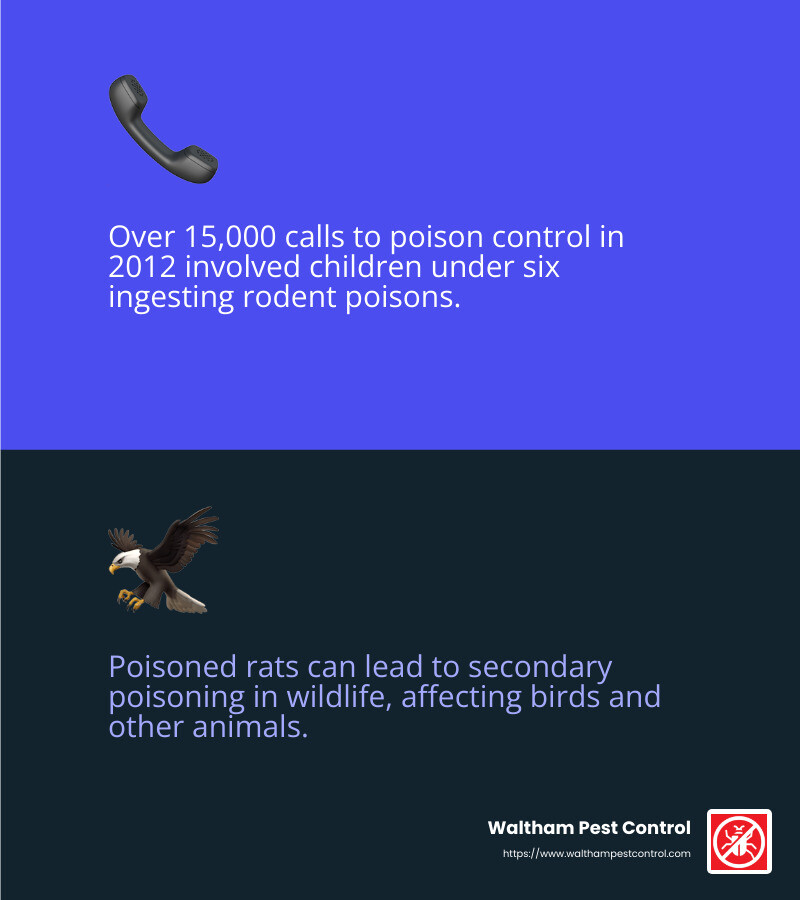
- Wildlife: Poisoned rats can become prey for birds and other animals, leading to secondary poisoning. This is a significant concern for environmental conservation.
To mitigate these risks, use bait stations, which securely contain the poison while allowing access to rats. These stations help prevent accidental contact by non-target animals and humans.
When using poisons, always follow the manufacturer’s instructions and consider consulting a professional pest control service for guidance.
Natural Repellents and Home Remedies
If you’re looking for alternatives to poisons and traps, natural repellents and home remedies can offer effective solutions for keeping rats at bay. Let’s explore some popular options: peppermint oil, ammonia mixtures, and diatomaceous earth.
Peppermint Oil
Peppermint oil is a natural repellent that many people swear by. Rats detest its strong scent, which makes it a great deterrent.
- Application: Soak cotton balls in peppermint oil and place them in areas where you’ve noticed rat activity, such as entry points, kitchens, or basements. Refresh the oil every few days to maintain its potency.
- Effectiveness: While peppermint oil can help deter rats, it may not be a standalone solution for large infestations. It’s best used as part of a broader pest control strategy.
- Safety: Peppermint oil is safe for humans and pets when used properly. However, ensure that pets don’t ingest the oil directly, as it can cause mild irritation.
Ammonia Mixture
An ammonia mixture is another home remedy that can repel rats due to its strong smell.
- Recipe: Mix two cups of ammonia with a few tablespoons of detergent and a few cups of water. Place this mixture in small bowls around trouble spots.
- Placement: Ideal locations include attics, basements, or near garbage bins—anywhere rats are likely to enter or linger.
- Caution: Ammonia can be irritating to humans and pets, so use it in well-ventilated areas and keep it out of reach of children and animals.
Diatomaceous Earth
Diatomaceous earth is a natural substance made from the fossilized remains of tiny aquatic organisms. It’s often used as a pest control agent due to its ability to dehydrate insects and small pests.
- Application: Sprinkle food-grade diatomaceous earth around entry points, along walls, and in areas where you’ve seen rat activity. It works best in dry environments.
- Benefits: It’s non-toxic to humans and pets, making it a safe option for households with children and animals.
- Limitations: While effective against smaller pests, diatomaceous earth may not be as effective on larger rodents like rats. It should be part of a multi-pronged approach to pest control.
Incorporating these natural repellents can improve your pest control efforts, especially when combined with other methods like sealing entry points and maintaining cleanliness. Next, we’ll discuss how to prevent rat infestations by addressing potential entry points and food sources.
Preventing Rat Infestations
Keeping rats out of your home starts with making your environment less inviting to them. By focusing on sealing entry points, removing food sources, and maintaining cleanliness, you can significantly reduce the chances of a rat infestation.
Sealing Entry Points
Rats are notorious for squeezing through tiny gaps to enter your home. To block their entry:
- Expandable Foam: Use this to fill small holes and cracks. It’s easy to apply and expands to fill gaps, making it a great first line of defense.
- Steel Wool: For larger openings, combine steel wool with caulk. Rats can’t chew through steel wool, making it an effective barrier.
- Door Sweeps: Install these on exterior doors to close gaps at the bottom. This prevents rats from sneaking in under doors.
Pay special attention to areas around pipes, vents, and chimneys. Even a small gap can be an open invitation for rats.
Removing Food Sources
Rats are always on the hunt for food, so making it inaccessible is key:
- Secure Trash: Use metal or heavy-duty plastic bins with tight-fitting lids. This keeps rats from rummaging through your garbage for food scraps.
- Store Food Properly: Keep food in airtight containers, especially in kitchens and pantries. This includes pet food, which should also be stored securely.
- Clean Spills: Regularly check for and clean up food spills and crumbs. Even small amounts can attract rats.
Maintaining Cleanliness
A tidy home is less appealing to rats, so focus on keeping your space clean and organized:
- Regular Cleaning: Vacuum and mop floors, wipe down surfaces, and wash dishes promptly. This helps eliminate food particles that might attract rats.
- Yard Maintenance: Trim shrubs and bushes away from your house and remove piles of leaves or wood. These can serve as hiding spots for rats.
- Clutter Removal: Declutter storage areas like basements and garages. The fewer hiding spots available, the less likely rats will settle in.
By following these simple steps, you create an environment that’s far less welcoming to rats. Next, we’ll address frequently asked questions about killing rats and explore the most effective methods.
Frequently Asked Questions about Killing Rats
What is the quickest rat killer?
When it comes to the fastest way to kill rats, brodifacoum is a standout. This powerful single-feed bait is known for its rapid action. Once ingested, it disrupts the rat’s blood clotting process, leading to a quick demise. It’s part of a group of poisons known as anticoagulants, and its efficiency makes it a popular choice for dealing with severe infestations.
However, while brodifacoum is effective, using it requires caution. Always follow the instructions carefully and consider using bait stations to minimize risks to pets and wildlife.
How do I get rid of rats ASAP?
Getting rid of rats quickly involves a combination of strategies:
- Traps: Snap traps are highly effective for instant kills. Place them in areas where rat activity is high, such as near walls or behind appliances. Use baits like peanut butter or dried fruits to increase success rates.
- Bait: In addition to traps, using poison baits like brodifacoum can help tackle larger infestations. Always use these in tamper-proof bait stations to ensure safety.
- Professional Pest Control: For a guaranteed solution, hiring experts can be the fastest route. They have the knowledge and tools to handle infestations efficiently and can provide long-term prevention tips.
What smell kills rats instantly in the house?
While no smell will kill rats instantly, certain odors can deter them. Ammonia is one such scent that rats find highly unpleasant. You can create a simple mixture by combining two cups of ammonia with water and a few tablespoons of detergent. Place bowls of this mixture in areas where you suspect rat activity.
However, use ammonia cautiously. Ensure good ventilation and keep it out of reach of children and pets. While it won’t kill rats on the spot, it can encourage them to move elsewhere, making it a useful part of a broader rat control strategy.
By understanding these methods and their applications, you can effectively address rat infestations and maintain a rat-free home.
Conclusion
In summary, tackling a rat infestation requires a combination of strategic methods. The fastest way to kill rats often involves a mix of traps, poisons, and professional pest control services. Snap traps offer instant results, while chemical baits like brodifacoum are effective for larger infestations. For those seeking a guaranteed and efficient solution, enlisting the help of pest control professionals is highly recommended.
At Waltham Pest Control, we offer expert services custom to your needs. With over 40 years of experience, our team provides licensed and insured pest management solutions across Eastern Massachusetts. We understand the urgency of dealing with rat infestations and are committed to delivering fast and effective results.
If you’re facing a rat problem, don’t hesitate to reach out to us. Our professionals can not only help eliminate the current infestation but also provide guidance on preventing future issues. For more information on our rat control services, visit our Rat Exterminator page.
Choose Waltham Pest Control for peace of mind and a rat-free environment.