
Commercial Pest Services: Crucial 4 Pillars
Why Your Business Needs Professional Pest Control Services
Commercial Pest Services are specialized pest management solutions designed to protect businesses from infestations that threaten operations, reputation, and profitability. Unlike residential services, commercial pest control focuses on proactive prevention and regulatory compliance through comprehensive inspections, Integrated Pest Management (IPM), industry-specific treatment plans, detailed documentation, and emergency response.
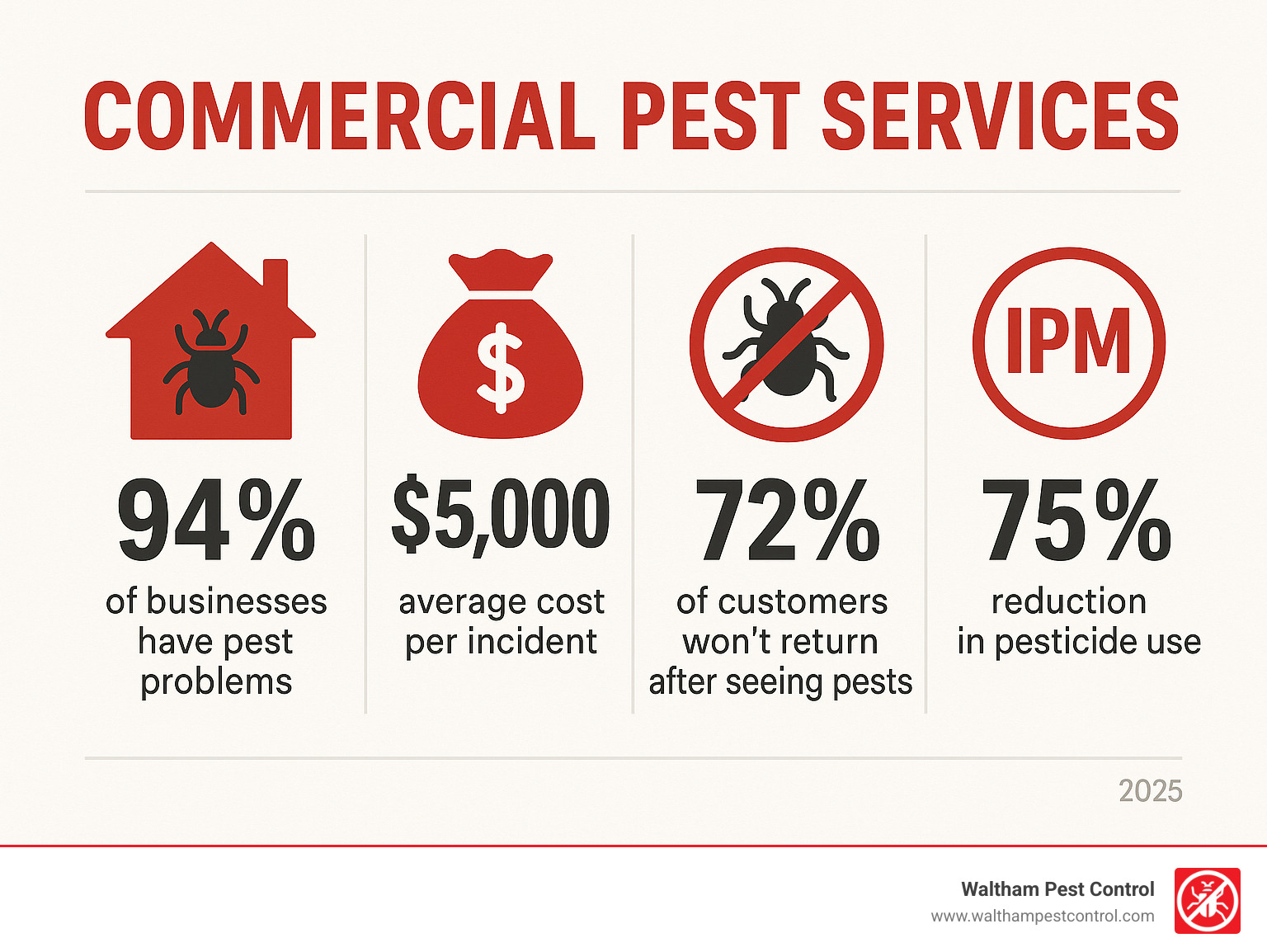
Pest problems in commercial settings aren’t just inconvenient—they’re expensive. Research shows that 94% of businesses experience pest problems, with each incident costing an average of $5,000 in damages and lost revenue. Even more alarming, 72% of consumers say they would not return to a business after seeing a pest.
The stakes are particularly high for businesses in Massachusetts, where strict health codes and seasonal pest pressures create unique challenges. A single cockroach can trigger negative reviews, health department visits, and lasting brand damage.
I’m Waltham Pest Control, President & CEO of Waltham Pest Control, with over 40 years of experience providing Commercial Pest Services across Eastern Massachusetts. Our team has helped thousands of businesses—from restaurants and hotels to healthcare facilities and warehouses—maintain pest-free environments that protect their operations and reputation.
Key Commercial Pest Services vocabulary:
The High Stakes: Why Your Business Can’t Afford to Ignore Pests
When pests invade your business, they bring a cascade of problems: financial losses, reputational damage, health code violations, and operational disruptions. The ripple effects include plummeting employee morale, inevitable customer loss, and serious legal liability from health risks.
The Financial Drain of an Infestation
Pest problems hit your wallet hard. Rodents chew through electrical wires, creating fire hazards and expensive repairs. Inventory contamination forces businesses to discard products, leading to significant losses, especially in the food industry. Beyond direct costs, lost revenue from temporary closures and a negative reputation can be substantial. Fines and legal fees add to the burden if health inspectors get involved. The average pest incident costs businesses around $5,000 in repairs, lost revenue, and legal fees—money that could have been invested in growth.
Protecting Your Brand and Customer Trust
In the age of social media, a single pest sighting can become a viral nightmare. Statistics show 72% of consumers would not return to a business after seeing a pest. Negative reviews on Google and Yelp create lasting damage to your public perception, deterring countless future customers. This can lead to a significant loss of loyal customers who feel their trust has been betrayed. Professional Professional Pest Control Services are essential for protecting the reputation you’ve worked so hard to build.
Health, Safety, and Regulatory Compliance
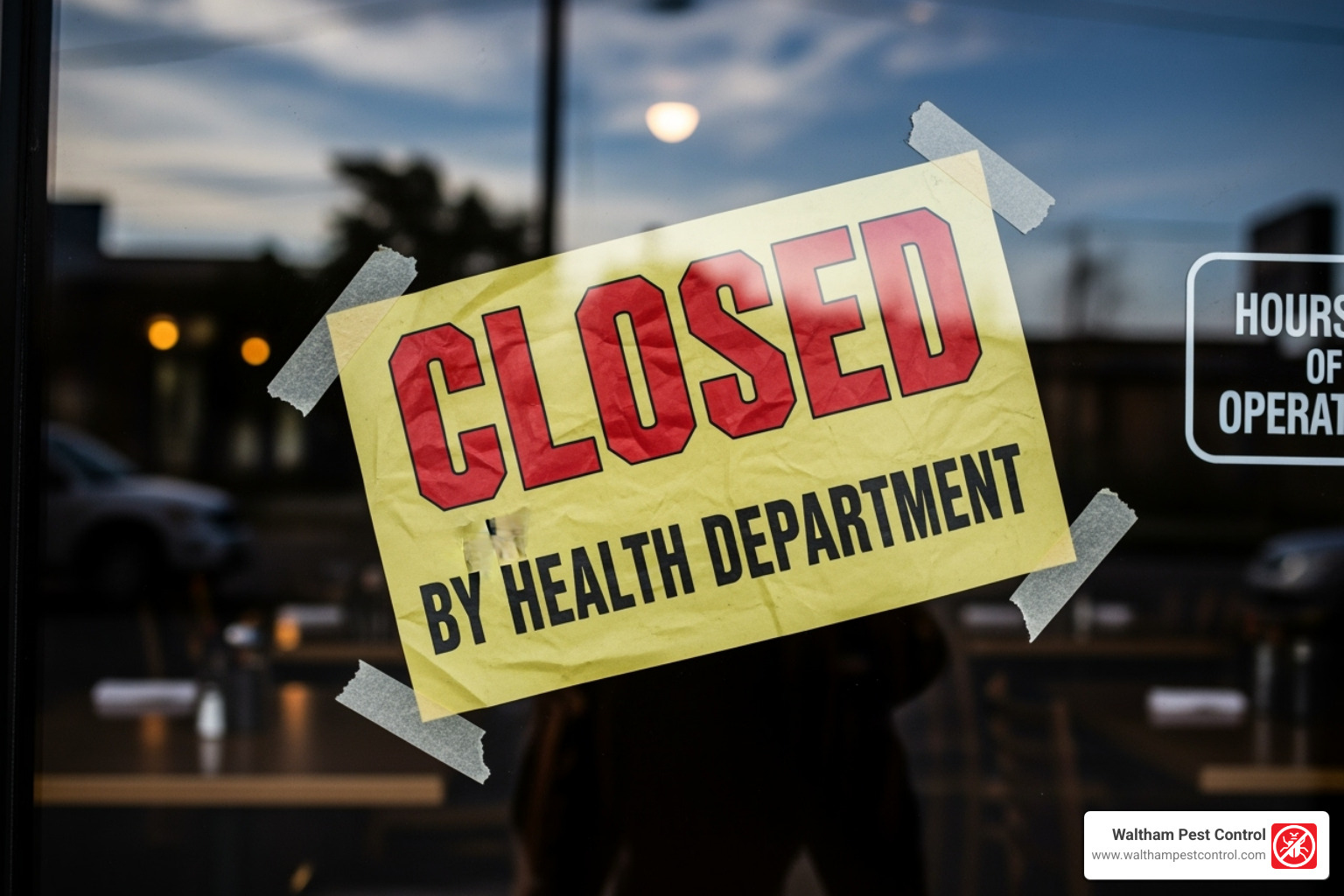
Pests create serious health and safety hazards. Disease transmission is a major concern, as cockroaches can spread Salmonella and rodents can carry viruses like Hantavirus. Pest droppings and body parts also create allergens that can trigger serious reactions, creating liability issues. An infested building is an unsafe work environment that hurts productivity and morale. Failing health inspections due to pests can lead to fines, immediate closures, or even the loss of your operating license. Investing in Safe and Effective Pest Control Solutions: Choosing the Right Approach for Your Needs is crucial for maintaining compliance and protecting everyone in your facility.
Common Pests and Industry-Specific Threats
Pests are opportunistic invaders that view your business as a source of food, water, and shelter. They slip through tiny gaps and exploit structural weaknesses. Understanding which pests pose the greatest threat to your industry is the first step in effective Commercial Pest Services.
Pests That Plague All Businesses
Some pests are equal opportunity invaders, showing up regardless of your industry.
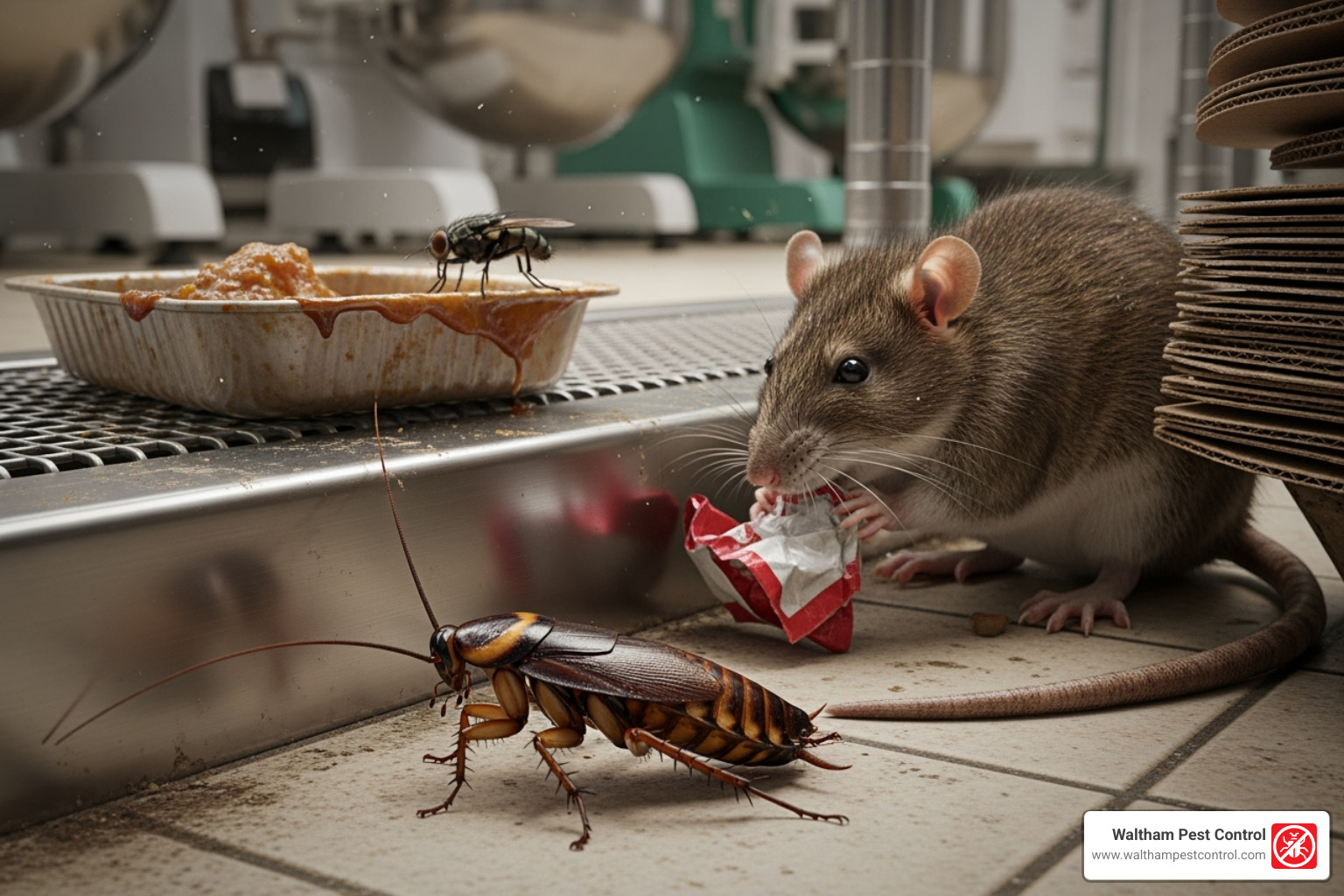
- Rodents: Mice and rats squeeze through tiny openings, chew wires, contaminate inventory, and spread disease. Our Rats and Mice Control services offer targeted strategies.
- Cockroaches: These resilient pests reproduce quickly and spread bacteria. They are a major threat in any area where food is present. Our Roaches program focuses on elimination and prevention.
- Flies: More than a nuisance, flies transfer contaminants from waste to clean surfaces, posing a significant health hazard.
- Ants: Ants establish large colonies that can contaminate food and create unsanitary conditions. Our House Ants control strategies are customized to the invading species.
- Stored Product Pests: Beetles and moths like Indianmeal Moths infest dry goods, destroying valuable inventory in warehouses and food processing facilities.
Unique Pest Challenges by Industry
While some pests target all businesses, others are drawn to specific industries.
- Food Service (Restaurants, Grocery Stores): Face the highest pest pressure from cockroaches, rodents, and flies due to abundant food sources. Strict health codes make pest control non-negotiable.
- Healthcare (Hospitals, Clinics): Must protect vulnerable patients from pests like cockroaches, rodents, and bed bugs while using methods that don’t compromise sterile environments.
- Hospitality (Hotels, Motels): Reputation is paramount. Bed bugs, rodents, and cockroaches can lead to devastating reviews and loss of business.
- Property Management (Apartments, Offices): Common issues with rodents, cockroaches, and ants can quickly spread between units, affecting tenant satisfaction and property value.
- Warehouses & Manufacturing: Large spaces and stored goods attract rodents, stored product pests, and birds, which can damage products and equipment.
The Professional Approach to Commercial Pest Services
Professional Commercial Pest Services are fundamentally different from residential treatments. A commercial program is a proactive, long-term strategy focused on business continuity, regulatory compliance, and brand protection, not just reacting to a pest sighting.
| Feature | Residential Pest Control | Commercial Pest Control |
|---|---|---|
| Treatment Focus | Homeowner comfort, general pest removal | Business continuity, regulatory compliance, brand protection |
| Documentation | Minimal, often for homeowner reference | Extensive, detailed reports for audits and compliance |
| Regulations | Less stringent, focused on homeowner safety | Highly regulated, industry-specific requirements |
| Service Frequency | As needed, seasonal, or quarterly | Regular, often weekly or monthly, custom to risk |
| Scope | Perimeter and interior of a single dwelling | Entire facility, surrounding grounds, multiple buildings |
| Pesticide Use | Generally lower volume, common household pests | Strategic, often specialized products for specific industry pests |
| Proactive vs. Reactive | Often reactive to active infestations | Strongly proactive, preventative, continuous monitoring |
Our Commercial Pest Control Services are designed with these critical distinctions in mind, providing comprehensive protection custom to your business’s unique environment and operational demands.
The 4 Pillars of an Effective Pest Management Plan
Our approach rests on four pillars for lasting results:
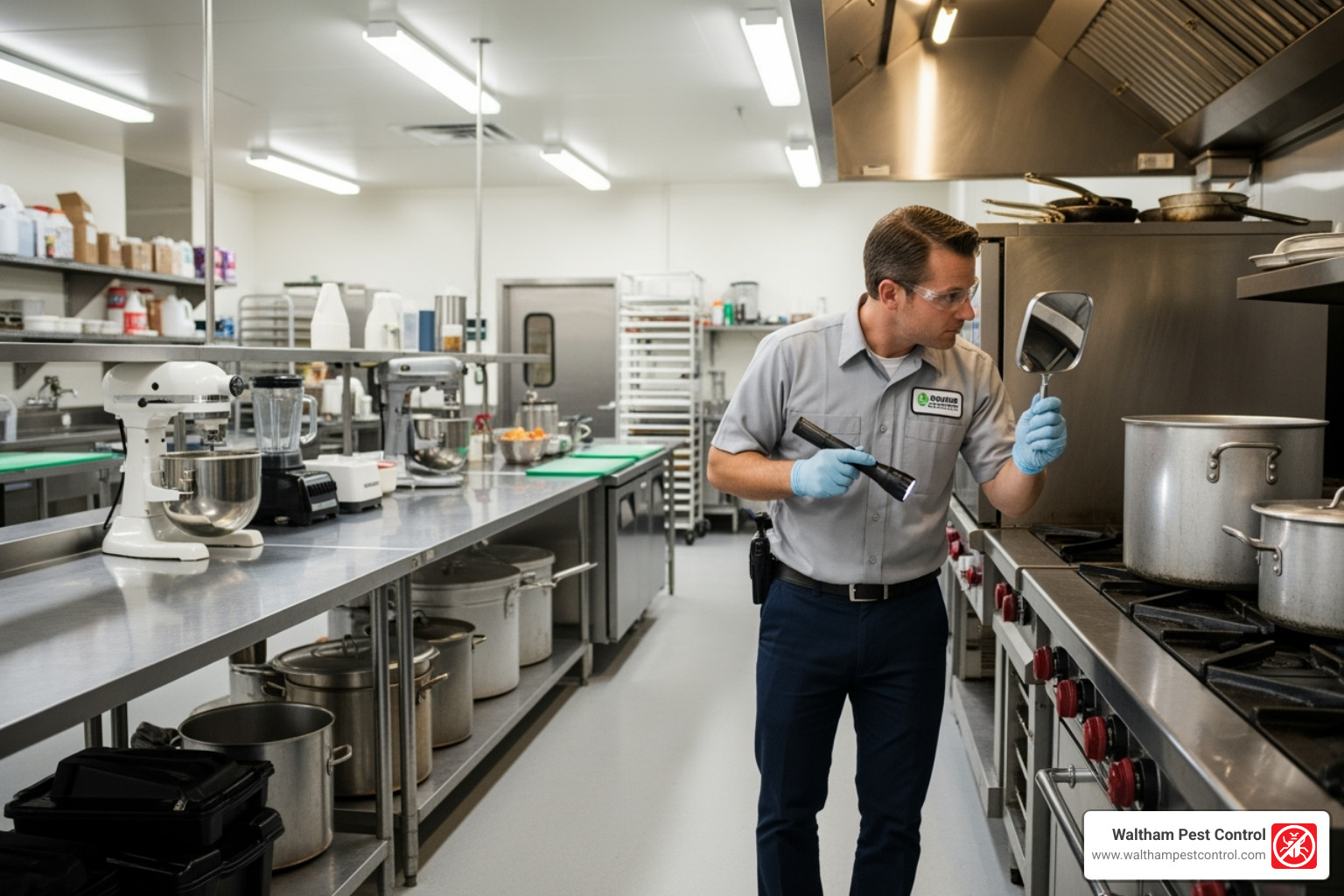
- Comprehensive Inspection: We conduct a meticulous examination to identify current pest activity, potential entry points, and conditions that attract pests.
- Pest Identification: Accurate identification is critical, as different pests require different treatment strategies. Our licensed technicians are trained to identify species and their behaviors correctly.
- Customized Treatment: We develop a plan based on your industry, pest pressures, and operational needs to minimize disruption. Our Emergency Pest Control services provide rapid response when needed.
- Continuous Monitoring & Documentation: Pest management requires ongoing vigilance. We use monitoring systems to track activity and provide detailed reports for compliance audits.
Understanding Integrated Pest Management (IPM) for Commercial Properties
Integrated Pest Management (IPM) is the scientific backbone of modern Commercial Pest Services. It’s an environmentally conscious approach that prioritizes long-term prevention and minimizes risks to people and property. IPM focuses on pest identification, monitoring, and prevention before resorting to control measures. In commercial settings, this means focusing on exclusion techniques (sealing entry points), sanitation improvements, and reduced pesticide use. We apply pesticides strategically, prioritizing green and reduced-risk options, which can lower pesticide use by up to 75%. Our IPM Program aligns with EPA principles of IPM for a sustainable, effective solution.
Proactive Prevention: Your First Line of Defense
While professional services are key, proactive measures create a strong first line of defense. This includes sealing entry points like cracks and gaps, implementing strict waste management protocols with sealed bins, and maintaining landscaping to eliminate pest harborage near the building. Moisture control by fixing leaks and ensuring proper drainage is also vital, as most pests are drawn to water. Finally, basic staff training on pest identification and reporting can turn your employees into an early warning system. These steps, combined with our Green Pest Control solutions, create a comprehensive defense for your business.
How to Choose the Right Commercial Pest Control Partner
Choosing a pest control provider is about finding a partner who understands the unique challenges of your commercial environment. The best Commercial Pest Services providers act as an extension of your team, understanding industry regulations and your need for discretion. Local expertise is key; we know the specific pest pressures in Eastern Massachusetts, from seasonal changes to the challenges of older New England buildings.
Essential Credentials and Qualifications
Before hiring, verify these essentials:
- Licensing and Insurance: Ensure the company and its technicians are fully licensed in Massachusetts and carry comprehensive liability insurance.
- Certifications: Ensure your provider holds top industry certifications for service and environmental responsibility. At Waltham Pest Control, our team is fully certified, demonstrating our commitment to the highest professional standards.
- Experience: Years in the business matter. An experienced team can solve problems faster with fewer surprises. Our 40+ years in the industry mean we’ve handled nearly every pest scenario imaginable.
Evaluating Their Approach to Commercial Pest Services
Dig deeper into their methods. Do they offer customized plans custom to your industry, or a one-size-fits-all service? A true partner will have deep IPM expertise, focusing on prevention first. They should also provide thorough documentation and reporting for every visit, which is crucial for health inspections and compliance. Finally, look for a strong service guarantee and a clear understanding of local regulations.
Questions to Ask a Potential Provider
The right questions reveal a provider’s expertise. Be sure to ask:
- “What is your experience with my industry?” Expertise in restaurant pest control is different from warehouse management.
- “Can you describe your IPM process?” The answer should focus on inspection, exclusion, and monitoring, not just chemicals.
- “What kind of documentation will I receive?” You need detailed reports for your records and for potential audits.
- “How do you train your technicians?” The best companies invest in continuous education to stay current on techniques and regulations.
- “What are your response times for emergencies and how do you ensure discretion?” You need a provider who can respond quickly and work professionally without disrupting your customers.
Frequently Asked Questions about Commercial Pest Services
As business owners ourselves, we understand that choosing the right pest control partner comes with plenty of questions. After four decades of serving Eastern Massachusetts businesses, we’ve heard just about every concern imaginable. Here are the questions that come up most often when discussing Commercial Pest Services.
How do commercial pest services differ from residential ones?
The main differences are focus and complexity. Commercial services are proactive and preventative, centered on regulatory compliance, brand protection, and business continuity. They involve comprehensive documentation for audits, specialized treatments for diverse business environments (kitchens, offices, warehouses), and a high degree of discretion to avoid disrupting customers. Residential services are typically reactive, focusing on homeowner comfort and eliminating a specific, existing problem.
What is Integrated Pest Management (IPM) and why is it important for businesses?
IPM is a science-based approach that prioritizes long-term pest prevention by focusing on factors like sanitation and building maintenance. It uses pesticides as a last resort, minimizing chemical use in your facility. It’s crucial for businesses because it’s more effective and sustainable than simply spraying chemicals. IPM helps you maintain compliance with health regulations, reduces long-term costs by preventing infestations, and promotes a safer, healthier environment for employees and customers.
How often should my business be serviced for pests?
Service frequency is customized and depends on several factors. There is no one-size-fits-all answer.
- Industry Risk: High-risk businesses like restaurants may need weekly or bi-weekly service, while low-risk offices might only need monthly or quarterly visits.
- Facility Conditions: Older buildings, properties with a history of pests, or facilities near wooded areas typically require more frequent attention.
- Pest Pressure: We consider seasonal pest activity and any ongoing issues.
A professional provider will recommend a schedule after a thorough inspection and adjust it as needed to ensure your business remains protected.
Conclusion: A Worthwhile Investment for Your Business
Investing in Commercial Pest Services is not an expense; it’s a crucial investment in your business’s longevity. The data is clear: a single pest incident can cost thousands in damages and drive away over 70% of your customers. Professional pest management is about protecting your bottom line, preserving your hard-earned reputation, and ensuring a safe environment for your employees and customers.
Pests are a constant threat, and a professional partner is your best defense. It’s about having an ally who understands your industry, the local Massachusetts regulatory landscape, and the science of effective pest control. At Waltham Pest Control, we have been that trusted partner for Eastern Massachusetts businesses for over 40 years. Our experience gives our clients peace of mind, allowing them to focus on running their business.
The investment pays dividends through improved safety, reduced liability, and the confidence that comes from proactive protection. For a comprehensive evaluation and a customized plan for your Eastern Massachusetts business, we’re here to help. Get Your Free Estimate and find how the right pest control partnership can protect everything you’ve worked to build.
