

Carpenter Bees Sting Treatment: 5 Best Tips for Relief
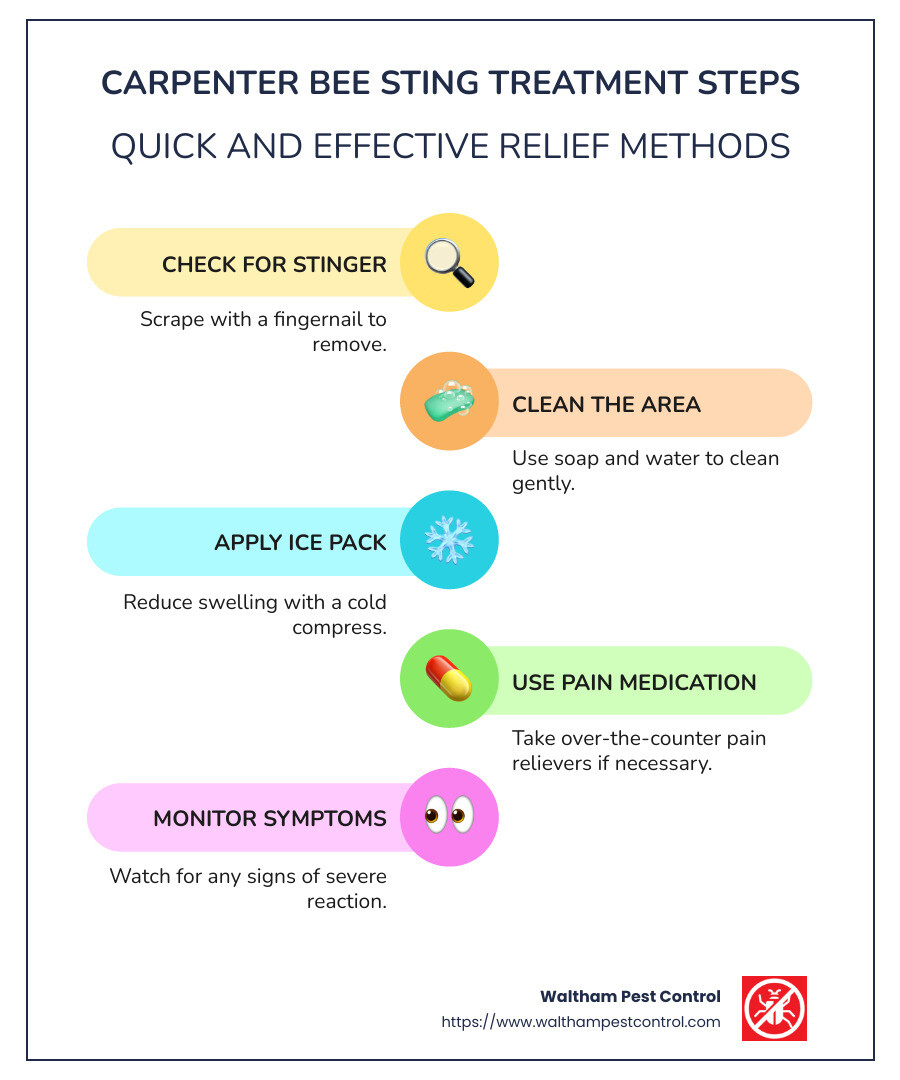
If you’re dealing with carpenter bees sting treatment, here’s a quick answer:
- First, check the sting site for a stinger and remove it by scraping with a fingernail.
- Clean the area gently with soap and water.
- Apply an ice pack to reduce swelling.
- Take over-the-counter pain medication if needed.
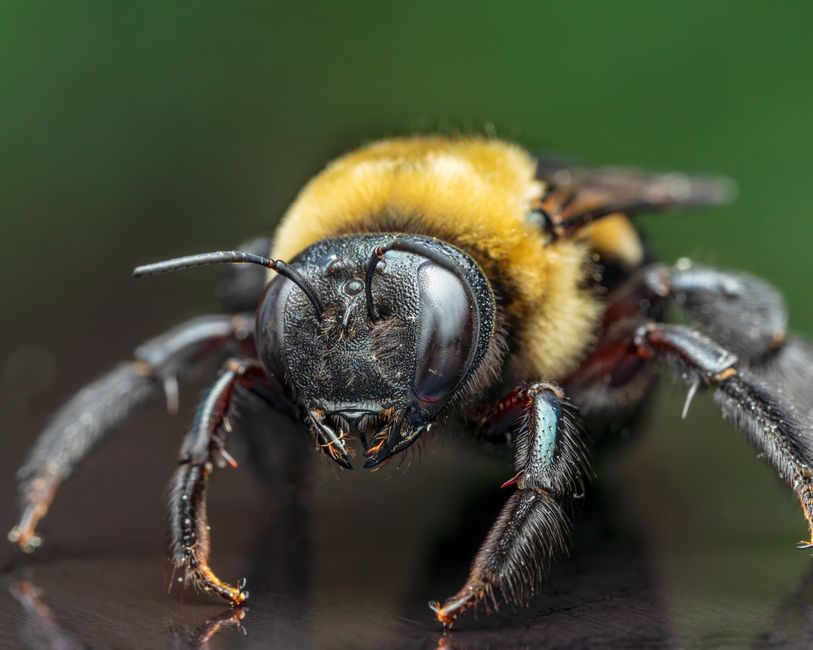
Carpenter bees, known for their shiny black abdomens and nesting habits in wooden structures, can deliver a sting that may catch you off guard. Although carpenter bees are generally non-aggressive, it’s still important to know how to treat a sting should it occur. Understanding the symptoms, such as redness, swelling, and pain, can help you take the right steps to alleviate discomfort.
I’m Waltham Pest Control, President & CEO of Waltham Pest Control, with over 40 years of experience in pest management. My expertise in carpenter bees sting treatment ensures that you have the information needed to handle these pests safely and effectively, transitioning smoothly into proactive prevention strategies.
Understanding Carpenter Bees
Carpenter bees are fascinating creatures that play a significant role in our ecosystem. However, they can also be a source of concern for homeowners. Let’s break down everything you need to know about these buzzing insects.
Identification
Carpenter bees are often mistaken for bumblebees due to their similar size. However, you can tell them apart by their appearance:
- Carpenter bees have shiny, smooth black abdomens.
- Bumblebees have fuzzy, yellow abdominal markings.
Behavior
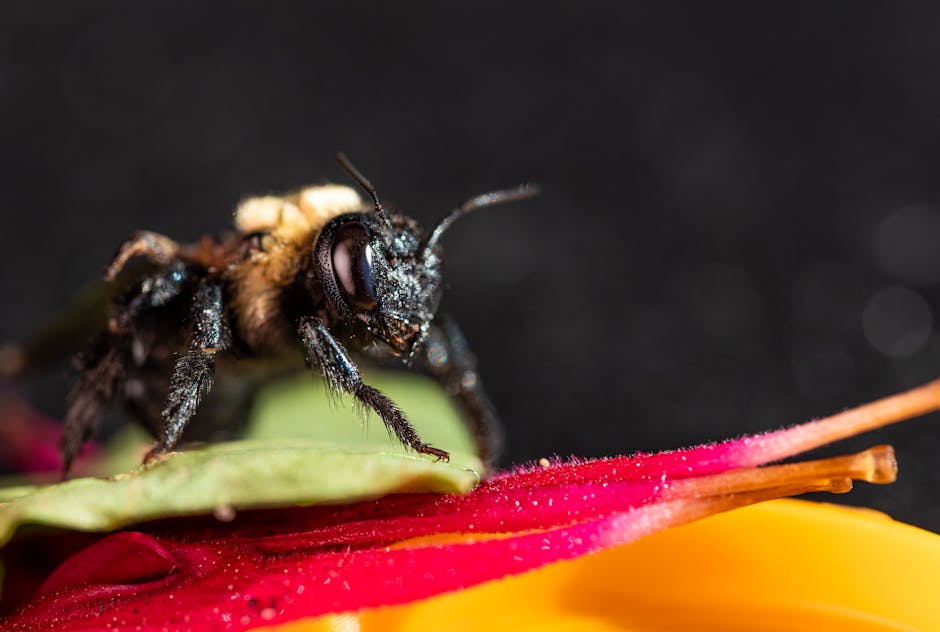
Carpenter bees are solitary insects. Unlike honeybees, they do not live in colonies. Instead, each female bee creates its own nest by burrowing into wood. These bees are not aggressive and will only sting if provoked. Male carpenter bees, which lack stingers, are often seen hovering around as they guard their territory.
Pollination
Despite their reputation for damaging wood, carpenter bees are excellent pollinators. They are particularly beneficial for pollinating vegetable gardens. You might see them early in the morning, buzzing from flower to flower, helping your tomatoes and eggplants thrive.
Structural Damage
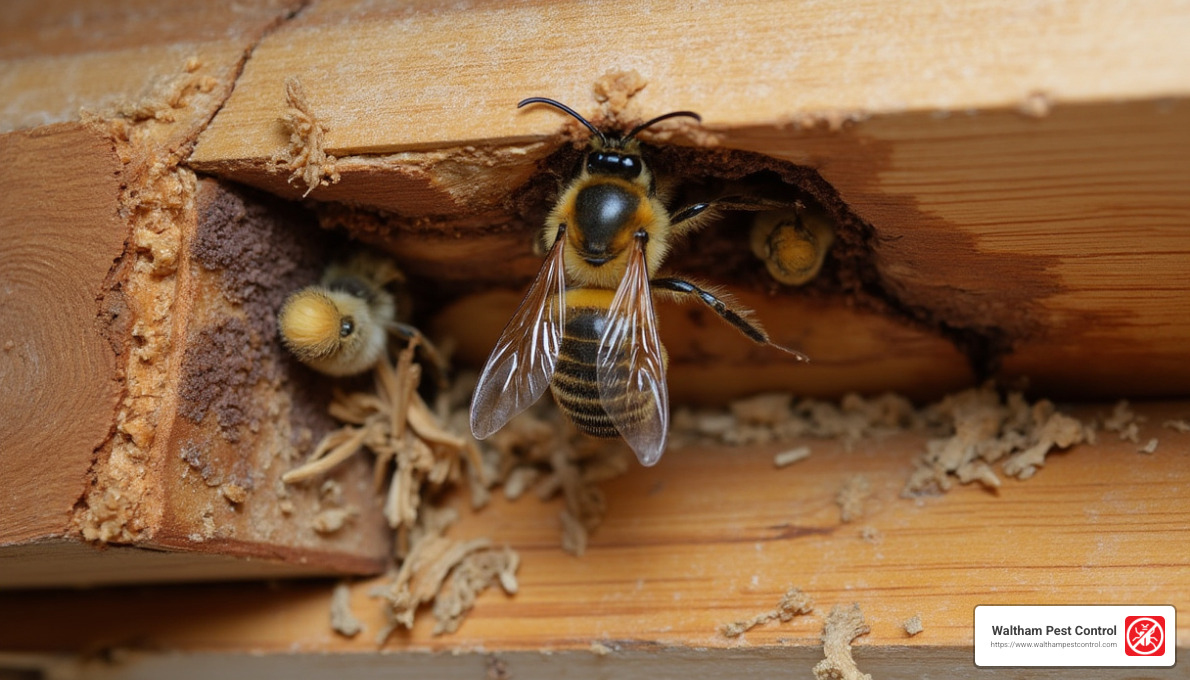
While carpenter bees are beneficial for pollination, their nesting habits can cause structural damage to wooden structures. They chew into wood to create tunnels, which can lead to cosmetic and, over time, structural damage. This is why it’s important to manage their presence around your home effectively.
Understanding carpenter bees’ behavior and characteristics can help you balance their ecological benefits with the potential risks they pose to your home. By recognizing these insects and their habits, you can take informed steps to protect your property without harming these valuable pollinators. If you encounter issues with carpenter bees, consider reaching out to a professional pest control service to ensure effective and safe management.
Do Carpenter Bees Sting?
Carpenter bees are generally non-aggressive, but understanding their stinging behavior is crucial, especially if you encounter them around your home.
Female Carpenter Bees
Female carpenter bees do have stingers, but they are not inclined to use them unless provoked. They are more focused on nesting and pollinating rather than defending aggressively. If you accidentally touch or handle them, that’s when they might sting. However, it’s important to note that their sting is not barbed, unlike honeybees, so they can sting more than once without losing their stinger.
Male Carpenter Bees
Male carpenter bees, on the other hand, do not have stingers at all. You might see them buzzing around your porch, especially near their nests. They are more about show than actual threat, as they hover and dart around to ward off other insects. Their behavior can be intimidating, but remember, they can’t sting you.
Stinger and Defensive Behavior
The female carpenter bee’s stinger is a tool for defense, but it’s rarely used. These bees are generally docile and will only sting if they feel directly threatened. It’s a good practice to observe them from a distance and avoid swatting or trying to handle them. This way, you reduce the risk of being stung.
Understanding these behaviors can help you coexist peacefully with carpenter bees. They are more interested in their work as pollinators than in interactions with humans. So, if you leave them alone, they are likely to return the favor.
Symptoms of a Carpenter Bee Sting
Getting stung by a carpenter bee can be an unpleasant experience, but understanding the symptoms can help you manage them effectively.
Pain
The first thing you’ll notice is pain at the sting site. It’s typically sharp and immediate, like a sudden pinch. While the intensity can vary, most people describe it as a burning sensation that lasts for a few hours.
Redness and Swelling
After the initial sting, you may see redness and swelling around the area. This is your body’s natural response to the bee venom. The swelling is usually localized and can be accompanied by a warm feeling. In most cases, these symptoms are mild and subside within a couple of days.
Itchiness
As the swelling starts to go down, you might experience itchiness. This is common with many insect stings and bites. While it can be tempting to scratch, it’s best to avoid doing so to prevent further irritation or infection.
Anaphylaxis
In rare cases, a carpenter bee sting can lead to a severe allergic reaction known as anaphylaxis. This is a medical emergency. Symptoms include difficulty breathing, swelling of the face or throat, hives, dizziness, or loss of consciousness. If you or someone else shows these signs, seek immediate medical attention. Epinephrine can be life-saving in such situations, so using an auto-injector (if available) and calling 911 is crucial.
Knowing these symptoms can help you recognize and respond to a carpenter bee sting quickly. Most reactions are mild, but being aware of the potential for severe reactions ensures you can act swiftly if needed.
Carpenter Bees Sting Treatment
Knowing how to treat a carpenter bee sting can make the experience a little less daunting. Let’s walk through the steps to manage the sting effectively.
Immediate Steps to Take
- Clean the Sting Site:
Start by gently cleaning the affected area. Use soap and warm water to wash away any venom or debris. This helps prevent infection and soothes the skin. - Stinger Removal:
Although carpenter bees typically don’t leave a stinger behind, if you notice any foreign material, remove it carefully. Use the edge of a credit card to scrape it off. Avoid using tweezers, as pinching can push more venom into the skin.
Reducing Swelling and Pain
- Cold Compress:
Applying a cold compress can help reduce swelling and numb the area. Wrap an ice pack in a cloth and place it on the sting for 15-20 minutes. This constricts blood vessels and minimizes swelling. - Over-the-Counter Medications:
For pain relief, consider taking acetaminophen or ibuprofen. These medications can help manage pain and inflammation. Follow the dosage instructions on the label to ensure safe use. - Antihistamine Creams:
To alleviate itching and redness, apply an antihistamine cream to the sting site. This can help soothe the skin and reduce irritation.
Home Remedies
- Baking Soda Paste:
Mix baking soda with a little water to form a paste. Apply it to the sting to neutralize the venom and reduce itching. - Vinegar:
Dab a small amount of vinegar on the sting site. The acidity can help neutralize the alkaline venom and reduce pain. - Honey:
Apply a thin layer of honey to the sting. Its natural anti-inflammatory properties can help soothe the skin and reduce swelling.
These simple steps and remedies can help you manage a carpenter bee sting effectively. However, if symptoms persist or worsen, seek medical advice.
When to Seek Medical Attention
Carpenter bee stings are usually mild, but sometimes a more serious reaction can occur. Knowing when to seek medical attention is crucial.
Anaphylaxis and Severe Allergic Reactions
Anaphylaxis is a severe and potentially life-threatening allergic reaction. It can happen quickly and requires immediate medical intervention.
Signs of Anaphylaxis:
– Difficulty breathing
– Swelling of the face or throat
– Rapid heartbeat
– Dizziness or fainting
– Hives or rash spreading beyond the sting site
If you or someone else experiences these symptoms after a carpenter bee sting, call 911 or emergency services immediately. Quick action can save lives.
Emergency Services and Epinephrine
For those with known allergies to bee stings, carrying an epinephrine auto-injector is vital. When used promptly, it can counteract severe allergic reactions.
Steps to Follow:
1. Administer the epinephrine auto-injector as instructed by your healthcare provider.
2. Call emergency services even after using epinephrine. It’s important to get further medical evaluation and treatment.
Note: If you don’t have an auto-injector and are experiencing severe symptoms, seek emergency help right away. Do not wait for symptoms to worsen.
When in Doubt, Check It Out
Even if you’re unsure whether a reaction is severe, it’s better to be safe. Consult a healthcare professional if:
– Symptoms persist or worsen over time
– You notice signs of infection, such as increasing redness, warmth, or pus at the sting site
Prompt medical attention ensures proper care and peace of mind. While carpenter bee stings are typically mild, allergic reactions can escalate quickly. Stay informed and prepared.
Preventing Carpenter Bee Stings
Carpenter bee stings are rare, but it’s always better to prevent than to treat. Here are some practical ways to avoid getting stung by these buzzing woodworkers.
Avoidance
The simplest way to prevent a sting is to avoid contact with carpenter bees. These bees are generally not aggressive and will leave you alone if you leave them alone. Be mindful when you see them hovering around your porch or garden, as they are likely just busy building their nests or pollinating.
Protective Clothing
If you’re in an area where carpenter bees are active, consider wearing protective clothing. Long sleeves, pants, and gloves can provide a barrier between you and the bees, reducing the chance of getting stung.
Habitat Relocation
Carpenter bees prefer to nest in untreated, exposed wood. By staining or painting wood surfaces, you can make them less attractive to bees. If you already have carpenter bees nesting in your home, consider habitat relocation. This involves safely moving the bees to a more suitable location. It’s a delicate process, so it might be best handled by professionals.
Professional Pest Control
Sometimes, despite your best efforts, carpenter bees may still find a way into your home. In such cases, it’s wise to call in professional pest control services. Experts like those at Waltham Pest Control can identify the problem and provide effective solutions to manage carpenter bees without harming them. They can also help with regular maintenance to prevent future infestations.
By taking these steps, you can enjoy your outdoor spaces without the worry of carpenter bee stings. Prevention is key to keeping both you and the bees safe.
Frequently Asked Questions about Carpenter Bee Stings
What can I do for a carpenter bee sting?
If you get stung by a carpenter bee, start by cleaning the area with soap and water. This helps remove any venom and lowers the risk of infection. Gently pat the area dry with a clean towel.
Next, apply a cold compress or ice pack wrapped in a towel to the sting site. This can reduce swelling and numb the pain. Keep the compress on for about 15-20 minutes, then let your skin warm up before reapplying.
Over-the-counter pain medications like acetaminophen or ibuprofen can also help manage discomfort. Topical antihistamine creams can reduce redness and itching.
Can carpenter bees live after stinging?
Yes, carpenter bees can live after stinging. Unlike honeybees, carpenter bees have smooth stingers, which means they don’t leave the stinger behind. This allows them to sting multiple times if they feel threatened. However, it’s important to note that these bees are generally a docile species and will only sting if provoked.
How long does bee venom stay in your system?
Bee venom typically stays in your system for about 48 hours. During this time, you might experience symptoms like redness, swelling, and itching. Your body will naturally filter out the venom through its chemical filtration processes. If symptoms persist or worsen, consult a healthcare professional to ensure there are no severe allergic reactions.
Conclusion
Carpenter bees play a significant role in our ecosystem. Their ability to pollinate flowers and vegetables, like tomatoes and eggplants, makes them valuable contributors to natural and agricultural environments. Despite their benefits, they can cause structural damage to wooden structures, which makes managing their presence important.
At Waltham Pest Control, we understand the challenges that carpenter bees can present. With over 40 years of experience, our team is committed to providing effective and safe pest control solutions. We offer professional help to manage carpenter bee infestations while considering their ecological importance.
If you’re dealing with a carpenter bee issue, don’t hesitate to reach out to us. Our experts are ready to assess your situation and provide a custom solution to protect your home and maintain the balance between nature and your living space. Choose Waltham Pest Control for reliable and experienced pest management.
