
Best Way to Kill Rats: Top Methods in 2025!

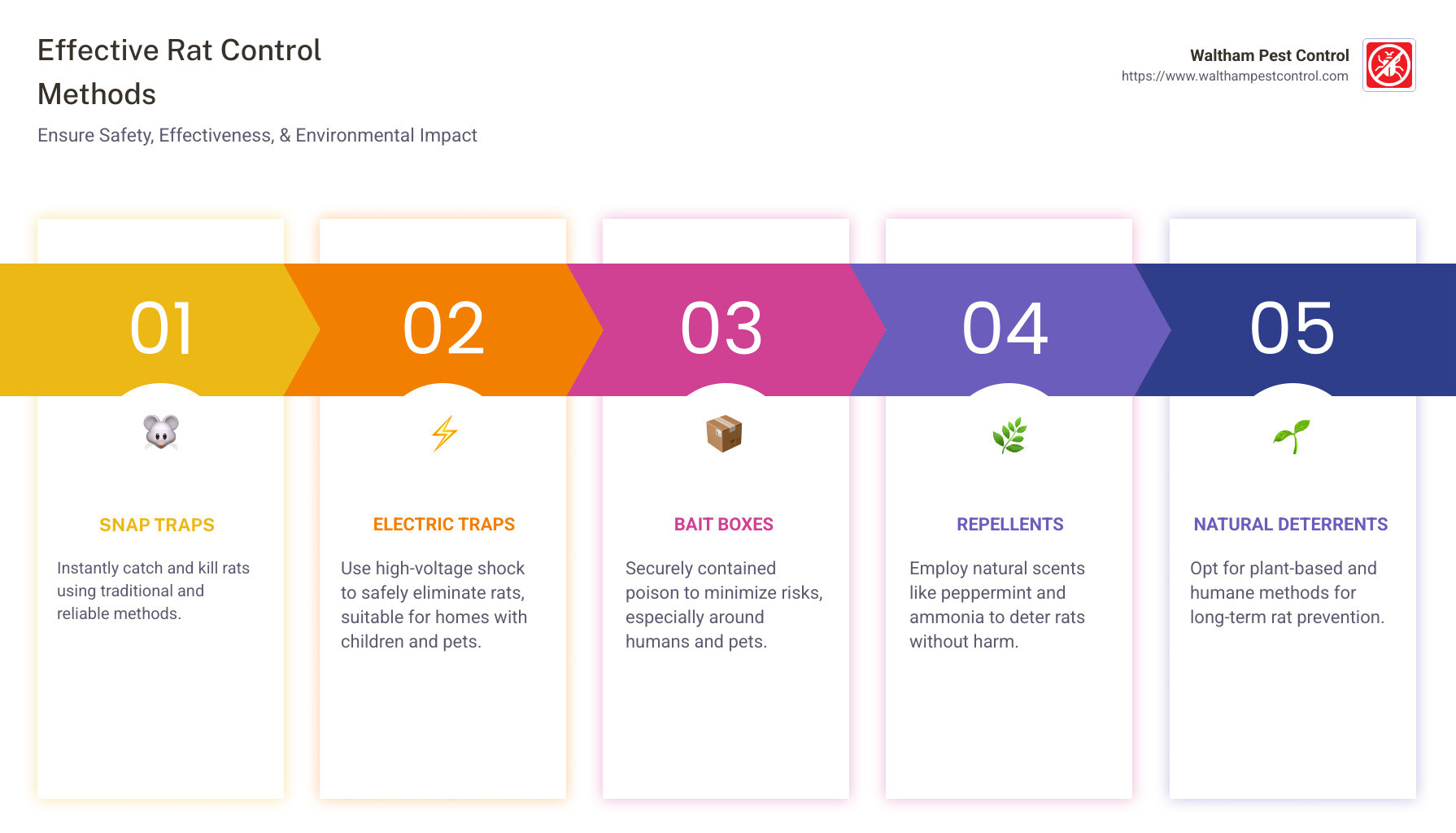
When searching for the best way to kill rats, it’s crucial to consider safety, effectiveness, and impact on the environment. Here are some highly effective methods:
- Snap Traps – Traditional and reliable; effectively kill rats instantly.
- Electric Traps – Deliver a lethal shock; safe for homes with children and pets.
- Bait Boxes – Poison contained within a secure box; lowers risk to humans and pets.
- Repellents – Use natural scents to deter rats without harming them.
Rats aren’t just pests—they’re potential health hazards with their ability to spread diseases like bubonic plague and rat-bite fever. They also gnaw relentlessly, damaging wood, wires, and insulation, posing risks to both property and fire safety. In Massachusetts, dealing with rats can be challenging due to the common Roof and Norway rat species, which are adept climbers and burrowers.
I’m Waltham Pest Control, President & CEO of Waltham Pest Control. With over 40 years in the industry, I’ve dedicated my career to understanding the best way to kill rats efficiently and safely, helping to ensure a pest-free environment for homes and businesses.
Explore more about best way to kill rats:
– fastest way to kill rats
– chemical control of rodents
– rat infestation removal
Identifying Rat Infestations
Detecting a rat infestation early can save you a lot of trouble. Here are some common signs to watch out for:
Droppings
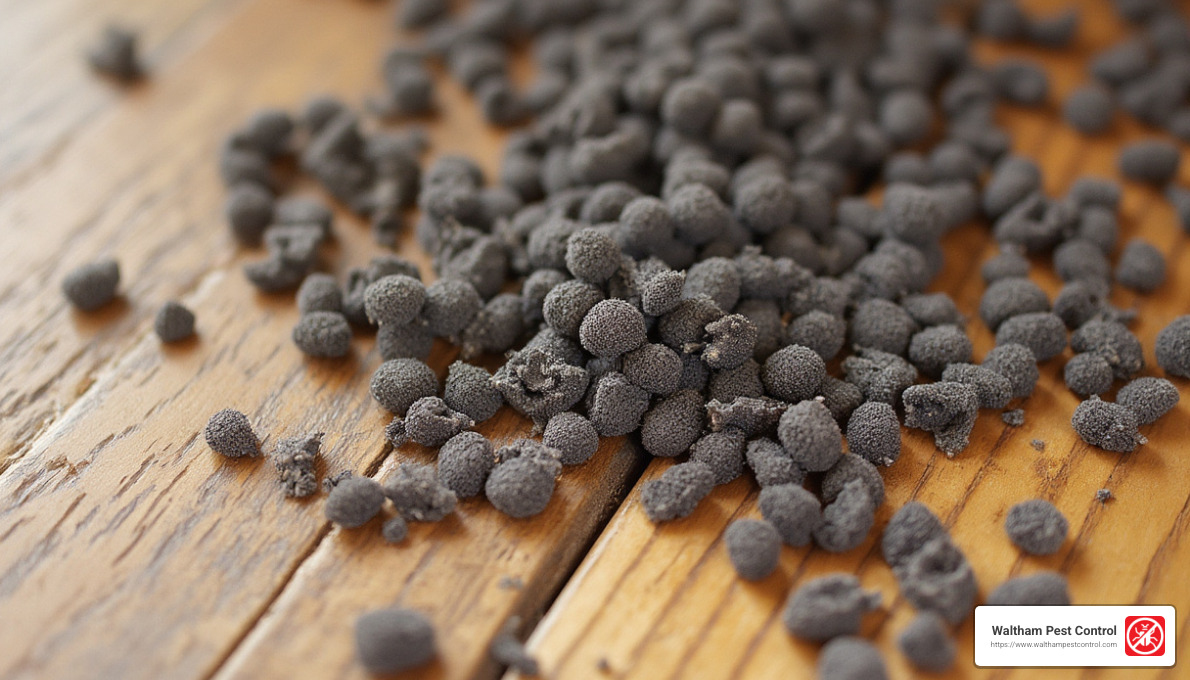
One of the most obvious signs of a rat problem is their droppings. Rats leave behind dark, pellet-shaped droppings that are about 1/2 to 3/4 inch long. These are often found in areas where rats are active, like kitchens, pantries, and along baseboards.
Gnawed Holes
Rats have strong teeth and love to chew. Look for gnawed holes in walls, floors, or food packaging. These holes are typically about 2 inches in diameter and have rough edges. Rats chew on materials like wood, plastic, and even electrical wires, which can lead to serious property damage.
Smudge Marks
Rats have oily fur that leaves smudge marks along the paths they frequently travel. These greasy streaks can be seen on walls and baseboards, marking their regular routes.
Scratching Noises
If you hear scratching or scurrying sounds, especially at night, it might be rats. They are nocturnal creatures and become more active when the house is quiet. These noises often come from inside walls, attics, or under floors.
Burrows and Nests
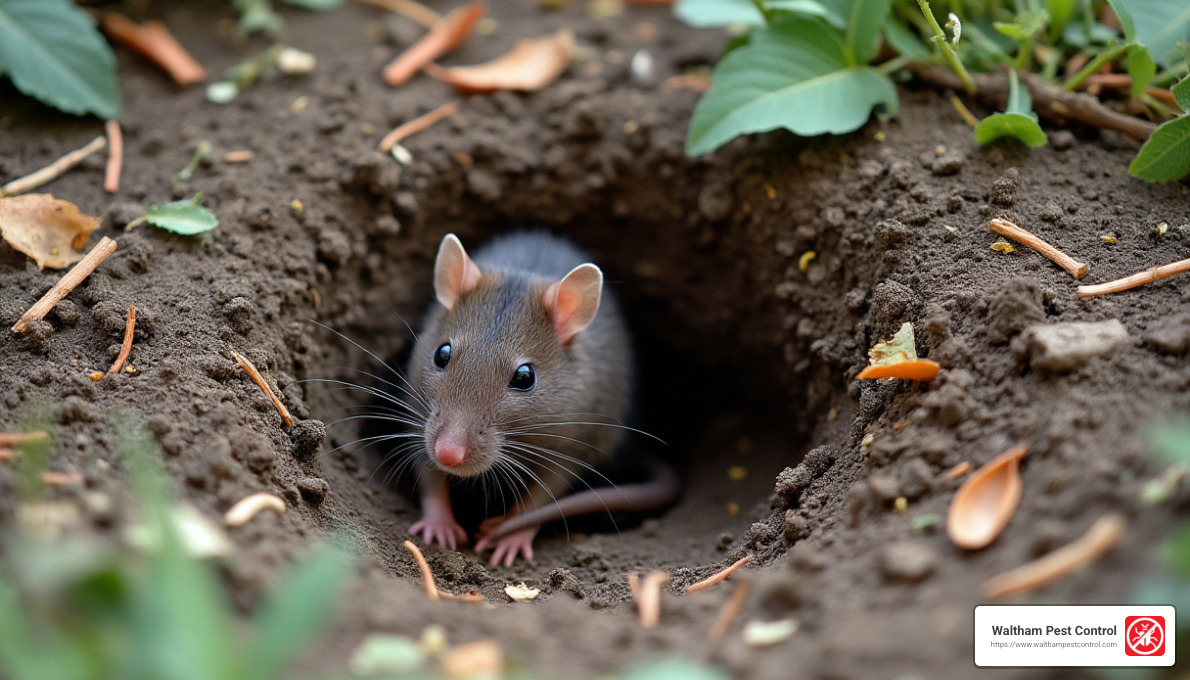
Rats are excellent diggers and often create burrows to nest. You might find burrows outside in the garden or under foundations. Inside, they build nests using materials like shredded paper, fabric, or plant matter. These nests are usually hidden in secluded areas like attics or behind appliances.
Conclusion
Identifying these signs early can help you address a rat infestation before it becomes severe. If you notice any of these indicators, it’s crucial to act quickly and consider contacting a professional pest control service for assistance.
Best Way to Kill Rats
When it comes to eliminating rats, choosing the right method is crucial. Let’s explore some of the most effective tools available and their pros and cons.
Snap Traps
Snap traps are a classic choice for a reason. These traditional wood and metal traps are simple to set up and highly effective. They work by snapping shut on a rat when it takes the bait, killing it instantly.
Setup Tips:
– Place traps along walls where rats travel.
– Use peanut butter, bacon, or dried fruit as bait.
– Check traps regularly and dispose of dead rats promptly.
Safety Concerns:
While effective, snap traps can also harm children and pets if accidentally triggered. Always place them in areas inaccessible to curious little hands and paws.
Electric Traps
Electric traps offer a modern solution with a high-voltage shock that kills rats instantly. These battery-powered traps are easy to use and safer for homes with pets and children.
Advantages:
– Quick and humane kill.
– Easy disposal without touching the rat.
– Safe for humans and larger pets.
Considerations:
Ensure batteries are fresh to maintain effectiveness. Also, check traps regularly to remove any caught rats.
Bait Boxes
Bait boxes, or bait stations, use contained poison to lure rats in. The poison is kept inside a protective box, making it safer for children and pets.
Pros:
– Effective in reducing rat populations.
– Safer than loose poison.
Cons:
– Disposal can be tricky, as poisoned rats may die in hard-to-reach places.
– If a pet eats a poisoned rat, it could get sick.
Glue Traps
Glue traps use sticky boards to trap rats as they walk across. While they are an easy option, they come with significant drawbacks.
Effectiveness:
– Can catch smaller rodents effectively.
– Not reusable.
Inhumane Concerns:
Many consider glue traps inhumane because they cause prolonged suffering. Trapped rats may injure themselves trying to escape.
Poison
Poison is a common method but comes with safety issues. It works by having rats ingest toxic bait, which leads to death after some time.
Drawbacks:
– Delayed effect means rats can die in hidden places, causing odor and hygiene issues.
– Risk of accidental poisoning for pets and children if not used properly.
Disposal Problems:
Dead rats can be difficult to find and remove, especially if they die inside walls or other inaccessible areas.
In summary, each method has its strengths and weaknesses. Consider your household’s safety needs and the extent of the infestation when choosing the best way to kill rats.
Natural and Humane Methods
When it comes to dealing with rats, some prefer methods that are more natural and humane. These options focus on repelling, controlling, and, if necessary, catching rats without causing them harm.
Repellents
Repellents use strong smells to keep rats away. These can be a great first step in managing a rat problem.
- Peppermint Oil and Eucalyptus Oil: Rats hate these smells. Soak cotton balls in the oil and place them in areas where you’ve seen rats. Research shows these oils can be effective deterrents.
- Black Pepper: Sprinkle it around your home to send rats running. Its strong scent is unpleasant for them.
- Ammonia: The smell of ammonia mimics the scent of predator urine, making rats think twice about entering your space.
- Diatomaceous Earth: This powder is non-toxic to humans but can dry out and kill rats if they come into contact with it.
These methods are safe for homes with children and pets, but remember to reapply regularly since their effects can wear off.
Birth Control
A more innovative and humane approach to controlling rat populations is the use of birth control.
- Contraception: This method involves feeding rats a special bait that reduces their ability to reproduce. While it doesn’t kill rats, it helps control their numbers over time.
- Humane Approach: By preventing reproduction, this method reduces the need for lethal measures and addresses the problem at its source.
- Long-term Effectiveness: It may take time to see results, but it’s a sustainable way to manage rat populations without harming them.
Catch-and-Release Traps
For those looking to remove rats without harming them, catch-and-release traps are a good option.
- Live Traps: These traps capture rats alive so they can be released elsewhere. They are a humane alternative to lethal traps.
- Humane Considerations: Ensure you check traps frequently to avoid stress or harm to the captured rats. Release them far from residential areas to prevent them from returning.
- Survival Rates: When using catch-and-release methods, it’s crucial to release rats in a suitable environment where they have a chance to survive.
These natural and humane methods offer ways to manage rat problems without resorting to lethal measures, aligning with a more ethical approach to pest control.
Preventing Rat Infestations
To keep rats at bay, prevention is key. By making your home less inviting, you can avoid the hassle of dealing with an infestation altogether. Here’s how:
Removing Food Sources
Rats are always on the lookout for food. By eliminating their food sources, you make your home less attractive to them.
- Secure Trash Cans: Use bins with tight-fitting lids to keep rats out. Rats are crafty and can easily get into an unsecured trash can.
- Store Food Properly: Keep food in airtight containers, especially in the pantry. Don’t leave food on counters or in open packages where rats can access it.
- Clean Pet Areas: After feeding pets, remove any leftover food and clean up spills immediately. Don’t leave pet food outside overnight.
- Remove Fallen Fruit: If you have fruit trees, regularly collect fallen fruit from your yard. This prevents rats from feasting on them.
Sealing Entry Points
Rats can squeeze through surprisingly small openings. Sealing these entry points is crucial.
- Hardware Cloth and Steel Wool: Use these materials to block holes and gaps. They’re tough for rats to chew through.
- Caulking and Foam Insulation: Seal cracks and crevices around your home with caulk or foam. Pay special attention to areas around pipes, vents, and windows.
Maintaining Cleanliness
A clean home is less appealing to rats. Regular maintenance can make a big difference.
- Yard Maintenance: Keep your yard tidy. Trim shrubs and bushes to prevent rats from using them as cover.
- Removing Clutter: Clear out piles of debris, old furniture, and other clutter. Rats love to nest in these areas.
Habitat Modification
Altering the environment around your home can deter rats from settling in.
- Removing Wood Piles: Store firewood at least 18 inches off the ground and away from your house. This makes it harder for rats to nest.
- Using Metal Composters: If you compost, use a metal container to keep rats out. Avoid throwing food scraps directly into open compost heaps.
- Securing Pet Food: Store pet food in sealed containers. This prevents rats from sniffing out and accessing it.
By taking these steps, you can significantly reduce the chances of a rat infestation. Prevention not only saves you from the hassle of dealing with rats but also protects your home and health.
Frequently Asked Questions about Rat Control
What kills rats instantly?
If you’re looking for the best way to kill rats instantly, snap traps and electric traps are your go-to solutions.
- Snap Traps: These are the classic wooden or metal traps you might remember from cartoons. They’re quick, effective, and easy to set up. Just be cautious if you have kids or pets, as these traps can be dangerous if accidentally triggered.
- Electric Traps: These are a modern twist on the classic trap. They deliver a high-voltage shock that kills rats instantly. They’re battery-powered and designed to be safe for humans and larger pets.
How to get rid of rats permanently?
Getting rid of rats for good involves more than just setting traps. It’s about making your home uninviting to them.
- Remove Food Sources: Secure your trash cans, store food in airtight containers, and clean up pet areas promptly. Rats are less likely to stick around if they can’t find food.
- Seal Entry Points: Use hardware cloth and steel wool to block holes and gaps. Seal cracks with caulking or foam insulation, especially around pipes and vents.
- Maintain Cleanliness: Keep your yard and home tidy. Trim shrubs, remove clutter, and ensure there’s no debris where rats can hide.
What do rats hate the worst?
Rats are sensitive to certain smells, which can be used to keep them away.
- Ammonia: The strong scent of ammonia is unpleasant to rats. You can use it as a deterrent by placing small, open containers of ammonia near entry points.
- Peppermint and Eucalyptus: These essential oils are natural repellents. Soak cotton balls in the oils and place them in areas where you’ve noticed rat activity.
- Black Pepper: Sprinkling black pepper in corners and near entry points can help repel rats. The strong smell irritates their senses and encourages them to move on.
By implementing these strategies, you can tackle your rat problem effectively and keep them from coming back.
Conclusion
Successfully dealing with a rat problem requires both immediate action and long-term prevention strategies. By using a combination of traps, natural deterrents, and good housekeeping practices, you can protect your home from these unwelcome guests.
Summary
To effectively eliminate rats, it’s important to understand the various methods available. Traditional snap traps and modern electric traps offer quick solutions for immediate removal. Meanwhile, natural repellents like ammonia and peppermint oil can help keep rats at bay. However, the key to long-term success lies in removing food sources, sealing entry points, and maintaining a clean environment.
Long-Term Prevention
Preventing future infestations is crucial. Start by securing trash cans and storing food properly. Make your home less inviting by sealing any potential entry points with materials like hardware cloth and steel wool. Regularly clean and declutter your living spaces, and trim back any shrubs or vegetation that could provide cover for rats.
Waltham Pest Control
For over 40 years, Waltham Pest Control has been committed to providing effective pest management solutions in Eastern Massachusetts. Our team of licensed and insured professionals is ready to help you tackle your rat problem with expertise and care. We pride ourselves on offering quality service that ensures your home stays rodent-free.
Professional Help
Sometimes, despite your best efforts, rats can still find a way in. If you’re dealing with a persistent infestation or need expert advice, don’t hesitate to reach out for professional help. Our team at Waltham Pest Control is here to provide you with the support you need. We offer comprehensive pest control services custom to your specific needs, ensuring a safe and effective solution to your rat problem.
By following these steps and considering professional assistance when needed, you can ensure your home remains a place where rats are not welcome.