
Best thing to get rid of rats: 3 Ultimate Steps
Why Finding the Best Thing to Get Rid of Rats Matters Now
The best thing to get rid of rats isn’t a single product; it’s a comprehensive approach combining prevention, exclusion, and professional control. Here’s what works:
Most Effective Rat Control Methods:
- Seal all entry points – Use steel wool and caulk to block holes as small as a quarter.
- Remove food and water sources – Secure food and garbage; eliminate standing water.
- Professional trapping – Strategic placement of traps by licensed experts.
- Tamper-proof bait stations – For professional use only, with strict safety protocols.
- Ongoing monitoring – Regular inspections to prevent re-infestation.
Finding rats in your home is a genuine threat. They chew through electrical wiring (causing an estimated 20-25% of undetermined house fires), contaminate food with diseases like Hantavirus and Leptospirosis, and reproduce at alarming rates. A small problem can become a major infestation in weeks.
Many DIY solutions fail because they don’t address the root cause. Successful rat control requires understanding their behavior and implementing a strategic plan.
I’m Waltham Pest Control, President & CEO of Waltham Pest Control, with over 40 years of experience helping Massachusetts homeowners and businesses eliminate rat infestations. My career has shown me that the best approach is a professional, multi-faceted strategy combining exclusion, sanitation, and targeted control methods customized to your situation.
Basic best thing to get rid of rats glossary:
First, Confirm the Unwanted Guest: Signs of a Rat Infestation
Before you can find the best thing to get rid of rats, you must confirm you’re dealing with them. Since rats are nocturnal, you’re more likely to see the evidence they leave behind than the rats themselves. Recognizing these signs early is key to resolving a rat infestation removal quickly.
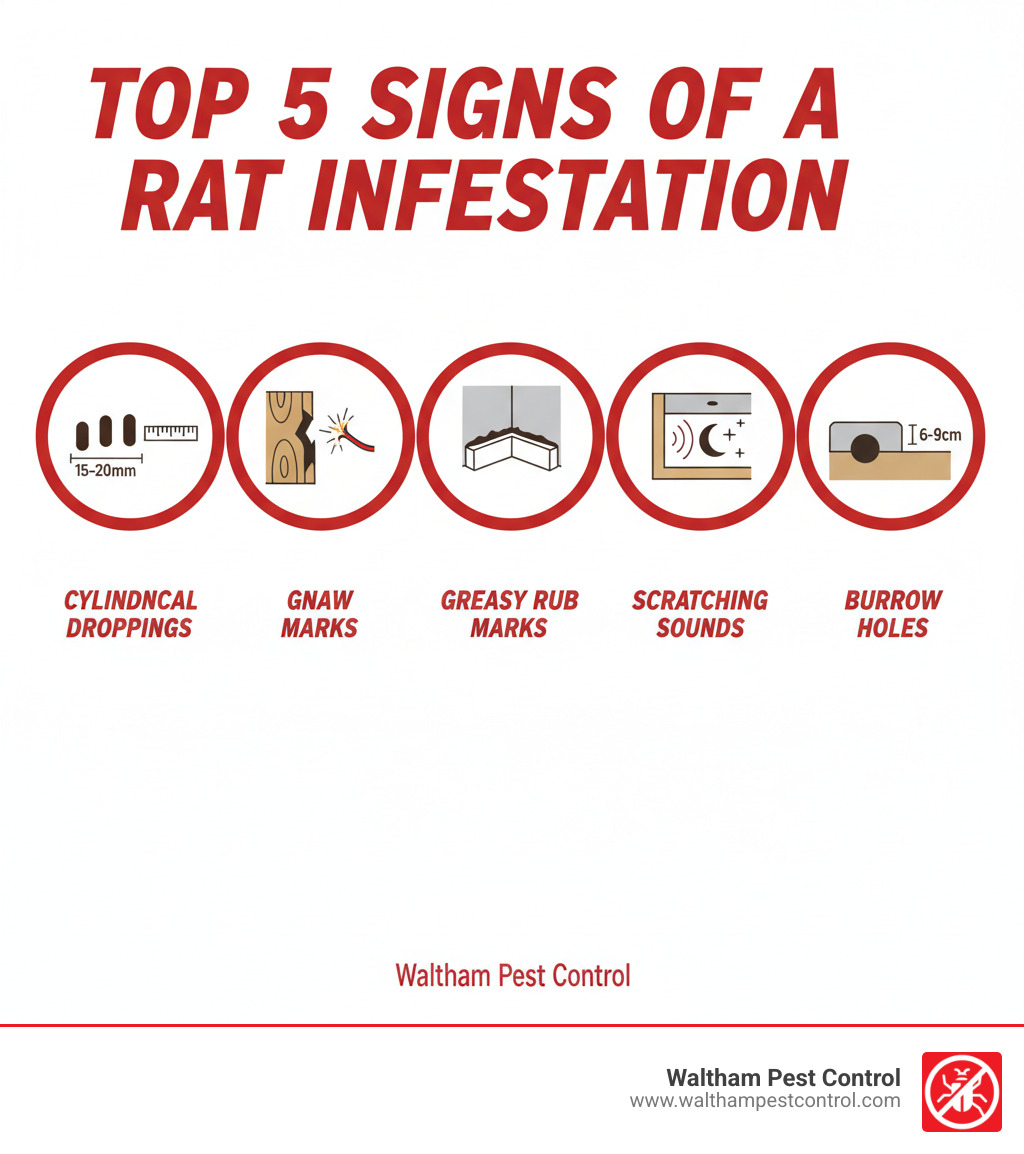
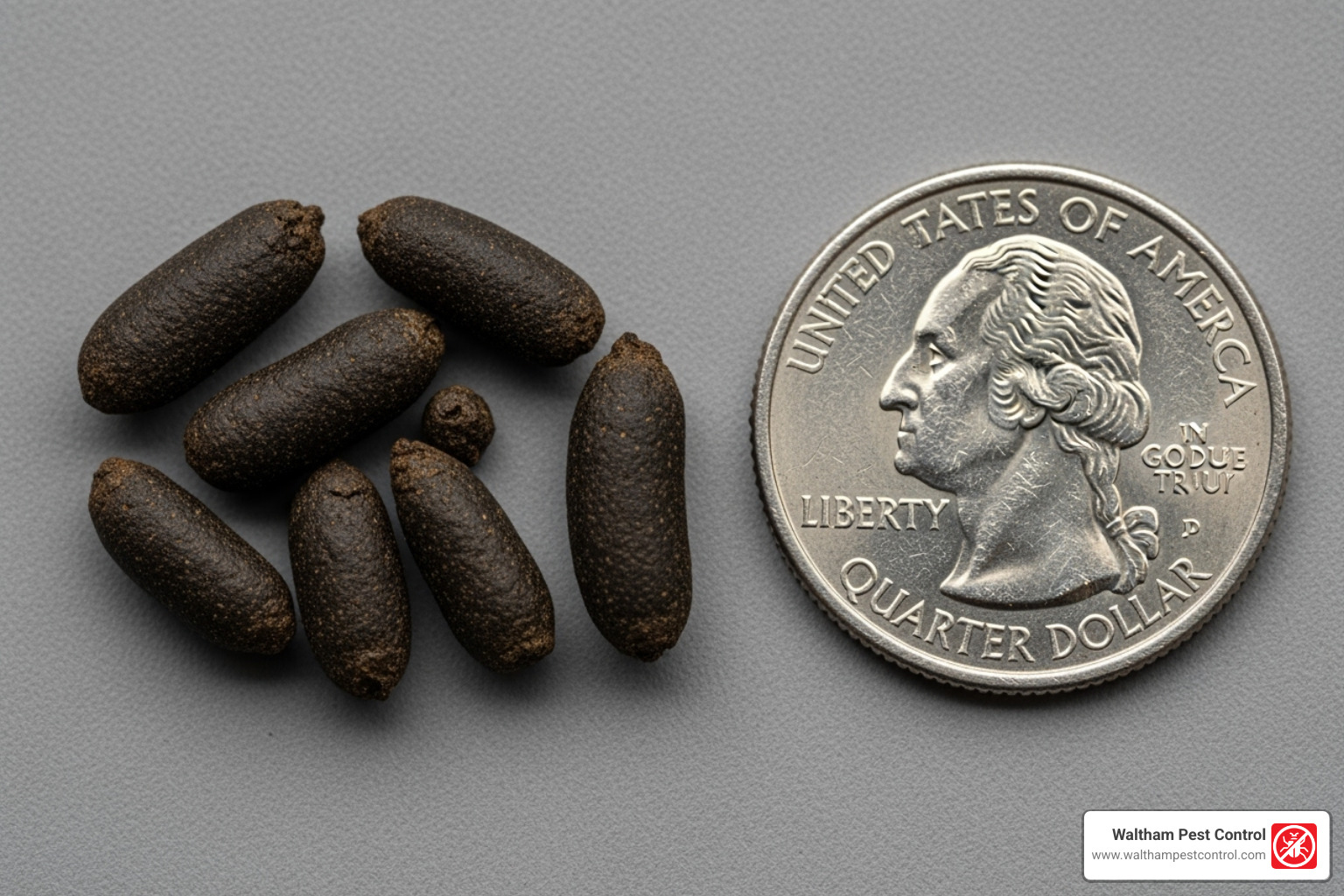
- Droppings: This is often the first clue. Look for dark, pellet-shaped droppings about 15-20mm long, often concentrated along walls, near food sources, or in dark corners. Norway rat droppings are larger with blunt ends, while roof rat droppings are smaller with pointed ends. This distinction helps determine the control strategy.
- Gnaw Marks: Rats’ teeth grow constantly, so they chew on wood, plastic, and electrical wires to wear them down. This behavior creates a serious fire hazard.
- Greasy Rub Marks: Rats follow the same routes nightly, leaving dark, oily smudges from their fur along baseboards and walls.
- Burrows and Nests: Norway rats are diggers and create burrows (6-9cm wide) along foundations or under sheds. Roof rats, excellent climbers, prefer to build nests in attics, trees, and upper stories using shredded paper, fabric, and insulation.
- Scratching Noises: Scampering or scratching sounds in your walls or ceiling at night are a classic sign of rodent activity.
- Musky Odor: A persistent, musky smell, especially in enclosed areas like pantries, indicates a significant and growing rat presence.
Understanding whether you have ground-dwelling Norway rats or climbing roof rats is crucial. Norway rats are stockier with shorter tails, while roof rats are sleeker with tails longer than their bodies. The more signs you spot, the more urgent the problem.
The Best Thing to Get Rid of Rats: An Integrated Pest Management (IPM) Approach
There is no single magic bullet for rat control. The most effective method is Integrated Pest Management (IPM), a comprehensive battle plan that combines sanitation, exclusion, and professional control. Rats are intelligent and reproduce quickly, so a few traps won’t solve an underlying problem. IPM works by systematically removing the food, water, and shelter rats need to survive, making your property inhospitable to them now and in the future.
Step 1: Prevention & Exclusion – Making Your Property Uninviting
The foundation of rat control is making your property unappealing. By cutting off access to their basic needs, you’ve already won half the battle.
- Eliminate Food Sources: Secure garbage in cans with tight-fitting lids. Store all pet food, birdseed, and human food in sealed, rodent-proof containers. Never leave pet food out overnight. In the garden, harvest produce promptly and manage compost bins by keeping them sealed and avoiding meat or dairy scraps.
- Remove Shelter: Clear away clutter like woodpiles, debris, and old equipment. Keep firewood stored at least 18 inches off the ground. Mow your lawn and trim vegetation away from your foundation and roofline to eliminate hiding spots and access routes for climbing roof rats.
- Cut Off Water: Fix leaky outdoor faucets and pipes. Empty bird baths and pet water bowls regularly to remove easy water sources.
- Seal Entry Points: This is the most critical step, known as rodent exclusion services. Rats can squeeze through holes as small as a quarter. We conduct a thorough inspection and seal all gaps, cracks, and utility entry points with materials rats can’t chew through, like steel wool, cement, and metal flashing. Caulk or foam alone is not enough. We also ensure doors, windows, vents, and chimneys are properly sealed and screened.
Step 2: Professional Trapping & Removal
Once your property is fortified, we address the rats already inside. Professional trapping is far more effective than DIY attempts.
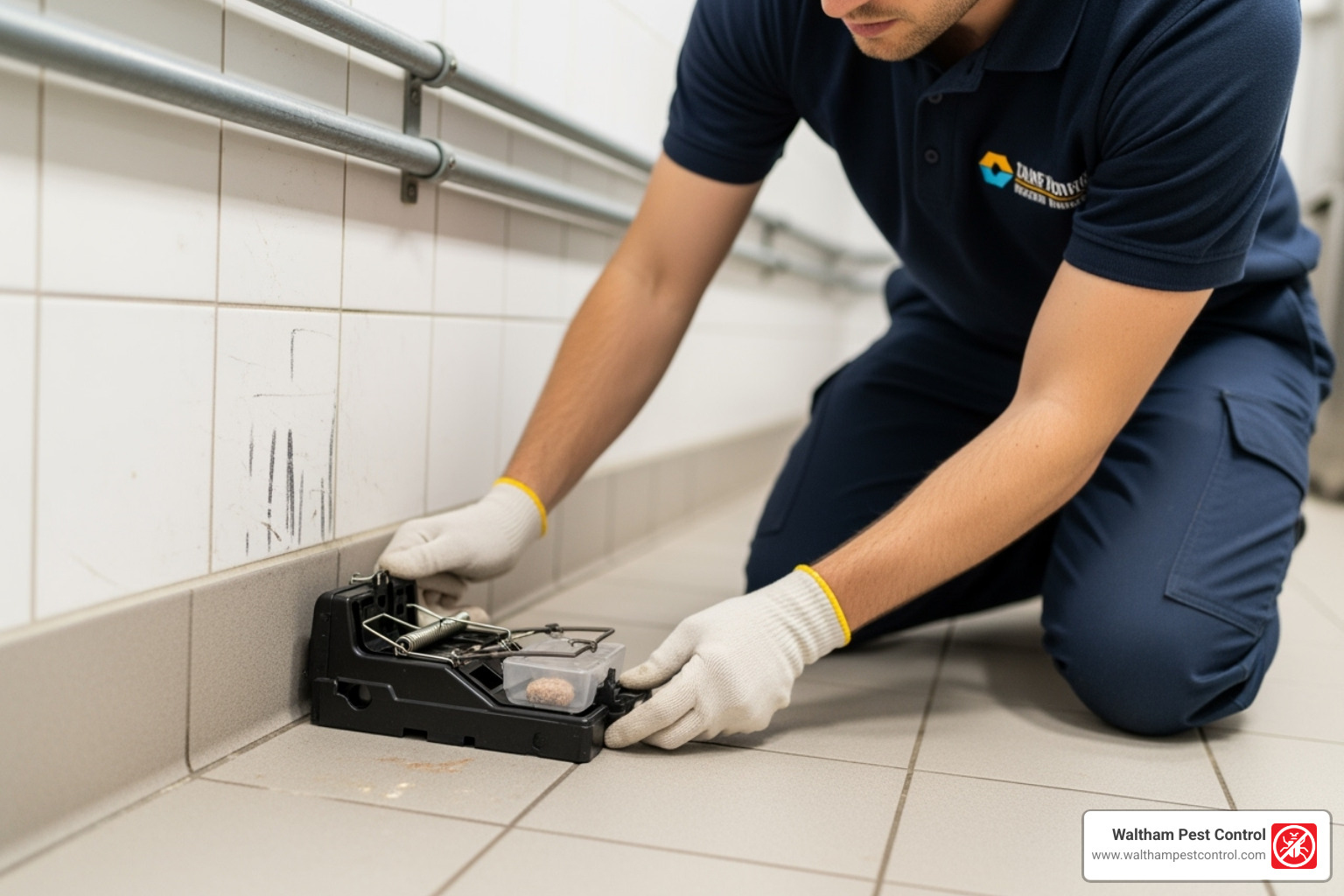
Strategic placement is where expertise matters. Rats are naturally wary of new objects. Our technicians understand rat behavior and place professional-grade snap traps along their hidden travel routes—behind appliances, in dark corners, and in liftd areas for roof rats—always in locations inaccessible to children and pets.
We use a variety of baits and deploy enough traps to overwhelm the population’s caution. A common DIY mistake is using too few traps. This systematic approach is a core part of our rat infestation removal service. We monitor traps regularly, remove captured rats, and maintain pressure until the population is eliminated.
Step 3: Advanced & Chemical Control by Professionals
In severe infestations, rodenticides may be considered as a last resort. Chemical control should only ever be handled by licensed professionals due to the significant risks.
Rodenticides are poisons. If used, they are always placed inside secure, tamper-proof bait stations that allow rats to enter but prevent access by children, pets, and other wildlife. We anchor these stations securely in areas of known rat activity.
The dangers of improper DIY use are severe. Accidental ingestion by children or pets can be fatal. There is also the risk of secondary poisoning, where a predator like a hawk, fox, or even a family pet becomes sick after eating a poisoned rat. This harms the ecosystem and removes natural pest controllers. Misused rodenticides can also contaminate soil and water.
This is why only licensed professionals should handle chemical control of rodents. Our technicians are trained in safe application methods, prioritizing the safety of your family, pets, and the environment.
The Dangers Lurking in Your Walls and Garden
Rats are more than just a nuisance; they pose serious threats to your property and health that escalate quickly if ignored.
Property Damage:
Rats’ need to gnaw on their ever-growing teeth leads to significant destruction.
- Chewed electrical wires are a primary concern, creating a major fire hazard. Rodent damage is estimated to cause 20-25% of undetermined house and structure fires in the U.S.
- Structural damage occurs when rats gnaw through wood beams, drywall, insulation, and even pipes, leading to water leaks and costly repairs.
- Personal belongings like furniture, books, and clothing are often shredded for nesting material. Their droppings and urine also contaminate surfaces and create persistent, unpleasant odors.
Health Risks:
The health risks rats introduce are even more alarming. Effective rat problem solutions are a public health necessity. According to the CDC, rats transmit numerous diseases to humans and pets.
- Hantavirus is a severe disease contracted by breathing in airborne particles from rodent droppings, urine, or saliva.
- Leptospirosis is a bacterial disease spread through contact with water or soil contaminated by infected rat urine. It can cause kidney and liver failure in both humans and pets.
- Salmonellosis (food poisoning) can occur when rats contaminate food or kitchen surfaces with their feces.
Additionally, rats can carry fleas, mites, and ticks that transmit other diseases. Their dander and droppings can also trigger severe allergic reactions and asthma. A rat in your home is a clear danger to your property and family’s wellbeing, which is why finding the best thing to get rid of rats is so critical.
When to Call a Professional Rat Exterminator
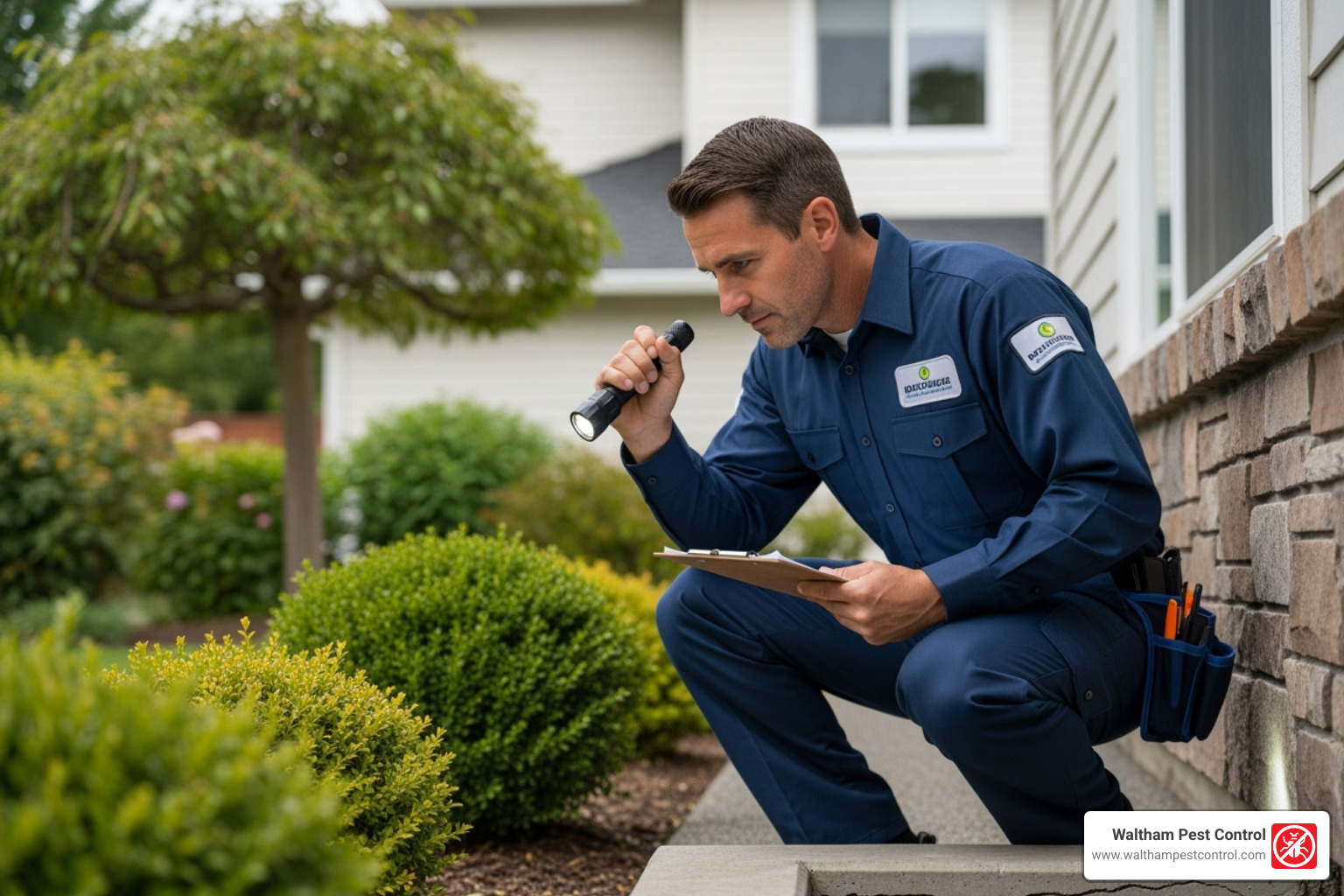
While it’s tempting to tackle a rat problem yourself, some situations demand professional expertise. Trying to handle a significant infestation on your own can make the problem worse and risk your family’s health.
Here are clear signs it’s time to call a professional:
- Daytime Rat Sightings: Rats are nocturnal. Seeing them during the day often means the population is so large that they are being forced out to find food, indicating a severe infestation.
- Widespread Evidence: If you’re consistently finding droppings or gnaw marks in multiple locations, you’re dealing with an established colony, not a single intruder.
- DIY Methods Have Failed: Rats are intelligent and quickly learn to avoid traps. If your efforts haven’t worked after a few weeks, it’s time to bring in an expert with specialized tools and knowledge of rat behavior.
- You Have Safety Concerns: If you have children or pets, using rodenticides is extremely risky. A professional rodent control company is the safest choice to protect your family.
Due to the rapid reproduction rate of rats, waiting is not an option. A small problem can become overwhelming in months. When you need a guaranteed rat problem solution that prevents future infestations, professional pest control delivers results DIY methods can’t match.
At Waltham Pest Control, we know that the best thing to get rid of rats is a professional, integrated approach. Don’t let a rat problem grow—addressing it promptly saves money and protects your home and health.
Frequently Asked Questions about Rat Removal
Dealing with a rat infestation brings up many questions. Here are answers to some of the most common concerns we hear from homeowners.
Are natural or humane deterrents effective?
While the appeal of natural methods is understandable, they are rarely the best thing to get rid of rats in an active infestation.
- Strong scents like peppermint oil or cayenne pepper may temporarily repel rats, but the effect fades quickly. Adaptable rats will simply get used to the smell or find another route to a food source.
- Ultrasonic devices that emit high-frequency sounds may bother rats for a few days, but they often become accustomed to the noise and learn it poses no real threat. They are not a reliable long-term solution.
- Natural predators like cats or foxes can help control outdoor populations, but they are not a solution for an established infestation inside your home. Furthermore, a domestic cat can be injured by a rat or contract diseases from it.
These methods might help as a minor part of a larger prevention strategy, but they won’t solve an existing problem.
How do I safely clean up after a rat infestation?
Proper cleanup is critical to protect your health from pathogens like Hantavirus. Never sweep or vacuum dry droppings, as this can send dangerous particles airborne. Follow these steps for safe cleanup:
- Gear Up: Wear rubber gloves and an N95-rated respirator.
- Ventilate: Open windows and doors for at least 30 minutes before you begin.
- Soak, Don’t Sweep: Thoroughly spray all droppings, urine, and nesting materials with a disinfectant solution (one part bleach to ten parts water). Let it soak for 5 minutes.
- Wipe and Dispose: Use paper towels to wipe up the soaked material. Place it in a plastic bag, seal it, then place that bag inside a second one before disposing of it in an outdoor trash can.
- Disinfect Surfaces: After removing the waste, wipe down all hard surfaces with your disinfectant. Steam clean or shampoo carpets and upholstery.
- Wash Up: Carefully remove your gloves and wash your hands thoroughly with soap and warm water. Launder your clothes in hot water.
How much does professional rat removal cost?
The cost of professional rat removal can vary significantly. The following are average costs based on general internet data and are not actual quotes for Waltham Pest Control. We provide customized solutions after a thorough inspection.
Generally, treatment plans can range from a few hundred dollars for a minor issue to well over a thousand dollars for a severe infestation. The high end of pricing can often be at least three times the cost of treating a smaller problem.
Several factors influence the final cost:
- Severity of the Infestation: A large, established colony costs more to eliminate than a few recent arrivals.
- Size and Complexity of the Property: Larger homes or properties with multiple buildings require more time and materials.
- Methods Required: The extent of trapping and exclusion work needed will affect the price. Extensive sealing of entry points in hard-to-reach areas adds to the labor and material costs.
An effective plan includes follow-up visits to ensure a lasting solution. We provide a transparent, customized plan custom to your home and budget.
Conclusion: Reclaim Your Home from Rats for Good
The best thing to get rid of rats is not a single product but a multi-layered Integrated Pest Management (IPM) approach. This strategy combines prevention, thorough exclusion, and expert-led control to reclaim your property for good.
The risks of waiting are serious. Delaying gives rats more time to chew through wiring, spread dangerous diseases, and multiply at an alarming rate. A small problem can quickly become a major infestation.
At Waltham Pest Control, we have spent over 40 years helping homeowners across Eastern Massachusetts solve their rat problems. Our licensed technicians understand rat behavior and implement safe and effective professional rat control services. We conduct thorough inspections, identify all entry points, and provide ongoing monitoring to ensure rats don’t return.
Your home should be a safe haven. If you’ve seen the warning signs or your DIY efforts have failed, we are here to help. Reach out to our team today for a lasting solution and the peace of mind you deserve.
Like us on Facebook!
