

best termite company: Top 3 Proven Picks to Avoid Costly Damage 2025
The Silent Threat: Why You Need the Best Termite Company
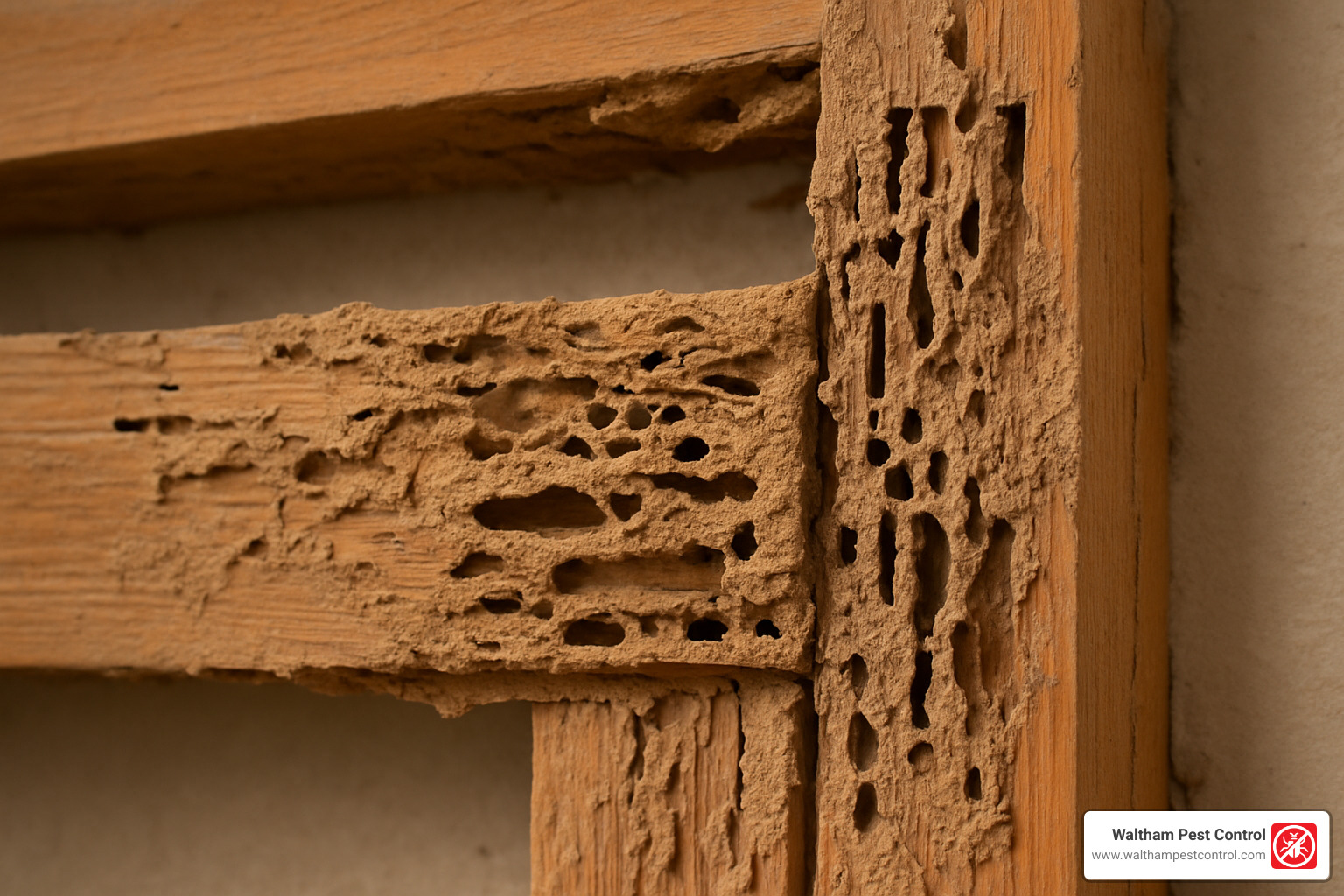
The best termite company will save you thousands in structural damage and provide long-term protection for your home. Here’s what to look for:
- Proper licensing and certification from your state’s pesticide regulatory agency
- Specialized experience in termite control (not just general pest management)
- Comprehensive inspections that examine both interior and exterior areas
- Written warranties that cover retreatment and ideally structural damage
- Positive customer reviews highlighting reliability and effectiveness
Termites cause approximately $5 billion in damage annually across the United States, with homeowners spending an average of $3,000 on repairs after an infestation. Unlike other household pests, termites work silently and continuously, potentially causing severe structural damage before you even notice their presence.
When choosing a termite control provider, it’s crucial to select a company that specializes in termite treatments rather than a general pest control service. According to industry data, about 95% of pest control companies offer general services, but dedicated termite specialists often provide more thorough treatments and longer-lasting results.
I’m Waltham Pest Control, President of Waltham Pest Control with over four decades of experience helping Massachusetts homeowners select the best termite company for their specific infestation challenges. My team and I have developed comprehensive termite control protocols that focus on both elimination and long-term prevention.
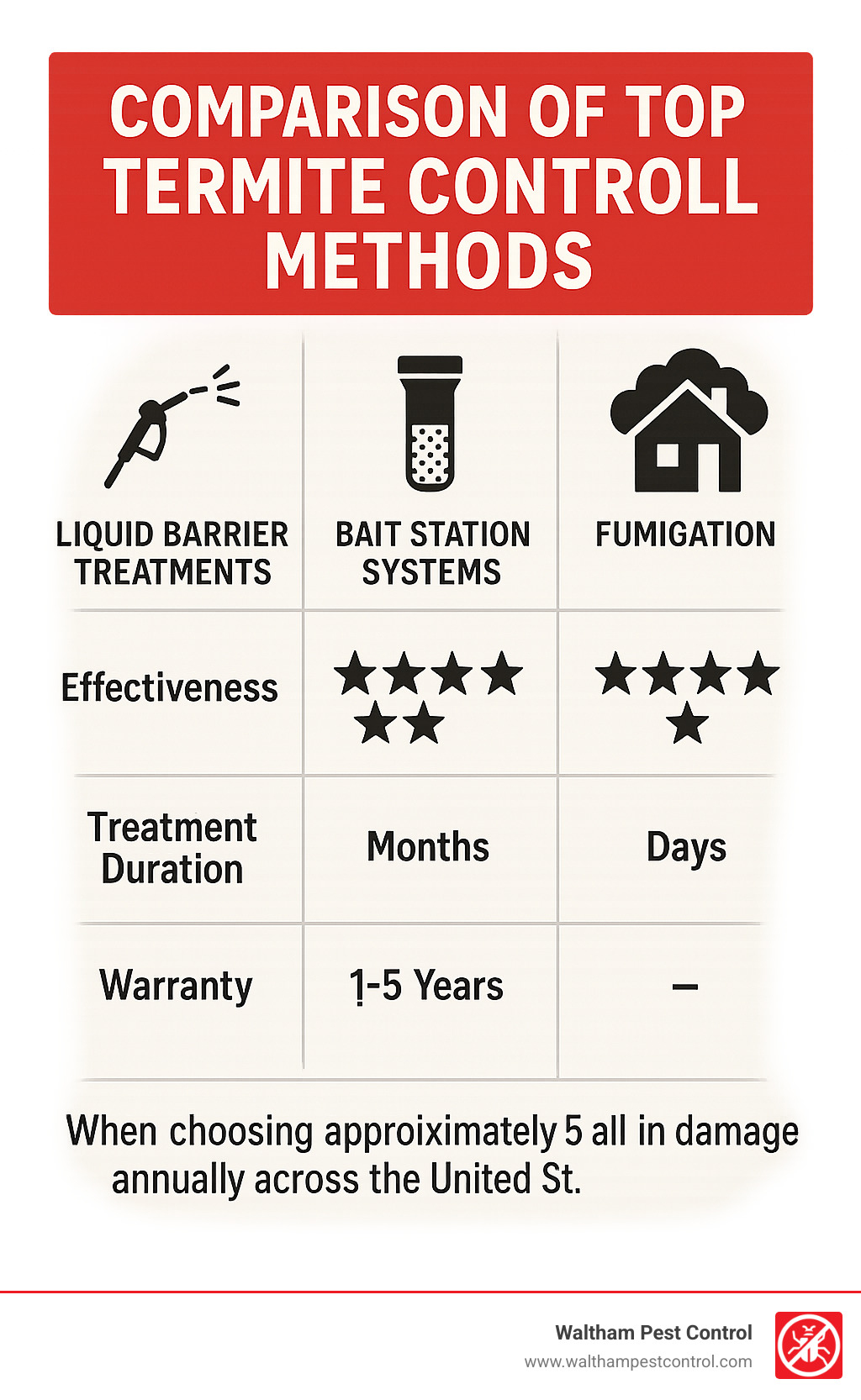
Simple best termite company word guide:
– how do pest control companies treat for termites
– when do termites swarm
– are termites attracted to light
Spot the Signs Early: Do You Have Termites?
Imagine silently losing thousands of dollars while you sleep. That’s exactly what happens when termites move in. As a Massachusetts homeowner, knowing what to look for can save your home—and your wallet.
Discarded Wings: After termites find their forever home (unfortunately, yours), they shed their wings like tiny confetti. These translucent, papery wings around windowsills or door frames aren’t just random debris—they’re a warning sign.
“Last spring, a Burlington homeowner called about ‘strange dust’ along her baseboards,” shares our senior technician. “What she thought was everyday dust turned out to be hundreds of discarded termite wings. Her quick call saved thousands in potential damage.”
Mud Tubes: Picture tiny termite highways—pencil-width mud tunnels that run along your foundation, basement walls, or crawl spaces. These tubes protect termites as they travel between soil and the wooden buffet that is your home.

Hollow-Sounding Wood: Grab a screwdriver and gently tap on wooden surfaces around your home. Solid wood should sound, well, solid. If you hear a hollow, papery sound—like knocking on an empty box—termites might be dining inside while leaving just a thin veneer intact.
Frass (Termite Droppings): These tiny pellets resemble sawdust or coffee grounds. Finding little piles near wooden structures means drywood termites are pushing their waste out of their tunnels—and actively destroying your home.
Buckling Floors or Bubbling Paint: When you notice warped floors, sagging ceilings, or paint that’s bubbling or peeling for no apparent reason, you’re likely seeing advanced termite damage. By this point, the structural integrity of your home may be compromised.
The moment you spot any of these signs, pick up the phone. Every day matters. We’ve seen too many Massachusetts homeowners face devastating repair bills after waiting just a few weeks to call.
When Do Termites Swarm?
In Eastern Massachusetts, termite dating season (also known as swarming) typically happens from late March through May. These romantic flights usually peak in April when temperatures warm and spring rains create the perfect humid conditions.
“After that first warm, rainy weekend last April, our phones rang non-stop,” our operations manager remembers. “We had over 30 calls from worried homeowners in Burlington and nearby towns—all describing classic termite swarms.”
Eastern subterranean termites—the most common uninvited guests in our region—prefer daytime flights. They’re hopelessly attracted to light, which is why you’ll often spot them near windows, porch lights, or sunny areas of your home.
Not sure if you’re seeing termites or flying ants? Look closely:
– Termites have straight antennae; ants have bent ones
– Termites have uniform waists; ants have distinctive pinched waists
– Termites have four equal-sized wings; ants have larger front wings
While these flying termites themselves don’t damage wood, their presence signals an established colony nearby—like seeing one mouse and knowing there’s likely a family.
Act Fast or Pay Later
When it comes to termites, procrastination comes with a hefty price tag. While the national average for termite repairs hovers around $3,000, we’ve watched Massachusetts homeowners face heart-stopping bills exceeding $10,000 when support beams and load-bearing structures need replacement.
What makes termites so destructive is their relentless work ethic. Unlike seasonal pests that take winter vacations, termites work around the clock, 365 days a year. Their scissor-like jaws never stop consuming the wood that holds your home together.
A single colony of subterranean termites can house up to 2 million individuals, with queens living 25-30 years. Without treatment, that’s decades of continuous damage to your home.
Here’s the kicker: most homeowner’s insurance policies specifically exclude termite damage. Insurance companies consider this preventable damage rather than a covered accident—leaving you responsible for every penny of treatment and repairs.
After four decades helping homeowners across Eastern Massachusetts, we’ve documented how quickly damage escalates:
- 1-3 months: Cosmetic damage to trim and baseboards
- 3-6 months: Early structural concerns emerge
- 6-12 months: Significant structural damage develops
- 1+ years: Major renovations often necessary
As Jim from Lexington learned the hard way: “I thought waiting until after my summer vacation to deal with termites wouldn’t matter much. That three-month delay tripled my repair costs.”
When it comes to termites, today’s phone call is always cheaper than tomorrow’s repair bill. The best termite company won’t just treat your home—they’ll help you understand what you’re up against and protect your biggest investment.
Understanding Termite Treatment Options
When you work with the best termite company, you get more than just a quick fix. You get a custom plan that fits your home, your type of termite, and your family’s needs. At Waltham Pest Control, we believe it’s important for you to know your options—so you can feel confident about protecting your biggest investment.
Let’s walk through the main termite treatment choices and how they work.
Liquid Barrier Treatments
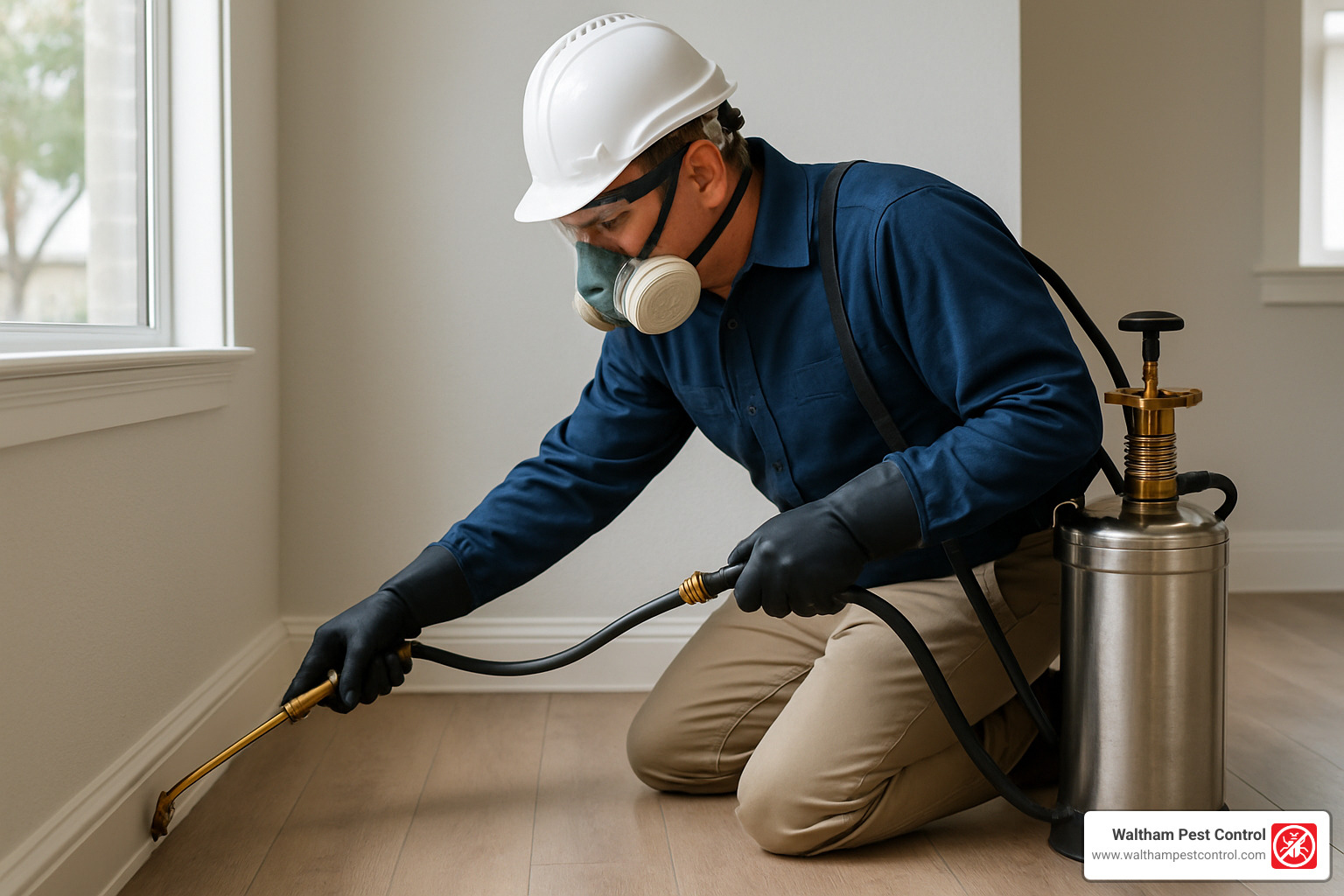
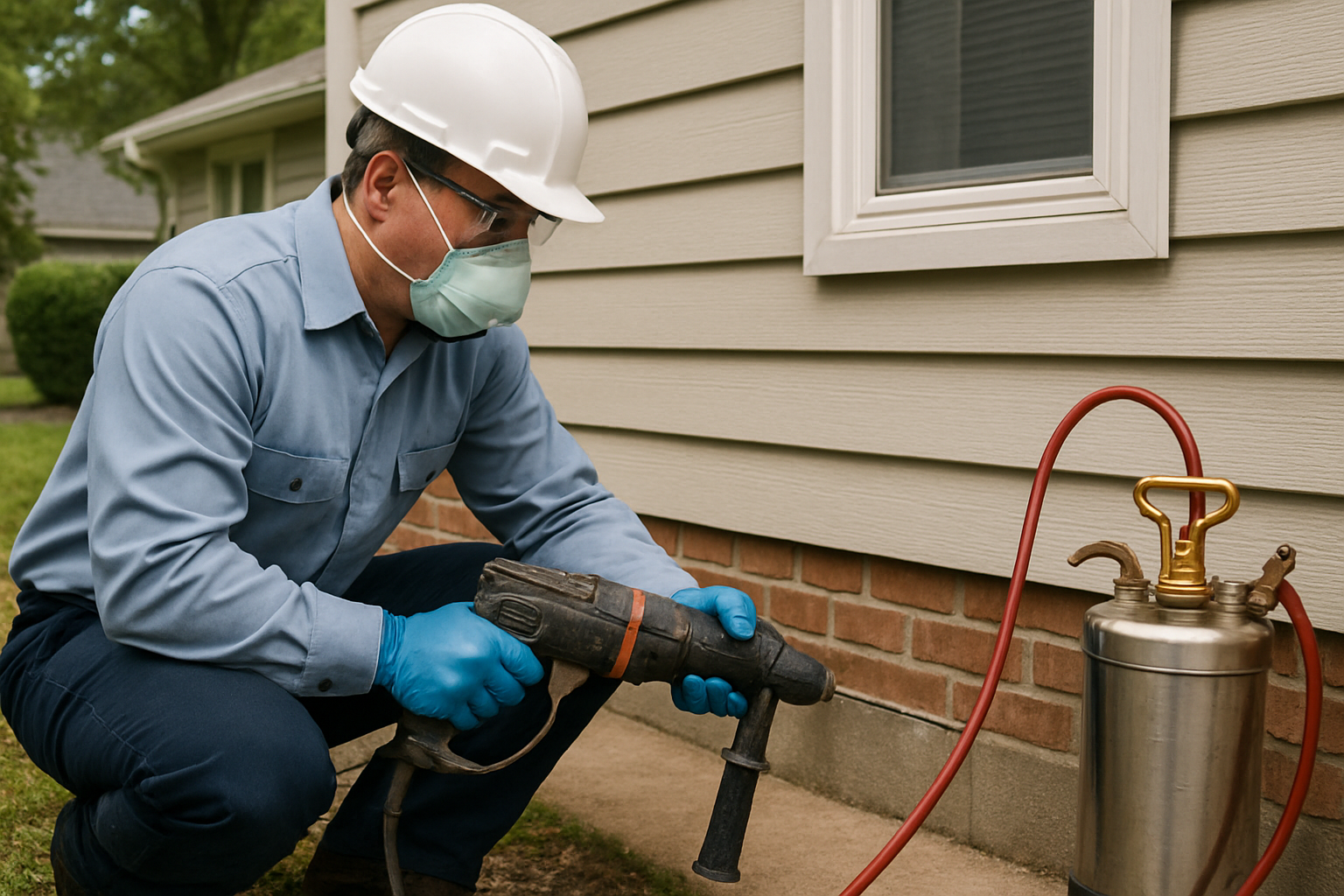
Liquid barriers are a classic solution—and for good reason. This method creates a hidden “no-go zone” around your home. Our technicians dig a narrow trench by your foundation, carefully apply a specialized liquid termiticide, and then refill the trench. For homes with concrete slabs, we drill tiny holes to get the treatment right where termites love to sneak in.
Because the barrier is undetectable to termites, they wander through it and bring it back to their colony. Over time, this wipes out the whole group—queen and all!
Liquid barriers are ideal for homes with established subterranean termite activity or as a strong preventative for high-risk properties. A single treatment often protects your home for 5–10 years, making it a long-lasting option.
Bait Station Systems
If you’d rather not dig around your foundation, bait stations offer a smart alternative. We install these in-ground “termite restaurants” around your property’s perimeter. The bait is made from cellulose (think: fancy wood chips) that’s laced with a slow-acting ingredient. Termites snack, share with their friends, and eventually, the entire colony is eliminated at the source.
Bait stations are perfect for places where digging is tricky or if you want an eco-friendlier approach. They also provide ongoing monitoring, so any new termite activity gets caught early. Just remember: they work best with regular inspections every few months to keep the system fresh and effective.
Fumigation
In rare but serious cases—like a full-house drywood termite invasion—fumigation is the fastest way to win the battle. We tent your home, seal it up tight, and pump in a fumigant gas that reaches every nook and cranny. It’s a bit like hitting the reset button for your house’s woodwork.
Fumigation is powerful, but it does mean you’ll need to leave your home for a couple of days. It’s usually reserved for the most extreme infestations or multi-unit buildings with widespread damage.
Localized Spot Treatments
Not every termite problem calls for a big production. For smaller, contained infestations, we use spot treatments. By drilling tiny holes into affected areas, we inject special foams or dusts right where the termites are hiding. It’s quick, targeted, and minimizes chemical use in your home.
Spot treatments shine when you catch a problem early or want to treat only a specific area—like a window sill, beam, or wall void.
Borate Wood Treatments
Think of borate treatments as a wood shield. We brush or spray a borate solution directly onto exposed wood in crawlspaces, attics, or during renovations and new builds. The borate soaks in, making wood unappetizing (and even deadly) to termites down the road. It’s a long-term, low-tox preventative—especially great for new construction or vulnerable areas of your home.
Here’s a quick comparison of the main choices:
| Treatment Method | Effectiveness | Disruption Level | Average Protection Duration | Environmental Impact |
|---|---|---|---|---|
| Liquid Barrier | High | Moderate | 5–10 years | Moderate |
| Bait Stations | Moderate–High | Low | Ongoing with monitoring | Low |
| Fumigation | Very High | High (requires evacuation) | Immediate elimination only | High (temporarily) |
| Spot Treatment | Moderate | Low | 1–2 years for treated areas | Low |
| Borate Wood | High (preventative) | Low | 5+ years on unexposed wood | Low |
You can read more about the latest research on termite prevention from the EPA.
How Do Pros Treat for Termites?
When you call the best termite company, you get a tried-and-true process—not guesswork. First, our trained technicians perform a comprehensive inspection, checking everywhere termites might hide: crawlspaces, attics, basements, and the outside of your home. We identify which termite species you have, where they’re getting in, and how much damage they’ve done.
From there, we design a custom treatment plan just for your home. No two houses—or termite colonies—are the same.
Then comes the professional application. For liquid barriers, we use specialized tools—like soil injection rods that can treat deep around your foundation. For bait systems, we map out the best spots based on termite activity.
Sometimes, we may suggest a few repairs: like raising wood off the ground, fixing leaky pipes, or improving drainage. These simple changes can make a big difference in keeping termites out for good.
After treatment, you’ll get detailed documentation of everything we’ve done. And, of course, you’ll receive a warranty that covers retreatment if needed—so you’re not left worrying about what comes next.
As our senior technician likes to say, “You can’t beat a trained eye and the right equipment.” We spot the subtle clues that DIY methods miss, and we know how to treat termites fast and effectively.
If you want more details, check out our article on how pest control companies treat for termites.
Are Green or Low-Toxic Options Real?
Absolutely! The best termite company should offer solutions for families who want less chemical exposure—especially if you have children, pets, or environmental concerns.
At Waltham Pest Control, we offer several low-impact approaches. Borate treatments are mineral-based and have very low toxicity for people and pets. They’re perfect for exposed wood areas and new construction.
Our targeted baiting systems use tiny amounts of termite-specific ingredients, so you’re not blanketing your yard in unnecessary chemicals. And, whenever possible, we use precise application methods—applying products only where needed.
We also believe in Integrated Pest Management (IPM). That means we combine non-chemical methods—like fixing leaks, improving drainage, and reducing wood-soil contact—with limited pesticide use. The result: strong protection with less risk to your family and the environment.
All our technicians are trained to follow GreenPro standards, so you can always ask for a treatment plan that matches your comfort level.
Want to know more? We’re always happy to talk through your options and help you choose the best, safest path forward for your home and your peace of mind.
How to Choose the Best Termite Company
Finding the best termite company feels overwhelming when you’re facing a potential infestation. After all, you’re not just hiring someone to spray some chemicals—you’re entrusting them with protecting your biggest investment. Let me walk you through what truly matters when making this critical decision.
Specialized Expertise
Think about it this way: would you hire a general practitioner to perform heart surgery? Of course not! The same principle applies to termite control. Look for companies that specialize in termite management rather than general pest control.
“I’ve seen countless homes where previous ‘general’ treatments failed,” shares our operations director. “Termites are unique creatures with specific behaviors that require specialized knowledge and techniques. That’s why we’ve spent over four decades focusing on the particular termite challenges Eastern Massachusetts homeowners face.”
Proper Licensing and Certification
The best termite company will proudly display their credentials—and for good reason. In Massachusetts, legitimate companies must maintain:
- Pesticide Applicator Licenses from the Massachusetts Department of Agricultural Resources
- Commercial Applicator Certification specifically for termite control
- Proper business licenses and comprehensive insurance
Don’t just take their word for it! You can easily verify a company’s licensing status through the Massachusetts Department of Agricultural Resources website.
Industry Credentials
Beyond the basic requirements, look for companies that go the extra mile with voluntary credentials. These show a commitment to excellence that extends beyond the minimum standards:
- QualityPro certification from the National Pest Management Association indicates adherence to rigorous industry standards
- GreenPro certification demonstrates commitment to environmentally responsible pest management
- Better Business Bureau accreditation with strong ratings reflects consistent customer satisfaction
Thorough Inspection Process
The foundation of effective termite control isn’t the treatment—it’s the inspection. The best termite companies will never rush this crucial step. A proper inspection includes examining both interior and exterior areas, crawling through your basement and attic, using specialized tools like moisture meters, and providing you with a detailed written report that clearly explains what they found and what they recommend.
If a company offers to quote you over the phone without seeing your property, consider that a major red flag. Every home is unique, and effective termite treatment requires a customized approach.
Transparent Pricing and Contracts
Nobody likes surprises on an invoice. Reputable termite companies provide clear, detailed estimates that specify exactly what treatment methods they’ll use, which areas they’ll treat, what their warranty covers (and doesn’t cover), and any ongoing maintenance requirements.
The contract should be written in plain language, not confusing jargon. If you don’t understand something, ask! The best termite company will take time to explain everything until you’re comfortable.
Strong Warranties
A company confident in their work will stand behind it with a meaningful warranty. Look for:
- Multi-year coverage periods (the longer, the better)
- Clear terms for what happens if termites return during the warranty period
- Ideally, coverage for repair costs if damage occurs while under warranty
- Transferable warranties that add value when selling your home
Customer Reviews and Reputation
A company’s reputation is just a few clicks away. Take time to research:
- Online reviews on Google, Yelp, and the Better Business Bureau
- Ask for references from customers with similar homes or termite issues
- Check how long they’ve been serving your specific community
A company that’s been successfully treating termites in Eastern Massachusetts for decades likely understands the local termite species and construction styles better than a national chain or newcomer.
Scientific research on selecting pest services
Credentials of the best termite company
When reviewing credentials, dig deeper than basic business licensing:
State Pesticide Licensing: Every technician who applies termiticides should have individual licensing from the state regulatory agency. This ensures they’ve passed exams on proper application methods and safety protocols.
Comprehensive Insurance: The best termite companies protect you with multiple insurance types, including general liability insurance (minimum $1 million coverage), workers’ compensation, vehicle insurance, and professional liability coverage. This protects both you and them if something unexpected happens.
Certified Applicators: Companies should have certified commercial applicators who have passed rigorous exams specifically in termite control. These aren’t just people who watched a training video—they’re professionals who understand the science behind effective termite management.
Commitment to Learning: The termite control field constantly evolves. Ask about the company’s commitment to ongoing training. At Waltham Pest Control, our technicians regularly attend industry conferences and certification courses to stay current on the latest termite control techniques, maintaining our perfect safety record throughout Eastern Massachusetts.
Questions to ask the best termite company
Before signing anything, have a conversation with your potential termite partner. Here are the questions that separate the professionals from the pretenders:
“What termite species have you identified on my property?” Different species require different approaches. If they can’t specify the exact species, they might not have the expertise you need.
“Can I get a detailed treatment plan in writing?” This should outline exactly what will be done, which products will be used, and what results you can expect.
“What happens if termites come back during the warranty period?” Will they retreat at no cost? Is there coverage for new damage?
“Is your warranty transferable if I sell my home?” A transferable warranty adds significant value when selling your property.
“How will you protect my family, pets, and the environment during treatment?” They should clearly explain their safety protocols and any precautions you’ll need to take.
“What preventative measures do you recommend after treatment?” The best termite companies provide guidance on preventing future problems.
“How long have you been treating termites in this area?” Local experience matters, as termite behavior can vary significantly by region.
“Can you provide references from customers with similar termite issues?” Speaking with past customers offers valuable insights into the company’s effectiveness and service quality.
“I always tell homeowners to listen carefully to how companies answer these questions,” advises our customer service manager. “If they can’t clearly explain their process or seem vague about their warranty, that’s usually a sign to keep looking.”
Cost, Warranties, and What to Expect
When you’re facing a termite problem, understanding the full treatment process helps you make informed decisions and set realistic expectations. Let’s walk through what you can anticipate when working with the best termite company.
The Inspection Process
A professional termite inspection is your first step toward peace of mind. When our technicians arrive at your home, they’ll conduct a thorough examination that includes:
First, we’ll examine your home’s exterior perimeter, carefully checking foundation walls, porches, decks, and those critical areas where soil meets your structure. These are prime entry points for subterranean termites.
Next comes the interior inspection, where we’ll examine basements, crawlspaces, utility penetrations, and areas with moisture issues. Many homeowners are surprised to learn that bathroom and kitchen plumbing areas are termite hotspots!
“During one inspection in Lexington last year, I noticed slightly discolored drywall behind a washing machine that the homeowner had never noticed,” shares our senior inspector. “When we investigated further, we found an extensive termite colony that had been developing for years.”
We’ll also test suspicious wood by probing to check for damage and hollow areas, and use specialized moisture meters to identify conditions that might attract termites. Throughout this process, we document everything with photos of evidence and damage for your written report.
At Waltham Pest Control, we believe inspections should be both thorough and educational. We’ll explain what we’re looking for and any findings along the way, so you fully understand your situation.
Treatment Costs and Factors
Professional termite treatment varies widely in cost based on several key factors. While the average homeowner pays between $221 and $2,500 for termite treatment, costs can range much higher – sometimes exceeding $6,000 for severe cases requiring extensive work.
What creates such variation? Home size plays a major role – larger homes simply require more material and labor for complete protection. Your construction type matters too, as homes with complex foundations, multiple additions, or crawlspaces often require more extensive treatment approaches.
The severity of your infestation significantly impacts costs. Early-stage problems typically require less intensive treatment than established colonies with widespread activity throughout your home’s structure.
Your chosen treatment method affects both initial and long-term costs. Liquid barrier treatments typically cost more upfront but may provide longer protection, while baiting systems might have lower initial costs but require ongoing monitoring and maintenance.
Even your geographic location influences pricing. Here in Eastern Massachusetts, our cold winters provide some natural termite suppression compared to southern states, which can affect treatment protocols and costs.
While treatment expenses might seem significant, they’re a fraction of potential repair costs from unchecked termite damage.
Warranty Considerations
The best termite companies stand behind their work with robust warranties that protect your investment. Here’s what to look for:
Retreat-Only vs. Repair Warranties: Understand the difference. Basic warranties cover only retreatment if termites return, while premium warranties also cover repair costs for new damage during the coverage period. The difference can be significant if you experience a re-infestation.
Ideally, look for multi-year coverage – at least 5+ years for liquid treatments provides real peace of mind. Also check whether the warranty is transferable, as this adds tremendous value when selling your home and reassures potential buyers.
Pay attention to annual inspection requirements. Many warranties remain valid only if you maintain regular professional inspections. While this adds a small annual cost, these inspections provide valuable early detection of new activity before major damage occurs.
At Waltham Pest Control, we offer some of the strongest termite warranties in Eastern Massachusetts, with options for both retreat-only and repair coverage depending on your needs and budget.
During & After Treatment: Homeowner Checklist
Preparing your home properly ensures maximum effectiveness and safety during termite treatment. Here’s what you should know:
Before treatment, you’ll want to remove items stored against exterior walls, clear access to crawlspaces and attics, and trim any shrubs touching the house. If trenching will occur near water lines, ensure water is turned off to prevent accidents. And don’t forget to make arrangements for pets during the application – their safety is important too!
During treatment, your level of disruption depends on the method. For standard liquid treatments, you typically don’t need to leave home, though you should avoid treated areas until they’re dry. For fumigation (rarely needed in Massachusetts), you’ll need to vacate for 2-3 days and follow all safety instructions provided by your technician.
After treatment, avoid disturbing treated soil areas, maintain proper drainage away from your foundation, and be sure to schedule recommended follow-up inspections. Most importantly, keep monitoring for any signs of new activity.
“We always provide our customers with a detailed preparation checklist before treatment day,” explains our service manager. “The more prepared the home is, the more thorough and effective our treatment can be.”
Understanding Termite Guarantees
Termite warranties contain important details that every homeowner should understand. Here’s what to know about the fine print:
Most warranties have specific renewal requirements, often including annual inspection or maintenance fees to keep coverage active. Missing these can void your protection entirely.
Be aware of common exclusions in coverage. Most warranties won’t cover problems arising from wood-to-soil contact added after treatment, water leaks or flooding that compromise the treatment barrier, new construction or renovations that disturb the treated area, or stored firewood or lumber against the home.
Understand the claim process before you need it. The best termite companies make filing a claim simple and respond quickly if termites return. Ask about response times and what documentation you’ll need to provide.
Finally, keep all your documentation in a safe place – treatment records, warranty documents, and inspection reports should be stored with your home’s important papers. These become especially valuable when selling your home or if you need to make a warranty claim.
A strong warranty from a reputable company isn’t just paperwork – it’s protection for one of your largest investments.
Prevention Tips After Treatment
Once your home has been treated, you might breathe a big sigh of relief. But don’t forget—the best termite company knows that ongoing prevention is just as important as the initial treatment. A little vigilance now means a lot less heartache (and headache) down the road.
Moisture Control
Termites are thirsty little creatures—moisture makes your home even more inviting to them. That’s why it’s so important to fix leaky pipes and faucets quickly, and keep an eye on things like air conditioning units or water heaters for drips. Always make sure your gutters and downspouts are working and channeling water well away from your foundation (if you’ve ever seen a waterfall right next to your basement wall, you know what I mean!). If your basement or crawlspace tends to be damp, using a dehumidifier helps a lot. In crawlspaces, a vapor barrier can make a big difference.
Reduce Wood-to-Soil Contact
Termites are like tiny construction workers—they love when wood touches the ground. Try to keep wood siding, door frames, and window sills at least six inches above the soil wherever possible. If you have wooden supports or steps that rest directly on the earth, consider swapping them for concrete or metal. Even raising up lattice and fence posts can help. These small changes make it much harder for termites to find a way in.
Landscape Management
Your yard is the first line of defense. Keep mulch and wood chips at least six inches away from your foundation (even though mulch may look nice, termites think it’s a buffet). Remove old tree stumps and buried wood, and always store firewood raised off the ground and away from the house. Trim back thick bushes so air can circulate, letting wood surfaces dry out after rain—a soggy siding is an open invitation to termites.
Regular Monitoring
Even with professional treatment, it pays to be a little “termite nosy.” Every few months, walk around your home and look for mud tubes or other warning signs near the foundation. Pop into crawlspaces or basements and check for new moisture or suspicious wood. Installing monitoring stations can add another layer of protection. And don’t skip your annual professional inspection. The best termite company will help you catch any trouble long before it becomes a disaster.
As our prevention specialist likes to say: “Termite control works best as a partnership. We bring the expertise and the tools—you bring awareness and a little home TLC.” Homeowners who stay proactive have the lowest rates of re-infestation in our experience.
Can You DIY Termite Control?
DIY termite control is a bit like trying to fix a leaky roof with bubble gum—sometimes it helps, but usually, it leaves a mess. Store-bought liquid treatments are rarely as strong or long-lasting as professional-grade products. Most require equipment and application know-how that’s tough to match at home.
Retail bait stations can alert you to activity, but they often don’t wipe out an established colony. And while do-it-yourself foam or dust products might catch a few termites, they almost never get to the queen—and that’s the real problem.
We’ve seen many homeowners spend time and money chasing termites with DIY kits, only to have the infestation spread out of sight. The best termite company brings not only better products, but also expertise, training, and a guarantee that your home is well protected.
If you’re tempted to go it alone, consider this: peace of mind is priceless. For most Massachusetts homeowners, investing in professional termite protection pays for itself in the long run. And if you ever have questions about prevention—or want help checking for new signs—our team at Waltham Pest Control is always just a call away.
Frequently Asked Questions about Hiring the Best Termite Company
How quickly should I call if I see termite signs?
When it comes to termites, time isn’t on your side. These tireless pests work around the clock, steadily damaging your home while you sleep. If you spot any potential signs – whether it’s a pile of discarded wings after a spring rain, pencil-thin mud tubes climbing your foundation, or wood that sounds hollow when tapped – don’t wait to make that call.
“I’ll never forget the young couple in Cambridge who noticed wings on their windowsill but waited until after their summer vacation to call us,” shares our emergency response coordinator. “In those six weeks, the termites had moved from an isolated area near their deck to three different walls in their home. Their decision to delay ended up tripling their treatment costs.”
The best termite company will offer quick inspection appointments because they understand that every day matters. At Waltham Pest Control, we prioritize suspected termite activity precisely because we’ve seen how quickly the situation can deteriorate.
What certifications prove a company is reputable?
Not all termite companies are created equal, and credentials matter when you’re protecting your biggest investment. When evaluating potential providers, look for these important qualifications:
State pesticide applicator licenses ensure technicians have passed required exams on proper application methods and safety protocols. Every technician who applies termiticides at your home should have individual licensing from the Massachusetts Department of Agricultural Resources.
Commercial applicator certification specifically in the termite control category demonstrates specialized knowledge beyond general pest management. This certification requires passing rigorous exams about termite biology, behavior, and treatment methodologies.
Industry association memberships like the National Pest Management Association show commitment to professional standards and ongoing education. Their QualityPro certification is particularly valuable as it’s the industry’s leading credential for excellence.
GreenPro certification identifies companies committed to environmentally responsible pest management – important if you’re concerned about minimizing chemical exposure for your family, pets, and the planet.
Proper insurance coverage protects both you and the company. This should include comprehensive liability insurance (at least $1 million coverage), workers’ compensation, and vehicle insurance for service vehicles.
When you’re comparing companies, don’t hesitate to ask for proof of these credentials. The best termite company will be happy to share this information because they’re proud of their professional standing.
Is annual termite control necessary after a full treatment?
While a complete liquid barrier treatment can provide protection for 5-10 years, skipping annual inspections is like driving without checking your mirrors – you might be fine, but you’re missing critical information about potential dangers.
Annual inspections serve several essential purposes:
First, they provide early detection of any new termite activity. Professional inspectors know exactly where to look and what subtle signs might indicate a problem before it becomes a crisis. Catching new activity early can save thousands in potential damage.
Second, most termite warranties require annual inspections to remain valid. Missing these inspections could void your protection just when you need it most.
Third, your property doesn’t remain static. New landscaping, home renovations, extreme weather events, and even natural soil settling can create new vulnerabilities in your termite protection. Annual inspections account for these changing conditions.
“I explain it to homeowners like this,” says our preventive care specialist. “You wouldn’t skip your car’s oil changes and expect the engine warranty to remain valid. Annual termite inspections are maintenance that protects both your home and your warranty investment.”
For homes with bait station systems, regular maintenance is even more critical. These systems typically require quarterly checks to monitor termite activity and replace bait as needed.
When you’ve invested in protecting your home with a best termite company treatment, annual inspections are the small maintenance cost that ensures your larger investment continues working as intended.
Conclusion
Selecting the best termite company might be one of the most significant decisions you’ll make as a homeowner in Eastern Massachusetts. With termites causing billions in property damage each year across the country, protecting your home requires both expert assistance and your ongoing attention.
We at Waltham Pest Control have dedicated more than four decades to refining our termite control approaches throughout Burlington, Cambridge, Lexington, and communities across Eastern Massachusetts. Our licensed and fully insured technicians deliver a complete protection package—from detailed inspections to targeted treatments and comprehensive warranties.
Think of termite protection as creating a knowledge perimeter around your home. The more you understand about these silent destroyers, the better equipped you’ll be to make informed choices about protecting your property.
Early detection truly is your greatest ally in the battle against termites. Regular professional inspections can reveal subtle signs of activity before serious damage occurs, potentially saving you thousands in repairs. As we’ve seen with many of our long-term customers, those who maintain annual inspections consistently avoid the major structural repairs that can follow unchecked infestations.
The best termite company will offer multiple treatment strategies custom to your specific situation—not a one-size-fits-all approach. Your home’s construction, the termite species present, and your personal preferences should all factor into the recommended treatment plan.
The peace of mind that comes with a strong warranty cannot be overstated. When evaluating termite companies, pay close attention to warranty terms, especially coverage length and what happens if termites return. A transferable warranty can even add value when selling your home.
Termite prevention doesn’t end with professional treatment. Maintaining proper drainage, eliminating wood-to-soil contact, and monitoring for early warning signs all play crucial roles in keeping your home termite-free for years to come.
Don’t wait until you notice sagging floors or crumbling wood to take action. Termites work continuously behind the scenes, but with the right professional partner, you can stop them before they compromise your home’s structural integrity and value.
Ready to protect your home from these destructive pests? Schedule your professional pest inspection today for year-round peace of mind. Our team is standing by to provide the expert service that Eastern Massachusetts homeowners have trusted since 1983.
