
Bed Bugs Bed Treatment: Ultimate No Bites 2025
The Hidden Nightmare in Your Bedroom: Understanding Bed Bugs Bed Treatment
Waking up to itchy, red welts is a homeowner’s nightmare. If you spot a small, reddish-brown bug on your mattress, you may be facing a bed bug infestation. These pests are incredibly resilient—they hide in tiny crevices, reproduce rapidly, and can survive for months without feeding.
Bed bugs bed treatment is a multi-step process combining thorough preparation, professional heat or chemical applications, and diligent monitoring. Complete eradication is absolutely possible, but it’s not a quick fix. Research shows that success often requires 3-4 professional treatments over several weeks or months, depending on the severity of the infestation.
This guide will walk you through identifying, preparing for, and treating a bed bug infestation, and preventing their return. I’m Waltham Pest Control, President and CEO of Waltham Pest Control. With 40 years of experience helping Eastern Massachusetts homeowners, my team and I use integrated pest management to help you reclaim your peace of mind. Let’s get you back to sleeping soundly.
Explore more about bed bugs bed treatment:
Identifying the Intruder: Signs of a Bed Bug Infestation
Before you can treat a bed bug problem, you must be certain you have one. While the pests themselves are good at hiding, they leave behind clues.
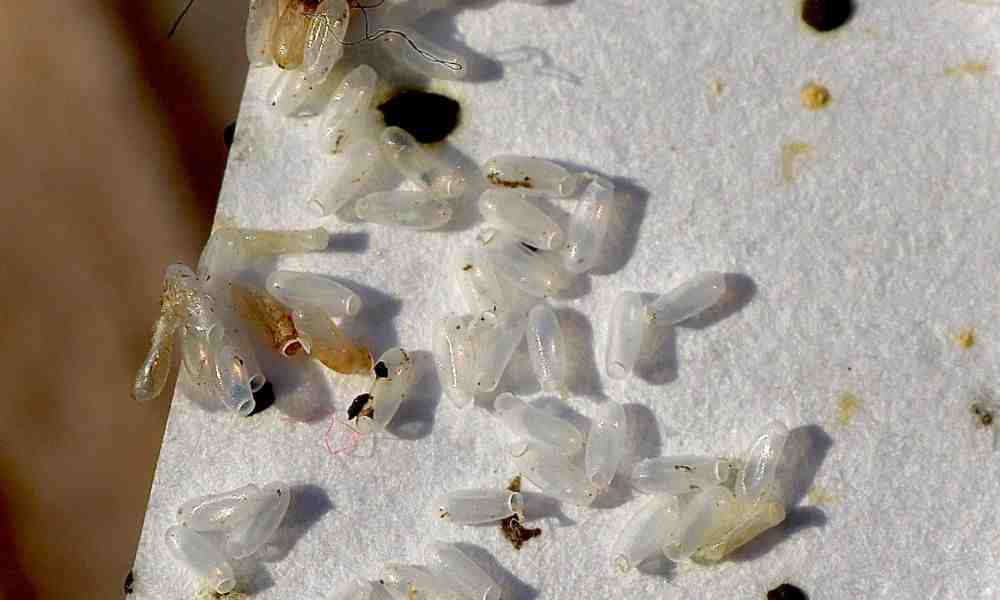
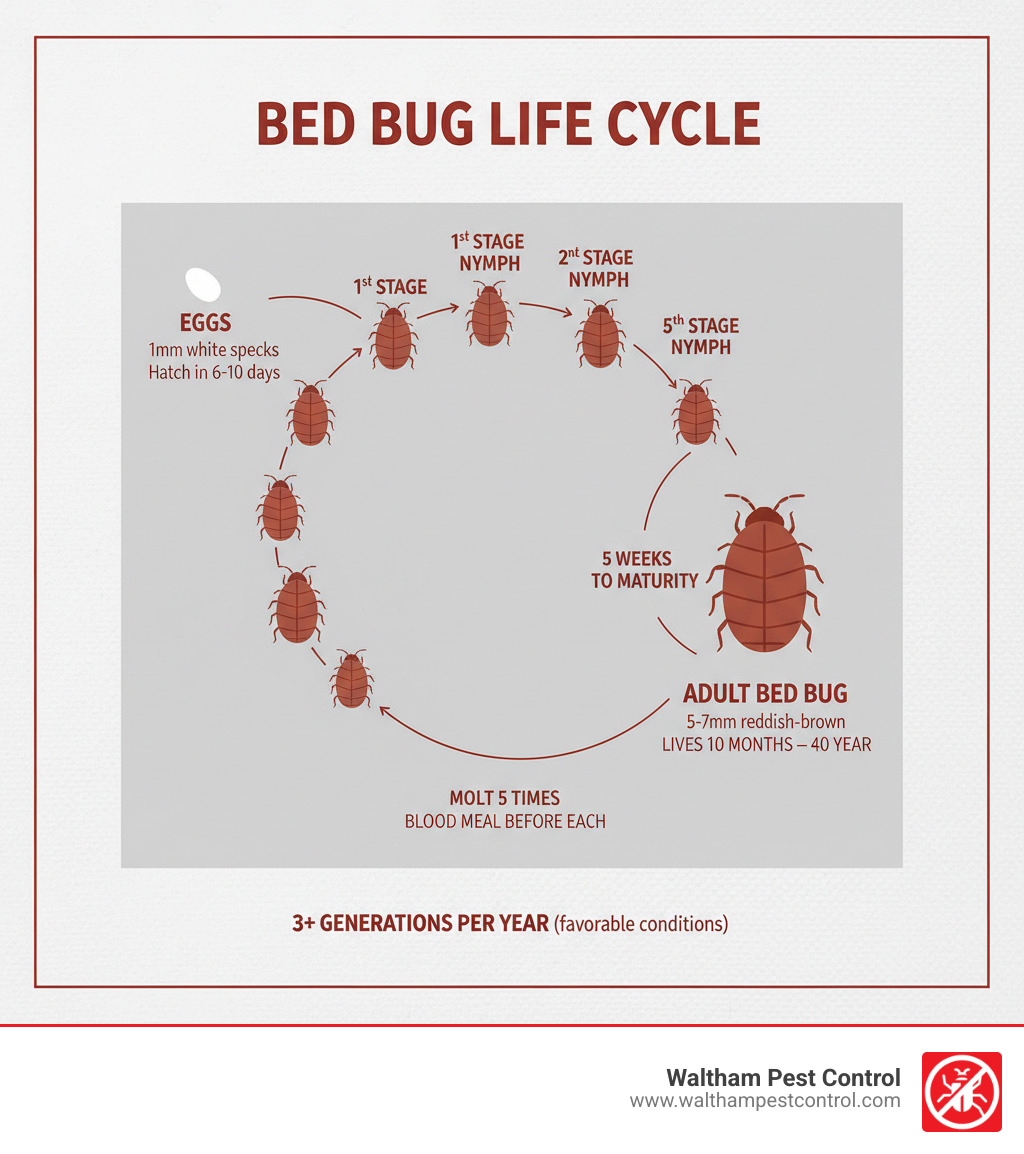
Adult bed bugs are reddish-brown, oval, and about the size of an apple seed (5mm). After feeding, they become swollen and redder. Young bed bugs (nymphs) are smaller and can appear translucent, making them nearly invisible. They can’t fly but move quickly when disturbed.
Often, the first signs of an infestation are not the bugs themselves. Look for:
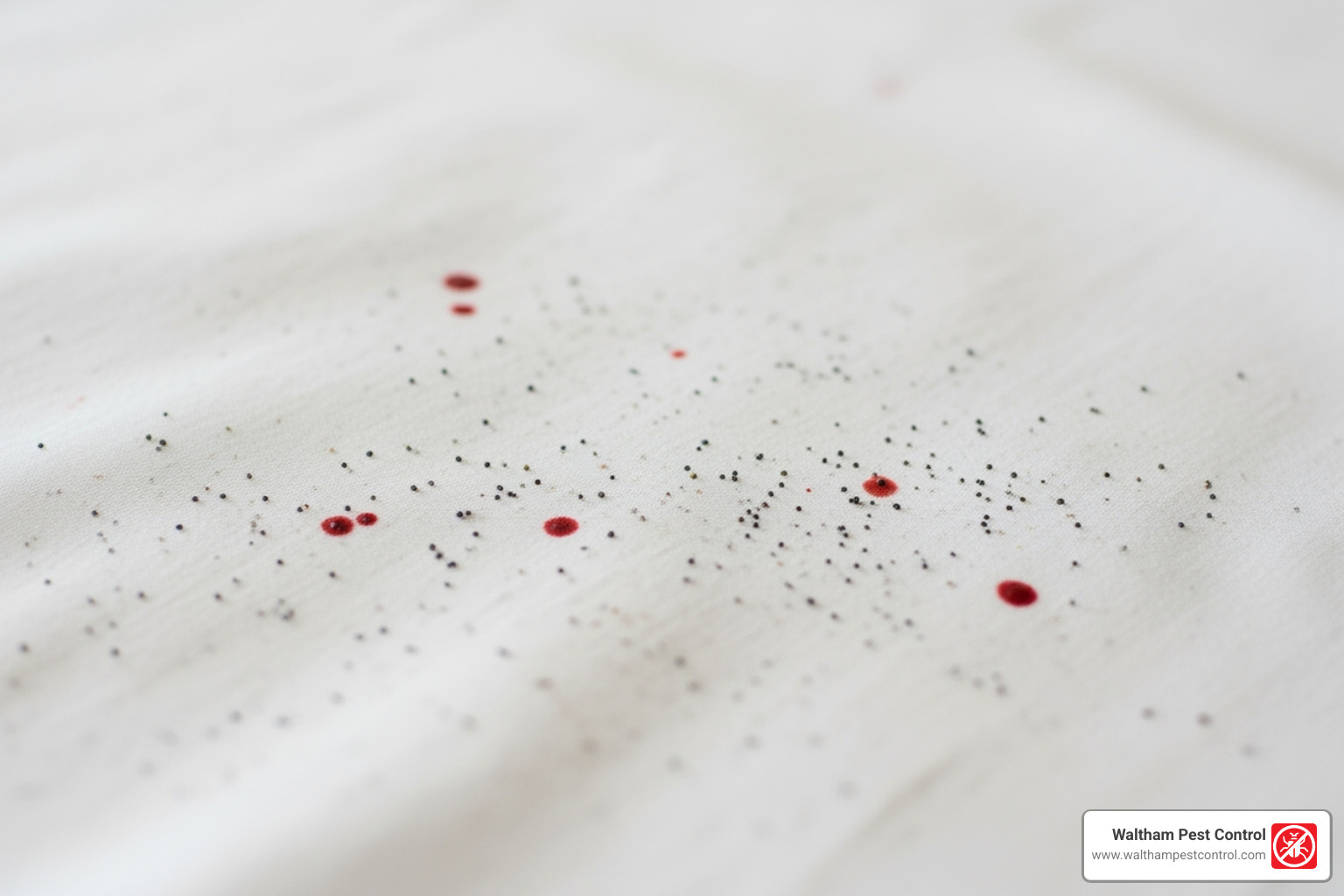
- Dark fecal specks on mattresses, sheets, and walls, resembling tiny ink dots.
- Pale, shed skins (casings) left behind as nymphs grow.
- Small, reddish-brown blood smears on bedding from crushed bugs.
- A musty, sweet odor in cases of severe infestation.
Bed bugs are expert hitchhikers and don’t infest homes because they are dirty. They spread by clinging to luggage and clothing from infested locations or by hiding in used furniture. In apartments, they can travel between units through wall voids and electrical outlets.
While not known to transmit diseases, their bites cause intense itching and discomfort. The biggest risks are secondary skin infections from scratching and the psychological toll of insomnia and anxiety. For more information, the CDC offers a guide on Caring for Patients with Bed Bug Bites.
What Do Bed Bug Bites Look Like?

Bed bug bites are typically small, red, itchy welts that often appear in lines or clusters, sometimes called a “breakfast, lunch, and dinner” pattern. They are most common on exposed skin during sleep, such as the arms, legs, neck, and face.
Reactions vary significantly from person to person; some show no reaction at all. A key challenge is that bite marks can take up to two weeks to develop, making it difficult to pinpoint when and where the exposure occurred. This is why professional expertise is often needed for bed bugs bed treatment.
Where to Check for Bed Bugs
Bed bugs prefer dark, secluded spots near their human hosts. Using a flashlight, conduct a methodical search, starting at the bed and working outward. Check these common hiding spots:
- Mattress seams, folds, and tags
- Box springs, especially the wooden frame and underneath the dust cover
- Cracks and joints in bed frames and headboards
- Gaps in baseboards and behind loose wallpaper
- Behind picture frames and inside electrical outlets
- Seams and tufts of upholstered furniture
- Underneath carpeting near walls
Remember the rule: if a credit card can fit into a space, so can a bed bug.
For more comprehensive information about bed bug behavior and identification, visit our detailed page at More info about bed bugs.
The Battle Plan: Preparing for a Bed Bugs Bed Treatment
Proper preparation is just as critical as the treatment itself. Skipping steps allows bed bugs to survive and re-infest, undermining even professional efforts. A well-prepared home ensures the treatment can reach every hiding spot.
Decluttering is your first line of defense. Remove all items from floors, especially under beds. Clutter provides countless hiding places for bed bugs. Discard what you don’t need to make treatment more effective.
Next, launder all fabrics. Wash all bedding, clothing, curtains, and other washable items in hot water (at least 120°F) for a minimum of 30 minutes. Then, dry everything on the highest heat setting for at least 30 minutes. The sustained heat kills both bugs and their eggs. As soon as items are dry, seal them in new, clean plastic bags and keep them sealed until your pest professional gives the all-clear.
Thoroughly vacuum every inch of your home. Use a vacuum with strong suction and a HEPA filter on floors, carpets, mattresses, and furniture. Pay close attention to seams, crevices, and baseboards. Immediately after vacuuming, remove the bag or empty the canister into a sealed plastic bag and dispose of it in an outdoor trash can.
Invest in bed bug-proof zippered encasements for your mattress and box spring. These are essential for trapping any bugs inside to starve and preventing new ones from burrowing in. Keep these encasements on for at least a year.
For items you can’t wash, such as books, electronics, and shoes, seal them in plastic bags. These items may need to stay sealed for several months to a year to ensure any trapped bugs starve. Alternatively, some items can be treated with sustained heat (120°F for 90 minutes in a sealed black bag in a hot car) or cold (0°F for at least four days), but you must use a thermometer to verify these temperatures.
Finally, prepare the space for technicians. Dismantle bed frames if possible, and move all furniture at least one foot away from the walls. Make arrangements for pets to be out of the house during treatment and until your professional advises it is safe to return.
Choosing Your Weapon: An Honest Look at Treatment Methods
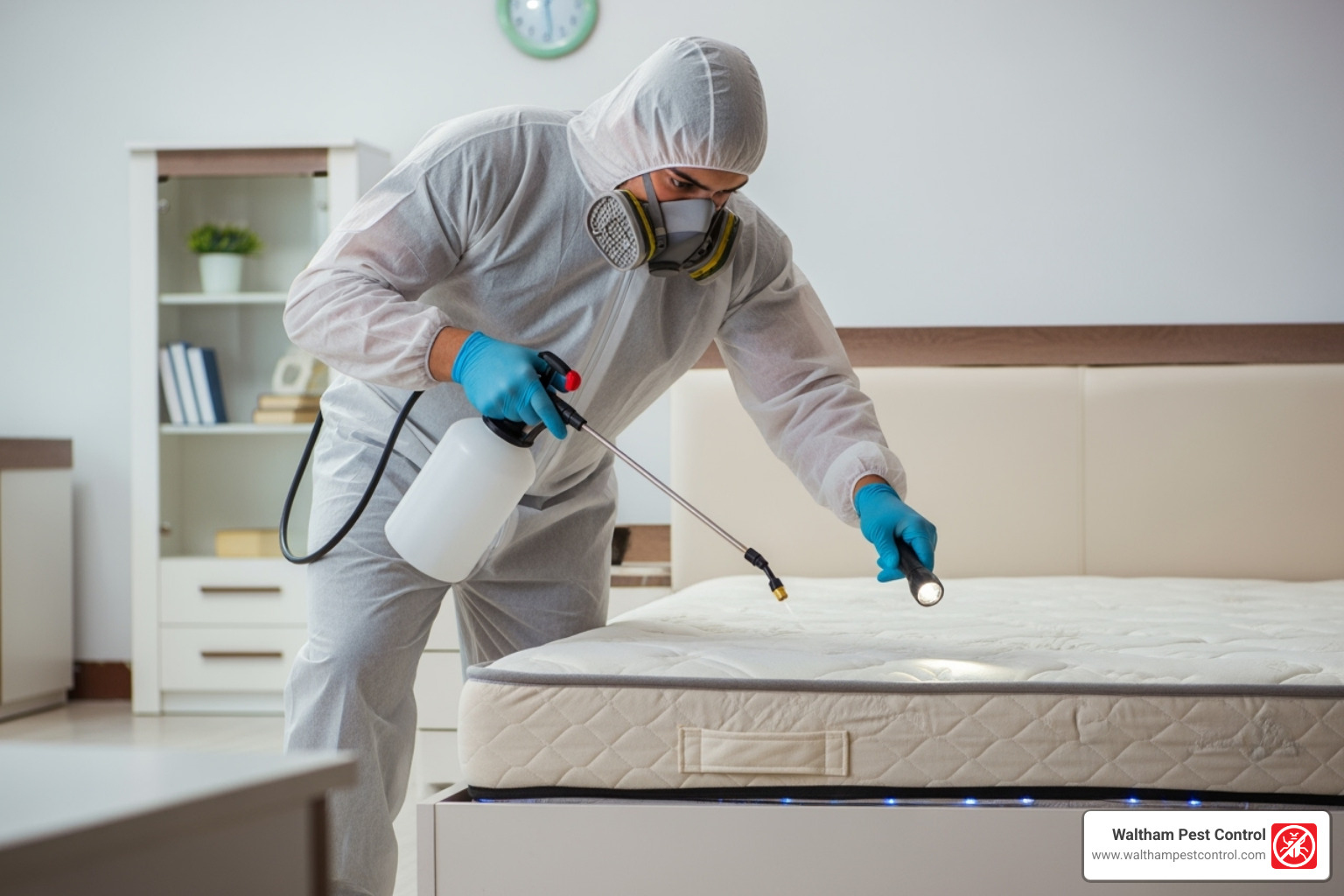
When facing an infestation, many homeowners wonder if they can handle it themselves. The truth is, bed bugs are notoriously difficult to eliminate. Their resilience, hiding ability, and resistance to common pesticides are why the CDC recommends professional help. The key to success is a comprehensive strategy known as Integrated Pest Management (IPM), which combines multiple tactics for long-term control. You can learn more about our philosophy on our IPM Program page.
Common DIY Approaches and Their Limitations
While well-intentioned, most DIY methods fall short of complete eradication.
- Steam cleaning and cold treatments can kill bugs on contact, but consumer-grade equipment often fails to reach or sustain the lethal temperatures (130°F for steam, 0°F for cold) needed to penetrate deep into furniture and kill all life stages.
- Over-the-counter sprays and foggers are largely ineffective. Many bed bug populations have developed resistance to the chemicals, and these products fail to reach the hidden cracks and crevices where bugs and their eggs are located. They can even scatter pests, making the problem worse.
- Diatomaceous earth can be effective, as it physically destroys a bug’s outer layer, but it is very slow-acting (taking months) and requires perfectly dry conditions.
For more on non-chemical options, see this non-chemical treatment options (PDF) guide.
Professional Bed Bugs Bed Treatment Solutions
Professional intervention is often the only way to guarantee complete elimination. At Waltham Pest Control, our IPM approach combines several powerful strategies for bed bugs bed treatment.
- Whole-Room Heat Treatments: We use specialized equipment to raise a room’s temperature to 135-145°F for several hours. This heat penetrates every crack and piece of furniture, killing all life stages of bed bugs, including chemical-resistant eggs.
- Professional-Grade Liquid Treatments: Our licensed technicians use EPA-registered insecticides not available to the public. These are applied precisely into cracks, crevices, and other known hiding spots to target bed bugs directly while minimizing exposure.
- Follow-Up Visits: Treatment is a process, not a single event. Two to four treatments are typically required to eliminate newly hatched nymphs and ensure the infestation is fully resolved.
Our team serves Eastern Massachusetts communities including Acton, Amesbury, Andover, Arlington, Belmont, Boston, Burlington, Cambridge, Concord, Lexington, Lowell, Newton, Peabody, Waltham, and Woburn.
Understanding the Cost of a Bed Bugs Bed Treatment
While DIY seems cheaper, failed attempts often lead to prolonged infestations and higher costs in the long run. Our professional treatment is an investment in a guaranteed solution.
| Feature | DIY Treatment | Waltham Pest Control |
|---|---|---|
| Effectiveness | Limited, rarely eradicates fully | High, aims for full eradication |
| Cost | Lower initial cost, but can escalate | Higher initial investment, but more cost-effective long-term |
| Time | Weeks to months of continuous effort | Weeks to months for full process, but less homeowner involvement |
| Safety | Risk of improper pesticide use | Trained technicians use EPA-registered products safely |
The cost of our professional treatment depends on the severity of the infestation, the size of your home, and the type of treatment used. Heat treatments, for example, are more labor-intensive and have a higher initial cost but are extremely effective. Because every infestation is unique, we provide a custom quote to ensure you get the most effective and cost-efficient solution. Investing in our professional guarantee provides peace of mind that the job will be done right.
After the Battle: Monitoring and Preventing Re-infestation
Winning the initial battle is just the beginning. Complete eradication can take weeks to months and requires ongoing vigilance for up to a year to ensure the pests are gone for good. The EPA recommends checking for activity at least every 7 days after treatment.
Bed bug interceptor traps are your best tool for monitoring. Placed under the legs of beds and furniture, these devices trap bugs as they travel to and from their hiding places. They provide a clear, early warning if any activity remains. Check and clean the traps weekly.
To prevent a future infestation, you must remain proactive. Take these key prevention steps:
- Seal Gaps: Use silicone caulk to seal cracks and crevices around baseboards, light switches, and pipe chases to eliminate hiding spots.
- Travel Smart: When staying in hotels, inspect the mattress and headboard before unpacking. Keep your luggage on a rack, not the floor. Upon returning home, immediately wash all travel clothing in hot water.
- Inspect Used Items: Be extremely cautious with second-hand furniture. Thoroughly inspect any used items before bringing them into your home, and avoid used mattresses altogether if possible.
- Reduce Clutter: A tidy home offers fewer hiding places for pests, making them easier to spot and treat if they return.
For more prevention strategies, the Bed bugs — National Pesticide Information Center is an excellent resource. With proper monitoring and prevention, you can reclaim your peace of mind and keep your home bed bug-free.
Frequently Asked Questions about Bed Bug Treatment
With over 40 years of experience, we’ve heard every question about bed bugs bed treatment. Here are answers to the most common concerns.
Can bed bugs live in places other than my bed?
Yes, absolutely. Despite their name, bed bugs will hide in any dark, secluded spot near their human host. Common hiding places include sofas, chairs, baseboards, electrical outlets, behind picture frames, and inside dressers. They travel to the bed to feed, then retreat to these harborages. This is why treatment must be comprehensive, covering the entire room, not just the bed.
How long can bed bugs live without feeding?
Bed bugs are incredibly resilient. An adult can survive for several months to over a year without a blood meal, especially in cooler temperatures. This remarkable survival skill is why infestations can persist in vacant homes and why simply leaving a room empty for a few weeks will not solve the problem. It also explains why non-chemical treatments, like sealing items in bags, require such a long time to be effective.
Are professional chemical treatments safe for my family and pets?
Yes, when applied correctly by licensed, trained technicians. At Waltham Pest Control, we use EPA-registered products specifically approved for indoor residential use. Our technicians are trained to apply these treatments precisely into cracks, crevices, and other areas where bed bugs hide, minimizing any potential exposure to your family and pets.
As a standard safety precaution, we require that people and pets vacate the treated area during application and remain out until the product has completely dried, which typically takes a few hours. Our commitment to Integrated Pest Management (IPM) ensures we always balance maximum effectiveness with the health and safety of your household.
Conclusion: Reclaiming Your Peace of Mind
Losing sleep over an infestation is exhausting. You now have the knowledge to fight back, but it’s a tough battle. Bed bugs bed treatment is a comprehensive process involving identification, intense preparation, professional treatment, and long-term monitoring.
While your preparation is vital, complete eradication usually requires professional expertise. Tools like whole-room heat treatments and targeted, EPA-registered products are what make the difference between temporary relief and a permanent solution.
For residents in Eastern Massachusetts—from Burlington and Waltham to Cambridge and Lowell—Waltham Pest Control is your local partner. With over 40 years of experience, we provide licensed, insured, and effective solutions to restore comfort to your home.
You deserve to sleep soundly again. Your home should be your sanctuary, not a source of anxiety. Don’t let bed bugs steal another night’s rest. Take the first step today. Contact us for a professional bed bug inspection and treatment plan, and let’s work together to get your home back.