

Exterminator for Ticks: Expert 2025 Safety
Understanding the Tick Threat in Your Yard
If you’re dealing with ticks on your property, an exterminator for ticks can provide professional treatment services that typically include property inspection, targeted barrier treatments, and ongoing monitoring to reduce tick populations by up to 95% in treated areas.
What Professional Tick Exterminators Offer:
- Property inspection to identify tick habitats and species
- Liquid barrier treatments around property perimeters
- Granular applications in high-risk areas like tall grass and leaf litter
- Regular monitoring and follow-up treatments every 21-30 days during peak season
- Integrated pest management approaches combining chemical and habitat modification
Ticks aren’t just a nuisance – they’re dangerous parasites that can transmit serious diseases like Lyme disease, Rocky Mountain spotted fever, and anaplasmosis. In Massachusetts, up to 50% of black-legged ticks carry Lyme disease, making professional tick control essential for protecting your family and pets.
These tiny arachnids hide in tall grass, leaf litter, and shaded areas around your property, waiting to latch onto passing hosts. Unlike other pests that you might spot easily, ticks can be as small as a poppy seed and often go unnoticed until it’s too late.
I’m Waltham Pest Control, President & CEO of Waltham Pest Control, and I’ve been helping Massachusetts homeowners tackle tick problems for over 40 years. Our licensed team understands that finding the right exterminator for ticks is crucial for creating a safe outdoor environment where your family can enjoy their yard without worry.
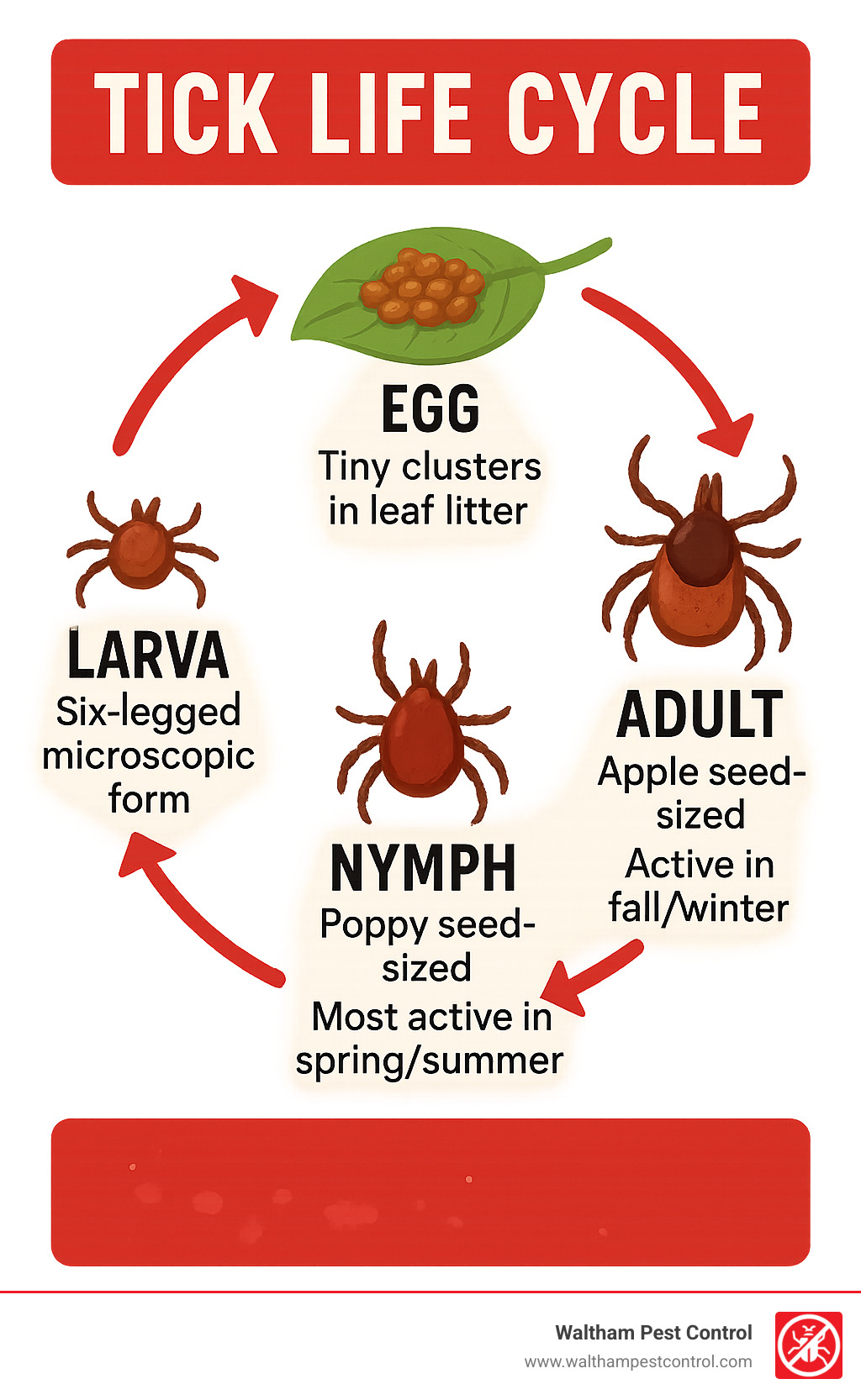
Simple guide to exterminator for ticks terms:
The Dangers Lurking in Your Lawn: Why Ticks Are a Serious Concern
Let’s be honest – ticks are more than just creepy little critters that make your skin crawl. These tiny parasites pose a real threat to your family’s health, and they’re probably closer than you think. When you’re looking for an exterminator for ticks, you’re not just dealing with a pest problem – you’re protecting your loved ones from serious diseases.
Ticks are arachnids, not insects, which means they’re actually related to spiders and have eight legs once they mature. These external parasites survive by feeding on blood from humans, pets, and wildlife. Think of them as unwelcome dinner guests who never leave and potentially make you sick in the process.
The real danger isn’t the tick bite itself – it’s what these parasites can transmit. Ticks can carry several harmful diseases, and here in Eastern Massachusetts, we’re dealing with some particularly concerning statistics. Up to 50% of black-legged ticks in our area carry Lyme disease, making every outdoor activity a potential health risk.
Lyme disease is probably the tick-borne illness you’ve heard most about, and for good reason. Caused by the bacterium Borrelia burgdorferi, this disease can start with that distinctive bull’s-eye rash but can progress to affect your joints, heart, and nervous system if left untreated. The scary part? Not everyone gets the telltale rash, making diagnosis tricky.
But Lyme disease isn’t your only concern. Rocky Mountain spotted fever can cause fever, headache, and rash, while anaplasmosis brings on flu-like symptoms that can knock you off your feet. Babesiosis attacks your red blood cells, and the rare but serious Powassan virus has no specific treatment or cure.
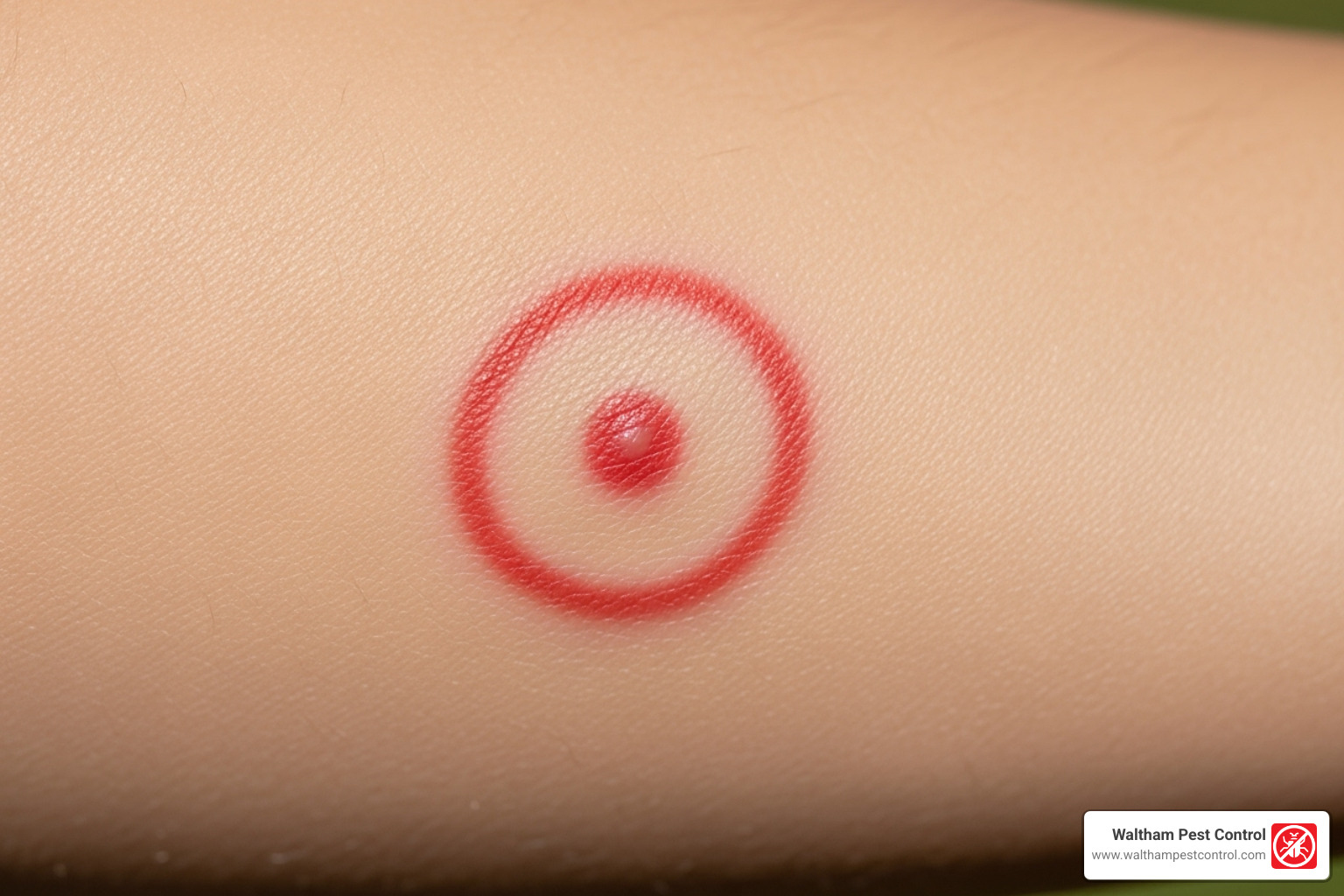
Here’s what makes ticks particularly dangerous: they need to stay attached for 24 to 36 hours before disease transmission typically occurs. This means you might not even notice you’ve been bitten until it’s too late. Most symptoms begin within days to weeks after a bite, and by then, the tick is long gone.
Your pets aren’t safe either. Dogs can contract Lyme disease, and while they can’t directly pass it to you, they can bring infected ticks right into your home. It’s like having a furry taxi service for disease-carrying parasites – not exactly what you signed up for when you got that cute puppy.
The bottom line? When you’re dealing with ticks, you’re not just fighting a pest problem – you’re protecting your family’s health and quality of life. Understanding these dangers is the first step toward taking action. You can learn more about pest ticks and why professional treatment makes such a difference in keeping your property safe.
Where Ticks Hide: Identifying High-Risk Zones on Your Property
Picture this: you’re enjoying a beautiful summer evening in your backyard when suddenly you spot a tiny, dark speck crawling up your leg. That’s a tick, and it didn’t just randomly appear there. These sneaky little arachnids are strategic about where they hang out, and understanding their favorite hiding spots is your first line of defense.
Ticks can’t fly or jump like other pests – they’re more like patient hitchhikers. They use a behavior called questing, which sounds fancy but is actually quite simple. They climb up on vegetation, extend their front legs, and wait for you, your kids, or your pets to brush by. Once they make contact, they grab on faster than you can say “tick check.”
The key to protecting your family is knowing where these unwelcome guests like to set up camp. Tall grass and overgrown vegetation are tick paradise. They love unmowed areas, meadow-like sections of your yard, and especially those edges where your lawn meets wooded areas. If you’ve got sections of your property that look a bit wild, that’s where an exterminator for ticks will focus their attention first.
Leaf litter might look harmless, but it’s actually tick central. Those piles of decomposing leaves create the perfect moist, sheltered environment that ticks crave. The same goes for woodpiles, brush piles, and stone walls. Stone walls are particularly problematic because they’re like luxury condos for small rodents – and where rodents go, ticks follow.
Don’t forget about those shady, moist areas around your property. Ticks are surprisingly sensitive to drying out, so they gravitate toward humid spots away from direct sunlight. Dense shrubbery, ornamental plantings, and areas under decks or sheds become tick hideouts. Even your dog’s favorite shady spot under the porch could be harboring these pests.
Property perimeters are tick highways. That transition zone between your well-maintained lawn and natural areas is often where you’ll find the highest concentration of ticks. We typically see them in a band about 10 feet wide around property lines, especially near wooded areas or overgrown neighboring properties.
Here’s something that might surprise you: wildlife brings ticks right to your doorstep. While deer get most of the blame, small animals like white-footed mice, chipmunks, squirrels, and raccoons are actually the main culprits for spreading ticks around your yard. These critters don’t just visit – they drop off ticks as they move through your property, creating new problem areas you might not expect.

The good news? Once you know where ticks like to hang out, you can take targeted action. Professional tick control focuses on these high-risk zones rather than treating your entire property, making treatments more effective and efficient. By understanding tick behavior and habitat preferences, we can create a barrier that significantly reduces the tick population where your family spends time.
For more comprehensive strategies on keeping your outdoor spaces safe, check out our tips for a safe and enjoyable summer.
The Professional Solution: What an Exterminator for Ticks Can Do for You
Picture this: you’re hosting a summer barbecue, and instead of worrying about whether your guests might pick up ticks from your yard, you’re actually relaxing and enjoying the party. That’s the peace of mind that comes with professional tick control.
When you’re dealing with ticks, you’re not just battling a backyard nuisance – you’re protecting your family from serious health risks. While you can certainly try to tackle ticks yourself, bringing in a professional exterminator for ticks gives you something that’s hard to put a price on: the confidence that your outdoor spaces are truly safe.
At Waltham Pest Control, we’ve been helping Massachusetts families reclaim their yards for over 40 years. Our comprehensive tick management programs go far beyond a simple spray-and-pray approach. We understand that every property is unique, which is why our Residential Pest Control services are custom to the specific challenges of Eastern Massachusetts landscapes.
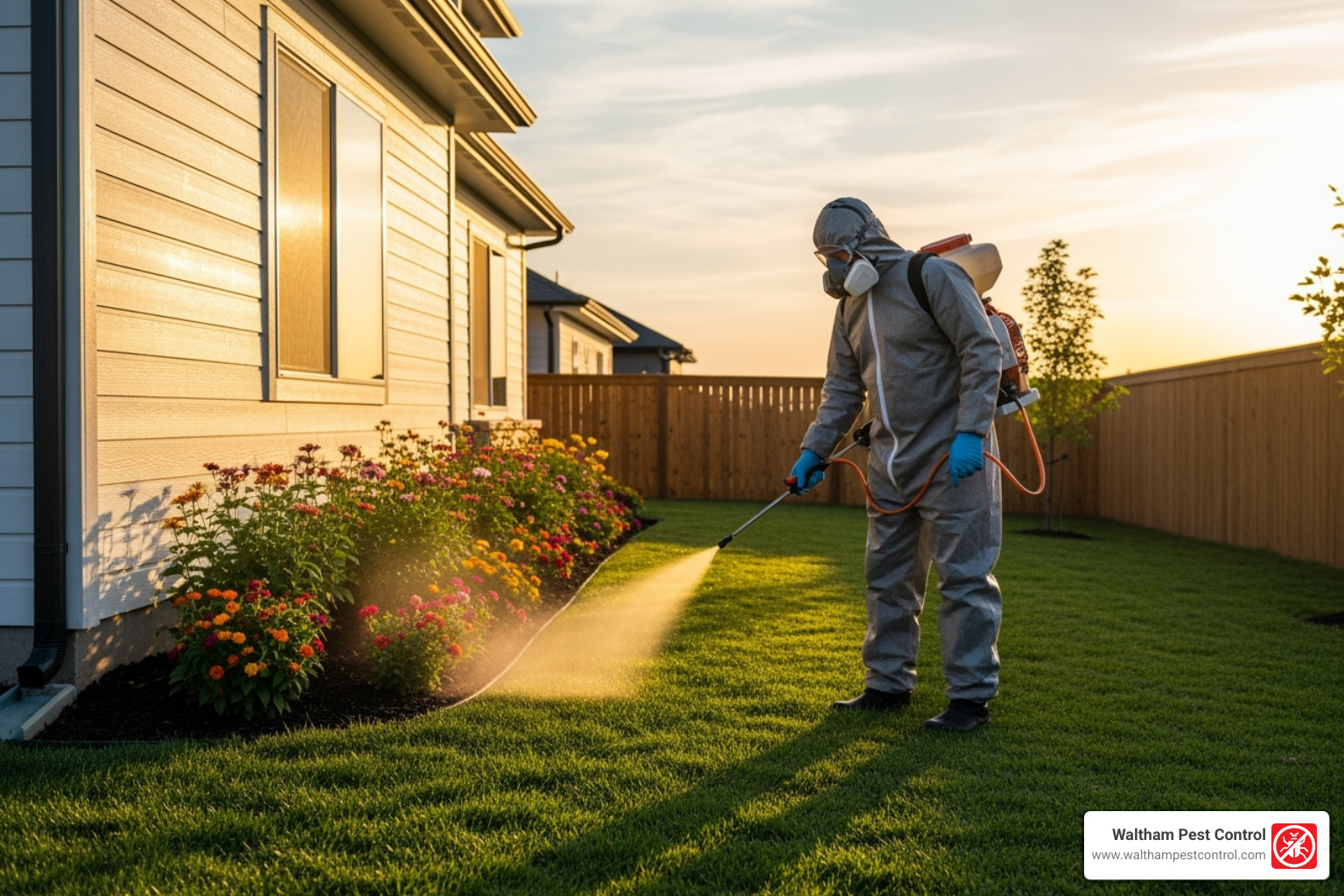
The Professional Tick Control Process: From Inspection to Fortification
When you call us to be your exterminator for ticks, you’re getting a systematic approach that’s backed by decades of experience. We don’t just show up and start spraying – we take the time to understand your property’s unique tick challenges.
Our process starts with a thorough inspection where our licensed technicians walk your entire property with a trained eye. We’re not just looking for ticks themselves; we’re identifying their favorite hiding spots, checking the density of your vegetation, and noting areas where wildlife might be bringing ticks onto your property. Different tick species have different behaviors, so we also identify exactly which types you’re dealing with.
Once we understand your property’s tick situation, we develop a customized treatment plan. This isn’t a cookie-cutter solution – it’s a strategy designed specifically for your landscape and the level of tick pressure you’re facing.
The actual treatment involves targeted applications to all those high-risk areas we identified during inspection. We focus on property perimeters, wooded edges, tall grass areas, leaf litter, and spots around structures like sheds and stone walls. Our goal is creating an effective barrier that reduces tick populations right where they live and breed.
But we don’t stop there. As part of our Integrated Pest Management approach, we provide practical recommendations for making your landscape less attractive to ticks. This might include advice on lawn maintenance, clearing debris, or creating buffer zones. You can learn more about Our IPM Program on our website.
Finally, we monitor how well our treatments are working and schedule follow-up visits as needed. Tick control is an ongoing process, especially during peak seasons, so we stay committed to keeping your property protected.
A Look at Professional Tick Treatment Methods
We have several proven methods in our toolkit, and we choose the right combination based on your specific situation and preferences.
Liquid treatments are often our most effective option. We use environmentally conscious formulations applied as a targeted spray to high tick activity areas. These treatments work quickly and effectively while using low concentrations to minimize environmental impact. Our technicians typically apply a protective band around property perimeters, focusing on treed and grassy areas, pathways, and vegetation lines.
Granular applications work well in certain situations, particularly in areas where liquid treatments might not be ideal or where you need longer-lasting residual control.
Barrier sprays create a protective zone around your property. By treating the perimeter and key harborage areas, we establish a barrier that significantly reduces ticks from entering your usable outdoor spaces.
Habitat modification is a cornerstone of our strategy, even though it doesn’t involve chemicals. By advising you on removing leaf litter, trimming overgrown vegetation, and discouraging wildlife, we eliminate the environments ticks need to thrive. This makes your property naturally less inviting to ticks and their hosts.
For environmentally conscious homeowners, we offer Green Pest Control options that minimize environmental impact while still delivering powerful tick control.
Treatment Frequency and Safety: What Every Homeowner Should Know
Here’s what you need to know about timing: professional tick control treatments work best when applied every 21-30 days during the warmer months when ticks are most active. Our treatments typically last between 3 to 6 weeks, depending on environmental factors like rainfall and how often you cut your grass.
We usually schedule the first treatment in early spring and continue through late fall to cover the full active season for both nymphal and adult ticks. This timing ensures you’re protected during peak tick season when the risk is highest.
Safety is our top priority. Our licensed technicians are trained to apply treatments with complete safety for your family and pets in mind. We use products that, when applied correctly, are safe for humans, pets, birds, and other wildlife. We’ll always let you know about re-entry times for treated areas – typically, we recommend that pets and children stay off treated areas until they’re dry, which usually takes just a few hours.
We follow all safety guidelines to ensure your family’s well-being. You can learn more about our commitment to Child Safe Pest Control on our website.
Why Hiring a Professional Exterminator for Ticks Beats DIY
Let’s be honest – when it comes to tick control, the DIY route often leads to frustration and continued risk. There’s a good reason why hiring a professional exterminator for ticks makes sense.
Effectiveness is the biggest advantage. We have the expertise to identify all tick species and understand their specific behaviors, ensuring the most effective treatment possible. In one case study, we saw a 95% drop in tick sightings within the first month of professional treatment. Most of our clients notice fewer ticks within just a few days, with full effectiveness appearing after three weeks.
Safety is another crucial factor. Applying pesticides requires precise knowledge to be both safe and effective. Our licensed technicians are trained in proper handling and application, minimizing risks to your family, pets, and the environment. While DIY spraying might seem cost-effective, it requires professional knowledge to avoid safety issues.
With over 40 years of expertise and experience in pest management, we understand the unique challenges of tick control in Eastern Massachusetts. We know where ticks hide, how they behave, and the most effective strategies to eliminate them. This includes understanding how other pests, like rodents, can harbor and transport ticks onto your property.
Our professional-grade equipment ensures even and thorough coverage, reaching areas that consumer sprayers simply cannot access effectively.
Most importantly, our comprehensive programs are designed for long-term results, not just temporary fixes. Our follow-up treatments and habitat modification recommendations create sustained tick reduction. Choosing the wrong treatment or using it incorrectly can result in re-infestation, which is why professional expertise matters.
Perhaps the best benefit is peace of mind. Knowing that your property is being managed by experts allows you to actually relax and enjoy your outdoor spaces without constantly worrying about tick bites.
For more compelling reasons to choose professional pest control, read our article on reasons to trust professionals for pest removal.
Proactive Prevention: Homeowner Tips to Support Your Tick Control Program
While hiring a professional exterminator for ticks provides the most effective protection, you can significantly boost those results through smart yard maintenance and landscaping choices. Think of these steps as creating a fortress around your home – every action you take makes your property less welcoming to ticks and their wildlife hosts.
Keep your grass short and your borders clean. Regular mowing is one of your best defenses against ticks. These parasites love tall grass where they can easily climb up and wait for passing hosts. Aim to keep your lawn trimmed to about 3 inches, paying special attention to areas where your family and pets spend the most time.
Remove the hiding spots ticks love most. Leaf litter, brush piles, and organic debris create the perfect moist, sheltered environment for ticks to thrive. Make it a habit to rake up fallen leaves, especially around your home’s foundation and along wooded edges. That pile of branches you’ve been meaning to clear? It’s basically a tick hotel.
Create a barrier zone between your lawn and wild areas. A 3-foot-wide strip of wood chips, gravel, or mulch acts like a moat around your property. Ticks hate crossing these dry, open spaces, making this simple addition surprisingly effective at keeping them out of your main yard areas.
Trim back vegetation strategically. Dense shrubs and overhanging branches create shaded pathways that ticks use to travel through your yard. Keep plants trimmed back from walkways, play areas, and your home’s perimeter. This also improves air circulation, making areas less humid and less attractive to ticks.
Position play areas and pet spaces wisely. Place swing sets, sandboxes, and your dog’s favorite lounging spots away from yard edges and wooded areas. The center of your lawn, where it’s sunny and well-maintained, is naturally the safest zone for family activities.
Make your yard less attractive to tick-carrying wildlife. Remove wood piles, stone walls, and other structures that provide shelter for rodents and other small animals. Keep bird feeders away from high-traffic areas, and consider fencing if deer are frequent visitors to your property.
These maintenance practices work hand-in-hand with professional treatments to create a comprehensive defense system. You’re not just maintaining your landscape – you’re actively protecting your family’s health. For more detailed strategies on creating a tick-safe environment, visit our guide on how to treat your yard for ticks.
Frequently Asked Questions About Professional Tick Extermination
When you’re considering professional tick control, it’s natural to have questions about the process, costs, and what to expect. Over my 40 years in pest management, I’ve helped thousands of homeowners steer these concerns. Let me address the most common questions we hear.
How much does it cost to hire an exterminator for ticks?
The investment in professional tick control varies based on several key factors that affect the complexity and scope of treatment needed. Property size is the most obvious factor – treating a quarter-acre suburban lot requires different resources than managing a multi-acre property. The severity of your tick problem also plays a major role; a preventative treatment costs less than addressing an established infestation.
Your specific treatment plan will influence pricing as well. Some homeowners need basic perimeter treatments, while others require comprehensive programs that include habitat modification, multiple application methods, and frequent monitoring visits throughout the season.
Based on online research, average costs for professional tick control can range from $150 to over $600 per treatment, though these figures represent general market data and not Waltham Pest Control’s specific pricing. For year-round protection programs with multiple seasonal applications, annual costs will naturally be higher.
Here’s the important part: every property is unique, and cookie-cutter pricing rarely reflects what you’ll actually need. That’s why we always start with a thorough property assessment before providing any cost estimates. You can request a Pest Control Estimate through our website, and we’ll give you a personalized quote based on your specific situation.
How quickly will I see results after a professional tick treatment?
This is probably the question I get asked most often, and I understand why – when you’re worried about tick-borne diseases, you want relief fast. The good news is that our professional treatments work quickly.
You’ll typically notice a reduction in tick activity within just a few days of treatment. The products we use are designed to be fast-acting, immediately impacting existing tick populations in treated areas. However, for the full effectiveness that really gives you peace of mind, plan on about three weeks.
Why the three-week timeline? Ticks don’t all emerge at once, and some may be hiding in areas that take time to encounter the treatment. The three-week period allows the active ingredients to fully integrate into the environment and ensures that ticks moving through your property come into contact with treated areas.
One of our most impressive case studies showed a 95% drop in tick sightings within the first month of starting a professional control program. That’s the kind of dramatic improvement that lets families actually enjoy their backyards again.
Maintaining these results requires regular follow-up treatments, especially during peak tick season from spring through fall. Our Tick Spray Services page has more details about our ongoing protection programs.
What should I do if I find a tick on myself or a pet?
Finding a tick attached to you or your pet can be scary, but staying calm and acting correctly makes all the difference. I’ve walked countless clients through this process, and proper removal technique is crucial for reducing disease transmission risk.
Remove the tick promptly using fine-tipped tweezers. This is important – don’t use your fingers, matches, or folk remedies like petroleum jelly. Grasp the tick as close to your skin’s surface as possible, getting a good grip on the head and mouthparts.
Pull steadily upward with even pressure. Don’t twist, jerk, or squeeze the tick’s body, as this can cause the mouthparts to break off in your skin or force infected fluids into the bite wound. Think of it like removing a splinter – slow and steady wins the race.
Clean everything thoroughly after removal. Use rubbing alcohol, iodine scrub, or soap and water on both the bite area and your hands. Dispose of the tick by placing it in a sealed bag, container with rubbing alcohol, or flushing it down the toilet.
Monitor for symptoms over the following weeks. Watch for rashes (especially the telltale bull’s-eye pattern), fever, headache, fatigue, or body aches. If any symptoms develop, contact your healthcare provider immediately and mention the tick bite. For pets, call your veterinarian if you notice changes in behavior, appetite, or energy levels.
The CDC advice on tick removal and prevention provides additional detailed guidance on proper tick removal and what to watch for afterward.
Conclusion: Reclaim Your Yard with Expert Tick Control
Your backyard should be a place of joy and relaxation, not a source of constant worry about tick-borne diseases. The reality is that ticks pose a genuine threat to your family’s health and your pets’ well-being, but with the right professional help, you can transform your outdoor spaces back into the safe havens they should be.
Throughout this guide, we’ve explored how ticks hide in the most unexpected places on your property, from that pile of leaves you’ve been meaning to clear to the shaded areas under your deck. We’ve discussed the serious health risks they carry – Lyme disease, Rocky Mountain spotted fever, and anaplasmosis – and how these tiny parasites can turn a simple afternoon in the garden into a potential health crisis.
But here’s the good news: you don’t have to live with this threat. A professional exterminator for ticks brings expertise, proper equipment, and proven treatment methods that DIY approaches simply can’t match. Our comprehensive approach combines targeted barrier treatments, habitat modification, and ongoing monitoring to create a protective shield around your property.
At Waltham Pest Control, we’ve been protecting Eastern Massachusetts families for over 40 years. Our licensed and insured technicians understand the unique challenges of tick control in our region, from the dense woodlands of Burlington to the suburban landscapes throughout our service area. We don’t just spray and hope for the best – we inspect, identify, treat, and monitor to ensure lasting results.
The investment in professional tick control pays dividends in peace of mind. Imagine hosting that backyard barbecue without constantly checking your guests for ticks, or watching your children play freely in the yard without that nagging worry. That’s the freedom that comes with expert tick management.
Your family’s safety is worth more than the risk of hoping ticks will stay away on their own. With our science-backed treatments and integrated pest management approach, we can help you reclaim your outdoor spaces and get back to making memories in your yard.
Ready to take the first step towards a tick-free yard? Get a free inspection for your home today and find how we can help you enjoy your property with confidence again.
