

Clearing Wasps Nests: Top 5 Safe and Effective Tips

Clearing wasps nests from your property doesn’t need to be daunting if you approach it with the right information and techniques. Wasps are more than just a nuisance; they can be aggressive and pose health risks, especially if you’re allergic to their stings. If you’re noticing frequent wasp activity or already have nests on your premises, here’s what you need to know in a nutshell:
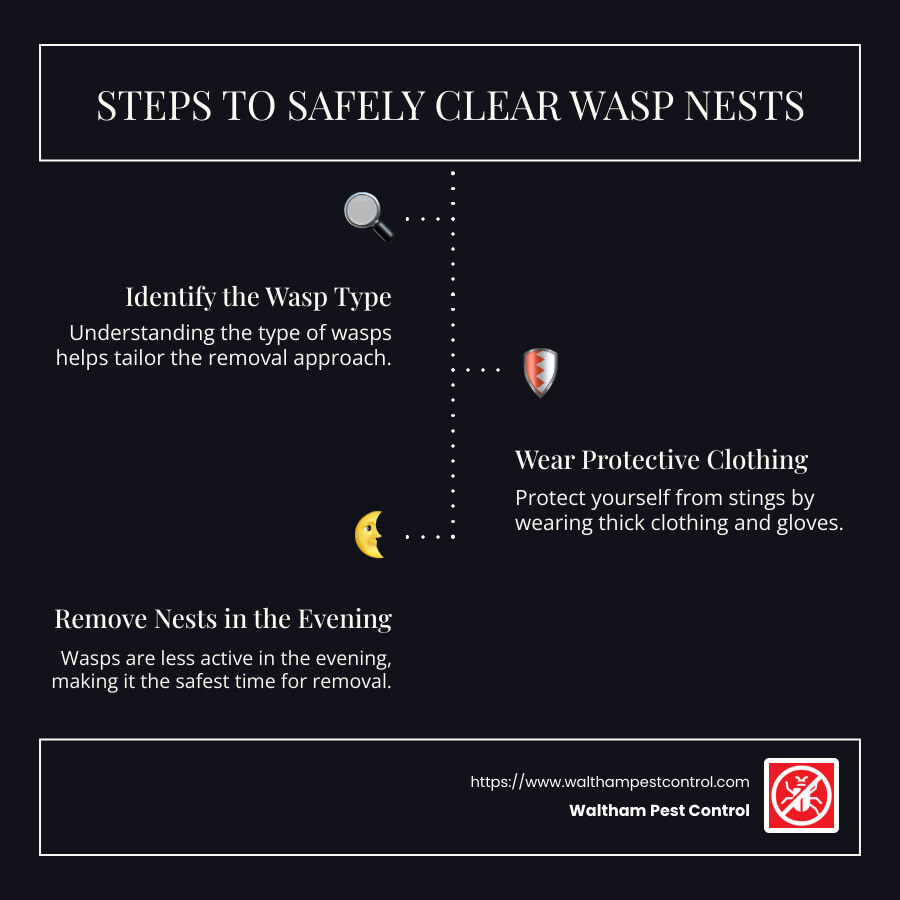
- Identify the type of wasp to tailor your approach
- Wear protective clothing to avoid stings
- Remove nests in the evening, when wasps are less active
- Consider professional help for safety and effectiveness
Understanding the nature of wasps and their nesting habits is crucial for successful removal. Wasps, like the yellowjackets and paper wasps, often build their homes in eaves, attics, or underground, making professional assistance a wise choice if you’re unsure.
I’m Waltham Pest Control, President & CEO of Waltham Pest Control. With over 40 years of experience in clearing wasps nests, our company has honed the best practices for handling these pests. Let’s dig into how you can manage wasp nests safely and effectively.
Clearing wasps nests helpful reading:
– hornet nest removal
– how to remove wasp nest
– wasp pest control
Understanding Wasp Behavior
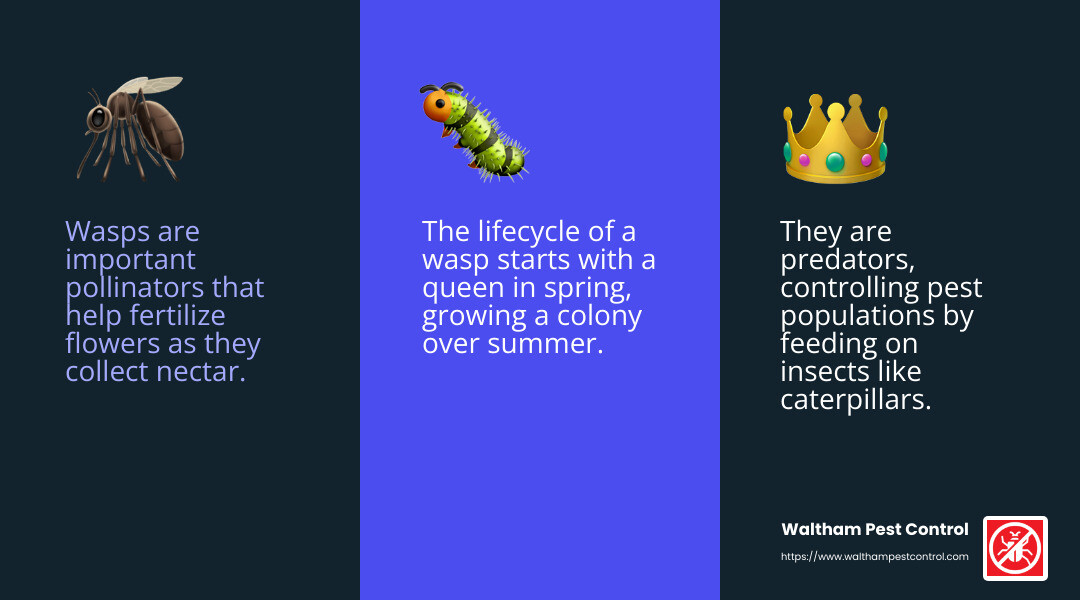
Wasps are fascinating creatures that play important roles in nature. Pollination is one of the key benefits they provide. Much like bees, wasps help pollinate plants as they move from flower to flower. This is especially true for certain species like the paper wasp.
However, wasps are also predators. They control pest populations by feeding on insects like caterpillars and flies. This makes them beneficial for gardens and farms, where they act as natural pest control agents.
The lifecycle of a wasp is similar to that of a bee. It begins with a queen who survives the winter in hibernation. She starts a new colony in the spring. The nest grows throughout the summer, housing thousands of wasps by the end of the season. By autumn, the colony dies off except for the newly born queens, who hibernate and start the cycle again next year.
Understanding these behaviors can make clearing wasps nests less intimidating. Knowing when wasps are active or dormant helps determine the best time for removal. For example, wasp nests are typically abandoned by late autumn, making winter an ideal time for removal when the nest is inactive.
Recognizing wasps as both pollinators and predators provides a balanced view of these insects. While they can be a nuisance, they also contribute positively to the environment. If you find a nest, consider whether it’s causing harm or if it can be left alone to benefit your garden.
Transitioning to the next section, let’s explore how to safely clear wasp nests, whether through DIY methods or professional help.
Clearing Wasp Nests Safely
When it comes to clearing wasp nests, safety is paramount. Wasps can be aggressive, especially when they feel their nest is threatened. Here are some essential tips to ensure a safe removal process.
Protective Clothing
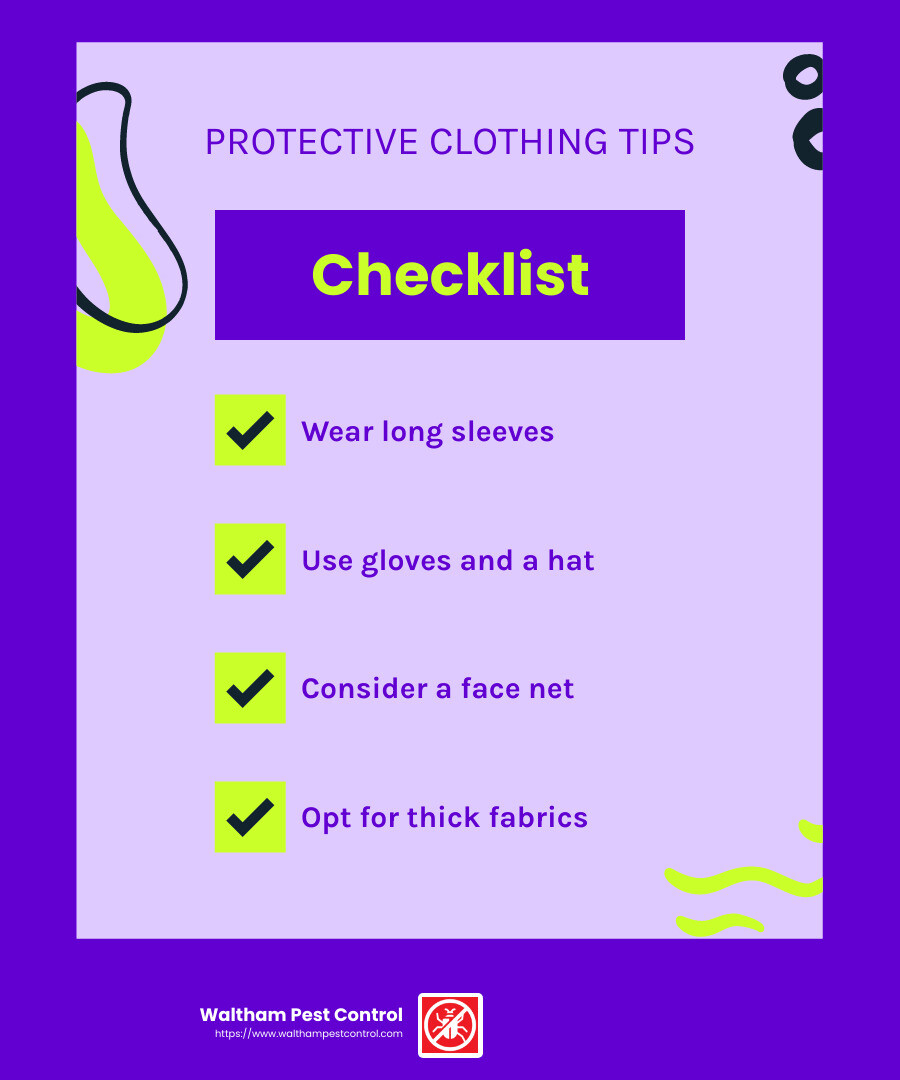
Always wear protective clothing when approaching a wasp nest. This includes long sleeves, gloves, and a hat. Consider wearing a veil or face net to protect your face from stings. Thick fabrics are best, as wasp stingers can penetrate thin materials.
Evening Removal
Timing is crucial. The best time to remove a wasp nest is in the evening. Wasps are less active at night and are more likely to be inside the nest, making them easier to manage. This reduces the risk of getting stung by wasps flying around.
Insect Identification
Before taking any action, ensure that you’re dealing with wasps and not another insect, like bees. Wasps are generally more slender and have fewer hairs than bees. They also have a more pronounced waist. Correct identification is crucial because different insects require different handling methods.
For those unsure about the type of insect, consider consulting a local expert or using online resources to help with identification.
By following these guidelines, you can approach the task of clearing wasp nests with confidence and care. Whether you choose to handle it yourself or call in professionals, safety should always be the top priority.
Next, let’s dig into some DIY methods for those who prefer to tackle wasp nest removal on their own.
DIY Methods for Clearing Wasp Nests
For those who prefer a hands-on approach to clearing wasp nests, there are several DIY methods you can try. These methods use common household items and are a good option for smaller nests. However, always prioritize safety and consider professional help for larger infestations.
Boiling Water
Boiling water is a simple yet effective method to eliminate wasps. Carefully pour boiling water directly onto the nest. This method works best for ground nests where you can easily reach the entrance. Be cautious when using this approach, as wasps may become aggressive if disturbed.
Peppermint Oil
Wasps dislike the strong scent of peppermint oil. Mix a few drops of peppermint oil with water in a spray bottle. Spray this mixture generously around the nest and on the wasps. This will encourage them to leave the area. It’s a natural and non-toxic way to deter wasps, but it may take several applications to be effective.
Dish Soap
Dish soap is another household item that can be used to tackle wasp nests. Mix two tablespoons of dish soap with water in a spray bottle. Spray the solution directly onto the nest. The soap clogs the wasps’ breathing pores, killing them almost instantly. This method is effective for smaller nests and is a quick solution if you need immediate results.
These DIY methods can be useful for small nests or when wasps are not too aggressive. For larger nests or if you’re unsure about handling wasps, contacting a professional is the safest choice.
Professional Wasp Nest Removal
When it comes to clearing wasp nests, hiring professionals is often the safest and most efficient option. Here’s why:
Safety
Professional pest control technicians are trained to handle wasp nests safely. They use protective clothing and equipment to avoid stings, which can be especially dangerous for those allergic to wasp venom. Safety is their top priority, ensuring that the removal process poses no risk to you or your family.
Efficiency
Professionals have the expertise to identify the type of wasp and the best removal method. They can quickly assess the situation and use specialized tools and products that are more effective than DIY solutions. This means the nest is removed efficiently, reducing the chance of wasps returning to the same spot.
Cost
While professional services come at a cost, they offer peace of mind and long-term savings. The average cost for professional wasp nest removal can vary widely, ranging from $100 to $1,500, depending on the nest’s size and location. Though this might seem high, it’s important to consider the potential costs of hospital visits due to stings or damage from DIY methods gone wrong.
In conclusion, while DIY methods can work for smaller nests, professional removal is the best choice for safety, efficiency, and long-term effectiveness. If you’re dealing with a wasp nest, consider reaching out to Waltham Pest Control for expert help.
Frequently Asked Questions about Clearing Wasp Nests
When is it safe to remove a wasp nest?
Winter is the safest time to remove a wasp nest. During this season, nests are inactive because the wasps, except for the hibernating queens, do not survive the cold. By winter, the nest is typically empty, making it safe to handle without the risk of getting stung.
How to determine if a nest should be removed or not?
Consider location and interference. If the nest is in an area where it poses a risk to people or pets, like near entrances or play areas, removal might be necessary. However, if it’s in a remote location where it doesn’t interfere with daily activities, it might be best to leave it alone. Wasps can be beneficial as they help control garden pests.
What will kill wasps instantly?
For those considering DIY solutions, fly spray and boiling water are common methods. Fly spray can kill wasps on contact but should be used with caution due to its chemical content. Boiling water can be effective for ground nests but is risky and should only be attempted with proper precautions. Always prioritize safety and consider professional help if unsure.
Conclusion
When it comes to clearing wasp nests, trusting the professionals at Waltham Pest Control ensures safety and efficiency. With over 40 years of experience, our team provides expert pest control services across Eastern Massachusetts. We understand the intricacies of wasp behavior and nest removal, offering solutions that are both effective and eco-friendly.
Our commitment to quality and customer satisfaction means we handle every situation with care. Whether it’s a small paper wasp nest or a large yellow jacket colony, our trained technicians use safe and environmentally conscious methods to address the problem.
By choosing Waltham Pest Control, you’re not just opting for a service; you’re investing in peace of mind. We prioritize your safety and the well-being of your surroundings, ensuring that our pest management solutions are sustainable and custom to your needs.
If you’re facing a wasp issue, don’t hesitate to contact us for a consultation. Let us handle the stings while you enjoy a wasp-free environment.
